
Energy Sector Overview
Energy Sector Overview
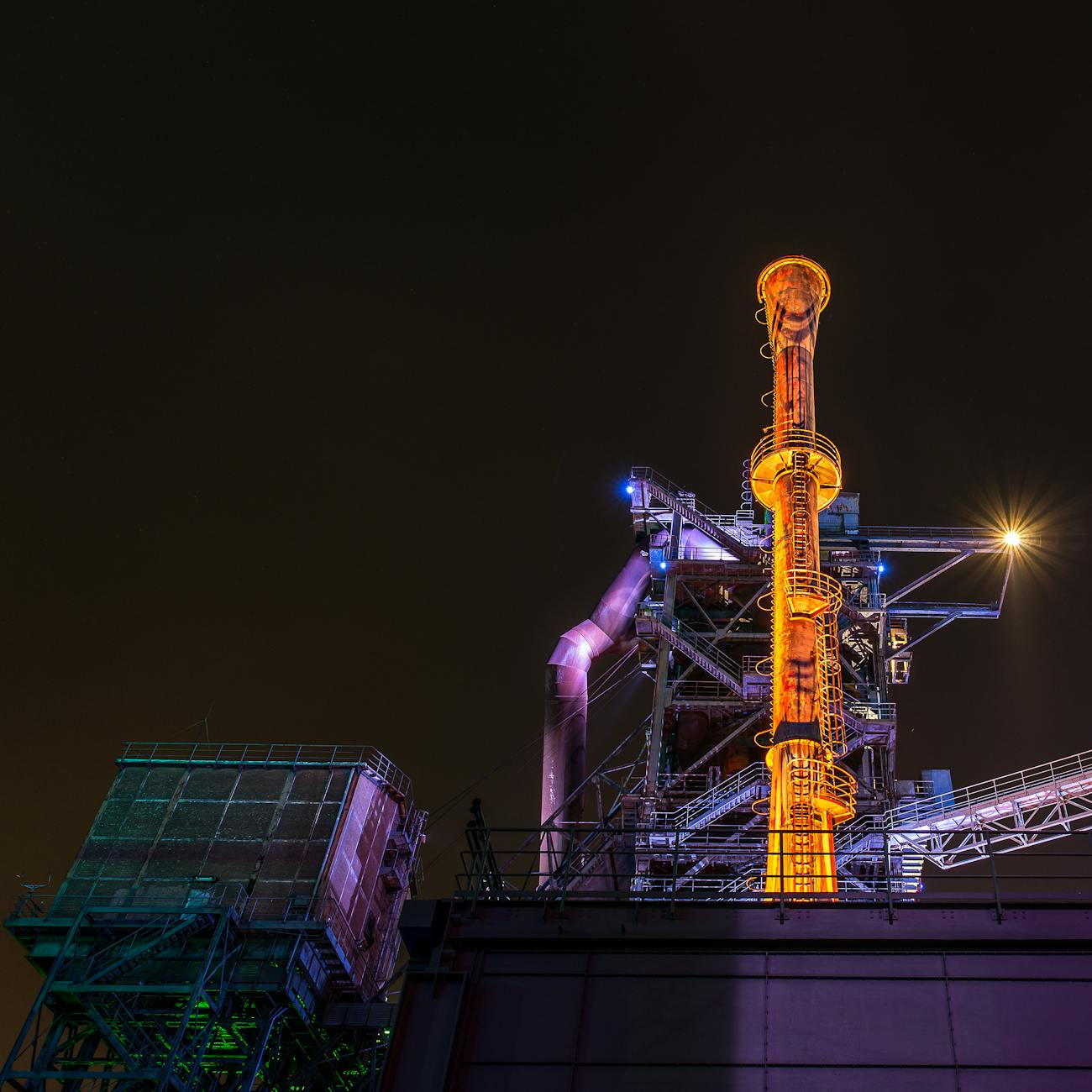
Energy Sector Overview
The energy sector is a critical component of the global economy, encompassing a wide range of activities related to the production, distribution, and consumption of energy. It plays a vital role in supporting various industries, households, and infrastructure, making it one of the most important sectors for economic development and sustainability.
The energy sector can be broadly categorized into two main segments: the primary energy sector and the secondary energy sector. The primary energy sector involves the extraction and production of raw energy sources, such as oil, natural gas, coal, and renewable energy sources like wind and solar power. On the other hand, the secondary energy sector focuses on converting these raw energy sources into usable forms of energy, such as electricity, heat, and fuel.
Key Terms and Vocabulary
1. Renewable Energy: Energy derived from natural resources that are replenished on a human timescale, such as sunlight, wind, rain, tides, waves, and geothermal heat.
2. Fossil Fuels: Non-renewable energy sources formed from the remains of plants and animals that lived millions of years ago, including coal, oil, and natural gas.
3. Nuclear Energy: Energy produced by nuclear reactions, either through nuclear fission or fusion processes.
4. Electricity Grid: A system of interconnected power lines and substations that transmit electricity from power plants to consumers.
5. Smart Grid: An advanced electricity grid that utilizes digital technology to monitor and control the flow of electricity more efficiently.
6. Distributed Energy Resources (DERs): Small-scale power generation technologies located close to the end-user, such as rooftop solar panels and microgrids.
7. Energy Efficiency: The ratio of useful energy output to the total energy input in a system, reflecting how well energy is utilized.
8. Energy Storage: The capture and retention of energy for later use, such as batteries, pumped hydro, and compressed air energy storage.
9. Carbon Emissions: The release of carbon dioxide and other greenhouse gases into the atmosphere, contributing to climate change.
10. Decentralized Energy: Energy systems that are not centralized around large power plants but instead rely on a network of smaller, localized energy sources.
11. Energy Transition: The shift from fossil fuels to renewable energy sources and the adoption of sustainable energy practices.
12. Net Zero: A state where the amount of greenhouse gases emitted into the atmosphere is balanced by the amount removed or offset, resulting in no net increase in emissions.
13. Energy Policy: Government regulations and incentives that influence the development and deployment of energy technologies and practices.
14. Energy Security: Ensuring a stable and reliable supply of energy to meet the needs of society, industries, and infrastructure.
15. Energy Market: The buying and selling of energy commodities, such as electricity, natural gas, and oil, through various market mechanisms.
16. Energy Transition Challenges: The obstacles and complexities associated with transitioning from traditional energy sources to cleaner and more sustainable alternatives.
17. Grid Resilience: The ability of the electricity grid to withstand and recover from disruptions, such as extreme weather events or cyber-attacks.
18. Energy Demand Management: Strategies and technologies used to optimize energy consumption and reduce peak demand on the grid.
19. Energy Trading: The buying and selling of energy products, such as electricity, gas, and renewable energy certificates, in organized markets.
20. Carbon Pricing: Putting a monetary value on carbon emissions to incentivize businesses to reduce their carbon footprint.
21. Energy Transition Roadmap: A strategic plan outlining the steps and milestones needed to achieve a successful energy transition.
22. Energy Poverty: The lack of access to affordable, reliable, and clean energy services, affecting millions of people worldwide.
23. Energy Mix: The combination of different energy sources used to meet a country's energy needs, including renewables, fossil fuels, and nuclear power.
24. Energy Conservation: The practice of reducing energy consumption through efficiency improvements and behavioral changes.
25. Virtual Power Plant (VPP): A network of decentralized energy resources, such as solar panels and batteries, aggregated to function as a single power plant.
26. Carbon Neutrality: Achieving a balance between the amount of carbon emitted and removed from the atmosphere, resulting in no net carbon emissions.
27. Peak Load: The maximum amount of electricity demand on the grid at any given time, often occurring during periods of high energy consumption.
28. Energy Resilience: The ability of energy systems to withstand and recover from disruptions, ensuring continuous supply and delivery of energy services.
29. Energy Sovereignty: The concept of countries having control over their energy resources and developing energy policies that align with national interests.
30. Energy Transition Investment: The financial resources allocated to support the transition to cleaner and more sustainable energy systems.
31. Energy Access: Ensuring that all individuals and communities have access to reliable and affordable energy services for their basic needs.
32. Energy Intensity: The amount of energy consumed per unit of economic output, reflecting the efficiency of energy use in a given system.
33. Renewable Portfolio Standard (RPS): A regulatory policy that mandates a certain percentage of electricity generation to come from renewable sources.
34. Energy Equity: Ensuring fair and equitable access to energy resources and services for all members of society, regardless of income or location.
35. Energy Transition Technology: Innovative technologies and solutions that facilitate the shift to a more sustainable energy system.
36. Energy Poverty Alleviation: Efforts to address energy poverty through programs and initiatives that provide access to clean and affordable energy services.
37. Energy Transition Resilience: The ability of energy systems to adapt to changing conditions and emerging challenges during the transition to cleaner energy sources.
38. Energy Infrastructure: The physical assets and systems that enable the production, transmission, and distribution of energy, such as power plants, pipelines, and grids.
39. Energy Efficiency Standards: Regulations and guidelines that set minimum efficiency requirements for appliances, buildings, and industrial processes.
40. Energy Transition Financing: Financial mechanisms and investments that support the development and deployment of renewable energy projects and technologies.
41. Energy Innovation: The development of new technologies, business models, and practices that drive the transformation of the energy sector towards sustainability.
42. Energy Transition Governance: The policies, institutions, and decision-making processes that guide the transition to a low-carbon and resilient energy system.
43. Energy Security Strategy: A comprehensive plan to ensure the reliable supply of energy resources and protect critical infrastructure from potential disruptions.
44. Energy Transition Collaboration: Partnerships and alliances between governments, businesses, and stakeholders to accelerate the adoption of clean energy solutions.
45. Energy Transition Monitoring: The ongoing assessment and tracking of progress towards energy transition goals, including emissions reductions and renewable energy deployment.
46. Energy Transition Adaptation: The adjustments and responses made by energy systems and stakeholders to address evolving challenges and opportunities during the transition process.
47. Energy Transition Policy: Government regulations and initiatives that promote the transition to sustainable energy sources and reduce reliance on fossil fuels.
48. Energy Transition Stakeholders: Individuals, organizations, and communities that are involved in or impacted by the energy transition, including policymakers, industry players, and consumers.
49. Energy Transition Communication: Outreach and engagement efforts to raise awareness, build support, and foster dialogue around the energy transition and its benefits.
50. Energy Transition Integration: The seamless incorporation of renewable energy sources and technologies into existing energy systems, infrastructure, and markets.
51. Energy Transition Planning: The development of strategic plans and roadmaps to guide the transition to a low-carbon, resilient, and sustainable energy future.
52. Energy Transition Monitoring: The ongoing assessment and evaluation of progress towards energy transition goals, including emissions reductions, renewable energy deployment, and energy efficiency improvements.
53. Energy Transition Challenges: The obstacles, barriers, and complexities that hinder the successful transition to cleaner and more sustainable energy systems, such as policy gaps, technological limitations, and financial constraints.
54. Energy Transition Opportunities: The potential benefits, opportunities, and advantages associated with the transition to renewable energy sources, including job creation, economic growth, and environmental protection.
55. Energy Transition Risks: The potential threats, uncertainties, and vulnerabilities that may arise during the energy transition process, such as supply chain disruptions, market volatility, and geopolitical tensions.
56. Energy Transition Best Practices: Proven strategies, approaches, and lessons learned from successful energy transition initiatives around the world, serving as models for other regions and sectors.
57. Energy Transition Case Studies: In-depth analyses of specific energy transition projects, programs, and policies, highlighting key challenges, successes, and lessons learned for the broader energy sector.
58. Energy Transition Impact Assessment: The evaluation of the social, economic, and environmental impacts of energy transition initiatives, including job creation, energy affordability, and emissions reductions.
59. Energy Transition Capacity Building: The development of skills, knowledge, and capabilities among stakeholders to support the successful implementation of energy transition initiatives and projects.
60. Energy Transition Collaboration: The coordination and cooperation among governments, businesses, civil society, and other stakeholders to accelerate the adoption of clean energy solutions and achieve common goals.
61. Energy Transition Financing: The mobilization of financial resources, investments, and incentives to support the development and deployment of renewable energy projects, energy efficiency measures, and other clean energy technologies.
62. Energy Transition Policy Framework: A set of regulations, guidelines, and incentives that guide the transition to sustainable energy sources, including renewable energy targets, emissions reduction goals, and energy efficiency standards.
63. Energy Transition Technology Innovation: The development of new technologies, solutions, and business models that drive the transformation of the energy sector towards sustainability, including smart grids, energy storage systems, and electric vehicles.
64. Energy Transition Monitoring and Evaluation: The systematic tracking, assessment, and reporting of progress towards energy transition goals, including emissions reductions, renewable energy deployment, energy efficiency improvements, and other key performance indicators.
65. Energy Transition Risk Management: The identification, assessment, and mitigation of risks associated with the energy transition process, including regulatory changes, market fluctuations, technological uncertainties, and geopolitical tensions.
66. Energy Transition Stakeholder Engagement: The involvement, consultation, and collaboration with diverse stakeholders, including policymakers, industry players, civil society organizations, and communities, to ensure transparency, inclusivity, and alignment of interests.
67. Energy Transition Communication Strategy: A plan to effectively communicate the goals, benefits, challenges, and progress of the energy transition to various audiences, including policymakers, investors, consumers, and the general public, using a mix of traditional and digital channels.
68. Energy Transition Capacity Development: The enhancement of skills, knowledge, and institutional capacities among stakeholders to support the successful implementation of energy transition initiatives, including training programs, workshops, and knowledge-sharing platforms.
69. Energy Transition Policy Coherence: The alignment and coordination of energy transition policies and strategies across different government departments, agencies, and levels of government to ensure consistency, efficiency, and effectiveness in achieving energy transition goals.
70. Energy Transition Governance Framework: The institutional arrangements, decision-making processes, and accountability mechanisms that guide the planning, implementation, and monitoring of energy transition initiatives, including the roles and responsibilities of various stakeholders and the mechanisms for stakeholder engagement and consultation.
71. Energy Transition Legal Framework: The laws, regulations, and legal instruments that govern the energy transition process, including renewable energy mandates, emissions reduction targets, energy efficiency standards, carbon pricing mechanisms, and other measures to support the transition to sustainable energy sources.
72. Energy Transition Social Inclusion: The consideration of social equity, justice, and inclusivity in energy transition initiatives, ensuring that vulnerable and marginalized groups have access to clean energy services, job opportunities, and a voice in decision-making processes related to the energy transition.
73. Energy Transition Environmental Sustainability: The integration of environmental considerations, such as climate change mitigation, biodiversity conservation, and resource efficiency, into energy transition policies and projects to minimize negative impacts on ecosystems, natural resources, and the planet as a whole.
74. Energy Transition Economic Viability: The assessment of the economic costs, benefits, and risks associated with energy transition initiatives, including the financial feasibility, return on investment, competitiveness, and long-term sustainability of renewable energy projects, energy efficiency measures, and other clean energy technologies.
75. Energy Transition Technological Innovation: The development and deployment of cutting-edge technologies, such as artificial intelligence, blockchain, and Internet of Things, to enhance the efficiency, reliability, and sustainability of energy systems, support the integration of renewable energy sources, and facilitate the digital transformation of the energy sector.
76. Energy Transition Policy Alignment: The coordination and harmonization of energy transition policies with other related policy areas, such as climate change, sustainable development, energy security, and innovation, to ensure coherence, synergies, and mutual reinforcement in achieving common objectives and addressing interrelated challenges.
77. Energy Transition Public-Private Partnerships: Collaborative arrangements between government agencies, private sector companies, non-profit organizations, and other stakeholders to finance, develop, and implement energy transition projects, leveraging the respective strengths, expertise, and resources of each partner to achieve shared goals and deliver tangible results.
78. Energy Transition Regulatory Framework: The rules, procedures, and standards established by regulatory authorities to govern the operation, maintenance, and expansion of energy infrastructure, ensure fair competition, protect consumer interests, and promote the transition to sustainable energy sources in a transparent, predictable, and accountable manner.
79. Energy Transition Innovation Ecosystem: The interconnected network of actors, including research institutions, startups, investors, industry associations, and government agencies, that drive technological innovation, entrepreneurship, and knowledge exchange in the energy sector, fostering a culture of creativity, experimentation, and collaboration to accelerate the transition to clean energy solutions.
80. Energy Transition Data Analytics: The collection, analysis, and interpretation of data from energy systems, devices, and processes using advanced data analytics techniques, such as machine learning, predictive modeling, and real-time monitoring, to optimize energy efficiency, enhance grid reliability, and inform decision-making in the context of the energy transition.
81. Energy Transition Digital Transformation: The integration of digital technologies, such as cloud computing, big data, Internet of Things, and artificial intelligence, into energy systems and operations to enable real-time monitoring, control, and optimization of energy resources, improve energy efficiency, and enhance the resilience, flexibility, and sustainability of energy infrastructures in the context of the energy transition.
82. Energy Transition Cybersecurity: The protection of energy systems, networks, and data from cyber threats, such as hacking, malware, and ransomware attacks, through the implementation of robust cybersecurity measures, protocols, and best practices to safeguard critical infrastructure, prevent disruptions, and maintain the integrity, confidentiality, and availability of energy services in the digital age.
83. Energy Transition Blockchain Technology: The application of blockchain technology, a decentralized, secure, and transparent digital ledger, to track, verify, and authenticate energy transactions, such as renewable energy certificates, peer-to-peer energy trading, and smart contracts, enabling greater transparency, traceability, and efficiency in energy markets and accelerating the adoption of clean energy solutions in the energy transition.
84. Energy Transition Internet of Things (IoT): The deployment of Internet-connected devices, sensors, and actuators in energy systems and assets to collect, exchange, and analyze data in real-time, enabling remote monitoring, predictive maintenance, and automated control of energy resources, optimizing energy consumption, reducing costs, and enhancing the sustainability, reliability, and resilience of energy infrastructures in the context of the energy transition.
85. Energy Transition Artificial Intelligence (AI): The use of artificial intelligence, such as machine learning, deep learning, and predictive analytics, to automate decision-making, optimize energy operations, and predict energy demand and supply patterns, enhancing the efficiency, flexibility, and responsiveness of energy systems, improving energy forecasting, planning, and management, and supporting the transition to sustainable energy sources in the digital age.
86. Energy Transition Energy Management Systems (EMS): The implementation of energy management systems, software platforms, and tools to monitor, analyze, and control energy consumption, generation, and distribution in real-time, enabling energy users, producers, and operators to optimize energy use, reduce costs, and enhance the reliability, efficiency, and sustainability of energy systems in the context of the energy transition.
87. Energy Transition Demand Response (DR): The practice of adjusting energy consumption in response to changing energy prices, grid conditions, or supply constraints, enabling energy users, such as buildings, factories, and households, to reduce peak demand, lower costs, and support grid stability, flexibility, and resilience, contributing to the efficient and sustainable management of energy resources in the context of the energy transition.
88. Energy Transition Microgrids: Localized, independent energy systems that can operate autonomously or connect to the main grid, integrating multiple energy sources, such as solar panels, batteries, and diesel generators, to provide reliable, resilient, and sustainable energy supply to communities, businesses, and critical infrastructure, enhancing energy security, flexibility, and sustainability in the context of the energy transition.
89. Energy Transition Vehicle-to-Grid (V2G): The bi-directional flow of electricity between electric vehicles (EVs) and the grid, enabling EVs to store and discharge energy, support grid balancing, and participate in energy markets, leveraging EV batteries as flexible, distributed energy resources to reduce energy costs, increase grid reliability, and accelerate the integration of renewable energy sources in the context of the energy transition.
90. Energy Transition Circular Economy: A regenerative economic system that aims to minimize waste
Key takeaways
- It plays a vital role in supporting various industries, households, and infrastructure, making it one of the most important sectors for economic development and sustainability.
- The primary energy sector involves the extraction and production of raw energy sources, such as oil, natural gas, coal, and renewable energy sources like wind and solar power.
- Renewable Energy: Energy derived from natural resources that are replenished on a human timescale, such as sunlight, wind, rain, tides, waves, and geothermal heat.
- Fossil Fuels: Non-renewable energy sources formed from the remains of plants and animals that lived millions of years ago, including coal, oil, and natural gas.
- Nuclear Energy: Energy produced by nuclear reactions, either through nuclear fission or fusion processes.
- Electricity Grid: A system of interconnected power lines and substations that transmit electricity from power plants to consumers.
- Smart Grid: An advanced electricity grid that utilizes digital technology to monitor and control the flow of electricity more efficiently.