
Inventory Metrics and KPIs
Inventory Metrics and KPIs are critical measures used in inventory management to evaluate the performance and efficiency of inventory processes. In the pharmaceutical industry, effective inventory management is essential to ensure that life…
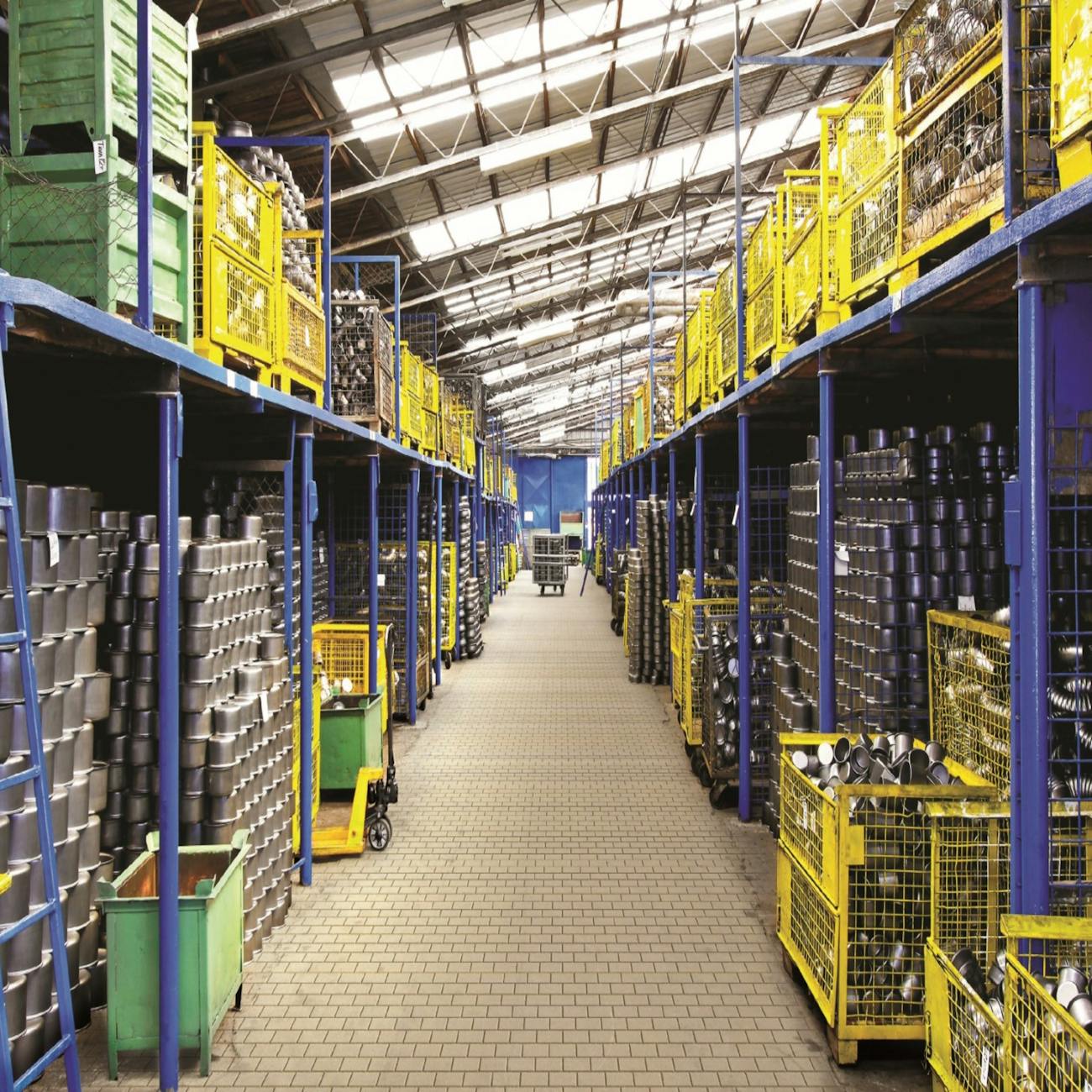
Inventory Metrics and KPIs are critical measures used in inventory management to evaluate the performance and efficiency of inventory processes. In the pharmaceutical industry, effective inventory management is essential to ensure that life-saving medications are available when needed. This explanation will cover key terms and vocabulary related to Inventory Metrics and KPIs in the course Professional Certificate in Inventory Management Inventory Training in the Pharmaceutical Industry.
1. Inventory Management Inventory management refers to the process of ordering, storing, and using a company's inventory. Its primary goal is to ensure that a company has enough inventory to meet customer demand while minimizing costs associated with holding and managing inventory. 2. Metrics and KPIs Metrics are quantitative measures used to evaluate the performance of a process or system. KPIs (Key Performance Indicators) are a subset of metrics that are critical to achieving specific business objectives. 3. Inventory Turnover Inventory turnover measures the number of times a company sells and replaces its stock of goods during a specified period. It is calculated by dividing the cost of goods sold (COGS) by the average inventory value. A higher inventory turnover ratio indicates a more efficient inventory management process. 4. Stockout Rate The stockout rate measures the percentage of time that a product is out of stock. It is calculated by dividing the number of stockouts by the total number of demand instances. A lower stockout rate indicates a more effective inventory management process. 5. Lead Time Lead time is the time it takes from when a company places an order for inventory until the inventory is received. It includes the time required for the vendor to process and ship the order, as well as the time required for the inventory to be transported and received. 6. Safety Stock Safety stock is the extra inventory kept on hand to guard against variability in demand or lead time. It is calculated based on the desired service level, the standard deviation of lead time demand, and the standard deviation of demand. 7. Reorder Point The reorder point is the inventory level at which a company should place a new order for inventory. It is calculated based on the average demand during lead time and the desired safety stock level. 8. Order Quantity Order quantity is the amount of inventory a company should order each time it places a new order. It is calculated based on the economic order quantity (EOQ) formula, which balances the costs of ordering and holding inventory. 9. Carrying Cost Carrying cost is the cost of holding inventory, including storage, handling, insurance, and taxes. It is typically expressed as a percentage of the average inventory value. 10. Gross Margin Return on Investment (GMROI) GMROI measures the profit generated by inventory relative to the investment in inventory. It is calculated by dividing the gross margin by the average inventory value. 11. Days Inventory Outstanding (DIO) DIO measures the average number of days it takes for a company to sell its inventory. It is calculated by dividing the average inventory value by the cost of goods sold per day. 12. Fill Rate Fill rate measures the percentage of customer demand that is satisfied from stock on hand. It is calculated by dividing the number of units sold from stock by the total number of units demanded. 13. Order Cycle Time Order cycle time measures the time it takes from when a customer places an order until the order is received. It includes the time required for the order to be processed, picked, packed, and shipped. 14. ABC Analysis ABC analysis is a method for categorizing inventory based on its value or importance. It divides inventory into three categories: A items are high-value items that require close management, B items are moderate-value items that require less management, and C items are low-value items that require minimal management. 15. Just-In-Time (JIT) Inventory JIT inventory is a method of inventory management in which inventory is ordered and received only when it is needed. It is designed to reduce inventory holding costs and improve inventory turnover. 16. Vendor-Managed Inventory (VMI) VMI is a method of inventory management in which the vendor is responsible for managing the customer's inventory. It is designed to improve inventory turnover and reduce stockouts. 17. Drop Shipment A drop shipment is a method of order fulfillment in which the supplier ships the order directly to the customer. It is designed to reduce inventory holding costs and improve order cycle time. 18. Consignment Inventory Consignment inventory is a method of inventory management in which the supplier retains ownership of the inventory until it is sold. It is designed to reduce inventory holding costs and improve inventory turnover.
Example:
Suppose a pharmaceutical company has an inventory turnover ratio of 12, a stockout rate of 5%, a lead time of 10 days, a safety stock level of 100 units, a reorder point of 200 units, an order quantity of 300 units, a carrying cost of 20% of the average inventory value, a GMROI of 4, a DIO of 30 days, a fill rate of 95%, an order cycle time of 5 days, uses ABC analysis, JIT inventory, VMI, drop shipment, and consignment inventory.
Challenges:
Effective inventory management in the pharmaceutical industry is challenging due to the high value of the inventory, the need for strict temperature and humidity control, and the potential for product expiration. These challenges require careful planning and monitoring to ensure that inventory levels are optimized and costs are minimized.
Conclusion:
Inventory Metrics and KPIs are critical measures used in inventory management to evaluate the performance and efficiency of inventory processes. Understanding these terms and vocabulary is essential for anyone working in the pharmaceutical industry. By using metrics and KPIs, companies can improve inventory turnover, reduce stockouts, and optimize inventory levels, resulting in improved customer service and reduced costs.
Key takeaways
- This explanation will cover key terms and vocabulary related to Inventory Metrics and KPIs in the course Professional Certificate in Inventory Management Inventory Training in the Pharmaceutical Industry.
- It divides inventory into three categories: A items are high-value items that require close management, B items are moderate-value items that require less management, and C items are low-value items that require minimal management.
- Effective inventory management in the pharmaceutical industry is challenging due to the high value of the inventory, the need for strict temperature and humidity control, and the potential for product expiration.
- By using metrics and KPIs, companies can improve inventory turnover, reduce stockouts, and optimize inventory levels, resulting in improved customer service and reduced costs.