
Sports Product Development
Sports Product Development is a critical area of study in the Professional Certificate in Innovation and Entre entrepreneurship's Innovation in Sports course. This field involves the design, creation, and manufacturing of sports products th…
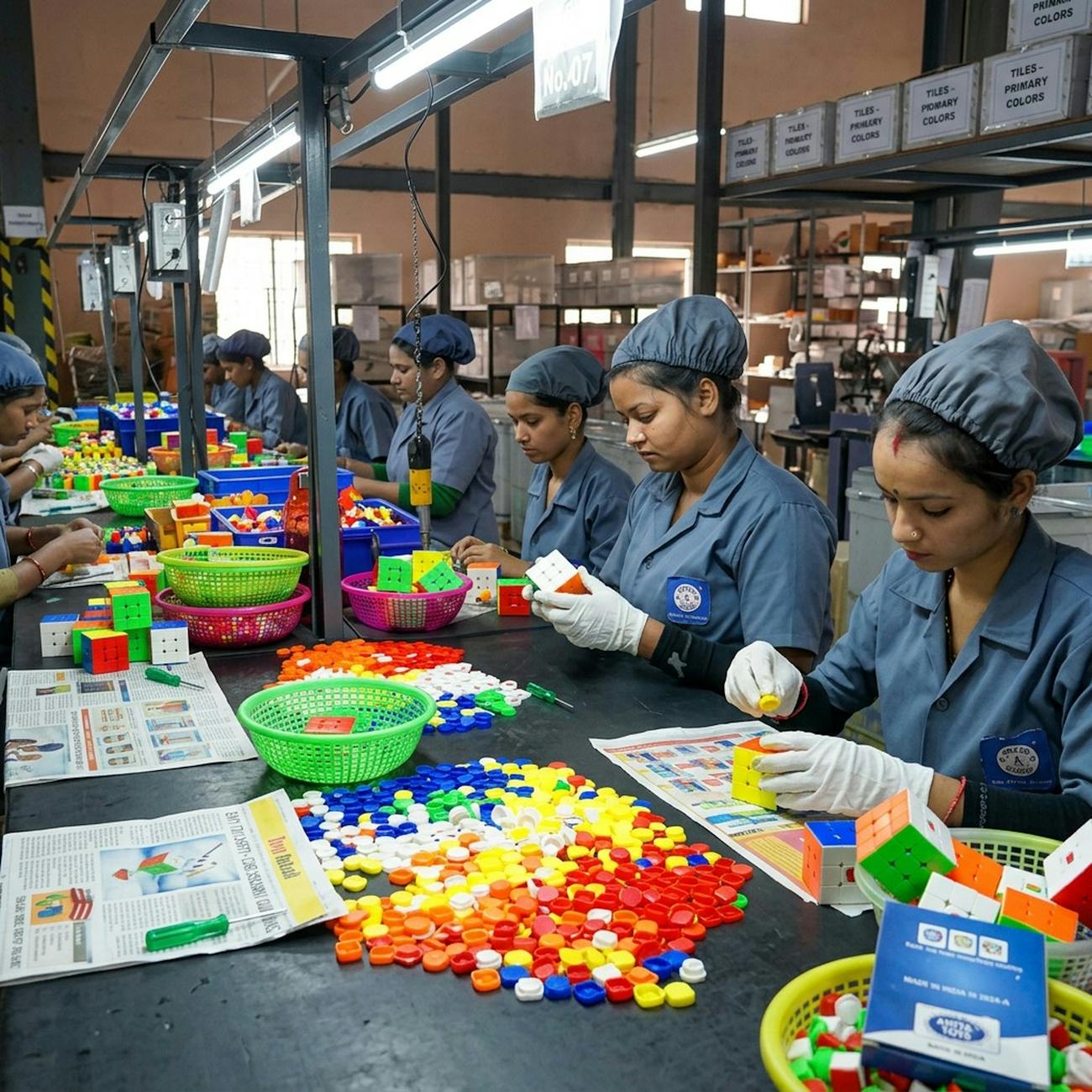
Sports Product Development is a critical area of study in the Professional Certificate in Innovation and Entre entrepreneurship's Innovation in Sports course. This field involves the design, creation, and manufacturing of sports products that cater to the needs and preferences of athletes and sports enthusiasts. In this explanation, we will discuss the key terms and vocabulary associated with sports product development.
1. **Product Design**: Product design is the process of creating a new product to be sold by a business to its customers. In sports product development, product design involves understanding the needs and preferences of athletes and sports enthusiasts and creating a product that meets those needs. Product design includes various stages, such as research, ideation, prototyping, and testing. 2. **User Research**: User research is the process of understanding the needs, behaviors, and motivations of users. In sports product development, user research involves collecting data from athletes and sports enthusiasts to understand their needs and preferences. User research can be conducted through various methods, such as surveys, interviews, and observations. 3. **Ideation**: Ideation is the process of generating and developing new ideas. In sports product development, ideation involves brainstorming and exploring different concepts for a new product. Ideation can be conducted through various methods, such as mind mapping, sketching, and prototyping. 4. **Prototyping**: Prototyping is the process of creating a preliminary model or sample of a product. In sports product development, prototyping involves creating a physical model of the product to test its functionality and usability. Prototyping can be conducted through various methods, such as 3D printing, CNC machining, and hand crafting. 5. **Testing**: Testing is the process of evaluating a product's performance and usability. In sports product development, testing involves assessing the product's functionality, durability, and user experience. Testing can be conducted through various methods, such as laboratory testing, field testing, and user testing. 6. **Materials Selection**: Materials selection is the process of choosing the right materials for a product. In sports product development, materials selection involves considering the product's performance, durability, and cost. Materials selection can include various materials, such as plastics, metals, and composites. 7. **Manufacturing Process**: The manufacturing process is the method used to produce a product. In sports product development, the manufacturing process involves various methods, such as injection molding, casting, and machining. The manufacturing process should be chosen based on the product's design, materials, and volume. 8. **Quality Control**: Quality control is the process of ensuring that a product meets the required standards of quality. In sports product development, quality control involves inspecting and testing the product during and after the manufacturing process. Quality control ensures that the product is free from defects and meets the customer's expectations. 9. **Supply Chain Management**: Supply chain management is the process of managing the flow of goods and services from the supplier to the customer. In sports product development, supply chain management involves managing the relationships with suppliers, manufacturers, and distributors. Supply chain management ensures that the product is delivered to the customer on time and within budget. 10. **Intellectual Property Protection**: Intellectual property protection is the process of protecting the legal rights of a product's design, invention, or trademark. In sports product development, intellectual property protection involves registering patents, trademarks, and copyrights to protect the product from infringement.
In practical application, sports product development involves a team of professionals, including product designers, engineers, manufacturers, and marketers. The team works together to create a product that meets the needs and preferences of athletes and sports enthusiasts. The team conducts user research, ideation, prototyping, and testing to ensure that the product is functional, durable, and user-friendly. The team also considers the materials selection, manufacturing process, quality control, supply chain management, and intellectual property protection to ensure that the product is delivered to the customer on time and within budget.
Challenges in sports product development include understanding the needs and preferences of athletes and sports enthusiasts, choosing the right materials and manufacturing process, and protecting the product's intellectual property. To overcome these challenges, sports product development teams must conduct thorough user research, consider various materials and manufacturing processes, and work with legal professionals to protect their intellectual property.
In conclusion, sports product development is a complex process that involves various stages, methods, and professionals. Understanding the key terms and vocabulary associated with sports product development can help professionals in this field create innovative and successful products that meet the needs and preferences of athletes and sports enthusiasts. By conducting user research, ideation, prototyping, and testing, and considering materials selection, manufacturing process, quality control, supply chain management, and intellectual property protection, sports product development teams can ensure that their products are functional, durable, and user-friendly, and delivered to the customer on time and within budget.
Key takeaways
- Sports Product Development is a critical area of study in the Professional Certificate in Innovation and Entre entrepreneurship's Innovation in Sports course.
- In sports product development, product design involves understanding the needs and preferences of athletes and sports enthusiasts and creating a product that meets those needs.
- The team also considers the materials selection, manufacturing process, quality control, supply chain management, and intellectual property protection to ensure that the product is delivered to the customer on time and within budget.
- Challenges in sports product development include understanding the needs and preferences of athletes and sports enthusiasts, choosing the right materials and manufacturing process, and protecting the product's intellectual property.
- Understanding the key terms and vocabulary associated with sports product development can help professionals in this field create innovative and successful products that meet the needs and preferences of athletes and sports enthusiasts.