
Derivatives and Hedging
Derivatives are financial contracts that derive their value from an underlying asset, such as a stock, bond, commodity, or currency. The value of a derivative is dependent on the changes in the value of the underlying asset. There are sever…
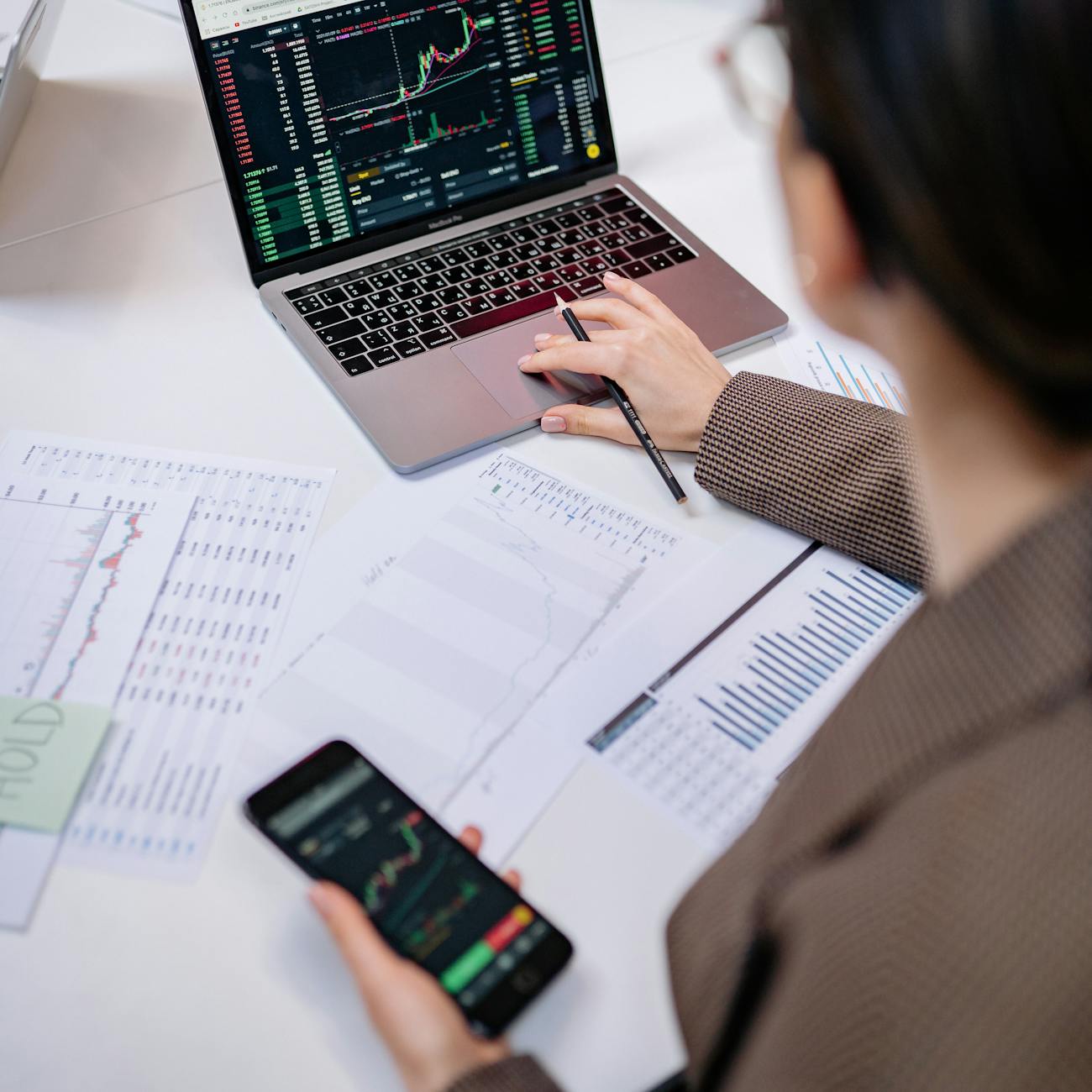
Derivatives are financial contracts that derive their value from an underlying asset, such as a stock, bond, commodity, or currency. The value of a derivative is dependent on the changes in the value of the underlying asset. There are several types of derivatives, including futures, options, and swaps.
Futures are contracts that obligate the buyer to purchase, and the seller to sell, a specified asset at a predetermined price on a specific future date. Futures are often used for hedging against price changes in the underlying asset. For example, a farmer may sell a futures contract for his crops to lock in a price and protect against a potential decline in crop prices.
Options give the buyer the right, but not the obligation, to buy or sell a specified asset at a predetermined price on or before a specific future date. Options are often used for speculating on the price movement of the underlying asset. For example, a trader may buy a call option for a stock if they believe the price will increase, and sell a put option if they believe the price will decrease.
Swaps are contracts that exchange cash flows between two parties based on the performance of an underlying asset. Swaps are often used for managing interest rate risk. For example, a company with a variable rate loan may enter into a swap agreement with another company to receive fixed payments in exchange for variable payments.
Hedging is the practice of using financial instruments or strategies to reduce or manage risk. Derivatives are often used for hedging against price changes in the underlying asset. For example, a company that is importing goods may use futures contracts to lock in the exchange rate and protect against a potential decline in the value of the foreign currency.
Challenges in Derivatives and Hedging:
1. Complexity: Derivatives can be complex financial instruments that are difficult to understand and value. This complexity can make it difficult for companies to manage their derivatives exposures and can lead to unexpected losses. 2. Valuation: The value of a derivative is dependent on the changes in the value of the underlying asset. This can make it difficult to accurately value derivatives, especially for complex instruments. 3. Counterparty Risk: Derivatives involve a contract between two parties, and the failure of one party to fulfill its obligations can result in losses for the other party. This is known as counterparty risk. 4. Regulation: Derivatives are subject to various regulations, which can vary by country and by type of derivative. This can make it difficult for companies to comply with the regulations and can increase the cost of using derivatives. 5. Liquidity: Some derivatives may have low trading volumes and limited liquidity, which can make it difficult to enter or exit positions in these instruments.
Examples of Derivatives and Hedging:
1. A company that is importing goods may use futures contracts to lock in the exchange rate and protect against a potential decline in the value of the foreign currency. For example, if the company expects to receive $1 million in 3 months, it may enter into a futures contract to buy $1 million at the current exchange rate. This would protect the company against a decline in the value of the foreign currency. 2. A farmer may sell a futures contract for his crops to lock in a price and protect against a potential decline in crop prices. For example, if the farmer expects to harvest 100,000 bushels of corn in 3 months, he may sell a futures contract to sell 100,000 bushels of corn at the current price. This would protect the farmer against a decline in corn prices. 3. A trader may buy a call option for a stock if they believe the price will increase, and sell a put option if they believe the price will decrease. For example, if a trader believes the price of XYZ stock will increase, they may buy a call option to buy 100 shares of XYZ at $50 per share. If the price of XYZ increases to $60 per share, the trader can exercise the option and buy the shares for $50, making a profit of $10 per share. 4. A company with a variable rate loan may enter into a swap agreement with another company to receive fixed payments in exchange for variable payments. For example, if a company has a variable rate loan with an interest rate of 5%, it may enter into a swap agreement to receive fixed payments of 4% in exchange for variable payments based on the 5% interest rate. This would protect the company against a potential increase in interest rates.
In conclusion, derivatives and hedging are important concepts in finance and accounting. Derivatives are financial contracts that derive their value from an underlying asset, and are often used for hedging against price changes in the underlying asset. Hedging is the practice of using financial instruments or strategies to reduce or manage risk. There are several types of derivatives, including futures, options, and swaps. However, derivatives can be complex financial instruments that are difficult to understand and value, and are subject to various regulations. Companies should carefully consider the potential risks and benefits of using derivatives and hedging strategies before implementing them.
Key takeaways
- Derivatives are financial contracts that derive their value from an underlying asset, such as a stock, bond, commodity, or currency.
- Futures are contracts that obligate the buyer to purchase, and the seller to sell, a specified asset at a predetermined price on a specific future date.
- For example, a trader may buy a call option for a stock if they believe the price will increase, and sell a put option if they believe the price will decrease.
- For example, a company with a variable rate loan may enter into a swap agreement with another company to receive fixed payments in exchange for variable payments.
- For example, a company that is importing goods may use futures contracts to lock in the exchange rate and protect against a potential decline in the value of the foreign currency.
- Counterparty Risk: Derivatives involve a contract between two parties, and the failure of one party to fulfill its obligations can result in losses for the other party.
- For example, if a company has a variable rate loan with an interest rate of 5%, it may enter into a swap agreement to receive fixed payments of 4% in exchange for variable payments based on the 5% interest rate.