
Unit 6: Renewable Energy and Climate Change
Renewable Energy: Renewable energy, often referred to as clean energy, comes from natural sources or processes that are constantly replenished. For example, sunlight or wind keep shining and blowing, even if their availability depends on ti…
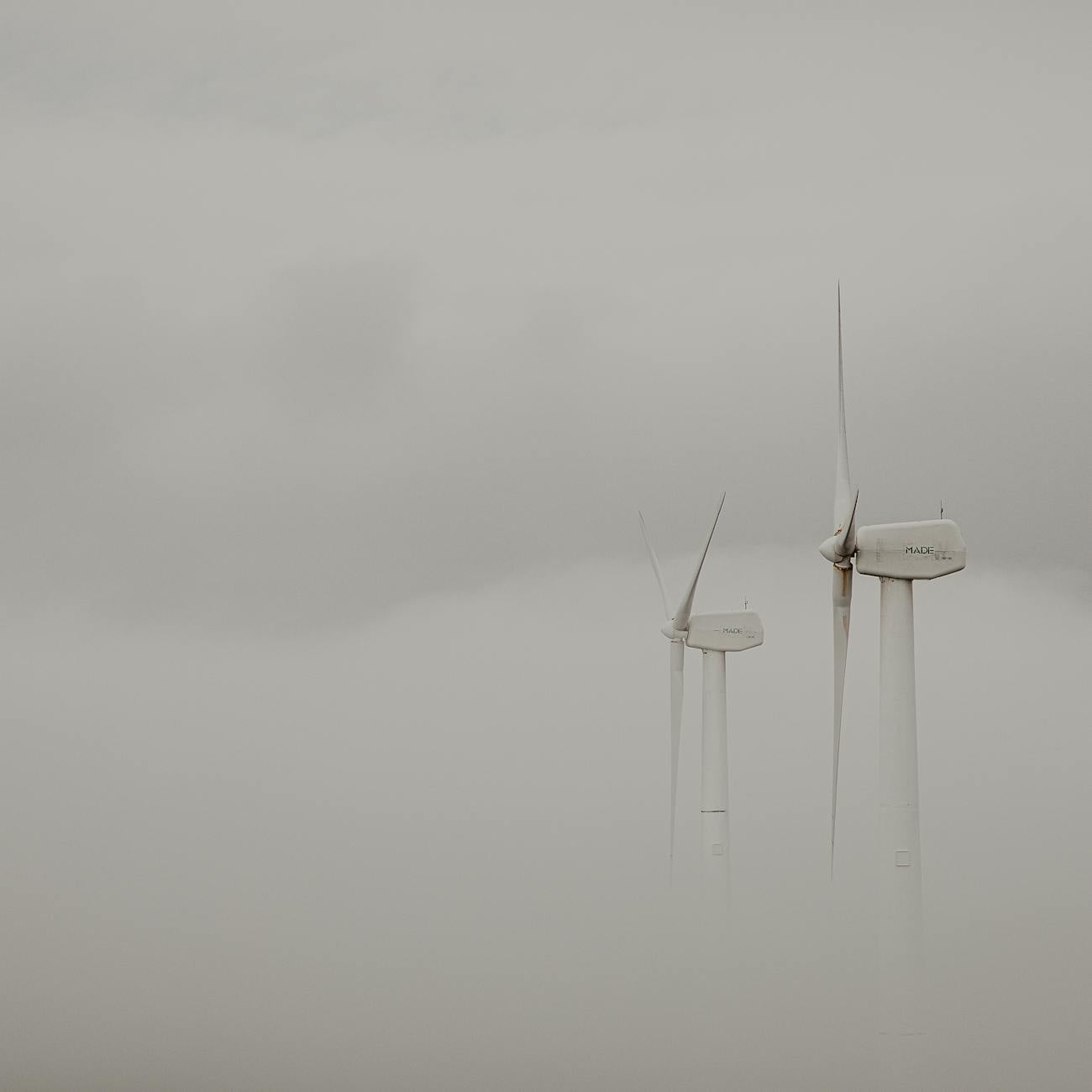
Renewable Energy: Renewable energy, often referred to as clean energy, comes from natural sources or processes that are constantly replenished. For example, sunlight or wind keep shining and blowing, even if their availability depends on time and weather. While renewable energy is often thought of as a new technology, harnessing nature's power has long been used for heating, transportation, lighting, and more. Today, we are well poised to transition from fossil fuels to renewable energy, to meet the growing energy demand and address climate change concerns.
Climate Change: Climate change refers to significant changes in global temperatures and weather patterns over time. While climate change is a natural phenomenon, scientific evidence shows that human activities, particularly the burning of fossil fuels and deforestation, have accelerated the current warming trend, leading to extreme weather events, sea-level rise, and negative impacts on human health, agriculture, and the environment.
Fossil Fuels: Fossil fuels are formed from the remains of ancient plants and animals that lived millions of years ago. These organic materials were subjected to heat and pressure in the Earth's crust, resulting in the formation of coal, oil, and natural gas. Fossil fuels are non-renewable energy sources, meaning they take millions of years to form and cannot be replenished within a human lifespan. Burning fossil fuels releases carbon dioxide (CO2) and other greenhouse gases, contributing to climate change.
Greenhouse Gases: Greenhouse gases (GHGs) are gases in Earth's atmosphere that trap heat from the sun. While GHGs are necessary for life on Earth, human activities, such as burning fossil fuels and deforestation, have increased their concentration in the atmosphere, leading to a rise in global temperatures. The primary GHGs include carbon dioxide (CO2), methane (CH4), nitrous oxide (N2O), and fluorinated gases.
Carbon Footprint: A carbon footprint is the total amount of greenhouse gases produced to directly and indirectly support human activities, usually expressed in equivalent tons of carbon dioxide (CO2e). It includes GHGs emitted from burning fossil fuels for electricity, heat, and transportation, as well as emissions from industrial processes, product manufacturing, and waste management.
Renewable Energy Sources: Renewable energy sources are naturally replenished and include:
Solar Energy: Solar energy is the radiant light and heat from the sun that can be harnessed using various technologies, such as solar panels and solar thermal systems, to generate electricity or heat water and buildings.
Wind Energy: Wind energy is the kinetic energy of the air in motion that can be converted into mechanical energy using wind turbines to generate electricity.
Hydropower: Hydropower is the energy of moving water that can be captured and converted into mechanical energy using water turbines to generate electricity.
Geothermal Energy: Geothermal energy is the heat from the Earth's interior that can be harnessed using geothermal power plants to generate electricity or provide heating and cooling for buildings.
Biomass Energy: Biomass energy is the energy stored in organic materials, such as wood, crops, and waste, that can be burned or converted into fuel, such as bioethanol and biodiesel, to generate electricity or heat.
Climate Change Mitigation: Climate change mitigation refers to efforts to reduce or prevent the emission of greenhouse gases and slow the warming trend. Mitigation strategies include transitioning to renewable energy sources, improving energy efficiency, reducing deforestation, and promoting sustainable agriculture and transportation.
Climate Change Adaptation: Climate change adaptation refers to efforts to adapt to the negative impacts of climate change, such as sea-level rise, extreme weather events, and changes in temperature and precipitation patterns. Adaptation strategies include building sea walls, improving water management, developing drought-resistant crops, and relocating communities at risk.
Carbon Capture and Storage (CCS): Carbon capture and storage (CCS) is a technology that captures CO2 emissions from industrial processes and power plants and stores them underground, preventing their release into the atmosphere. CCS is considered a bridge technology to reduce CO2 emissions while transitioning to renewable energy sources.
Emissions Trading System (ETS): An emissions trading system (ETS) is a market-based approach to reducing greenhouse gas emissions. An ETS sets a cap on the total amount of emissions allowed and issues permits, or allowances, to emit CO2. Companies can trade these permits, creating a market price for carbon and incentivizing emissions reductions.
Renewable Portfolio Standard (RPS): A renewable portfolio standard (RPS) is a policy that requires electricity suppliers to generate a certain percentage of their electricity from renewable energy sources. An RPS creates a market for renewable energy and encourages the development of new renewable energy projects.
Net Metering: Net metering is a billing arrangement that allows customers with renewable energy systems, such as solar panels, to sell excess electricity back to the grid and receive credit for future consumption. Net metering promotes the adoption of renewable energy by reducing the payback period for renewable energy systems and providing customers with energy independence.
Energy Storage: Energy storage is the capture of energy produced at one time and its release at a later time to match demand. Energy storage technologies include batteries, pumped hydro storage, and thermal storage, and are essential for integrating variable renewable energy sources, such as solar and wind, into the grid.
Distributed Energy Resources (DERs): Distributed energy resources (DERs) are small-scale energy generation and storage systems, such as rooftop solar panels and batteries, that are connected to the grid at the distribution level, close to the end-users. DERs can provide energy independence, reduce transmission losses, and improve grid reliability.
Energy Efficiency: Energy efficiency refers to using less energy to perform the same task, resulting in cost savings and reduced greenhouse gas emissions. Energy efficiency can be achieved through various strategies, such as improving insulation, using energy-efficient appliances, and promoting energy-saving behaviors.
Demand Response: Demand response is a program that incentivizes customers to reduce their electricity consumption during peak demand periods, such as hot summer afternoons, to avoid blackouts and reduce the need for expensive peak power plants. Demand response can be achieved through various strategies, such as time-of-use rates, smart thermostats, and demand response aggregators.
In conclusion, renewable energy and climate change are critical issues that require urgent action to transition to a low-carbon economy and mitigate the negative impacts of climate change. Understanding the key terms and vocabulary in this field is essential for anyone interested in international energy law, renewable energy technologies, and climate policy. By promoting renewable energy, energy efficiency, and climate change mitigation and adaptation strategies, we can create a sustainable and prosperous future for all.
Key takeaways
- While renewable energy is often thought of as a new technology, harnessing nature's power has long been used for heating, transportation, lighting, and more.
- Climate Change: Climate change refers to significant changes in global temperatures and weather patterns over time.
- Fossil fuels are non-renewable energy sources, meaning they take millions of years to form and cannot be replenished within a human lifespan.
- While GHGs are necessary for life on Earth, human activities, such as burning fossil fuels and deforestation, have increased their concentration in the atmosphere, leading to a rise in global temperatures.
- Carbon Footprint: A carbon footprint is the total amount of greenhouse gases produced to directly and indirectly support human activities, usually expressed in equivalent tons of carbon dioxide (CO2e).
- Solar Energy: Solar energy is the radiant light and heat from the sun that can be harnessed using various technologies, such as solar panels and solar thermal systems, to generate electricity or heat water and buildings.
- Wind Energy: Wind energy is the kinetic energy of the air in motion that can be converted into mechanical energy using wind turbines to generate electricity.