
Unit 1: Introduction to Wine Chemistry
In the world of wine, understanding the chemistry behind it can greatly enhance one's appreciation and enjoyment of this ancient and complex beverage. In this explanation of key terms and vocabulary for Unit 1: Introduction to Wine Chemistr…
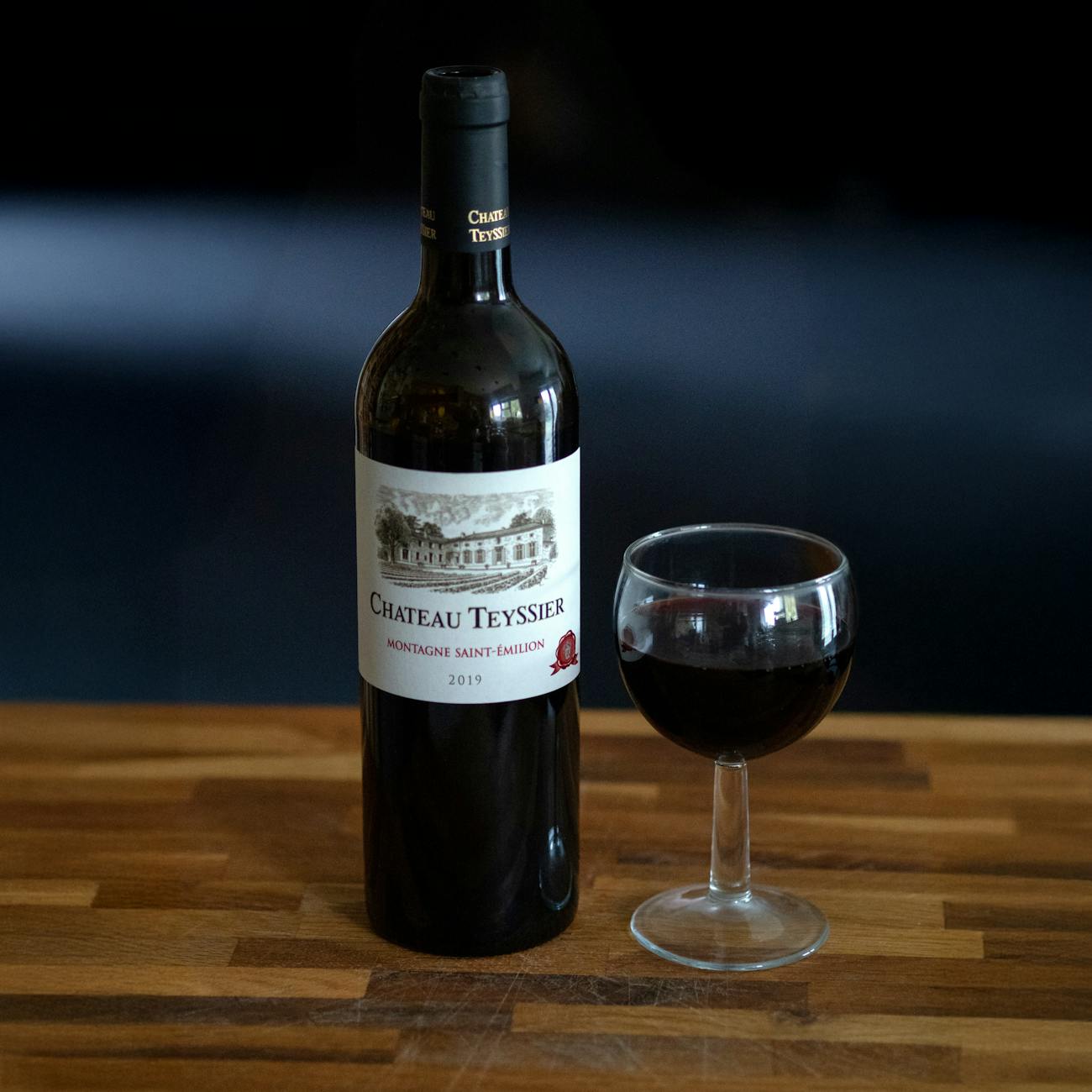
In the world of wine, understanding the chemistry behind it can greatly enhance one's appreciation and enjoyment of this ancient and complex beverage. In this explanation of key terms and vocabulary for Unit 1: Introduction to Wine Chemistry, we will cover various topics, including the basic components of wine, the chemical processes involved in winemaking, and the factors that affect wine quality and flavor.
Acids: One of the fundamental components of wine, acids contribute to its tartness and crispness. The two most important acids in wine are tartaric and malic acids. Tartaric acid is responsible for wine's overall acidity level, while malic acid adds a green apple-like flavor. Other acids present in wine include citric, lactic, and acetic acids.
Example: A wine with high acidity may have a pH level below 3.5, while a wine with low acidity may have a pH level above 4.0.
Alcohol: The byproduct of fermentation, alcohol (ethanol) is the primary intoxicating component of wine. The alcohol content of wine can vary, but it is usually between 11% and 16% by volume. The alcohol content of wine is determined by the sugar content of the grapes used in winemaking, as well as the fermentation process.
Example: A wine made from very ripe grapes with high sugar content will have a higher alcohol content than a wine made from less ripe grapes with lower sugar content.
Aroma: The smell of a wine, which can be influenced by a variety of factors, including the grape variety, winemaking techniques, and aging. Aroma can be broken down into primary, secondary, and tertiary aromas.
Example: A young white wine may have a primary aroma of citrus or green apple, while an aged red wine may have a tertiary aroma of leather or tobacco.
Fermentation: The process by which yeast converts sugar into alcohol and carbon dioxide. Fermentation is a crucial step in winemaking, as it determines the alcohol content and many of the flavor and aroma characteristics of the wine.
Example: Fermentation can take place in stainless steel tanks, oak barrels, or even in the bottle itself (in the case of méthode champenoise sparkling wines).
Glycerol: A byproduct of fermentation, glycerol is a sweet, viscous liquid that contributes to a wine's body and mouthfeel. Glycerol is also a natural preservative, helping to prevent the growth of harmful bacteria in wine.
Example: A wine with high glycerol content may feel thick and syrupy on the palate, while a wine with low glycerol content may feel thin and watery.
Phenolic compounds: Chemical compounds found in the skins, seeds, and stems of grapes, phenolic compounds contribute to a wine's color, taste, and astringency. The most important phenolic compounds in wine are tannins, flavonoids, and anthocyanins.
Example: A wine made from red grapes will have a higher phenolic compound content than a wine made from white grapes, due to the presence of grape skins during fermentation.
Sulfites: Chemical compounds added to wine as a preservative, sulfites help to prevent the growth of bacteria and oxidation. Sulfites are found naturally in wine, but additional sulfites may be added during winemaking to ensure stability and longevity.
Example: A wine with high sulfite content may have a strong, chemical smell, while a wine with low sulfite content may be more susceptible to spoilage.
Tannins: Chemical compounds found in the skins, seeds, and stems of grapes, tannins contribute to a wine's astringency, bitterness, and complexity. Tannins can also come from oak barrels, imparting a vanilla or spicy flavor to the wine.
Example: A wine with high tannin content may feel dry and grippy on the palate, while a wine with low tannin content may feel soft and smooth.
Volatile acidity: The presence of acetic acid in wine, volatile acidity can give a wine a vinegar-like smell and taste. Volatile acidity is a natural byproduct of fermentation, but excessive levels can indicate a problem with winemaking or storage.
Example: A wine with high volatile acidity may have a sharp, pungent smell, while a wine with low volatile acidity may have a clean, fruity aroma.
Yeast: Microorganisms responsible for converting sugar into alcohol and carbon dioxide during fermentation. Yeast can come from a variety of sources, including the grape skins, the winery environment, and commercial yeast strains.
Example: Different yeast strains can impart different flavors and aromas to a wine, depending on their specific characteristics and the conditions of fermentation.
Understanding these key terms and vocabulary is essential for anyone looking to deepen their knowledge and appreciation of wine chemistry. By familiarizing yourself with the basic components and processes involved in winemaking, you can better understand the factors that influence wine quality and flavor, and develop a more nuanced and sophisticated palate.
Now that you have a solid foundation in the basics of wine chemistry, it's time to put your knowledge into practice. Here are some challenges to help you apply what you've learned:
1. Taste a variety of wines and try to identify the different acids, alcohol levels, and phenolic compounds present. Use a wine aroma wheel to help you identify specific aromas and flavors. 2. Experiment with different winemaking techniques, such as varying the temperature, duration, or yeast strain used during fermentation. Observe how these differences affect the final product. 3. Conduct a sensory analysis of a wine, noting its color, aroma, taste, and mouthfeel. Identify any defects or off-flavors, and try to determine their causes. 4. Read wine labels and try to decipher the various terms and certifications used to indicate quality, origin, and production methods. 5. Attend a wine tasting or winery tour, and ask questions about the winemaking process and the role of chemistry in creating the final product.
By engaging with these challenges and continuing to learn and explore the world of wine chemistry, you can deepen your understanding and appreciation of this complex and fascinating beverage. Cheers!
Key takeaways
- In the world of wine, understanding the chemistry behind it can greatly enhance one's appreciation and enjoyment of this ancient and complex beverage.
- Tartaric acid is responsible for wine's overall acidity level, while malic acid adds a green apple-like flavor.
- Example: A wine with high acidity may have a pH level below 3.
- The alcohol content of wine is determined by the sugar content of the grapes used in winemaking, as well as the fermentation process.
- Example: A wine made from very ripe grapes with high sugar content will have a higher alcohol content than a wine made from less ripe grapes with lower sugar content.
- Aroma: The smell of a wine, which can be influenced by a variety of factors, including the grape variety, winemaking techniques, and aging.
- Example: A young white wine may have a primary aroma of citrus or green apple, while an aged red wine may have a tertiary aroma of leather or tobacco.