
Unit 8: Healthcare Facilities Design and Management
Facility Planning is the systematic process of determining the spatial, functional, and operational requirements of a health‑care organization before any construction or renovation begins. It involves forecasting patient volumes, service li…
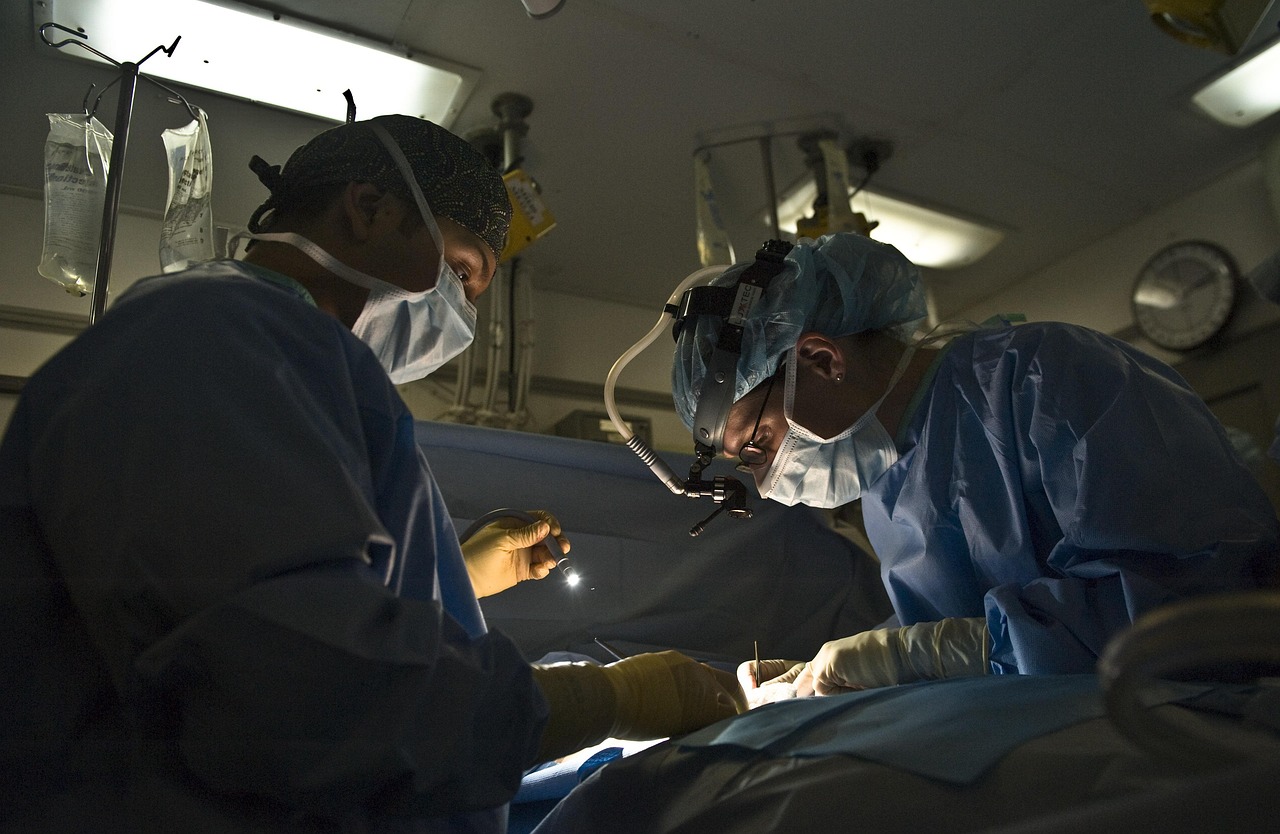
Facility Planning is the systematic process of determining the spatial, functional, and operational requirements of a health‑care organization before any construction or renovation begins. It involves forecasting patient volumes, service lines, and technology needs, then translating those forecasts into a physical layout that supports efficient care delivery. For example, a regional hospital anticipating a 20 percent increase in cardiac surgeries will allocate additional operating rooms, recovery suites, and imaging spaces during the planning phase. A common challenge in facility planning is balancing long‑term growth projections with current budget constraints; overly aggressive expansion can lead to under‑utilized space, while conservative estimates may cause capacity bottlenecks.
Space Programming follows facility planning and focuses on defining the exact square footage required for each department, service line, and support function. It captures the “what” and “how much” of space needs, often expressed in square meters per bed or per procedure. A practical application is the development of a program matrix that lists each clinical area, its required equipment, staffing ratios, and associated space. Challenges arise when clinical protocols evolve rapidly—for instance, the adoption of minimally invasive techniques may reduce the need for large postoperative wards but increase demand for specialized imaging suites, requiring frequent updates to the space program.
Functional Requirements describe the specific activities, equipment, and workflow patterns that each area of a facility must accommodate. They are derived from clinical pathways and operational standards. In an intensive care unit (ICU), functional requirements include bedside monitors, ventilators, medication pumps, and sufficient clearance for rapid response teams. The difficulty in defining functional requirements lies in capturing the nuanced interplay between technology and human factors; a poorly defined requirement can result in cramped workspaces that increase staff fatigue and error rates.
Evidence‑Based Design (EBD) is an approach that uses research findings to shape the physical environment in ways that improve patient outcomes, staff performance, and operational efficiency. Studies have shown that single‑patient rooms reduce infection rates, while access to natural light can shorten length of stay. A hospital implementing EBD might redesign a surgical suite to incorporate larger windows, adjustable lighting, and acoustic panels based on evidence linking these features to reduced postoperative pain. The main challenge is translating research into design specifications that are cost‑effective and align with existing building codes.
Patient Flow refers to the movement of patients through the health‑care system from entry to discharge. Optimizing patient flow minimizes wait times, reduces bottlenecks, and improves satisfaction. Tools such as discrete‑event simulation can model patient trajectories, identifying choke points like registration desks or imaging queues. For example, a clinic that experiences delays in radiology may redesign the layout to place the imaging department adjacent to the waiting area, thereby shortening transport distances. However, altering patient flow often requires coordination across multiple departments, and resistance can emerge if staff perceive changes as threats to established routines.
Lean Principles aim to eliminate waste and maximize value by focusing on activities that directly benefit the patient. In facility design, lean thinking encourages the creation of “one‑piece flow” layouts where patients and staff move along a continuous path without backtracking. A lean‑oriented operating room might feature a centralized supply core that reduces the distance nurses travel to retrieve instruments. Implementing lean can be challenging because it demands cultural change; staff accustomed to traditional siloed workflows may be skeptical of new spatial configurations.
Six Sigma is a data‑driven methodology that seeks to reduce variation and defects in processes, often measured as defects per million opportunities. In the context of health‑care facilities, Six Sigma can be applied to maintenance activities, such as reducing equipment downtime by standardizing preventive maintenance schedules. A hospital might use Six Sigma to analyze HVAC filter replacement intervals, identifying the optimal frequency that balances air quality with maintenance costs. The primary obstacle is the need for robust data collection systems and skilled analysts to interpret the results.
Healthcare Architecture encompasses the design principles, standards, and aesthetic considerations unique to medical environments. It integrates clinical needs, safety regulations, and therapeutic ambience. For instance, a pediatric hospital may employ bright colors, playful motifs, and child‑friendly furnishings to reduce anxiety. Architectural decisions must also address technical constraints, such as load‑bearing capacities for heavy imaging equipment. Architects often face the tension between creating a welcoming environment and meeting stringent infection control standards.
Modular Design involves constructing building components off‑site in standardized modules that are later assembled on the hospital campus. This method can accelerate project timelines and improve quality control. A modular inpatient wing might consist of pre‑fabricated patient rooms, each equipped with ceiling‑mounted medical gas lines that are connected during installation. Challenges include ensuring that modular units integrate seamlessly with existing building systems and that they comply with local code requirements, which may vary significantly between jurisdictions.
Adaptive Reuse is the practice of repurposing existing structures for health‑care functions, often to preserve historic buildings or reduce environmental impact. An old warehouse converted into an outpatient clinic can retain its industrial aesthetic while providing modern medical services. The main difficulty lies in retrofitting older buildings with contemporary mechanical, electrical, and plumbing (MEP) systems without compromising structural integrity or violating preservation guidelines.
Facility Management (FM) is the professional discipline responsible for the operation, maintenance, and optimization of health‑care buildings and their supporting services. FM teams oversee everything from cleaning and security to equipment calibration and energy consumption. A practical example is the implementation of a computerized maintenance management system (CMMS) that tracks work orders, schedules preventive maintenance, and records asset histories. FM must contend with competing priorities, such as maintaining high infection control standards while also managing cost pressures.
Preventive Maintenance (PM) is a scheduled set of activities designed to keep equipment and building systems operating at peak performance and to prevent unexpected failures. In a hospital, PM on MRI machines includes routine coil inspections and software updates. Effective PM programs rely on accurate asset inventories and manufacturer recommendations. The challenge is striking a balance between the downtime required for maintenance and the need for continuous patient services, especially for critical equipment with limited redundancy.
Asset Management refers to the systematic tracking, valuation, and lifecycle planning of all physical resources within a health‑care organization. It encompasses medical devices, furniture, IT infrastructure, and building components. An asset management strategy might employ RFID tags to monitor the location and usage rates of portable ultrasound units, enabling data‑driven decisions about redistribution or replacement. Common obstacles include data integrity issues, fragmented ownership responsibilities, and the complexity of integrating asset data across multiple enterprise systems.
Building Information Modeling (BIM) is a digital representation of the physical and functional characteristics of a facility, enabling collaborative design, construction, and operation. BIM models contain detailed information about walls, ducts, electrical conduits, and equipment specifications. For example, a BIM model can be used to run clash detection analyses, identifying conflicts between surgical lighting fixtures and ceiling‑mounted surgical booms before construction begins. Implementing BIM requires substantial upfront investment in software, training, and data standards, and organizations often struggle with change management during the transition.
Life Safety Codes are regulatory frameworks that dictate the minimum safety requirements for health‑care facilities, covering aspects such as fire protection, egress, and structural integrity. In the United States, the National Fire Protection Association (NFPA) 101 – Life Safety Code – is the primary reference. Compliance ensures that a hospital can safely evacuate patients, especially those with limited mobility, during emergencies. Maintaining compliance is an ongoing challenge, as facilities must regularly update fire alarm systems, signage, and stairwell capacities to meet evolving standards.
Joint Commission Standards are a set of accreditation criteria that health‑care organizations must meet to demonstrate quality and safety. The standards address environment of care, infection control, and emergency preparedness, among other domains. A hospital preparing for a Joint Commission survey might conduct a mock inspection of its operating rooms, verifying that all equipment is calibrated and that staff can demonstrate proper hand hygiene techniques. The difficulty lies in aligning day‑to‑day operations with the rigorous documentation and performance metrics required for accreditation.
Infection Control encompasses the policies, procedures, and design features intended to reduce the transmission of pathogens within health‑care settings. Architectural strategies include the use of negative pressure isolation rooms, antimicrobial surfaces, and dedicated airflow pathways for sterile areas. A practical application is the placement of hand‑rub dispensers at each bedside and corridor intersection to encourage compliance. Infection control design must constantly adapt to emerging threats, such as multidrug‑resistant organisms, which may necessitate retrofits or upgrades to existing ventilation systems.
HVAC (Heating, Ventilation, and Air Conditioning) systems are critical for maintaining indoor air quality, temperature, humidity, and pressure differentials that support patient safety and equipment performance. In an operating theater, HVAC must provide at least 20 air changes per hour with laminar flow to minimize airborne contamination. Designing HVAC for a health‑care facility involves complex calculations of airflow patterns, heat loads from equipment, and the impact of door openings on pressure stability. Challenges include integrating energy‑efficient technologies while preserving the stringent environmental controls required for sterile spaces.
HEPA Filtration (High Efficiency Particulate Air) removes at least 99.97 Percent of particles 0.3 Microns in size and is essential in areas where airborne infection control is paramount. HEPA filters are installed in isolation rooms, operating rooms, and certain laboratory spaces. A practical example is the use of portable HEPA units during construction to protect patients from dust‑borne contaminants. Maintaining filter performance requires regular inspection and replacement, and the cost of high‑grade filters can be a financial concern for budget‑constrained facilities.
Negative Pressure Rooms are designed to contain airborne contaminants by ensuring that air flows into the room from adjacent spaces and is exhausted directly to the outside or through specialized filtration. They are indispensable for isolating patients with tuberculosis or COVID‑19. Properly commissioning a negative pressure room involves verifying pressure differentials, airflow rates, and alarm systems. A common challenge is maintaining pressure stability when doors are frequently opened, which may require the installation of antechambers or automated door controls.
Cleanrooms are highly controlled environments where particulate levels are kept extremely low to protect sensitive medical processes, such as compounding sterile pharmaceuticals. Cleanrooms are classified by ISO standards (e.G., ISO 7, ISO 5) based on allowable particle counts. In a hospital pharmacy, a cleanroom may be equipped with gowning areas, air showers, and continuous monitoring of temperature, humidity, and particle concentration. The primary difficulty is ensuring ongoing compliance; any breach in protocol can compromise product sterility and lead to costly recalls.
Wayfinding refers to the methods and signage that help patients, visitors, and staff navigate complex health‑care facilities. Effective wayfinding combines clear visual cues, intuitive layout, and consistent naming conventions. For instance, color‑coded zones (e.G., Green for outpatient services, blue for inpatient wards) can reduce confusion in large campuses. Designing a wayfinding system must account for diverse user groups, including those with visual impairments, language barriers, or cognitive challenges, making universal design principles essential.
Universal Design is an inclusive design philosophy that creates environments usable by people of all ages and abilities without the need for adaptation. In health‑care facilities, universal design may manifest as adjustable-height exam tables, lever‑type door handles, and tactile flooring for the visually impaired. While universal design enhances accessibility, integrating these features into existing structures can be costly, especially when retrofitting older buildings that were not originally designed with accessibility in mind.
ADA Compliance (Americans with Disabilities Act) mandates that public facilities, including hospitals, provide equal access to individuals with disabilities. Compliance involves architectural elements such as wheelchair‑accessible ramps, wider doorways, and appropriately placed grab bars. A practical example is ensuring that all patient rooms have bathroom fixtures at a height that accommodates wheelchair users. Challenges arise when balancing ADA requirements with other regulatory standards, such as fire safety codes that may dictate specific egress configurations.
Sustainability in health‑care design focuses on reducing environmental impact while maintaining high standards of patient care. Strategies include energy‑efficient lighting, water‑saving fixtures, and the use of renewable materials. A hospital pursuing sustainability might install a solar array to offset a portion of its electricity demand, resulting in lower operating costs and a smaller carbon footprint. However, the initial capital outlay for green technologies can be a barrier, and decision‑makers must conduct thorough life‑cycle cost analyses to justify investments.
LEED Certification (Leadership in Energy and Environmental Design) is a globally recognized green building rating system that evaluates projects on criteria such as energy performance, indoor environmental quality, and materials selection. Health‑care projects pursuing LEED may target points for high‑efficiency HVAC systems, low‑emitting paints, and construction waste diversion. Achieving certification requires meticulous documentation and coordination among architects, engineers, and contractors, and the process can extend project timelines.
Energy Efficiency measures the ability of a facility to deliver required services while minimizing energy consumption. Techniques include variable air volume (VAV) controls, high‑efficiency chillers, and LED lighting with occupancy sensors. For example, installing daylight sensors that dim lights when sufficient natural light is present can reduce electricity usage by up to 30 percent in patient corridors. The challenge lies in integrating energy‑saving technologies without compromising critical functions like temperature control in operating rooms.
Green Building encompasses design, construction, and operation practices that reduce environmental impact, enhance occupant health, and promote resource conservation. In a health‑care context, green building may involve selecting low‑VOC (volatile organic compound) materials to improve indoor air quality, using reclaimed wood for patient furniture, and designing rooftop gardens for therapeutic purposes. Balancing green objectives with stringent health‑care regulations, such as infection control standards, often requires innovative solutions and close collaboration between clinical and sustainability teams.
Commissioning is the systematic process of verifying that building systems function according to design intent and meet performance criteria. It includes functional testing of HVAC, electrical, plumbing, and medical gas systems. A hospital commissioning team may conduct airflow measurements to confirm that operating rooms achieve the required air change rates. Commissioning challenges include coordinating multiple trades, managing documentation for each test, and ensuring that corrective actions are completed before occupancy.
Post‑Occupancy Evaluation (POE) assesses how well a building performs after it is occupied, focusing on user satisfaction, operational efficiency, and alignment with design goals. POE may involve surveys of staff and patients, analysis of energy data, and observation of workflow patterns. For instance, a POE might reveal that a newly constructed outpatient clinic experiences excessive noise levels in waiting areas, prompting the addition of acoustic panels. The difficulty in POE lies in collecting objective data and translating findings into actionable improvements.
Cost‑Benefit Analysis (CBA) is a financial tool that compares the projected costs of a project with its anticipated benefits, expressed in monetary terms. In facility design, CBA can evaluate the return on investment for installing a state‑of‑the‑art HVAC system that reduces energy costs by 15 percent. Benefits may also include intangible factors such as improved patient satisfaction, which can be quantified using willingness‑to‑pay metrics. Conducting a robust CBA requires accurate cost estimates, realistic benefit projections, and sensitivity analysis to account for uncertainties.
Return on Investment (ROI) measures the profitability of an investment by comparing net gains to the initial capital outlay. A hospital may calculate ROI for a new surgical suite by estimating revenue from additional procedures, reduced turnover time, and lower maintenance costs against construction expenses. While ROI provides a clear financial picture, it may overlook strategic benefits like enhanced reputation or compliance with emerging regulations, which are harder to quantify.
Risk Management in health‑care facilities involves identifying, assessing, and mitigating potential hazards that could affect patient safety, operational continuity, or financial performance. Risks may include equipment failure, natural disasters, or regulatory non‑compliance. A risk management plan might incorporate regular fire drills, equipment redundancy, and insurance coverage for catastrophic events. The main challenge is maintaining an up‑to‑date risk register as new technologies and threats emerge.
Business Continuity Planning (BCP) ensures that essential health‑care services can continue during and after disruptive events. BCP includes strategies such as backup power generators, alternate care sites, and data redundancy for electronic health records. For example, a hospital might designate an off‑site location as a temporary triage center in the event of a flood that renders the primary emergency department inaccessible. Implementing BCP requires cross‑functional coordination and regular testing to confirm that plans are effective.
Disaster Preparedness encompasses the policies, training, and infrastructure needed to respond to emergencies such as earthquakes, hurricanes, or pandemics. It involves establishing incident command structures, stockpiling essential supplies, and designing resilient building features like seismic bracing. A practical application is the creation of a secure shelter area within the hospital that can protect patients and staff during severe weather. Challenges include securing funding for preparedness measures that may not be used for many years, and ensuring staff remain proficient through ongoing drills.
Emergency Operations Center (EOC) is a centralized location within a health‑care organization where leadership monitors and coordinates response activities during a crisis. The EOC is equipped with communication systems, real‑time dashboards, and decision‑support tools. During a pandemic surge, the EOC might manage bed allocations, staff redeployment, and supply chain logistics. Establishing an effective EOC requires clear authority lines, robust technology infrastructure, and regular training exercises to avoid confusion during actual emergencies.
Telehealth Infrastructure comprises the hardware, software, and network components needed to deliver remote clinical services. It includes high‑definition video conferencing equipment, secure data pathways, and interoperable electronic health record (EHR) interfaces. A rural health clinic may invest in telehealth kiosks that allow patients to consult specialists without traveling long distances. The main challenges involve ensuring reliable broadband connectivity, meeting privacy regulations, and integrating telehealth workflows with existing clinical processes.
IT Integration refers to the seamless connection of information technology systems across clinical, administrative, and facility management domains. Integration enables real‑time data sharing, such as linking equipment maintenance schedules with the hospital’s asset management platform. For example, a smart HVAC system can transmit performance alerts directly to the CMMS, prompting immediate work orders. Barriers to IT integration include legacy systems that lack open APIs, data silos, and cybersecurity concerns that require rigorous protection measures.
Clinical Engineering is the discipline responsible for the acquisition, maintenance, and safe operation of medical equipment. Clinical engineers collaborate with manufacturers, conduct performance testing, and ensure compliance with standards like ISO 13485. A typical task is the validation of a new infusion pump to confirm that dosage calculations are accurate across all programmed settings. Clinical engineering faces challenges such as rapid technology turnover, budget constraints for equipment upgrades, and the need for specialized training to support increasingly complex devices.
Equipment Planning involves determining the type, quantity, and placement of medical devices required to support clinical services. It starts with a needs assessment based on service line projections and then moves to detailed layout drawings that consider space, power, and cooling requirements. An equipment plan for a radiology department might specify the number of CT scanners, their required floor load capacity, and the proximity to the radiology control room. The difficulty lies in forecasting future technological advances to avoid premature obsolescence.
Asset Tracking utilizes technologies such as RFID, barcode scanning, and GPS to monitor the location and status of equipment throughout a facility. Real‑time asset tracking can reduce loss, improve utilization rates, and support preventive maintenance scheduling. For instance, a hospital might track the movement of portable ventilators to ensure they are available where needed during a surge. Implementing asset tracking systems demands integration with existing IT platforms and staff training to adopt new workflows.
Lifecycle Management addresses the entire lifespan of an asset, from acquisition through disposal, emphasizing cost efficiency and performance optimization. Lifecycle management for a hospital’s MRI suite includes budgeting for initial purchase, periodic upgrades, energy consumption, and eventual decommissioning. A key challenge is aligning lifecycle planning with the institution’s strategic goals, especially when funding cycles and clinical priorities shift over time.
Space Utilization measures how effectively available square footage is used to support clinical and support activities. Techniques such as utilization studies, heat mapping, and occupancy sensors provide data on under‑used areas. A hospital may discover that a conference room is occupied only 10 percent of the time, prompting a repurposing into a flexible care space. Improving space utilization often requires change management to overcome resistance from departments accustomed to dedicated spaces.
Capacity Planning forecasts future demand for services and aligns it with available resources, including beds, staff, and equipment. Capacity planning models incorporate demographic trends, disease prevalence, and service line growth. A health system anticipating a rise in orthopedic procedures may plan for additional operating rooms and post‑acute rehabilitation spaces. The challenge is maintaining flexibility; over‑building can lead to idle capacity, while under‑building can cause access delays and revenue loss.
Patient‑Centered Design places the needs, preferences, and experiences of patients at the core of facility planning. Features such as private rooms, family lounges, and intuitive wayfinding contribute to a more humane environment. An example is incorporating bedside controls that allow patients to adjust lighting and temperature, enhancing comfort and autonomy. Implementing patient‑centered design can be costly and may conflict with space efficiency goals, requiring careful trade‑off analysis.
Healing Environment refers to design elements that promote physical and emotional recovery, such as natural light, views of nature, soothing colors, and acoustic control. Studies have shown that patients with access to gardens experience shorter lengths of stay and lower stress hormone levels. A practical application is installing floor‑to‑ceiling windows in patient rooms oriented toward a landscaped courtyard. Designers must balance aesthetic considerations with infection control and privacy requirements.
Noise Control involves strategies to reduce unwanted sound levels that can disturb patients and staff. Approaches include acoustic ceiling tiles, sound‑absorbing wall panels, and mechanical equipment isolation mounts. In a neonatal intensive care unit, maintaining low noise levels is critical to prevent stress in vulnerable infants. The difficulty lies in achieving adequate sound attenuation without compromising essential alarms and communication systems.
Lighting Design addresses the quantity, quality, and distribution of light to support clinical tasks, patient comfort, and energy efficiency. For surgical suites, high‑intensity, shadow‑free lighting is essential, while patient rooms benefit from adjustable, circadian‑aligned illumination. Implementing dynamic lighting systems that mimic natural daylight cycles can improve sleep patterns and mood. Challenges include integrating lighting controls with building automation systems and ensuring compliance with photometric standards for clinical tasks.
Ergonomics focuses on designing workspaces and equipment to fit the physical capabilities of users, reducing strain and injury risk. In a pharmacy, ergonomic workstations with adjustable countertop heights can decrease repetitive motion injuries among technicians. Ergonomic design must consider diverse staff populations, including varying heights, strengths, and mobility levels. The main obstacle is achieving ergonomic improvements without extensive remodeling, often requiring targeted interventions like equipment repositioning or the provision of assistive devices.
Staff Workflow describes the sequence of tasks performed by health‑care personnel to deliver care. Optimizing workflow reduces waste, improves patient throughput, and enhances job satisfaction. A workflow analysis might reveal that nurses spend excessive time walking between medication rooms and patient floors, suggesting the need for decentralized medication dispensing units. Implementing workflow changes can encounter resistance if staff perceive alterations as additional burdens or threats to established routines.
Staff Satisfaction is a key metric influencing retention, productivity, and quality of care. Facility design impacts satisfaction through factors like break room quality, lighting, acoustic comfort, and ease of navigation. A hospital that renovates its staff lounge to include comfortable seating, natural light, and a quiet zone may see reduced turnover rates. Measuring satisfaction often relies on surveys, which can be limited by response bias and may not capture the full impact of environmental changes.
Maintenance Management encompasses the planning, execution, and monitoring of upkeep activities to preserve facility functionality. Effective maintenance management uses preventive schedules, predictive analytics, and rapid response to unplanned failures. For example, predictive maintenance on chiller units can detect early signs of wear through vibration analysis, preventing costly breakdowns. Challenges include limited staffing, budget constraints, and ensuring that maintenance activities do not disrupt critical patient services.
Work Order System is a software platform that logs, tracks, and prioritizes maintenance and service requests. It enables facilities staff to assign tasks, monitor progress, and generate performance reports. A hospital may use a mobile app that allows nurses to submit work orders directly from patient rooms, speeding up response times. The difficulty often lies in achieving user adoption; staff must be trained to use the system consistently, and the platform must integrate with other enterprise tools.
Service Level Agreements (SLAs) are contractual commitments that define the expected performance standards between the facility management team and internal or external service providers. An SLA for cleaning services may stipulate a response time of 15 minutes for spill cleanup in high‑risk areas. Monitoring compliance with SLAs requires accurate performance metrics and regular review meetings. Negotiating realistic SLAs can be challenging when service providers face resource limitations or when expectations are not clearly defined.
Vendor Management involves overseeing relationships with suppliers of equipment, construction services, and facilities support. Effective vendor management ensures quality, timeliness, and cost‑effectiveness. A health‑care organization might implement a vendor scorecard that rates suppliers on delivery performance, product reliability, and compliance with regulatory standards. Challenges include managing a large and diverse supplier base, ensuring consistent communication, and mitigating risks associated with vendor insolvency or supply chain disruptions.
Regulatory Compliance requires adherence to laws, standards, and guidelines governing health‑care facilities, such as building codes, fire safety regulations, and health department mandates. Compliance activities include regular inspections, documentation, and corrective actions. For instance, a hospital must maintain up‑to‑date records of ventilation system testing to satisfy health department requirements. The complexity of regulatory compliance is heightened by overlapping jurisdictions and frequent updates to standards, demanding continuous monitoring and adaptation.
Accreditation Survey is a formal evaluation conducted by accrediting bodies to assess whether a facility meets established quality and safety criteria. Surveyors review documentation, observe practices, and interview staff. Preparation for an accreditation survey often involves mock drills, gap analyses, and corrective action plans. The challenge is ensuring that improvements made for the survey are sustainable and not merely temporary fixes that lapse after the survey concludes.
Quality Assurance (QA) is a systematic process of monitoring, evaluating, and enhancing the quality of facility operations and services. QA programs may include routine audits of housekeeping practices, equipment calibration checks, and patient satisfaction assessments. An example of QA in facility management is the implementation of a cleaning validation protocol that uses fluorescent markers to verify thoroughness. Maintaining a robust QA program requires dedicated resources, clear metrics, and a culture of continuous improvement.
Continuous Improvement embraces the ongoing pursuit of incremental enhancements in processes, outcomes, and environment. Tools such as Plan‑Do‑Study‑Act (PDSA) cycles enable facilities teams to test changes on a small scale before broader rollout. A hospital might pilot a new digital signage system to improve wayfinding, gather feedback, refine the content, and then expand the system campus‑wide. The main obstacle is sustaining momentum; without leadership support and visible results, improvement initiatives can lose priority.
Change Management addresses the human side of implementing new processes, technologies, or designs within a health‑care setting. It includes communication plans, stakeholder engagement, training, and resistance mitigation. When introducing a new electronic maintenance platform, change management activities might involve workshops for maintenance staff, regular updates on benefits, and a feedback channel to capture concerns. The challenge is aligning diverse stakeholder interests and ensuring that changes are perceived as beneficial rather than burdensome.
Stakeholder Engagement involves actively involving all parties affected by facility decisions, including clinicians, administrators, patients, and community members. Engaging stakeholders early can uncover valuable insights, such as a surgeon’s preference for a specific operating room layout that enhances ergonomics. Methods include focus groups, surveys, and design charrettes. A difficulty is balancing conflicting priorities; for example, patient preferences for private rooms may clash with financial constraints limiting the number of such spaces.
Project Management provides the framework for planning, executing, and closing construction or renovation initiatives, ensuring they meet scope, schedule, budget, and quality goals. Key components include work breakdown structures, critical path analysis, and risk registers. A hospital constructing a new emergency department will develop a detailed project plan that coordinates architects, contractors, clinical staff, and procurement. Common challenges include scope creep, unforeseen site conditions, and coordinating multiple stakeholders with differing expectations.
Design‑Bid‑Build is a traditional procurement method where design and construction phases are separate, with contractors bidding on a completed design. This approach offers clear accountability for design quality but can lead to longer timelines due to the sequential nature of the process. A hospital may use design‑bid‑build for a straightforward expansion, benefiting from competitive pricing. However, changes during construction can be costly, and there may be limited collaboration between designers and builders, potentially resulting in constructability issues.
Design‑Build integrates design and construction services under a single contract, fostering collaboration and reducing project duration. The design‑build team is responsible for both the architectural solution and its execution, enabling faster decision‑making and potentially lower costs. For a health‑care organization seeking rapid delivery of a new ambulatory clinic, design‑build can compress the schedule by overlapping design and site preparation. Challenges include ensuring that the design‑build entity possesses sufficient clinical expertise to meet health‑care specific requirements.
Integrated Project Delivery (IPD) is a collaborative project delivery method that brings together owners, architects, engineers, contractors, and key stakeholders early in the process, sharing risks and rewards. IPD promotes joint decision‑making, transparent cost tracking, and alignment of goals. In a large academic medical center undertaking a campus master‑plan, IPD can facilitate coordinated planning of multiple building programs, reducing duplication and enhancing overall functionality. The complexity of IPD lies in establishing clear contractual arrangements and governance structures that fairly allocate risk and reward among participants.
Construction Management focuses on overseeing the construction phase to ensure compliance with design intent, schedule adherence, and budget control. Construction managers coordinate subcontractors, monitor site safety, and resolve on‑site issues. For a hospital renovation, construction management may involve establishing a “hard hat zone” that restricts patient access to critical care areas while work proceeds. Managing construction in an active health‑care environment requires meticulous planning to minimize disruptions to patient care and maintain infection control standards.
Commissioning Phases typically include pre‑design, design, construction, and post‑occupancy phases, each with specific verification activities. During the design phase, commissioning engineers review drawings for compliance with performance criteria; during construction, they conduct field tests to confirm system operation. A hospital commissioning plan may outline acceptance testing for medical gas systems, ensuring pressure, flow, and purity meet standards before equipment installation. Coordinating commissioning across multiple phases demands rigorous documentation and communication among design, construction, and operations teams.
As‑Built Documentation captures the final configuration of building systems as they exist after construction, reflecting any changes made during the build. Accurate as‑built records are essential for maintenance, future renovations, and regulatory compliance. For example, an as‑built drawing of an operating room suite would detail the exact locations of ceiling-mounted booms, gas outlets, and electrical panels. Maintaining up‑to‑date as‑built documentation can be difficult when modifications occur after project closeout without systematic capture processes.
Facility Assessment evaluates the condition, performance, and suitability of existing health‑care buildings, identifying deficiencies and opportunities for improvement. Assessments may include structural inspections, energy audits, and compliance reviews. A facility assessment of an aging oncology center might reveal outdated HVAC filtration, insufficient electrical capacity for new treatment machines, and non‑compliant accessibility features. The challenge is prioritizing remediation actions within limited budgets while ensuring patient safety and continuity of care.
Gap Analysis compares current facility capabilities against desired future states, highlighting areas that need development or upgrade. In a gap analysis for a telemedicine expansion, a hospital might identify missing broadband capacity, insufficient private spaces for video consultations, and lack of integrated scheduling software. Conducting a thorough gap analysis requires input from clinical, IT, and facilities stakeholders to ensure all dimensions are considered. The difficulty lies in translating identified gaps into actionable, funded projects.
Facility Condition Index (FCI) is a metric that quantifies the relative condition of a building by dividing the cost of required repairs by the total replacement value. An FCI of 0.25 Indicates that 25 percent of the building’s value would be needed to bring it to optimal condition. Health‑care organizations use FCI to prioritize capital investments, focusing on facilities with the highest indices. Calculating accurate FCIs can be challenging due to the need for detailed condition surveys and reliable cost estimates for repairs and replacements.
Renovation involves upgrading or modifying existing spaces to meet new functional, regulatory, or aesthetic requirements. Renovations can range from simple cosmetic updates to extensive structural changes. A hospital may renovate its pediatric ward to incorporate family-friendly spaces, updated technology, and improved infection control measures. Renovation projects in active hospitals must carefully manage construction zones, noise, dust, and patient safety, often requiring phased work and temporary relocation of services.
Expansion adds new square footage or capacity to an existing health‑care campus, often to accommodate growing service lines or patient volumes. Expansion projects may involve constructing additional wings, adding new towers, or building satellite facilities. For example, a health system may expand its main campus with a new ambulatory surgery center to meet community demand for outpatient procedures. Expansion planning must consider site constraints, utility availability, and integration with existing circulation patterns to avoid creating disjointed or inefficient layouts.
Relocation refers to moving an entire department, service line, or facility to a new site, often driven by strategic realignment, space limitations, or market considerations. Relocating a cardiac catheterization lab may involve selecting a site with appropriate structural support for heavy imaging equipment and ensuring seamless patient transfer pathways. The challenges of relocation include coordinating the move of critical equipment, maintaining continuity of care, and managing stakeholder expectations throughout the transition.
Decommissioning is the systematic process of retiring a health‑care facility or specific areas within a building, ensuring safe disposal of equipment, hazardous materials, and compliance with environmental regulations. Decommissioning a legacy inpatient building may involve asbestos abatement, removal of medical gases, and proper recycling of reusable materials. A major difficulty is balancing cost containment with environmental stewardship, as decommissioning can generate significant waste that must be handled responsibly.
Life‑Cycle Costing (LCC) evaluates the total cost of ownership of a facility component over its useful life, including acquisition, operation, maintenance, and disposal expenses. LCC enables decision‑makers to compare alternatives based on long‑term financial impact rather than upfront price alone. For instance, selecting a high‑efficiency chiller may involve higher initial costs but lower energy and maintenance expenses, resulting in a favorable LCC. Accurate LCC requires reliable data on future energy prices, maintenance intervals, and discount rates, which can be uncertain.
Greenhouse Gas (GHG) Reporting tracks the emissions associated with a health‑care facility’s energy consumption, waste generation, and transportation. Hospitals may report GHG emissions to meet sustainability goals or comply with regional environmental regulations. Implementing a GHG reduction program could involve upgrading lighting to LEDs, optimizing HVAC setpoints, and encouraging car‑pooling among staff. The challenge lies in establishing consistent measurement methodologies and integrating emission data into broader organizational performance dashboards.
Key takeaways
- A common challenge in facility planning is balancing long‑term growth projections with current budget constraints; overly aggressive expansion can lead to under‑utilized space, while conservative estimates may cause capacity bottlenecks.
- Space Programming follows facility planning and focuses on defining the exact square footage required for each department, service line, and support function.
- The difficulty in defining functional requirements lies in capturing the nuanced interplay between technology and human factors; a poorly defined requirement can result in cramped workspaces that increase staff fatigue and error rates.
- A hospital implementing EBD might redesign a surgical suite to incorporate larger windows, adjustable lighting, and acoustic panels based on evidence linking these features to reduced postoperative pain.
- For example, a clinic that experiences delays in radiology may redesign the layout to place the imaging department adjacent to the waiting area, thereby shortening transport distances.
- Implementing lean can be challenging because it demands cultural change; staff accustomed to traditional siloed workflows may be skeptical of new spatial configurations.
- In the context of health‑care facilities, Six Sigma can be applied to maintenance activities, such as reducing equipment downtime by standardizing preventive maintenance schedules.