
Unit 5: Autonomous Robots and Drones in Logistics
Autonomous robots and drones are becoming increasingly important in the field of logistics and supply chain management. In this explanation, we will discuss some of the key terms and vocabulary related to Unit 5 of the Professional Certific…
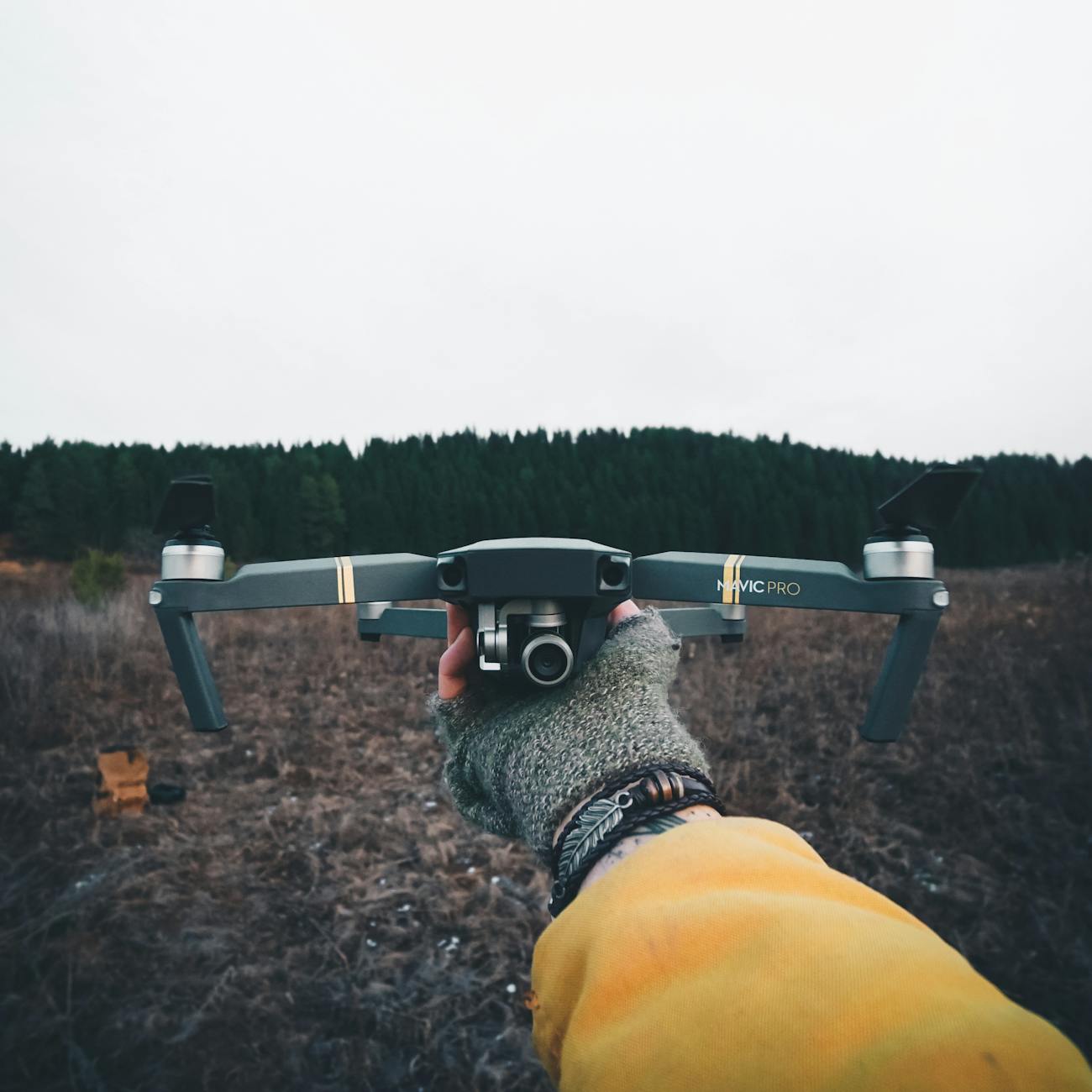
Autonomous robots and drones are becoming increasingly important in the field of logistics and supply chain management. In this explanation, we will discuss some of the key terms and vocabulary related to Unit 5 of the Professional Certificate in AI Applications in Logistics and Supply Chain Management.
1. Autonomous robots: Autonomous robots are machines that can perform tasks without human intervention. They are equipped with sensors, cameras, and other technologies that allow them to navigate their environment, make decisions, and complete tasks. In logistics and supply chain management, autonomous robots can be used for tasks such as material handling, inventory management, and transportation. 2. Drones: Drones, also known as unmanned aerial vehicles (UAVs), are aircraft that can fly without a human pilot on board. They can be controlled remotely or programmed to fly autonomously. In logistics and supply chain management, drones can be used for tasks such as transportation, inspection, and delivery. 3. Artificial intelligence (AI): AI refers to the ability of machines to perform tasks that would normally require human intelligence, such as perception, reasoning, and learning. AI is used in autonomous robots and drones to enable them to navigate their environment, make decisions, and complete tasks. 4. Machine learning (ML): ML is a subset of AI that involves training machines to learn from data. In autonomous robots and drones, ML can be used to enable the machines to recognize objects, navigate their environment, and make decisions. 5. Computer vision: Computer vision is the ability of machines to interpret and understand visual information from their environment. In autonomous robots and drones, computer vision can be used to enable the machines to recognize objects, navigate their environment, and make decisions. 6. Sensors: Sensors are devices that detect and measure physical phenomena such as temperature, light, and motion. In autonomous robots and drones, sensors are used to enable the machines to navigate their environment, make decisions, and complete tasks. 7. Navigation: Navigation refers to the ability of autonomous robots and drones to move through their environment. This can involve mapping the environment, avoiding obstacles, and planning a path to a destination. 8. Object recognition: Object recognition is the ability of autonomous robots and drones to identify and classify objects in their environment. This can involve using computer vision and machine learning techniques to analyze visual data. 9. Decision-making: Decision-making refers to the ability of autonomous robots and drones to make choices based on their environment and their goals. This can involve using AI and ML techniques to analyze data and make decisions. 10. Swarm robotics: Swarm robotics is a field of study that focuses on the behavior of groups of autonomous robots. In logistics and supply chain management, swarm robotics can be used to enable groups of robots to work together to complete tasks such as transportation and delivery. 11. Autonomous mobile robots (AMRs): AMRs are autonomous robots that are designed for movement. They can navigate their environment, avoid obstacles, and make decisions. In logistics and supply chain management, AMRs can be used for tasks such as material handling, inventory management, and transportation. 12. Autonomous guided vehicles (AGVs): AGVs are autonomous vehicles that are guided by a pre-defined path. They can be used for tasks such as transportation and delivery. 13. Last mile delivery: Last mile delivery refers to the final leg of a delivery, from a transportation hub to the final destination. In logistics and supply chain management, drones and autonomous robots can be used for last mile delivery to improve efficiency and reduce costs. 14. Obstacle detection and avoidance: Obstacle detection and avoidance is the ability of autonomous robots and drones to detect and avoid obstacles in their environment. This can involve using sensors and computer vision techniques. 15. SLAM (Simultaneous Localization and Mapping): SLAM is a technique used by autonomous robots and drones to map their environment and locate themselves within that environment. This can involve using sensors and computer vision techniques. 16. Fleet management: Fleet management refers to the management of a group of vehicles or robots. In logistics and supply chain management, fleet management can be used to optimize the use of autonomous robots and drones for tasks such as transportation and delivery. 17. Autonomous ground vehicles (AGVs): AGVs are autonomous vehicles that operate on the ground. They can be used for tasks such as transportation and delivery. 18. Autonomous aerial vehicles (AAVs): AAVs are autonomous vehicles that operate in the air. They can be used for tasks such as inspection, delivery, and transportation. 19. UTMs (Unmanned Traffic Management systems): UTMs are systems used to manage the air traffic of drones and other unmanned aerial vehicles. They can be used to ensure safe and efficient operation of autonomous aerial vehicles in the airspace. 20. Autonomous systems: Autonomous systems are machines that can operate without human intervention. They can be used in a variety of applications, including logistics and supply chain management.
Autonomous robots and drones have the potential to revolutionize logistics and supply chain management. They can be used for tasks such as material handling, inventory management, transportation, inspection, and delivery. Autonomous robots and drones use technologies such as AI, ML, computer vision, sensors, and navigation to complete these tasks. They can also be used in swarms to work together to complete tasks more efficiently. Fleet management can be used to optimize the use of autonomous robots and drones for tasks such as transportation and delivery.
There are several challenges to using autonomous robots and drones in logistics and supply chain management. These include safety concerns, regulatory issues, and the need for accurate mapping and navigation. However, as technology continues to advance, these challenges are being addressed, and autonomous robots and drones are becoming increasingly common in the logistics and supply chain industry.
Examples of autonomous robots and drones in logistics and supply chain management include:
* Autonomous mobile robots (AMRs) for material handling and inventory management in warehouses * Autonomous guided vehicles (AGVs) for transportation and delivery in factories and warehouses * Drones for last mile delivery in urban areas * Autonomous aerial vehicles (AAVs) for inspection of infrastructure such as bridges and power lines * Autonomous ground vehicles (AGVs) for transportation and delivery in factories and warehouses
In conclusion, autonomous robots and drones are becoming increasingly important in the field of logistics and supply chain management. They can be used for a variety of tasks, from material handling and inventory management to transportation and delivery. By using technologies such as AI, ML, computer vision, sensors, and navigation, autonomous robots and drones can complete tasks more efficiently and accurately than traditional methods. As technology continues to advance, we can expect to see even more widespread use of autonomous robots and drones in logistics and supply chain management.
Key takeaways
- In this explanation, we will discuss some of the key terms and vocabulary related to Unit 5 of the Professional Certificate in AI Applications in Logistics and Supply Chain Management.
- Artificial intelligence (AI): AI refers to the ability of machines to perform tasks that would normally require human intelligence, such as perception, reasoning, and learning.
- Autonomous robots and drones use technologies such as AI, ML, computer vision, sensors, and navigation to complete these tasks.
- However, as technology continues to advance, these challenges are being addressed, and autonomous robots and drones are becoming increasingly common in the logistics and supply chain industry.
- By using technologies such as AI, ML, computer vision, sensors, and navigation, autonomous robots and drones can complete tasks more efficiently and accurately than traditional methods.