
Advanced LNG Fundamentals
Liquefied Natural Gas (LNG) is natural gas that has been cooled to a liquid state, at about -162°C (-260°F), for ease of storage or transport. It is a clear, colorless, non-toxic, and non-corrosive liquid. The LNG industry uses specific ter…
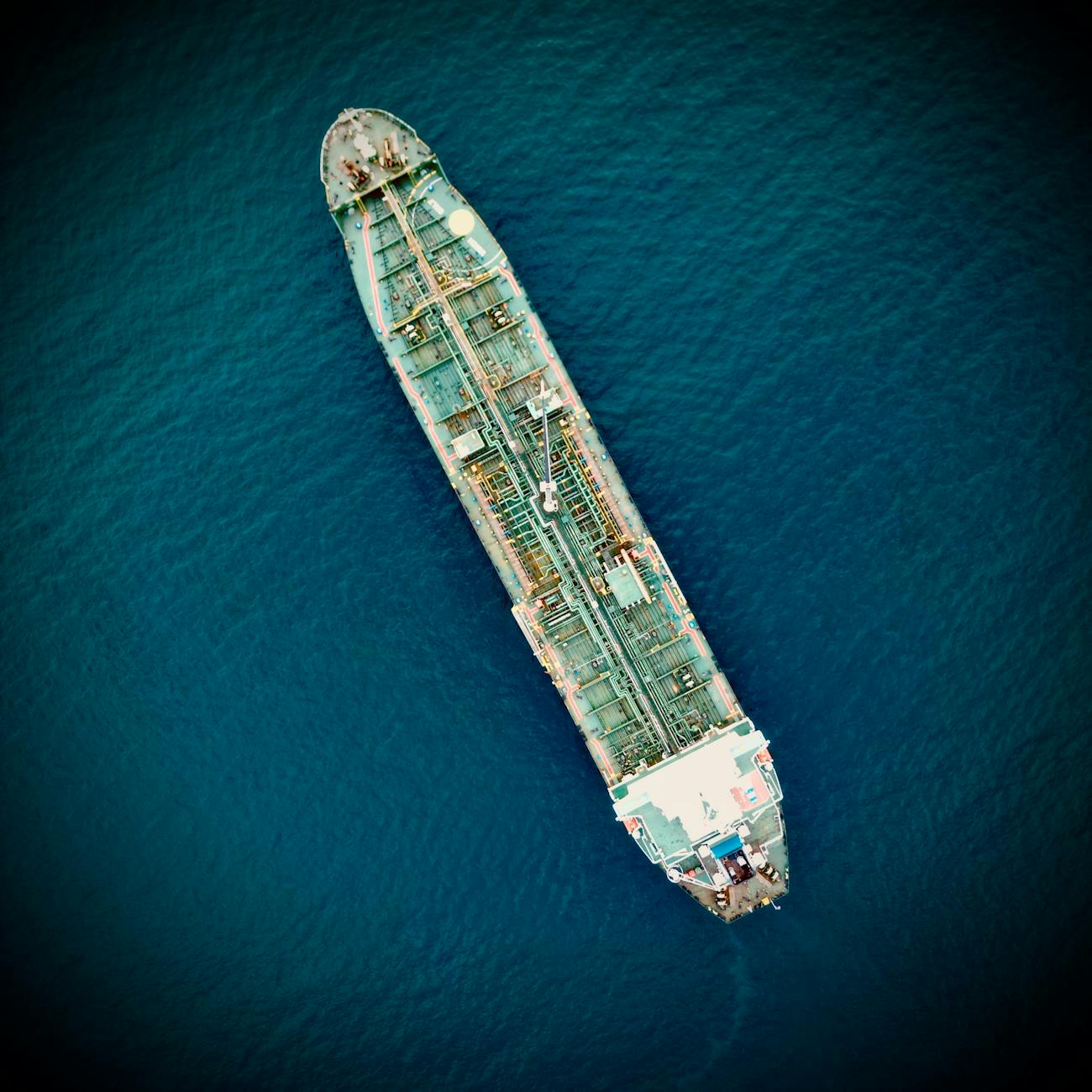
Liquefied Natural Gas (LNG) is natural gas that has been cooled to a liquid state, at about -162°C (-260°F), for ease of storage or transport. It is a clear, colorless, non-toxic, and non-corrosive liquid. The LNG industry uses specific terminology and vocabulary to describe various aspects of LNG, from production to regasification. This explanation focuses on key terms and vocabulary for Advanced LNG Fundamentals in the course Advanced Skill Certificate in LNG Engineering and Design.
1. Liquefaction: The process of converting natural gas into LNG by cooling it to its liquid state. 2. Regasification: The process of converting LNG back into natural gas by heating it. 3. Natural Gas: A mixture of hydrocarbon gases, mainly methane, occurring naturally in the earth. 4. Boil-off Gas (BOG): Gas that boils off from LNG due to a rise in temperature or decrease in pressure. 5. LNG Terminal: A facility for receiving, storing, and regasifying LNG. 6. LNG Carrier: A ship designed to transport LNG in its liquid state. 7. Spatial cooling: A method of cooling natural gas by expanding it through a valve, reducing its temperature due to the Joule-Thomson effect. 8. Refrigeration cycle: A method of cooling natural gas by using a refrigerant, which absorbs heat from the natural gas and releases it elsewhere. 9. Propane pre-cooling: A process that uses propane as a refrigerant to cool natural gas before it enters the main refrigeration cycle. 10. Mixed refrigerant cycle: A refrigeration cycle that uses a mixture of refrigerants to cool natural gas. 11. Cascade cycle: A refrigeration cycle that uses multiple stages of refrigeration, each with a different refrigerant, to cool natural gas. 12. Peak shaving: The use of LNG as a fuel during periods of high demand to supplement natural gas supplies. 13. Base load: The minimum amount of natural gas required to meet constant demand. 14. LNG Storage: The storage of LNG in insulated tanks to maintain its liquid state. 15. Full containment tank: A type of LNG storage tank that consists of an inner tank surrounded by an outer tank for additional insulation and protection. 16. Membrane tank: A type of LNG storage tank that consists of a thin, flexible inner tank surrounded by a rigid outer tank for support. 17. Spherical tank: A type of LNG storage tank that is shaped like a sphere, providing a large volume for LNG storage. 18. LNG Transfer: The process of transferring LNG from one vessel or tank to another. 19. Ship-to-ship transfer: The transfer of LNG from one ship to another while at sea. 20. Ship-to-shore transfer: The transfer of LNG from a ship to an onshore storage facility. 21. Boil-off management: The process of managing BOG to prevent overpressure in LNG tanks or vessels. 22. Reliquefaction: The process of converting BOG back into LNG by cooling it. 23. LNG Fueling: The use of LNG as a fuel for vehicles or ships. 24. LNG Truck: A truck designed to transport LNG as a fuel. 25. LNG bunkering: The process of transferring LNG from a ship or shore facility to a vessel as fuel. 26. Flash point: The temperature at which a liquid produces enough vapor to ignite. 27. Auto-ignition temperature: The minimum temperature at which a substance will ignite without a spark or flame. 28. Vapor pressure: The pressure exerted by a vapor in equilibrium with its liquid at a given temperature. 29. Heat of vaporization: The amount of heat required to change a liquid into a gas at a constant temperature. 30. Cryogenic temperature: A temperature below -150°C (-238°F).
Advanced LNG Fundamentals in the course Advanced Skill Certificate in LNG Engineering and Design involves a deep understanding of the above terms and vocabulary. For example, the refrigeration cycle is a critical component of LNG liquefaction. The most common refrigeration cycle used in LNG liquefaction is the mixed refrigerant cycle. In this cycle, a mixture of refrigerants is used to cool natural gas in multiple stages. The first stage uses propane as a refrigerant to pre-cool the natural gas. The second stage uses a mixture of refrigerants, such as methane, ethane, and propane, to further cool the natural gas. The third stage uses a mixture of refrigerants, such as methane and nitrogen, to achieve the final liquefaction temperature.
LNG storage is another critical aspect of LNG fundamentals. LNG is stored in insulated tanks to maintain its liquid state. The three main types of LNG storage tanks are full containment, membrane, and spherical tanks. Full containment tanks have an inner tank that contains the LNG and an outer tank that provides additional insulation and protection. Membrane tanks have a thin, flexible inner tank surrounded by a rigid outer tank for support. Spherical tanks are shaped like a sphere, providing a large volume for LNG storage.
LNG transfer is the process of transferring LNG from one vessel or tank to another. There are two main types of LNG transfer: ship-to-ship transfer and ship-to-shore transfer. Ship-to-ship transfer involves the transfer of LNG from one ship to another while at sea. Ship-to-shore transfer involves the transfer of LNG from a ship to an onshore storage facility. LNG transfer requires careful management of BOG to prevent overpressure in LNG tanks or vessels.
LNG fueling is the use of LNG as a fuel for vehicles or ships. LNG fueling requires specialized fueling infrastructure, including LNG storage tanks and fueling stations. LNG fueling is becoming increasingly popular due to its environmental benefits, such as lower emissions and reduced greenhouse gas footprint.
Flash point, auto-ignition temperature, vapor pressure, heat of vaporization, and cryogenic temperature are important safety considerations in LNG fundamentals. LNG has a low flash point, meaning it can ignite at low temperatures. It also has a high auto-ignition temperature, meaning it requires a high temperature to ignite without a spark or flame. LNG has a low vapor pressure, meaning it exerts low pressure as a vapor. It has a high heat of vaporization, meaning it requires a large amount of heat to change from a liquid to a gas. LNG is stored and transported at cryogenic temperatures, requiring specialized materials and equipment.
In summary, Advanced LNG Fundamentals in the course Advanced Skill Certificate in LNG Engineering and Design involves a deep understanding of key terms and vocabulary, including liquefaction, regasification, natural gas, BOG, LNG terminal, LNG carrier, spatial cooling, refrigeration cycle, propane pre-cooling, mixed refrigerant cycle, cascade cycle, peak shaving, base load, LNG storage, full containment tank, membrane tank, spherical tank, LNG transfer, ship-to-ship transfer, ship-to-shore transfer, boil-off management, reliquefaction, LNG fueling, LNG truck, LNG bunkering, flash point, auto-ignition temperature, vapor pressure, heat of vaporization, and cryogenic temperature. A comprehensive understanding of these terms and vocabulary is essential for successful LNG engineering and design.
Key takeaways
- This explanation focuses on key terms and vocabulary for Advanced LNG Fundamentals in the course Advanced Skill Certificate in LNG Engineering and Design.
- Full containment tank: A type of LNG storage tank that consists of an inner tank surrounded by an outer tank for additional insulation and protection.
- Advanced LNG Fundamentals in the course Advanced Skill Certificate in LNG Engineering and Design involves a deep understanding of the above terms and vocabulary.
- Full containment tanks have an inner tank that contains the LNG and an outer tank that provides additional insulation and protection.
- LNG transfer requires careful management of BOG to prevent overpressure in LNG tanks or vessels.
- LNG fueling is becoming increasingly popular due to its environmental benefits, such as lower emissions and reduced greenhouse gas footprint.
- Flash point, auto-ignition temperature, vapor pressure, heat of vaporization, and cryogenic temperature are important safety considerations in LNG fundamentals.