
Unit 4: Cultural Mediation and Tools of the Mind
Cultural Mediation ----------------
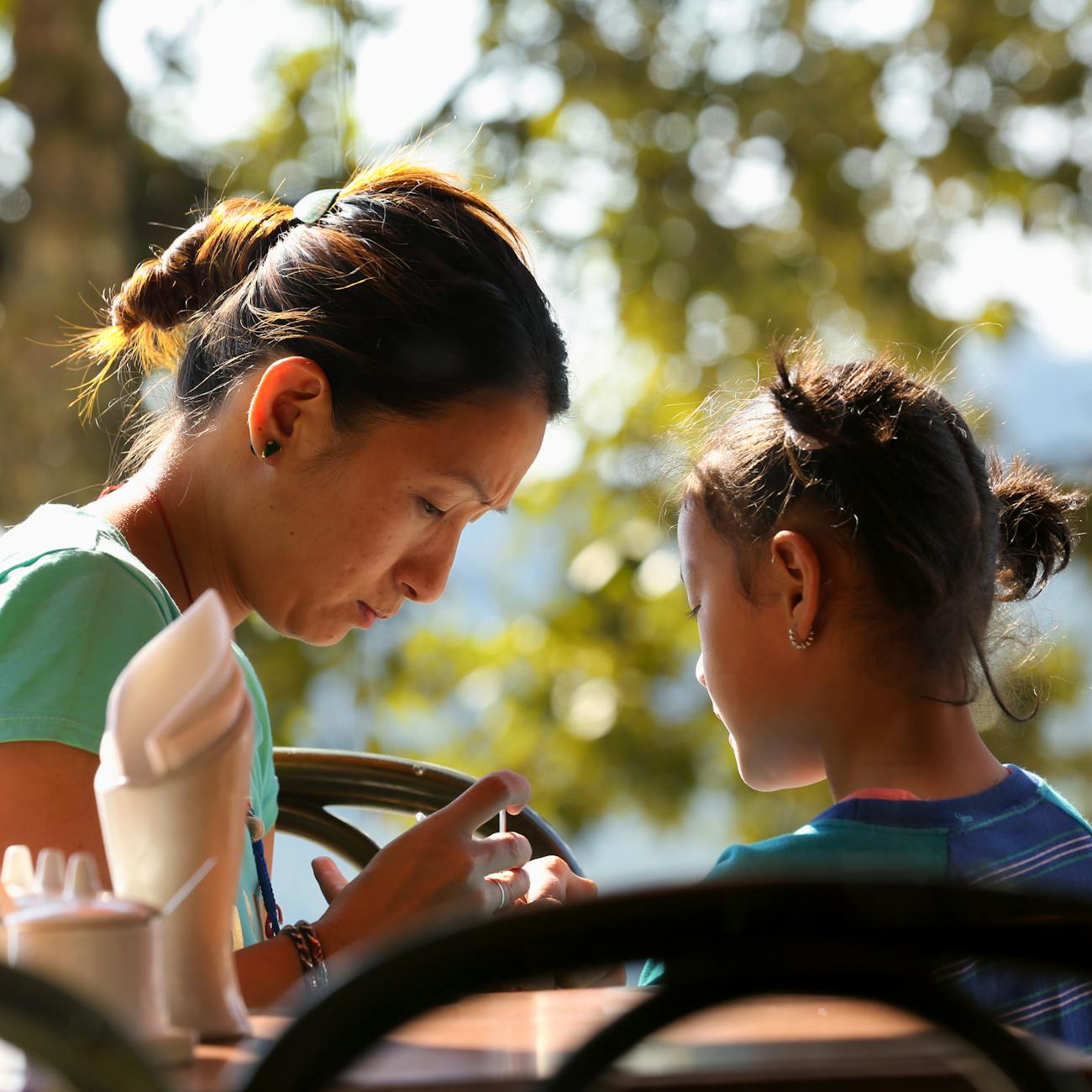
Cultural Mediation ----------------
Cultural mediation is a fundamental concept in Vygotsky's sociocultural theory, which refers to the process by which cultural artifacts, practices, and symbols mediate human behavior, cognition, and development. Cultural mediation highlights the role of culture in shaping human experience and underscores the importance of understanding the cultural context in which learning and development occur.
Cultural artifacts are tools, symbols, and practices that have been created and used by a particular cultural group. These artifacts mediate human activity by providing a means of organizing and structuring behavior, as well as by shaping the ways in which individuals perceive and understand the world around them. For example, writing systems, calendars, and maps are all cultural artifacts that mediate human behavior and cognition in significant ways.
Cultural practices are patterns of behavior that are shared by members of a cultural group. These practices include customs, rituals, and traditions that are passed down from generation to generation and that shape the ways in which individuals interact with one another and with their environment. For example, the practice of sharing meals together as a family is a cultural practice that mediates social relationships and fosters a sense of community and belonging.
Cultural symbols are signs, gestures, and other forms of communication that convey meaning within a cultural group. These symbols include language, gestures, and other forms of nonverbal communication that are used to express ideas, emotions, and values. For example, the thumbs-up gesture is a cultural symbol that conveys approval or agreement in many Western cultures.
The process of cultural mediation is dynamic and reciprocal, meaning that cultural artifacts, practices, and symbols shape human behavior and cognition, while human behavior and cognition also shape cultural artifacts, practices, and symbols. This dynamic process is at the heart of Vygotsky's sociocultural theory and underscores the importance of understanding the cultural context in which learning and development occur.
Tools of the Mind -----------------
Tools of the Mind is an educational program that is based on Vygotsky's sociocultural theory and that emphasizes the use of cultural artifacts, practices, and symbols to support children's cognitive and socioemotional development. The program is designed to promote children's self-regulation, problem-solving, and collaboration skills by providing them with a variety of tools and activities that are grounded in the cultural context of their learning environment.
Tools of the Mind uses a variety of cultural artifacts, including writing tools, drawing materials, and manipulatives, to support children's cognitive development. For example, the program provides children with specially designed writing tools, such as pencils with ergonomic grips, to support their fine motor skills and to help them develop a comfortable and efficient writing posture. The program also provides children with drawing materials, such as crayons and markers, to support their creativity and to help them express their ideas and emotions through art.
Tools of the Mind also emphasizes the importance of cultural practices in supporting children's socioemotional development. For example, the program promotes the use of routines and rituals, such as greeting each other at the beginning of the day and saying goodbye at the end of the day, to help children develop a sense of structure and predictability in their learning environment. The program also encourages children to engage in collaborative activities, such as group projects and peer tutoring, to help them develop social skills and to foster a sense of community and belonging.
Finally, Tools of the Mind uses a variety of cultural symbols, including language, gestures, and other forms of communication, to support children's cognitive and socioemotional development. For example, the program teaches children to use gestures, such as pointing and nodding, to support their communication skills and to help them express their ideas and emotions more effectively. The program also emphasizes the importance of using language to mediate children's thinking and problem-solving processes, encouraging them to use language to describe their thoughts, to ask questions, and to seek help when needed.
Practical Applications and Challenges -----------------------------------
Cultural mediation and Tools of the Mind have important implications for educators, parents, and policymakers who are interested in supporting children's cognitive and socioemotional development. By understanding the role of cultural artifacts, practices, and symbols in shaping human behavior and cognition, educators and parents can create learning environments that are more responsive to the needs and interests of children. For example, they can provide children with a variety of cultural artifacts, such as writing tools and drawing materials, to support their cognitive development. They can also engage children in cultural practices, such as routines and rituals, to support their socioemotional development.
However, implementing cultural mediation and Tools of the Mind can also present challenges. For example, creating a learning environment that is responsive to the cultural backgrounds and experiences of all children can be difficult, particularly in contexts where there is significant cultural diversity. Educators and parents may need to be sensitive to the cultural backgrounds of children and to provide them with cultural artifacts, practices, and symbols that are relevant and meaningful to their lives.
Another challenge is ensuring that cultural mediation and Tools of the Mind are implemented in a way that is equitable and inclusive. For example, providing children with access to cultural artifacts, practices, and symbols that are associated with dominant cultural groups can perpetuate existing power dynamics and reinforce social inequalities. Educators and parents must be mindful of these issues and work to create learning environments that are inclusive and equitable for all children.
Conclusion ----------
Cultural mediation and Tools of the Mind are important concepts in Vygotsky's sociocultural theory that highlight the role of culture in shaping human behavior, cognition, and development. By understanding the ways in which cultural artifacts, practices, and symbols mediate human activity, educators, parents, and policymakers can create learning environments that are more responsive to the needs and interests of children. However, implementing cultural mediation and Tools of the Mind also presents challenges, particularly in contexts where there is significant cultural diversity or where there are concerns about equity and inclusion. Addressing these challenges will require ongoing effort and commitment from all stakeholders.
In this explanation, we have provided detailed definitions and examples of key terms and concepts related to cultural mediation and Tools of the Mind. We have also discussed practical applications and challenges associated with implementing these concepts in educational settings. By understanding the fundamental principles of cultural mediation and Tools of the Mind, educators, parents, and policymakers can create learning environments that support children's cognitive and socioemotional development in meaningful and effective ways.
Key takeaways
- Cultural mediation is a fundamental concept in Vygotsky's sociocultural theory, which refers to the process by which cultural artifacts, practices, and symbols mediate human behavior, cognition, and development.
- These artifacts mediate human activity by providing a means of organizing and structuring behavior, as well as by shaping the ways in which individuals perceive and understand the world around them.
- These practices include customs, rituals, and traditions that are passed down from generation to generation and that shape the ways in which individuals interact with one another and with their environment.
- These symbols include language, gestures, and other forms of nonverbal communication that are used to express ideas, emotions, and values.
- This dynamic process is at the heart of Vygotsky's sociocultural theory and underscores the importance of understanding the cultural context in which learning and development occur.
- The program is designed to promote children's self-regulation, problem-solving, and collaboration skills by providing them with a variety of tools and activities that are grounded in the cultural context of their learning environment.
- For example, the program provides children with specially designed writing tools, such as pencils with ergonomic grips, to support their fine motor skills and to help them develop a comfortable and efficient writing posture.