
Unit 2: Spa Operations and Management
Spa Operations and Management is a crucial unit in the Professional Certificate in Strategic Spa Management in Hospitality. This unit covers key terms and vocabulary that are essential for anyone looking to succeed in the spa industry. In t…
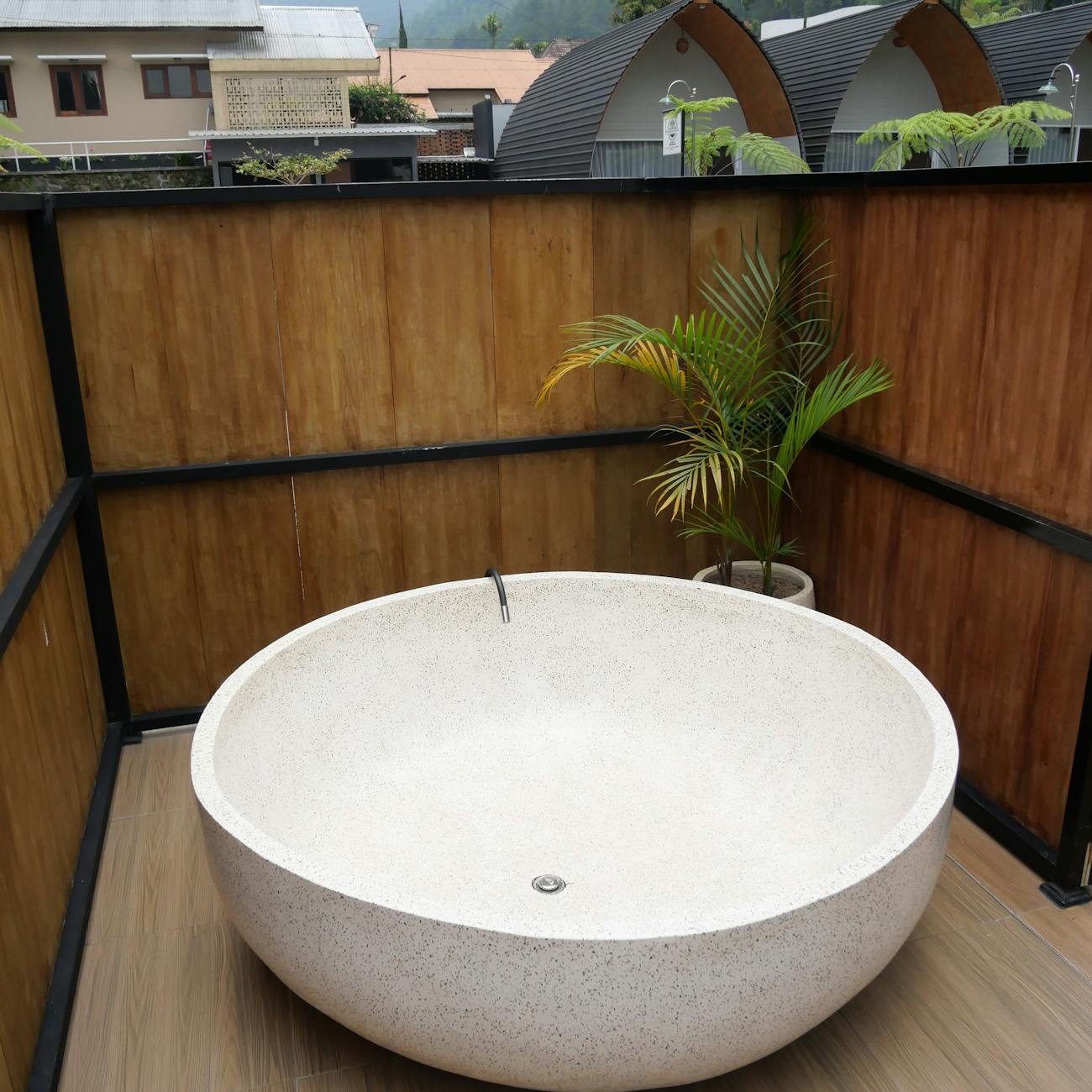
Spa Operations and Management is a crucial unit in the Professional Certificate in Strategic Spa Management in Hospitality. This unit covers key terms and vocabulary that are essential for anyone looking to succeed in the spa industry. In this explanation, we will discuss some of the most important terms and concepts in spa operations and management.
1. Spa Operations
Spa operations refer to the day-to-day activities and processes that are necessary to keep a spa running smoothly. This includes managing staff, scheduling appointments, maintaining equipment, and ensuring that guests have a positive experience. Spa operations also involve managing inventory, handling financial transactions, and maintaining cleanliness and hygiene standards.
2. Spa Management
Spa management is the process of overseeing all aspects of a spa's operations. This includes developing and implementing policies and procedures, setting goals and objectives, and ensuring that the spa is meeting its financial and operational targets. Spa managers are responsible for hiring and training staff, managing budgets, and developing marketing strategies.
3. Spa Services
Spa services refer to the various treatments and therapies that are offered at a spa. This can include massages, facials, body treatments, and hydrotherapy. Spa services may also include hair and nail care, makeup application, and other beauty treatments. Spa services are designed to help guests relax, rejuvenate, and improve their overall well-being.
4. Spa Equipment
Spa equipment includes all of the tools and devices that are used to provide spa services. This can include massage tables, facial steamers, hydrotherapy tubs, and aromatherapy diffusers. Spa equipment must be maintained in good working order to ensure the safety and comfort of guests.
5. Spa Software
Spa software is a type of software that is designed specifically for use in spas. This software can help spas manage appointments, client records, inventory, and financial transactions. Spa software can also provide tools for marketing, scheduling, and reporting.
6. Spa Etiquette
Spa etiquette refers to the set of rules and expectations that govern behavior in a spa. This includes rules regarding hygiene, punctuality, and privacy. Spa etiquette is designed to ensure that all guests have a positive and relaxing experience.
7. Spa Policies
Spa policies are the rules and guidelines that govern how a spa operates. This can include policies regarding cancellations, refunds, and reservations. Spa policies are designed to ensure that the spa runs smoothly and efficiently.
8. Spa Procedures
Spa procedures are the step-by-step instructions for performing spa services. This includes procedures for massages, facials, and other treatments. Spa procedures are designed to ensure that all services are provided consistently and in a safe and effective manner.
9. Spa Menus
A spa menu is a list of the services and treatments that are offered at a spa. Spa menus typically include descriptions of each service, as well as pricing information. Spa menus may also include information about the spa's facilities, hours of operation, and policies.
10. Spa Products
Spa products are the various lotions, creams, and other products that are used in spa services. Spa products may include ingredients such as essential oils, herbs, and minerals. Spa products are designed to promote relaxation, rejuvenation, and well-being.
11. Spa Marketing
Spa marketing is the process of promoting a spa's services and facilities to potential guests. This can include advertising, public relations, and social media marketing. Spa marketing is designed to attract new guests and retain existing ones.
12. Spa Revenue Management
Spa revenue management is the process of maximizing revenue from spa services and facilities. This can include pricing strategies, inventory management, and promotional campaigns. Spa revenue management is designed to ensure that the spa is profitable and financially sustainable.
13. Spa Human Resources
Spa human resources is the process of managing the spa's staff and workforce. This can include hiring, training, and evaluating employees. Spa human resources is designed to ensure that the spa has a skilled and motivated workforce.
14. Spa Facilities
Spa facilities are the physical spaces and equipment that are used to provide spa services. This can include treatment rooms, hydrotherapy areas, and relaxation spaces. Spa facilities must be designed to promote relaxation, comfort, and safety.
15. Spa Design
Spa design is the process of creating the physical spaces and layouts of a spa. This can include the selection of colors, materials, and finishes. Spa design is designed to create an appealing and relaxing environment for guests.
16. Spa Operations Manual
A spa operations manual is a document that outlines the policies, procedures, and guidelines for operating a spa. This can include information about staffing, scheduling, inventory management, and financial transactions. A spa operations manual is designed to ensure that the spa is run in a consistent and efficient manner.
17. Spa Maintenance
Spa maintenance is the process of maintaining the spa's equipment and facilities in good working order. This can include regular cleaning, repairs, and upgrades. Spa maintenance is designed to ensure the safety and comfort of guests.
18. Spa Training
Spa training is the process of educating and developing spa staff. This can include training in specific spa services, as well as training in customer service, hygiene, and safety. Spa training is designed to ensure that staff are skilled and knowledgeable.
19. Spa Safety
Spa safety is the process of ensuring that the spa is a safe and secure environment for guests and staff. This can include measures such as regular safety inspections, emergency preparedness plans, and staff training. Spa safety is designed to prevent accidents and injuries.
20. Spa Sustainability
Spa sustainability is the process of managing the spa's environmental impact. This can include measures such as reducing energy and water consumption, using eco-friendly products, and promoting sustainable practices among staff and guests. Spa sustainability is designed to minimize the spa's carbon footprint and promote environmental stewardship.
In conclusion, spa operations and management is a complex and dynamic field that involves a wide range of activities and processes. By understanding key terms and concepts, spa professionals can better manage their operations, provide high-quality services, and promote the well-being of their guests. Whether you are just starting out in the spa industry or are a seasoned professional, a solid understanding of spa operations and management is essential for success.
Key takeaways
- Spa Operations and Management is a crucial unit in the Professional Certificate in Strategic Spa Management in Hospitality.
- Spa operations also involve managing inventory, handling financial transactions, and maintaining cleanliness and hygiene standards.
- This includes developing and implementing policies and procedures, setting goals and objectives, and ensuring that the spa is meeting its financial and operational targets.
- Spa services may also include hair and nail care, makeup application, and other beauty treatments.
- Spa equipment must be maintained in good working order to ensure the safety and comfort of guests.
- This software can help spas manage appointments, client records, inventory, and financial transactions.
- Spa etiquette is designed to ensure that all guests have a positive and relaxing experience.