
AI Ethics and Military Applications
Artificial Intelligence (AI) refers to the development of computer systems that can perform tasks that typically require human intelligence, such as visual perception, speech recognition, decision-making, and language translation. AI has th…
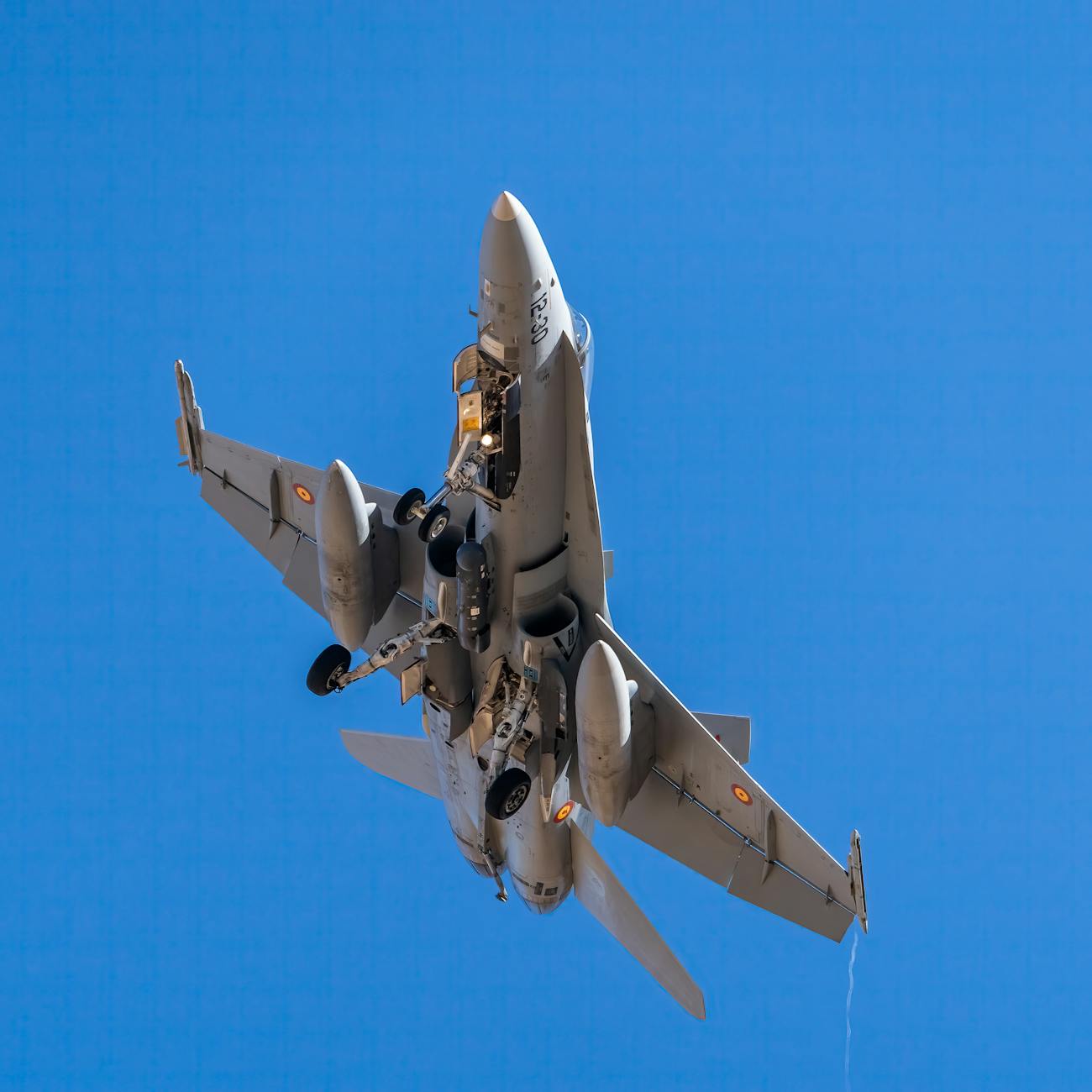
Artificial Intelligence (AI) refers to the development of computer systems that can perform tasks that typically require human intelligence, such as visual perception, speech recognition, decision-making, and language translation. AI has the potential to revolutionize many industries, including military defense. However, the use of AI in military applications raises several ethical concerns.
AI Ethics is a branch of ethics that deals with the moral and ethical issues related to the development and use of AI systems. The key terms and vocabulary in AI ethics include:
1. Bias: Bias in AI refers to the presence of systematic errors or prejudices in AI systems that lead to unfair or discriminatory outcomes. Bias can arise from various sources, including the data used to train the AI system, the algorithms used to make decisions, and the people who design and deploy the AI system. 2. Transparency: Transparency in AI refers to the ability to understand how an AI system makes decisions. Transparency is important to ensure that AI systems are fair, accountable, and trustworthy. 3. Accountability: Accountability in AI refers to the responsibility for the actions and decisions made by AI systems. Accountability is important to ensure that AI systems are used ethically and responsibly. 4. Privacy: Privacy in AI refers to the protection of personal information and data used by AI systems. Privacy is important to ensure that AI systems do not infringe on individuals' rights to control their own information. 5. Fairness: Fairness in AI refers to the absence of discrimination or bias in AI systems. Fairness is important to ensure that AI systems do not disadvantage certain groups or individuals. 6. Explainability: Explainability in AI refers to the ability to provide clear and understandable explanations for the decisions and actions of AI systems. Explainability is important to ensure that AI systems are transparent and accountable. 7. Autonomy: Autonomy in AI refers to the ability of AI systems to make decisions independently. Autonomy is important to ensure that AI systems can operate effectively in complex and dynamic environments. 8. Robustness: Robustness in AI refers to the ability of AI systems to function reliably and accurately in the face of unexpected events or conditions. Robustness is important to ensure that AI systems are safe and secure. 9. Human-AI collaboration: Human-AI collaboration refers to the interaction between humans and AI systems in decision-making processes. Human-AI collaboration is important to ensure that AI systems are used in a way that complements and enhances human capabilities.
The use of AI in military applications raises several ethical concerns, including the potential for autonomous weapons to make lethal decisions without human intervention, the risk of AI systems being used to target civilians, and the potential for AI systems to exacerbate existing biases and discrimination in military operations. To address these concerns, the following ethical principles should be considered:
1. Respect for human life and dignity: AI systems used in military applications should respect human life and dignity and avoid causing unnecessary harm or suffering. 2. Responsible use: AI systems used in military applications should be used responsibly, with clear and transparent rules of engagement and accountability mechanisms. 3. Human oversight: AI systems used in military applications should be subject to human oversight and control, with clear lines of accountability and transparency. 4. Fairness: AI systems used in military applications should be designed and deployed in a way that avoids discrimination and bias, and ensures fairness and equality. 5. Privacy: AI systems used in military applications should respect individuals' privacy and protect personal information and data. 6. Public trust: AI systems used in military applications should be transparent and accountable, with clear communication and engagement with the public to build trust and confidence.
Examples of AI applications in military defense include autonomous weapons, predictive maintenance, and cybersecurity. Autonomous weapons are AI systems that can select and engage targets without human intervention. Predictive maintenance uses AI to predict when military equipment is likely to fail, allowing for proactive maintenance and reducing downtime. Cybersecurity uses AI to detect and respond to cyber threats, protecting military networks and systems from attack.
Practical applications of AI in military defense include the use of AI to analyze satellite imagery to detect potential threats, the use of AI to optimize logistics and supply chain management, and the use of AI to simulate and model military scenarios to inform strategic decision-making.
Challenges in the use of AI in military defense include the need for clear ethical guidelines and regulations, the potential for unintended consequences and unforeseen risks, and the need for robust testing and evaluation to ensure the safety and reliability of AI systems. Additionally, the rapid pace of technological change in AI presents challenges in keeping up with the latest developments and ensuring the effective and ethical use of AI in military defense.
In conclusion, AI ethics and military applications are critical considerations in the Professional Certificate in AI for Military Defense. Understanding the key terms and vocabulary in AI ethics is essential to ensuring that AI systems are developed and used in a way that is ethical, responsible, and transparent. The use of AI in military defense presents both opportunities and challenges, and it is important to balance the potential benefits of AI with the need to protect human life and dignity, ensure fairness and accountability, and build public trust and confidence.
Key takeaways
- Artificial Intelligence (AI) refers to the development of computer systems that can perform tasks that typically require human intelligence, such as visual perception, speech recognition, decision-making, and language translation.
- AI Ethics is a branch of ethics that deals with the moral and ethical issues related to the development and use of AI systems.
- Bias can arise from various sources, including the data used to train the AI system, the algorithms used to make decisions, and the people who design and deploy the AI system.
- Public trust: AI systems used in military applications should be transparent and accountable, with clear communication and engagement with the public to build trust and confidence.
- Predictive maintenance uses AI to predict when military equipment is likely to fail, allowing for proactive maintenance and reducing downtime.
- Additionally, the rapid pace of technological change in AI presents challenges in keeping up with the latest developments and ensuring the effective and ethical use of AI in military defense.
- Understanding the key terms and vocabulary in AI ethics is essential to ensuring that AI systems are developed and used in a way that is ethical, responsible, and transparent.