
fashion culture
Haute couture refers to the creation of exclusive, custom-fitted clothing produced by high‑end fashion houses. It is governed by strict regulations in Paris, requiring a minimum number of pieces per season and the employment of skilled arti…
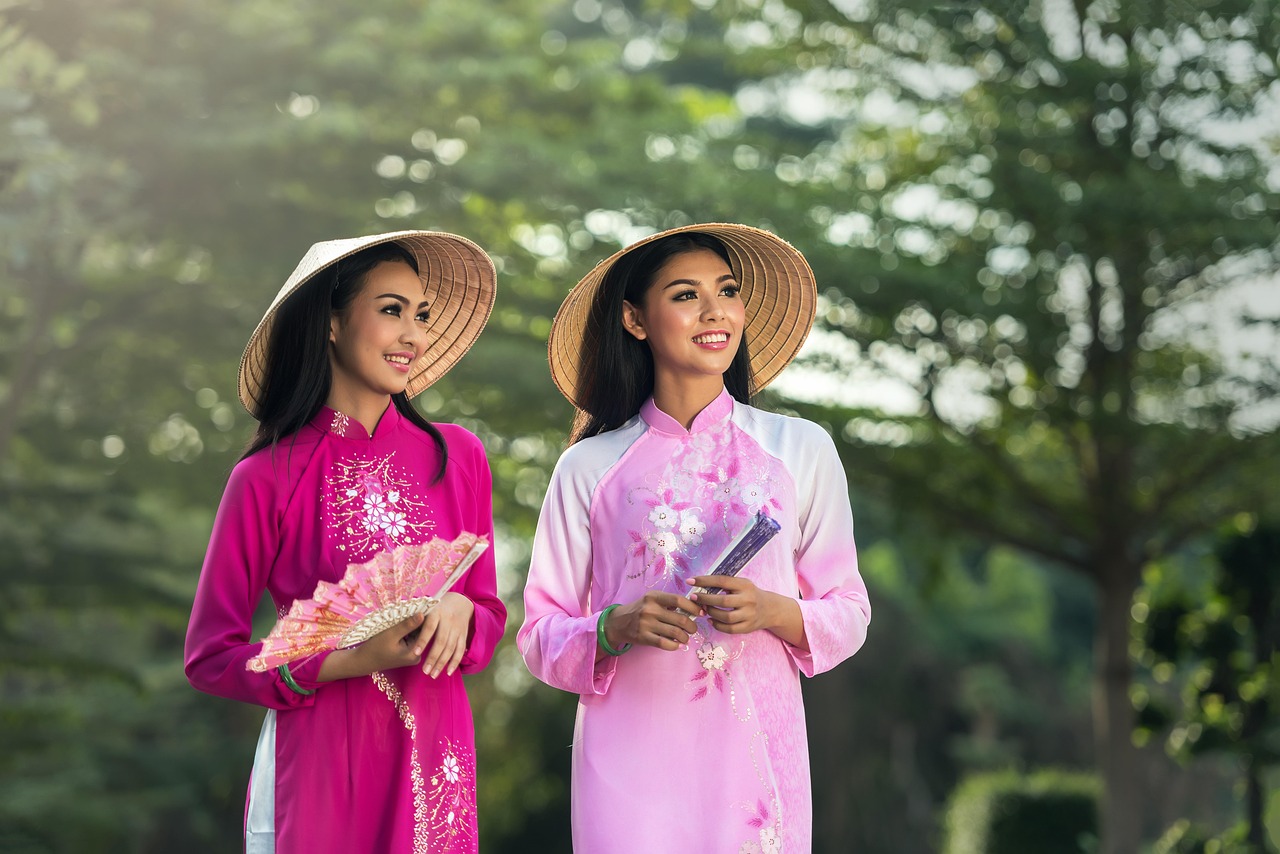
Haute couture refers to the creation of exclusive, custom-fitted clothing produced by high‑end fashion houses. It is governed by strict regulations in Paris, requiring a minimum number of pieces per season and the employment of skilled artisans. Practically, designers use haute couture to showcase technical mastery, pushing the limits of fabric manipulation, embroidery, and structural engineering. A common challenge is the high cost of production, which limits accessibility and raises questions about sustainability. For example, a gown featuring hand‑sewn crystal appliqués may take hundreds of hours to complete, illustrating both the artistry and the resource intensity inherent in this segment of fashion culture.
Ready‑to‑wear, often abbreviated as prêt‑à‑porter, is the commercial counterpart to haute couture. These garments are produced in standard sizes and are intended for mass consumption. The term emphasizes the balance between design innovation and manufacturing efficiency. In practice, a designer might translate an avant‑garde runway silhouette into a more wearable form by simplifying construction techniques or selecting more durable fabrics. The challenge lies in maintaining brand identity while meeting the logistical demands of retail distribution. Fast‑fashion retailers, for instance, replicate runway looks within weeks, illustrating the tension between creative originality and rapid production cycles.
Silhouette describes the overall shape or outline of a garment as seen from a distance. It is a fundamental vocabulary word for any fashion critic because it conveys the designer’s intent without reliance on ornamentation. Classic examples include the “hourglass” silhouette of the 1950s, characterized by a cinched waist and full skirt, versus the “boxy” silhouette of the 1990s, which emphasized straight lines and a lack of curvature. In a practical critique, the analyst may note how a modern designer reinterprets the “A‑line” silhouette by integrating asymmetrical hemlines, thereby challenging traditional expectations of proportion.
Fabric refers to the material from which a garment is constructed. It encompasses a broad spectrum of fibers, both natural (such as cotton, silk, wool, and linen) and synthetic (including polyester, nylon, and acrylic). Understanding fabric properties—like drape, breathability, and durability—is essential for evaluating a piece’s functional and aesthetic qualities. For example, a silk charmeuse offers a luminous sheen and fluid drape, making it ideal for evening wear, while a heavyweight denim provides structure and resilience suitable for workwear. Challenges arise when designers experiment with unconventional blends, such as silk‑polyester mixes, which may affect the garment’s care requirements and environmental footprint.
Texture is the tactile quality of a fabric, which can be perceived visually as well as through touch. Textural contrasts can add depth to a design, as seen in the pairing of smooth satin with rough boucle in a contemporary coat. When critiquing texture, one should consider how it interacts with light, how it behaves in motion, and whether it contributes to the garment’s narrative. A practical application can be found in layering techniques: A lightweight chiffon underlayer may create a sense of ethereality, while a chunky knit outerwear piece adds warmth and visual weight. Designers often face the challenge of balancing texture with wearability, especially when incorporating high‑maintenance fabrics like hand‑woven jacquard.
Pattern denotes the repetitive decorative elements printed or woven into a fabric. Patterns can be geometric (such as stripes, checks, or houndstooth), organic (like florals and leaves), or abstract (including digital prints and pixelated motifs). The choice of pattern can signal cultural references, historical periods, or brand identity. For instance, a tartan pattern may evoke Scottish heritage, while a bold, oversized animal print could reference 1970s disco culture. In practice, designers must consider scale and placement; a large‑scale print on a garment’s back can become a focal point, whereas a subtle micro‑pattern might serve as a textural accent. Challenges include ensuring that pattern licensing respects intellectual property and that the reproduction quality remains consistent across different fabric types.
Motif is a specific design element that recurs within a collection, often serving as a thematic anchor. Motifs can be literal—such as a repeated silhouette of a bird—or abstract, like a recurring wave form that suggests fluidity. In an analytical context, identifying the motif helps to decode the narrative thread that runs through a designer’s work. For example, a designer who incorporates a “key” motif may be exploring concepts of access and restriction within societal structures. Practical application involves integrating the motif across various product categories, from accessories to footwear, thereby reinforcing brand cohesion. A notable challenge is avoiding over‑reliance on a single motif, which can lead to visual monotony and diminish the collection’s dynamism.
Color theory is the study of how colors interact, influence perception, and evoke emotional responses. Core concepts include the color wheel, complementary colors, analogous schemes, and the psychological impact of hue, saturation, and value. In fashion critique, a thorough understanding of color theory enables the analyst to assess whether a palette supports the collection’s conceptual intent. For instance, a designer might employ a muted, earth‑tone palette to convey sustainability, while a vibrant, high‑contrast scheme could express youthful rebellion. Practical application includes creating a seasonal color forecast, where analysts predict which shades will dominate the market based on cultural and economic trends. Challenges arise when color trends clash with regional preferences or when fabric limitations restrict the achievable hue intensity.
Palette refers to the specific range of colors selected for a collection or season. A well‑curated palette creates visual harmony and can reinforce a brand’s identity. For example, a luxury brand may opt for a restrained palette of black, ivory, and deep navy to convey timeless elegance, whereas a streetwear label might embrace neon greens and hot pinks to signal boldness. In practice, designers develop a palette by researching cultural events, environmental cues, and market data. A practical challenge is ensuring color consistency across different materials, as dyes may react differently on cotton versus silk, requiring meticulous testing and quality control.
Hue is the pure color without any added white, black, or gray, essentially the “name” of the color (red, blue, yellow, etc.). Understanding hue is essential when discussing color relationships in a critique. For instance, a runway show that juxtaposes a primary hue like cobalt blue against a secondary hue such as orange can create a striking visual tension. Practically, designers may select a dominant hue as a signature element for a season, using it across garments, accessories, and visual merchandising. Challenges include maintaining hue fidelity during production, as variations in dye lots can lead to inconsistencies that affect the overall aesthetic coherence.
Saturation measures the intensity or purity of a color. Highly saturated colors appear vivid and eye‑catching, while low‑saturation colors appear muted or pastel. In fashion culture, saturation can signal mood: Saturated reds may evoke passion or aggression, whereas desaturated blues suggest calmness. A critic might note that a designer’s choice of low‑saturation earth tones aligns with an eco‑centric narrative, reinforcing the theme of natural harmony. Practical applications include using saturation to create depth within a collection—high‑saturation accents can draw attention to focal points, while desaturated backgrounds provide a subtle canvas. One challenge is that saturated colors can fade more quickly under UV exposure, raising concerns for the longevity of garments.
Value denotes the lightness or darkness of a color, independent of hue and saturation. High‑value colors are light (such as cream or pastel pink), while low‑value colors are dark (such as charcoal or navy). Understanding value is crucial for creating contrast and visual hierarchy. For example, a designer may place a high‑value white shirt against a low‑value black skirt to achieve a striking monochrome effect. Practically, value influences how garments appear under different lighting conditions on the runway versus retail environments. Challenges include ensuring that value contrast does not compromise accessibility, as insufficient contrast can affect readability for individuals with visual impairments.
Trend describes the prevailing direction of style within a specific time frame, often driven by cultural, social, and economic forces. Trends are identified through runway analysis, street observation, and digital data mining. A fashion critic must differentiate between fleeting “micro‑trends” and longer‑lasting “macro‑trends.” For instance, the resurgence of 1990s grunge aesthetics may be considered a macro‑trend, while the popularity of oversized pocket tees could be a micro‑trend. Practical application involves forecasting upcoming trends to guide product development and merchandising strategies. Challenges include the rapid acceleration of trend cycles due to social media, which can pressure designers to produce new collections at unsustainable speeds, potentially compromising craftsmanship and ethical standards.
Runway is the platform where designers present their collections to industry insiders, press, and buyers. The runway show functions as a theatrical narrative, combining clothing, set design, music, and choreography to convey a cohesive story. In critique, the runway environment is analyzed for its contribution to the overall concept, such as how lighting accentuates fabric texture or how model movement emphasizes silhouette. A practical example is the use of a minimalist runway with stark white walls to focus attention on the garments themselves, versus an elaborate set that reinforces a thematic storyline. Challenges include the high cost of production, the need for precise timing, and the potential for misinterpretation when the visual spectacle overshadows the clothing.
Avant‑garde denotes innovative, experimental, or unconventional approaches that push the boundaries of traditional fashion norms. Avant‑garde designers often prioritize concept over wearability, employing unusual materials, deconstructed forms, or exaggerated proportions. In a critique, the term is applied when evaluating a collection that deliberately subverts expectations—such as a garment constructed from recycled plastic bottles or a silhouette that defies gravity through internal scaffolding. Practical applications may include collaborations with technology firms to develop smart textiles, thereby merging fashion with function. The main challenge for avant‑garde work is translating visionary ideas into commercially viable products without diluting the original artistic intent.
Streetwear is a style that originated from urban youth culture, heavily influenced by music, skateboarding, and sports. It emphasizes comfort, practicality, and a sense of rebellion, often featuring oversized silhouettes, graphic tees, and sneakers. Streetwear has evolved into a dominant force within high fashion, with luxury houses collaborating with streetwear brands to create hybrid collections. A critic might examine how a designer incorporates streetwear elements—such as logo‑driven branding or utility pockets—into a traditionally formal aesthetic, thereby blurring the lines between casual and couture. Practical challenges include maintaining authenticity while scaling production, as mass adoption can dilute the subcultural roots that give streetwear its credibility.
Subculture refers to a group within a larger society that shares distinct values, interests, and aesthetic preferences. Subcultural styles often influence fashion trends, providing fresh visual vocabularies. Examples include the punk movement with its ripped fabrics, safety pins, and anarchic symbols, or the hip‑hop community with its emphasis on oversized outerwear and gold accessories. In a critique, recognizing subcultural origins helps contextualize why certain design choices resonate with specific audiences. Practical application may involve designers engaging directly with subcultural communities to co‑create collections that respect cultural nuances. Challenges arise when mainstream brands appropriate subcultural symbols without proper acknowledgment, leading to accusations of cultural exploitation.
Appropriation is the act of borrowing elements from a culture—often a marginalized one—without permission, credit, or contextual understanding. In fashion, appropriation can manifest as the use of traditional patterns, religious symbols, or ceremonial garments for commercial purposes. Critics must assess whether a designer’s incorporation of such elements is a respectful homage or an exploitative act. For instance, using indigenous motifs on mass‑produced accessories without collaborating with the originating community can be viewed as appropriation. Practical solutions include establishing partnerships with cultural consultants, providing royalties, and ensuring that the narrative around the borrowed element is accurate and respectful. The challenge lies in navigating the fine line between inspiration and exploitation, especially in a globally connected market.
Sustainability in fashion encompasses environmental, social, and economic dimensions aimed at reducing negative impacts while promoting responsible practices. Sustainable strategies include using organic fibers, implementing closed‑loop recycling, reducing water consumption, and ensuring fair labor conditions. A critic evaluating a collection’s sustainability might examine the supply chain transparency, the carbon footprint of fabric production, and the longevity of the garments. Practical applications involve adopting circular design principles—such as designing for disassembly, enabling material recovery at the end of a product’s life. One of the biggest challenges is balancing sustainability with consumer demand for rapid turnover, as well as overcoming the higher costs associated with eco‑friendly materials.
Ethical fashion focuses on the moral responsibilities of designers, manufacturers, and retailers toward workers, animals, and the environment. It emphasizes fair wages, safe working conditions, cruelty‑free materials, and transparent sourcing. In critique, ethical considerations may be highlighted through case studies of brands that have eliminated child labor or that have adopted animal‑free alternatives such as mushroom leather. Practical implementation can involve third‑party certifications, such as Fair Trade or GOTS (Global Organic Textile Standard), which provide verifiable proof of ethical compliance. Challenges include the difficulty of auditing complex supply chains and the potential for “greenwashing,” where companies claim sustainability without substantive actions.
Fast fashion describes a business model that rapidly produces inexpensive clothing to meet the latest trends, often at the expense of quality and ethical standards. The model relies on cheap labor, low‑cost materials, and a high turnover of inventory. Critics frequently highlight the environmental toll of fast fashion, including textile waste, water pollution, and greenhouse gas emissions. A practical analysis might compare the life‑cycle assessment of a fast‑fashion polyester tee with a sustainably produced organic cotton shirt, revealing stark differences in environmental impact. Challenges for the industry include shifting consumer behavior toward longer‑lasting garments and addressing the stigma associated with disposable fashion.
Slow fashion is the antithesis of fast fashion, emphasizing durability, timeless design, and mindful consumption. It encourages buying fewer, higher‑quality pieces that can be repaired, upcycled, or passed down through generations. In a critique, slow fashion is praised for its emphasis on craftsmanship and its reduced ecological footprint. Practical applications involve offering repair services, producing limited runs to avoid overproduction, and educating consumers on garment care. The main challenge is convincing a market accustomed to rapid trend cycles to adopt a more deliberate purchasing mindset, which may require strategic storytelling and transparent communication about the value of longevity.
Capsule collection is a curated set of versatile, interchangeable pieces that together create a cohesive wardrobe. Capsules are typically limited in number, focusing on classic silhouettes, neutral colors, and high‑quality fabrics. Critics may assess the effectiveness of a capsule by examining how well each item complements the others and whether the collection fulfills the promise of timelessness. A practical example is a five‑piece capsule consisting of a blazer, trousers, a dress, a knit sweater, and a pair of shoes, all designed to be mixed and matched for various occasions. Challenges include striking a balance between minimalism and personal expression, as overly restrictive capsules can feel bland to consumers seeking individuality.
Lookbook is a visual presentation of a collection, usually consisting of high‑resolution photographs that showcase the garments in styled contexts. Lookbooks serve as marketing tools, providing retailers, press, and buyers with an aesthetic reference for the season’s direction. In critique, the lookbook’s composition—lighting, setting, model casting, and styling—can be analyzed for its alignment with the brand’s narrative. For instance, a monochrome lookbook shot in an industrial warehouse may reinforce a brand’s rugged, utilitarian ethos. Practical challenges include ensuring that the lookbook accurately represents the texture and color of the garments, as digital reproduction can sometimes distort true material qualities.
Mood board is a collage of images, textures, colors, and typography used to convey the inspiration and emotional tone behind a design concept. Designers assemble mood boards at the early stages of a collection to guide creative decisions and communicate vision to collaborators. A critic may reference a designer’s mood board to trace the lineage of ideas, such as how a photograph of rain‑soaked streets informs a collection’s emphasis on waterproof fabrics and muted blues. In practice, digital mood boards allow for rapid iteration and easy sharing across teams. One challenge is avoiding overly literal translations of inspiration, which can result in clichéd designs rather than innovative interpretations.
Branding encompasses the visual, verbal, and experiential elements that define a fashion label’s identity. It includes logo design, color palettes, tone of voice, packaging, and retail environment. Effective branding creates an emotional connection with consumers and differentiates the label within a crowded market. Critics evaluate branding by examining consistency across touchpoints and how well it reflects the collection’s core values. For example, a brand that emphasizes sustainability may employ recycled packaging, earthy color schemes, and storytelling that highlights environmental initiatives. Practical applications involve brand audits, where designers assess the alignment of product design with brand messaging. Challenges arise when rapid expansion leads to dilution of brand equity, requiring careful stewardship to preserve authenticity.
Identity in fashion refers to the distinctive personality and values that a designer or label projects through its creations. It is shaped by cultural background, personal experiences, and market positioning. A strong identity can be communicated through recurring motifs, signature silhouettes, or consistent use of certain fabrics. Critics often explore how identity evolves over time, noting moments when a designer pivots to address new societal concerns—for instance, shifting from a focus on luxury excess to a narrative centered on social responsibility. Practical ways to reinforce identity include limited‑edition collaborations that echo the brand’s core ethos. The challenge lies in maintaining relevance while staying true to the foundational identity, especially when external pressures demand adaptation.
Aesthetics is the study of beauty and taste, encompassing the principles that guide visual appeal in fashion. It involves the interplay of form, color, texture, and proportion to create a harmonious whole. In critique, aesthetic analysis may focus on whether a collection achieves balance or intentionally disrupts harmony to provoke thought. For example, a designer may juxtapose sleek, minimalist tailoring with rough, hand‑woven fabrics to explore the tension between industrialization and craftsmanship. Practical applications include developing an aesthetic brief that outlines the desired mood, references, and visual language for a seasonal collection. A persistent challenge is ensuring that aesthetic choices remain accessible to the intended audience without alienating potential customers.
Concept is the underlying idea or narrative that drives a collection. It serves as the intellectual framework that unifies individual pieces into a coherent story. Conceptual development often begins with research, sketching, and ideation, culminating in a clear statement such as “reimagining the future of workwear through modular design.” Critics assess how effectively the concept translates from abstract inspiration to tangible garments, evaluating whether each piece contributes to the overall narrative. Practical examples include a collection inspired by marine ecosystems that utilizes recycled ocean plastics and incorporates wave‑like draping. The challenge is avoiding conceptual overreach, where the idea becomes so abstract that it disconnects from wearability and market viability.
Innovation denotes the introduction of new methods, materials, or ideas that advance the fashion industry. It can manifest in technological breakthroughs—like 3‑D printing of garments—or in novel business models such as subscription‑based wardrobes. In critique, innovation is measured by its impact on sustainability, functionality, and consumer experience. For instance, a designer who incorporates photovoltaic fibers into outerwear offers both aesthetic appeal and practical energy generation. Practical application may involve partnering with research institutions to test biodegradable polymers for future collections. Challenges include the high cost of research and development, as well as the need to educate consumers about the benefits of innovative products that may deviate from familiar norms.
Materiality concerns the physical properties and cultural meanings attached to the substances used in fashion. Materiality extends beyond mere composition; it includes the narrative that a material carries—such as the history of silk as a symbol of luxury or the association of denim with working‑class authenticity. Critics examine how material choices reinforce or subvert traditional connotations. A practical example is the use of reclaimed wood veneers on handbag handles, which juxtaposes natural textures against sleek hardware, creating a dialogue between heritage and modernity. Challenges arise when sourcing rare or exotic materials, as this can raise ethical concerns and supply chain complexities.
Construction refers to the techniques and processes by which a garment is assembled, including stitching, seam finishes, interfacing, and pattern cutting. Mastery of construction is essential for achieving both aesthetic precision and functional durability. In critique, attention to construction details—such as hand‑stitched hems or invisible zippers—can reveal a designer’s dedication to craftsmanship. Practical applications include employing techniques like French seams for lightweight fabrics to prevent fraying, or using bias cuts to enhance fluid drape. The main challenge is balancing intricate construction with production efficiency, especially when scaling up for larger markets without compromising quality.
Patternmaking is the technical skill of drafting flat pieces that will be assembled into a three‑dimensional garment. It involves understanding body measurements, garment proportions, and the behavior of different fabrics. Accurate patternmaking ensures that the final piece fits as intended and reflects the designer’s vision. In critique, the precision of patternmaking can be evaluated by observing how well a silhouette conforms to the model’s body and whether the garment maintains its shape during movement. Practical tools include computer‑aided design (CAD) software that streamlines the pattern development process. Challenges include translating hand‑drawn sketches into production‑ready patterns while preserving the original creative intent.
Fit describes how a garment conforms to the wearer’s body, influencing comfort, movement, and visual appeal. A well‑fitted piece enhances the wearer’s silhouette, while a poor fit can distort proportions and cause discomfort. Critics assess fit by examining key areas such as shoulders, bust, waist, and hips, as well as the garment’s behavior under dynamic conditions. Practical applications involve conducting fit sessions with fit models, using markers to identify adjustments, and employing techniques like grading to create size ranges. The challenge lies in accommodating diverse body types while maintaining the designer’s aesthetic, particularly in mass‑production contexts where standard sizing may limit customization.
Tailoring is the art of shaping garments through precise cutting, stitching, and structural reinforcement, often associated with formalwear such as suits and coats. Tailoring requires a deep understanding of fabric behavior, body mechanics, and construction methods like canvas interlining and hand‑stitched lapels. In critique, the quality of tailoring can be judged by the crispness of seams, the symmetry of lapels, and the overall drape of the garment. Practical examples include a double‑vented jacket that offers both comfort and a sleek silhouette. Challenges include preserving tailoring excellence while adapting to contemporary, more relaxed silhouettes that may demand less rigidity.
Layering involves combining multiple garments to create depth, functionality, and visual interest. Effective layering considers factors such as fabric weight, opacity, and color harmony. Critics may analyze how a designer employs layering to convey themes such as protection, transformation, or cultural hybridity. For example, a collection might feature a sheer organza top over a structured leather bodysuit, juxtaposing vulnerability with strength. Practical applications include designing versatile pieces that can be worn both as standalone items and as part of a layered ensemble, thereby extending the wardrobe’s utility. Challenges arise when layers become overly bulky, compromising movement, or when mismatched textures clash, reducing overall cohesion.
Silk is a natural protein fiber renowned for its luster, softness, and drape. It is often associated with luxury and is used in a variety of garments, from evening gowns to linings. In critique, silk’s qualities can be highlighted by noting how a designer exploits its fluidity to create cascading silhouettes or how the sheen enhances color vibrancy. Practical considerations include the need for delicate care, as silk is prone to damage from abrasion and harsh chemicals. Challenges involve sourcing responsibly, as traditional sericulture may raise concerns about animal welfare and environmental impact, prompting designers to explore alternatives like peace silk or synthetic silk blends.
Denim is a sturdy cotton twill fabric originally created for workwear, now a staple of casual fashion worldwide. Its durability, iconic blue color, and ability to develop a unique patina over time contribute to its enduring popularity. Critics often explore how designers reinterpret denim through techniques such as distressing, laser cutting, or unconventional dyeing. Practical applications include using denim in hybrid garments—such as a denim jacket with integrated waterproof membranes—to combine classic aesthetics with modern performance. Challenges encompass the environmental footprint of denim production, which traditionally requires large amounts of water and chemicals, leading many brands to adopt sustainable processes like water‑less finishing and organic cotton blends.
Leather is a durable material derived from animal hide, valued for its strength, flexibility, and distinctive patina. It is commonly used in jackets, boots, and accessories. In critique, leather’s tactile qualities and ability to age gracefully are often emphasized, as are ethical considerations surrounding animal welfare. Practical solutions include sourcing leather from certified farms that adhere to humane practices or exploring alternatives such as mushroom leather, cactus leather, or lab‑grown leather that mimic the texture without involving animal products. The challenge is achieving the same durability and aesthetic appeal as traditional leather while meeting sustainability standards and consumer expectations.
Wool is a natural fiber harvested from sheep and other animals, prized for its warmth, elasticity, and moisture‑wicking properties. Wool can be woven into a range of textures, from fine merino for sleek suits to chunky alpaca for cozy outerwear. Critics may assess how a designer leverages wool’s inherent thermal qualities to create season‑appropriate pieces, or how they address common concerns such as itchiness through blending with softer fibers. Practical applications include using merino for performance‑oriented activewear that regulates temperature, or employing recycled wool to reduce waste. Challenges involve managing the environmental impact of sheep farming, which can include greenhouse gas emissions and land use, prompting the industry to explore regenerative grazing practices.
Silhouette is a repeat term because it forms the backbone of visual analysis; however, each mention can expand on different aspects. The term also applies to the overall “shape language” of a collection. For instance, a designer may develop a “fluid silhouette” characterized by draped fabrics and asymmetrical hems, contrasting with a “structured silhouette” that relies on sharp tailoring and rigid fabrics. Critics should note how the chosen silhouette aligns with the conceptual narrative and target market. Practical tasks include creating mood sketches that capture the intended silhouette before moving to detailed design. The primary challenge is ensuring that the silhouette translates across different body types and size ranges without losing its defining features.
Gender fluidity in fashion reflects the breaking down of traditional binary dress codes, allowing garments to be worn irrespective of gender. Designers express gender fluidity through unisex cuts, neutral color palettes, and the blending of traditionally masculine and feminine details. In critique, this can be examined by observing how a collection blurs conventional signifiers—such as pairing a tailored blazer with a flowing skirt—thereby challenging societal norms. Practical applications include offering size‑inclusive ranges that cater to a spectrum of body shapes, and marketing campaigns that feature diverse gender identities. Challenges involve navigating cultural resistance in certain regions and ensuring that gender‑fluid designs remain functional and appealing to a broad consumer base.
Minimalism is an aesthetic that emphasizes simplicity, clean lines, and a restrained color palette. It often employs high‑quality materials and precise tailoring to achieve elegance through understatement. Critics may praise minimalistic collections for their timelessness and low environmental impact, as fewer decorative elements can lead to longer product life cycles. Practical examples include a capsule wardrobe built around a monochrome palette of white, black, and gray, featuring garments that can be mixed and matched effortlessly. The challenge for minimalism lies in avoiding sterility; designers must inject subtle details—such as unique seam finishes or unexpected fabric textures—to maintain visual interest without compromising the minimalist ethos.
Maximalism is the opposite of minimalism, celebrating abundance, rich detailing, and vibrant color combinations. It often incorporates eclectic patterns, layered accessories, and dramatic silhouettes. In critique, maximalist collections can be evaluated for their ability to harmonize complexity without descending into chaos. Practical applications might involve creating statement pieces—such as a heavily embroidered coat—that serve as focal points within a broader, more subdued wardrobe. Challenges include ensuring that the excess does not overwhelm the wearer, and that the pieces remain wearable beyond the runway, especially when translating maximalist concepts into ready‑to‑wear lines.
Eclectic style draws from a variety of influences, mixing disparate cultural references, periods, and materials. An eclectic collection might combine a traditional Japanese kimono silhouette with African wax prints and Western tailoring techniques. Critics assess how successfully the designer synthesizes these elements into a cohesive whole. Practical tools for achieving eclectic harmony include mood boards that juxtapose diverse images, and color studies that find common threads among varied inspirations. The main challenge is avoiding cultural appropriation, ensuring that each borrowed element is presented with respect and proper attribution.
Retro references fashion that deliberately evokes a previous era, often through the use of vintage silhouettes, fabrics, or decorative motifs. A retro collection may reinterpret 1970s flared trousers with modern fabrics or reinterpret 1920s Art Deco patterns in contemporary knitwear. Critics examine the authenticity of the retro interpretation—whether it merely copies historical styles or reimagines them for today’s context. Practical applications involve sourcing vintage garments for inspiration, or collaborating with archival museums to ensure accurate representation. Challenges include balancing nostalgia with relevance, preventing the designs from feeling dated rather than timeless.
Avant‑garde appears again because it also denotes a mindset of pushing boundaries, particularly in conceptual and technological realms. The term can be applied to designers who experiment with wearable technology, such as garments that change color in response to temperature. Critics may explore how avant‑garde pieces disrupt conventional fashion expectations while still offering functional wearability. Practical collaborations with engineers and material scientists enable the creation of such pioneering items. The biggest challenge is translating experimental prototypes into scalable, market‑ready products without losing the innovative spirit.
Conceptual fashion prioritizes ideas over practicality, often resulting in pieces that function more as art installations than everyday wear. In critique, conceptual collections are evaluated for their intellectual depth, narrative coherence, and ability to provoke dialogue. Practical examples include a series of garments made entirely from recycled plastic waste, designed to comment on environmental degradation. The challenge lies in bridging the gap between concept and commercial viability, ensuring that the pieces can be produced responsibly and potentially worn, even if only in limited contexts.
Heritage refers to the historical lineage and traditional craftsmanship associated with a brand or region. Heritage can be expressed through the use of time‑honored techniques such as hand‑loomed fabrics, traditional embroidery, or archival patterns. Critics often evaluate how well a brand balances heritage with contemporary relevance. Practical applications include reviving a historic fabric—like Harris Tweed—in a modern silhouette, thereby honoring the past while appealing to present‑day consumers. Challenges involve preventing heritage from becoming a static museum piece, ensuring it evolves with changing market demands.
Artisan craftsmanship emphasizes hand‑made techniques, often rooted in local traditions and passed down through generations. Artisanal pieces are valued for their uniqueness, attention to detail, and cultural significance. Critics may highlight the role of artisans in preserving intangible cultural heritage, as well as the economic impact of supporting small‑scale workshops. Practical steps for designers include establishing fair‑trade relationships with artisan cooperatives, providing transparent pricing, and co‑creating designs that respect the artisans’ expertise. Challenges encompass scaling artisanal production to meet larger market demands while maintaining authenticity and quality.
Fast‑track production models refer to accelerated timelines that compress the design‑to‑store process, often to respond to real‑time market data and consumer trends. While fast‑track enables brands to stay current, it can compromise depth of research and craftsmanship. Critics may assess whether a fast‑track approach undermines the brand’s creative integrity. Practical tools include digital prototyping, AI‑driven trend analysis, and agile supply chains. The main challenge is ensuring that speed does not sacrifice sustainability or ethical labor practices, as rapid turnover often correlates with increased waste and worker strain.
Digital fashion encompasses virtual garments, augmented reality (AR) try‑ons, and clothing designed for avatars in gaming or metaverse platforms. In critique, digital fashion is evaluated for its influence on consumer behavior, its potential to reduce physical waste, and its artistic merit. Practical applications include creating 3‑D models of garments that can be displayed in online showrooms, or offering limited‑edition digital skins for popular characters. Challenges involve establishing standards for digital ownership, protecting intellectual property in virtual spaces, and ensuring that the technology is accessible to a broad audience.
Upcycling is the process of transforming waste materials or discarded garments into higher‑value products. Upcycling promotes circularity by extending the life cycle of materials. Critics may highlight successful upcycling projects—such as converting vintage denim into a structured tote bag—demonstrating creativity while reducing waste. Practical steps involve sourcing post‑consumer textiles, designing patterns that maximize material usage, and communicating the upcycled narrative to consumers. The primary challenge is maintaining quality and durability, as reclaimed fabrics may have hidden flaws that affect the final product’s performance.
Zero‑waste design aims to eliminate textile waste during the pattern‑making stage by employing techniques such as tessellation, modular pattern pieces, or strategic placement of pattern elements. In critique, the effectiveness of zero‑waste strategies can be measured by the percentage of fabric utilized and the aesthetic outcomes. Practical implementation may involve using software that automatically nests pattern pieces to achieve optimal fabric utilization. Challenges include the complexity of creating fashionable silhouettes within the constraints of zero‑waste patterns, as well as the need for skilled technicians who can execute these unconventional constructions.
Biodegradable fibers are designed to break down naturally after disposal, reducing long‑term environmental impact. Materials such as Lyocell, Tencel, and certain bio‑based polyester blends are examples. Critics assess the lifecycle of biodegradable garments, from raw material extraction to end‑of‑life decomposition. Practical applications include labeling products with clear disposal instructions and partnering with composting facilities. A key challenge is ensuring that biodegradability does not compromise durability during the garment’s usable life, and that the conditions required for decomposition (e.G., Industrial composting) are accessible to consumers.
Regenerative agriculture focuses on farming practices that restore soil health, increase biodiversity, and sequester carbon. When applied to fashion, regenerative principles guide the sourcing of fibers like organic cotton or hemp that are grown without synthetic pesticides and that promote soil regeneration. Critics may evaluate whether a brand’s claims of regenerative sourcing are supported by transparent supply chain data. Practical actions include conducting soil health assessments, supporting farmer cooperatives, and obtaining certifications such as Regenerative Organic Certification (ROC). The challenge lies in scaling regenerative practices to meet global demand while maintaining economic viability for growers.
Supply chain transparency denotes the openness with which a brand shares information about the origins, processing, and distribution of its products. Transparent supply chains enable consumers to make informed decisions and hold brands accountable. Critics often examine how detailed a brand’s transparency reports are—whether they disclose factory locations, labor conditions, and environmental metrics. Practical tools include blockchain technology to track each garment’s journey from fiber to finished product. Challenges include the complexity of global supply networks, resistance from suppliers to disclose proprietary information, and the cost of implementing comprehensive traceability systems.
Consumer behavior studies how individuals make purchasing decisions, influenced by factors such as cultural values, social media trends, price sensitivity, and personal identity. Understanding consumer behavior is essential for designers to create collections that resonate with target audiences. Critics may analyze how a brand’s marketing aligns with observed consumer preferences—for example, the rising demand for gender‑neutral clothing among Gen Z. Practical applications involve conducting surveys, focus groups, and data analytics to inform design direction. The challenge is anticipating shifts in consumer attitudes, especially as sustainability concerns become increasingly central to purchasing decisions.
Visual merchandising is the strategic presentation of products within retail spaces to attract customers, convey brand identity, and encourage sales. Elements include window displays, store layout, lighting, and product placement.
Key takeaways
- For example, a gown featuring hand‑sewn crystal appliqués may take hundreds of hours to complete, illustrating both the artistry and the resource intensity inherent in this segment of fashion culture.
- In practice, a designer might translate an avant‑garde runway silhouette into a more wearable form by simplifying construction techniques or selecting more durable fabrics.
- Classic examples include the “hourglass” silhouette of the 1950s, characterized by a cinched waist and full skirt, versus the “boxy” silhouette of the 1990s, which emphasized straight lines and a lack of curvature.
- For example, a silk charmeuse offers a luminous sheen and fluid drape, making it ideal for evening wear, while a heavyweight denim provides structure and resilience suitable for workwear.
- A practical application can be found in layering techniques: A lightweight chiffon underlayer may create a sense of ethereality, while a chunky knit outerwear piece adds warmth and visual weight.
- In practice, designers must consider scale and placement; a large‑scale print on a garment’s back can become a focal point, whereas a subtle micro‑pattern might serve as a textural accent.
- Practical application involves integrating the motif across various product categories, from accessories to footwear, thereby reinforcing brand cohesion.