
International Trade Law
Incoterms are a set of standardized trade terms published by the International Chamber of Commerce that define the responsibilities of buyers and sellers for the delivery of goods under sales contracts. Each Incoterm allocates costs, risks,…
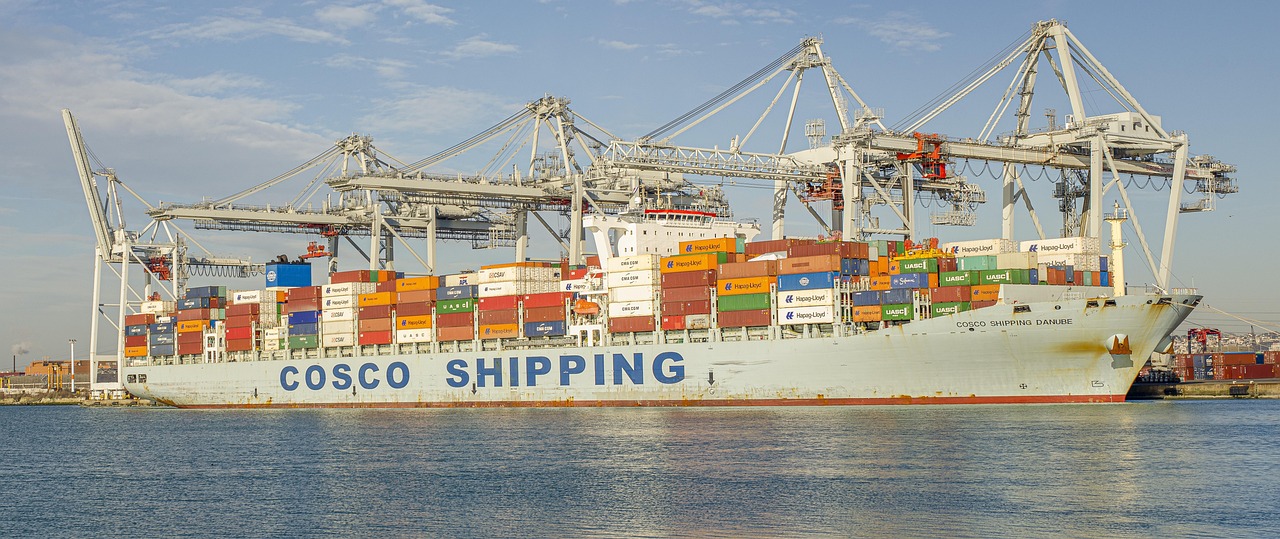
Incoterms are a set of standardized trade terms published by the International Chamber of Commerce that define the responsibilities of buyers and sellers for the delivery of goods under sales contracts. Each Incoterm allocates costs, risks, and obligations such as loading, transport, insurance, and customs clearance. For example, under EXW (Ex Works) the seller’s obligation ends when the goods are made available at their premises, and the buyer bears all subsequent costs and risks. Conversely, DDP (Delivered Duty Paid) requires the seller to deliver the goods ready for unloading at the buyer’s destination, including payment of duties and taxes. Understanding the precise point at which risk passes from seller to buyer is crucial for drafting contracts that reflect the parties’ commercial intentions and for avoiding disputes over loss or damage.
Letter of Credit (L/C) is a financial instrument issued by a bank on behalf of an importer that guarantees payment to the exporter upon presentation of documents that satisfy the stipulated conditions. The L/C provides security to the exporter that payment will be made as long as the documents – typically a commercial invoice, bill of lading, and insurance certificate – are compliant. For instance, a U.S. exporter shipping machinery to a Brazilian buyer may request a irrevocable confirmed L/C, ensuring that even if the issuing bank fails, a confirming bank will honor the payment. Challenges arise when discrepancies are identified in the documents; even minor errors can lead to a refusal to pay, prompting the need for meticulous document preparation and often the involvement of trade finance specialists.
Bill of Lading (B/L) is a negotiable document issued by a carrier that serves three essential functions: it is a receipt for the goods shipped, evidence of the contract of carriage, and a document of title that can be transferred to third parties. The B/L enables the holder to claim the goods upon arrival at the destination port. In a typical transaction, the exporter presents the original B/L to the bank to obtain payment under a letter of credit. However, problems can occur if the B/L is lost, forged, or contains incorrect details such as the description of the cargo, leading to potential delays in delivery or disputes over ownership.
Trade Agreement refers to a legally binding arrangement between two or more sovereign states that governs the terms of trade between them. Trade agreements can be bilateral, regional, or multilateral, and they may address tariffs, quotas, standards, and dispute‑resolution mechanisms. The North American Free Trade Agreement (NAFTA), now superseded by the United States‑Mexico‑Canada Agreement (USMCA), is an example of a regional trade pact that eliminated most tariffs among the three member countries. A notable challenge in trade agreements is the “ratchet effect,” where parties may be reluctant to liberalize further due to domestic political pressures, leading to fragmented market access and compliance complexities for multinational enterprises.
World Trade Organization (WTO) is the principal global institution overseeing the rules of international trade. Its foundational agreements – the General Agreement on Tariffs and Trade (GATT), the General Agreement on Trade in Services (GATS), and the Agreement on Trade‑Related Aspects of Intellectual Property Rights (TRIPS) – set out the legal framework for trade liberalization, non‑discrimination, and dispute settlement. WTO membership obliges a country to conform to the Most‑Favoured Nation (MFN) principle, which requires equal treatment of all WTO members in customs duties and other trade measures. A practical application of WTO rules is the use of the Dispute Settlement Body to resolve trade conflicts; for example, the United States successfully challenged the European Union’s subsidies to aircraft manufacturers by invoking the WTO’s anti‑subsidy provisions.
Most‑Favoured Nation (MFN) is a cornerstone principle of the WTO that mandates a country to extend any favorable trade terms it offers to one WTO member to all other members. This ensures that customs duties, import quotas, and other trade restrictions are applied uniformly, preventing discrimination. In practice, a country that lowers tariffs on steel imports from one WTO member must apply the same tariff rate to steel imports from all other WTO members, unless an exception such as a free trade agreement applies. The MFN principle can be challenging when countries wish to grant preferential treatment to developing economies without violating WTO obligations, often requiring the use of special and differential treatment provisions.
National Treatment obliges a WTO member to treat foreign goods, services, and intellectual property rights no less favourably than domestic equivalents once they have entered the market. This principle complements MFN by preventing internal discrimination. For instance, once a foreign automobile is cleared through customs, it must be subject to the same regulatory standards, safety inspections, and taxes as a domestically produced vehicle. A common challenge is the “de‑facto” discrimination that can arise from differing administrative procedures or hidden fees, which may be contested before the WTO’s dispute settlement mechanism.
Tariff is a tax imposed by a government on imported goods, usually expressed as a percentage of the customs value or as a specific amount per unit. Tariffs serve both revenue‑raising and protective functions. For example, a 10 % ad valorem tariff on imported textiles can raise fiscal income while shielding domestic manufacturers from cheaper foreign competition. The WTO’s tariff schedule, known as the “bound tariff,” sets the maximum tariff rates a member may apply, and any increase above this bound rate requires negotiations with affected parties. Tariff escalation, where higher duties are applied to processed goods than to raw materials, can distort supply chains and is a frequent issue in trade negotiations.
Quota limits the quantity of a particular product that can be imported or exported during a specified period. Quotas are a form of quantitative restriction used to protect domestic industries from oversupply. For instance, a country may impose a quota of 5,000 tonnes of wheat imports per year to support its agricultural sector. Quotas can be administered through licensing systems, and they often lead to market inefficiencies, such as higher prices and reduced consumer choice. The WTO generally prohibits quantitative restrictions, except under specific circumstances such as balance‑of‑payments crises or for health and safety reasons.
Dumping occurs when a manufacturer exports a product to another country at a price lower than its normal value in the domestic market, or lower than the cost of production. Dumping can harm the importing country’s domestic producers by undercutting prices. Anti‑dumping duties are remedial measures that raise the price of the dumped goods to a level comparable with domestic market prices. A case in point is the United States’ anti‑dumping investigation into Chinese steel, which resulted in additional duties to offset the alleged price suppression. The challenge with dumping investigations lies in accurately determining normal value, especially when comparable domestic sales are unavailable, necessitating complex calculations and often leading to disputes before the WTO.
Anti‑dumping measures are trade remedies imposed by a government to counteract the adverse effects of dumping on a domestic industry. These duties are calculated to bridge the gap between the export price and the normal value of the product. The process typically involves a petition by the domestic industry, an investigation by the trade authority, and a determination of injury. In the European Union, the European Commission’s Directorate‑General for Trade conducts anti‑dumping investigations, and the resulting duties are applied uniformly across all EU member states. A practical challenge is the “non‑co‑incidence” of anti‑dumping duties with other trade measures, such as safeguards, which can lead to overlapping remedies and legal complexities.
Safeguard Measures are emergency actions taken by a country to temporarily restrict imports of a product that is causing or threatening to cause serious injury to a domestic industry. Unlike anti‑dumping duties, safeguards are not predicated on unfair trade practices but on the sheer volume of imports. The United States invoked safeguard measures on solar panels in 2012, imposing tariffs to protect its domestic manufacturers from a surge in imports. Safeguard measures must be applied for a limited period, typically up to four years, and are subject to WTO review to ensure they are not used as disguised protectionism. A key challenge for businesses is forecasting the impact of potential safeguard actions and adjusting supply chains accordingly.
Customs Valuation determines the monetary value of imported goods for the purpose of assessing duties and taxes. The WTO’s Agreement on Customs Valuation establishes a hierarchy of methods, with the transaction value (the price actually paid or payable) as the primary approach. If the transaction value cannot be used, alternative methods such as the “computed value” or “deductive value” are applied. Accurate customs valuation is essential for compliance; under‑valuation can lead to penalties, while over‑valuation may increase costs unnecessarily. Companies often engage customs brokers to navigate complex valuation rules, especially for high‑value or intangible goods.
Rules of Origin are criteria used to determine the national source of a product, which is critical for the application of preferential tariffs under free trade agreements. Rules of origin can be based on a “wholly obtained” principle for products wholly produced in a country, or on a “substantial transformation” test that requires a certain percentage of value‑added or a change in tariff classification. For example, under the ASEAN‑Australia‑New Zealand Free Trade Area (AANZFTA), a garment must undergo a change in tariff heading to qualify for preferential treatment. Mis‑application of rules of origin can result in the loss of tariff concessions and potential customs penalties, making rigorous documentation and verification essential.
Intellectual Property (IP) rights protect creations of the mind, such as inventions, literary works, designs, and symbols. In the context of international trade, IP protection is governed by the TRIPS Agreement, which sets minimum standards for patents, trademarks, copyrights, and trade secrets. Effective IP enforcement is vital for industries like pharmaceuticals, where patents provide incentives for research and development. However, IP can also become a trade barrier; for instance, disputes over compulsory licensing of patented medicines have arisen between developing and developed countries. Balancing IP protection with public health considerations remains a contentious issue in trade negotiations.
Dispute Settlement is the mechanism by which trade disagreements are resolved under the WTO framework. The Dispute Settlement Body (DSB) oversees the process, which includes consultations, panel formation, and appellate review. A well‑known example is the United States‑European Communities dispute over banana import regimes, which resulted in a series of rulings and retaliatory measures. The WTO dispute system aims to provide a rule‑based, predictable outcome, but its effectiveness can be hampered by delays in implementation of rulings and by the politicization of disputes. Companies often monitor WTO dispute outcomes to anticipate changes in market access and compliance obligations.
Arbitration is a private dispute‑resolution method where parties submit their conflict to one or more neutral arbitrators whose decision (the award) is binding. International commercial arbitration is frequently used in trade contracts because it offers confidentiality, speed, and enforceability under the New York Convention. For example, a Chinese exporter and a German importer may agree to arbitrate any contract disputes before the International Chamber of Commerce (ICC). Challenges include the cost of arbitration, the selection of appropriate arbitrators, and the potential for divergent interpretations of contract terms, especially when the parties have different legal cultures.
Mediation involves a neutral third party assisting the disputing parties to reach a mutually acceptable settlement. Unlike arbitration, mediation does not impose a binding decision, making it a flexible tool for preserving business relationships. In cross‑border trade, mediation can be facilitated by institutions such as the Singapore Mediation Centre, which provides expertise in commercial matters. The primary challenge with mediation is ensuring enforceability; while parties can incorporate the mediated settlement into a contract, the lack of a formal award may limit recourse if one party later reneges.
Jurisdiction refers to the authority of a court or tribunal to hear a case. In international trade, jurisdictional issues arise when parties are located in different legal systems. Choice‑of‑court clauses in contracts can specify the preferred forum, such as the English High Court, to provide certainty. However, enforcement of foreign judgments can be problematic in jurisdictions that do not recognize the originating court’s authority. The Hague Convention on the Choice of Court Agreements seeks to address these issues by facilitating recognition and enforcement across signatory states.
Choice of Law (or governing law) determines which legal system will be applied to interpret the contract. Parties often select a neutral law, such as English law or the United Nations Convention on Contracts for the International Sale of Goods (CISG), to avoid uncertainty. For instance, a contract may state that “this agreement shall be governed by the law of England and Wales.” The challenge lies in reconciling the chosen law with mandatory provisions of the parties’ domestic law, such as consumer protection statutes, which may override the contractual choice.
Forum Selection Clause is a contractual provision that designates a specific court or arbitration institution as the exclusive venue for dispute resolution. This clause enhances predictability and can reduce litigation costs. A typical clause might read: “All disputes arising out of or in connection with this contract shall be finally resolved by arbitration under the Rules of the International Chamber of Commerce, with the seat of arbitration in Paris.” Potential challenges include the clause being deemed unreasonable or unenforceable if it imposes excessive burdens on one party, especially in jurisdictions that protect public policy interests.
Force Majeure is a contractual provision that relieves parties from performance obligations when an extraordinary event beyond their control prevents fulfillment. Common triggers include natural disasters, war, strikes, and governmental actions. A force‑majeure clause may specify the required notice period and the duration of the excuse. For example, during the COVID‑19 pandemic, many contracts invoked force majeure to suspend deliveries. The difficulty often lies in proving that the event qualifies under the clause and that the party could not have mitigated the impact, leading to litigation over the scope of the exemption.
Hague Convention on the Choice of Court Agreements (2005) provides a uniform framework for the recognition and enforcement of foreign court judgments in civil or commercial matters. It aims to reduce legal uncertainty by establishing clear rules on jurisdiction, applicable law, and enforcement. A practical application is when a French company obtains a judgment in the Netherlands; under the Convention, it can enforce that judgment in Germany without re‑litigating the merits. However, not all countries are signatories, and the Convention’s limited scope (excluding criminal or public‑policy matters) can restrict its effectiveness.
CISG (United Nations Convention on Contracts for the International Sale of Goods) is a treaty that provides a uniform set of rules governing the formation, performance, and breach of international sale contracts. The CISG applies automatically when both parties are from contracting states unless they expressly opt out. Key provisions include the seller’s obligation to deliver conforming goods and the buyer’s right to demand performance or claim damages. An illustrative case is the “Mitsubishi v. Ghosh” dispute, where the CISG’s provisions on non‑conformity were central to the outcome. Challenges arise when parties are unfamiliar with the CISG’s default rules, leading to unexpected liabilities; therefore, many contracts include an “opt‑out” clause to retain domestic law.
UNIDROIT Principles of International Commercial Contracts are a set of non‑binding rules that reflect contemporary commercial practice. They are often used as a gap‑filler when parties have not specified a governing law or when the chosen law is silent on certain issues. For instance, the Principles provide guidance on hardship, allowing a contract to be renegotiated when unforeseen events make performance excessively burdensome. While not enforceable as law, courts and arbitral tribunals may refer to the Principles to interpret contractual obligations, offering a flexible tool for international practitioners.
Commercial Invoice is a document issued by the seller that details the transaction, including description of goods, quantity, price, payment terms, and shipping information. It serves as a primary customs document for import clearance and is often required by banks for payment under letters of credit. Accuracy is paramount; any discrepancy between the invoice and other documents such as the bill of lading can result in payment delays or customs penalties. Exporters frequently use electronic invoicing platforms to streamline the process and ensure compliance with the buyer’s requirements.
Insurance in international trade mitigates the financial risk associated with loss or damage to goods in transit. The most common form is marine cargo insurance, which covers perils such as theft, collision, and natural disasters. The extent of coverage is often dictated by the Incoterm used; for example, under CIF (Cost, Insurance and Freight) the seller must procure insurance for the buyer’s benefit. A challenge for exporters is selecting appropriate coverage levels and ensuring that the policy’s terms align with the contractual risk allocation, especially when dealing with high‑value or hazardous cargo.
Transport Documents are instruments that evidence the contract of carriage, receipt of goods, and, in some cases, title to the goods. Besides the bill of lading, other transport documents include the air waybill, road consignment note, and multimodal transport document. These documents facilitate the smooth movement of goods across borders and provide proof of delivery. In the context of documentary credits, the carrier’s issuance of a clean bill of lading is often a condition precedent to payment. Incorrect or incomplete transport documentation can cause customs delays, insurance claim rejections, and disputes over delivery.
Multimodal Transport involves the movement of goods under a single contract but using multiple transport modes (e.g., sea, rail, road). A multimodal transport document consolidates the responsibilities of the various carriers into one agreement, simplifying logistics. For example, a company shipping electronics from Japan to Brazil may use a multimodal carrier that handles the ocean leg, inland rail, and final trucking. The primary challenge is ensuring that the contract clearly defines liability for loss or damage at each stage, as the carrier may rely on the “carrier’s liability” provisions of the Hague-Visby Rules for the sea portion and the CMR Convention for the road segment.
Carrier is the entity responsible for transporting goods from the point of origin to the destination. Carriers can be shipping lines, airlines, trucking firms, or rail operators. Their obligations are defined by international conventions (e.g., Hague-Visby Rules for sea carriers, Warsaw Convention for air carriers). In practice, carriers issue transport documents that serve as evidence of the carriage contract. Liability limits are often stipulated in these conventions, and carriers may purchase “protective” or “all‑risk” insurance to cover excess exposure. Disputes commonly arise over the interpretation of “actual loss” versus “constructive loss,” requiring careful analysis of the carrier’s obligations.
Freight Forwarder acts as an intermediary that arranges the transportation of goods on behalf of the exporter or importer. While not a carrier, the freight forwarder coordinates the shipment, prepares documentation, and may consolidate cargo. Their role is essential for navigating customs procedures, securing space on vessels, and managing insurance. For instance, a small‑scale textile exporter in Bangladesh may engage a freight forwarder in Dubai to handle the export process to the United States. A challenge is that the forwarder’s liability is limited under the “forwarding contract,” and shippers must ensure that appropriate clauses are included to protect against loss or mis‑routing.
Export License is an official authorization required by a government for the export of certain controlled goods, such as dual‑use items, military equipment, or commodities subject to sanctions. The licensing process involves compliance with national export control regimes and may include end‑use verification. For example, a U.S. company exporting high‑performance computer chips to a foreign entity must obtain a license from the Department of Commerce if the chips are classified under the Export Administration Regulations. Failure to secure the necessary license can result in severe penalties, including fines and imprisonment, underscoring the importance of robust compliance programs.
Import License is a permit issued by a government authorizing the importation of specific goods, often used to regulate the entry of agricultural products, pharmaceuticals, or products subject to quotas. An import license may be required to ensure compliance with health, safety, or environmental standards. For instance, the European Union requires an import license for certain pesticides to verify that they meet EU safety criteria. The practical challenge lies in aligning the timing of the license issuance with shipment schedules; delays can disrupt supply chains and lead to demurrage charges.
Sanctions are restrictive measures imposed by governments or international bodies to influence the behavior of targeted states, entities, or individuals. Sanctions can include trade embargoes, asset freezes, and prohibitions on financial transactions. Companies must conduct thorough due diligence to avoid engaging with sanctioned parties, as violations can result in substantial fines and reputational damage. A notable example is the United States’ sanctions on Iranian oil exports, which require secondary sanctions against entities that facilitate the trade. Compliance teams often rely on screening software to monitor sanctions lists and implement internal controls.
Embargo is a comprehensive prohibition on trade with a particular country or region, typically for political or security reasons. Embargoes are more severe than targeted sanctions and can affect all categories of goods. The United Nations has imposed embargoes on nations such as North Korea, restricting the export of luxury items, weapons, and dual‑use technology. Companies operating in global markets must stay informed about embargoes, as inadvertent violations can trigger enforcement actions by customs authorities. The challenge is that embargoes may be applied abruptly, requiring rapid adjustments to sourcing strategies and inventory management.
Foreign Exchange Controls are government-imposed restrictions on the purchase, sale, or transfer of foreign currency. These controls can affect international trade by limiting the ability of importers to pay for goods in foreign currency or of exporters to repatriate earnings. For example, Argentina has historically imposed foreign exchange controls that require exporters to obtain government authorization before converting proceeds into dollars. Businesses must navigate these controls by employing hedging strategies, using alternative payment mechanisms, or working with local partners who have access to foreign currency. Non‑compliance can lead to penalties and restricted market access.
Trade Barriers encompass measures that restrict the free flow of goods and services across borders. They can be tariff‑based (e.g., duties, tariffs) or non‑tariff (e.g., technical standards, sanitary regulations). While some barriers protect public health or safety, others are used to protect domestic industries. The impact of trade barriers includes higher consumer prices, reduced competition, and inefficiencies in global supply chains. Companies often conduct “market entry analyses” to assess the extent of barriers and develop strategies such as local production or joint ventures to mitigate their effect.
Non‑Tariff Barriers (NTBs) are regulatory or procedural obstacles that impede trade without involving customs duties. Examples include sanitary and phytosanitary (SPS) measures, technical barriers to trade (TBT), and licensing requirements. An SPS measure might require a specific pesticide residue level for imported fruits, while a TBT could mandate compliance with a particular electrical safety standard. NTBs can be more difficult to quantify than tariffs, but they often have a substantial impact on market access. The WTO’s SPS and TBT Agreements aim to ensure that such measures are based on scientific evidence and are not arbitrarily restrictive.
Trade Remedies are policy tools that governments use to protect domestic industries from unfair competition or sudden import surges. They include anti‑dumping duties, countervailing duties, and safeguards. Trade remedies must be applied in accordance with WTO rules, which require transparent investigations, evidence of injury, and the opportunity for affected parties to be heard. For instance, the European Union imposed countervailing duties on Chinese wind turbines after determining that the exporters received illegal subsidies. A key challenge is the “retaliatory” nature of trade remedies; affected exporting countries may respond with their own measures, leading to trade disputes.
Countervailing Duties are tariffs imposed to offset subsidies provided by a foreign government to its exporters, which otherwise give them an unfair advantage. The duty is calculated to neutralize the subsidy margin, restoring competitive parity. The United States regularly conducts countervailing duty investigations, such as those on Canadian lumber, where the Department of Commerce determined that Canadian producers received unfair subsidies. The procedural complexity of proving subsidies, including the need for detailed financial data, makes countervailing duty cases resource‑intensive for both investigators and affected companies.
Trade Facilitation refers to the simplification, modernization, and harmonization of export and import processes to reduce costs and improve efficiency. The WTO Trade Facilitation Agreement (TFA) obliges members to expedite customs clearance, adopt electronic documentation, and provide transparent procedures. Practical benefits include reduced clearance times, lower compliance costs, and enhanced competitiveness for small‑ and medium‑size enterprises. However, implementing the TFA can be challenging for developing countries lacking the necessary infrastructure, technology, and skilled personnel, necessitating capacity‑building assistance.
Electronic Data Interchange (EDI) is the electronic exchange of standardized business documents between trading partners. In international trade, EDI facilitates the transmission of invoices, shipping notices, and customs declarations, enabling faster processing and reducing errors. For example, a retailer in the United Kingdom may use EDI to send purchase orders to a supplier in Vietnam, who then automatically generates a commercial invoice and forwards the data to customs authorities. The main challenges involve ensuring compatibility of data formats, maintaining data security, and complying with varying national regulations on electronic signatures.
Incoterms 2020 is the latest revision of the Incoterms rules, reflecting changes in logistics, technology, and risk allocation. The 2020 version introduced new provisions for security‑related obligations and clarified the responsibilities for electronic communications. For instance, the DAP (Delivered at Place) term now requires the seller to arrange for the unloading of goods at the named place, whereas previously the responsibility for unloading was ambiguous. Companies must update contract templates and training programs to reflect the 2020 changes, as failure to do so can lead to misaligned expectations and disputes over delivery obligations.
EXW (Ex Works) is the Incoterm that places the minimum obligation on the seller, who merely makes the goods available at its premises. The buyer assumes all costs and risks from that point onward, including loading, export clearance, and transportation. While EXW is simple, it can be impractical for buyers unfamiliar with export procedures, especially when dealing with customs in the seller’s country. To mitigate this, parties often negotiate a more balanced term, such as FCA (Free Carrier), which transfers responsibility for export formalities to the seller.
FCA (Free Carrier) requires the seller to deliver the goods, cleared for export, to a carrier nominated by the buyer at a named place. This term is versatile because it can be used for any mode of transport and provides a clear point of risk transfer. For example, a French wine exporter may deliver the bottles to a freight forwarder’s warehouse in Paris, after which the buyer assumes responsibility. The challenge lies in correctly identifying the delivery point, as misinterpretation can affect the allocation of insurance and liability.
CFR (Cost and Freight) obliges the seller to pay the costs and freight necessary to bring the goods to the named port of destination. However, the risk of loss transfers to the buyer once the goods pass the ship’s rail at the port of shipment. This distinction means that the buyer must obtain insurance for the maritime leg. In practice, buyers often supplement CFR contracts with separate marine insurance policies to cover the period between loading and arrival. A common dispute under CFR involves determining whether damage occurred before or after the risk transfer point.
CIF (Cost, Insurance and Freight) extends the seller’s obligations under CFR by requiring the seller to procure insurance covering the buyer’s risk of loss or damage during the maritime journey. The insurance must be in the buyer’s interest and at a minimum coverage of Institute Cargo Clauses (C). While CIF provides added protection, the buyer may still wish to arrange additional coverage for higher values. Disagreements can arise over the adequacy of the insurance provided, prompting parties to specify the required insurance terms in the contract.
DAP (Delivered at Place) obligates the seller to deliver the goods ready for unloading at a named place, which can be a terminal, warehouse, or any other location. The seller bears all costs and risks up to that point, but the buyer is responsible for import clearance and duties. DAP is increasingly popular for door‑to‑door deliveries, especially in e‑commerce. However, the buyer must be prepared to handle customs procedures promptly; otherwise, the goods may be held at the destination, incurring storage fees and potential breach of contract.
DDP (Delivered Duty Paid) places the maximum responsibility on the seller, who must deliver the goods to the buyer’s premises, cleared for import, and pay all duties, taxes, and other charges. This term is attractive to buyers who prefer a “all‑in‑one” solution, but it imposes significant compliance burdens on the seller, especially when dealing with complex customs regimes. Sellers must have expertise in the destination country’s import regulations, and miscalculations of duty liabilities can erode profit margins. Additionally, DDP may expose the seller to unforeseen regulatory changes, such as sudden tariff increases.
Risk Transfer is the point in a transaction where the responsibility for loss or damage shifts from the seller to the buyer. The location and timing of risk transfer are defined by the chosen Incoterm, and they have direct implications for insurance coverage and liability. For example, under FOB (Free on Board), risk transfers when the goods pass the ship’s rail at the port of loading. Understanding risk transfer is essential for drafting appropriate insurance clauses and for anticipating the financial exposure each party bears during transit.
Delivery in international trade encompasses the physical act of handing over goods to the buyer or the carrier, as well as the legal completion of contractual obligations. Delivery can be actual (physical handover) or constructive (fulfilment of contractual terms, such as issuing a clean bill of lading). The distinction matters for determining when obligations are deemed performed. For instance, under FOB, the seller’s delivery is considered complete once the goods are loaded onto the vessel, even if the buyer has not yet taken physical possession.
Title Transfer refers to the legal passing of ownership of the goods from seller to buyer. Title may transfer at a different point than risk, depending on the contract terms. In many sales contracts, title passes upon receipt of payment, whereas risk may pass at the moment of shipment. A common practice is to align title transfer with risk transfer to simplify the parties’ exposure. However, discrepancies can create complications, especially in financing arrangements where a bank may hold title as collateral until the loan is repaid.
Payment Terms specify the timing, method, and conditions under which the buyer must settle the purchase price. Common payment terms include cash in advance, open account, documentary collection, and letters of credit. Each method balances risk and cost differently; cash in advance offers the seller maximum security but can deter buyers, while open account provides buyer convenience but increases seller exposure. Companies often negotiate a mix of terms, such as a partial advance payment followed by the balance upon presentation of shipping documents.
Negotiable Instrument is a written order or promise that is transferable by endorsement or delivery, enabling the holder to claim payment. Common examples include promissory notes and bills of exchange. In international trade, a bill of exchange may be drawn on the buyer’s bank, allowing the seller to obtain financing before the buyer pays. The instrument must be unconditional and payable on demand or at a fixed future date. Legal challenges can arise when the instrument is dishonored, requiring the holder to pursue remedies under the applicable law.
Documentary Collection is a payment method where the seller’s bank forwards shipping documents to the buyer’s bank in exchange for payment or acceptance of a draft. Unlike a letter of credit, the bank does not guarantee payment; it merely acts as an intermediary. The two main types are “Documents against Payment” (D/P) and “Documents against Acceptance” (D/A). Documentary collections are less costly than letters of credit but carry higher risk for the seller, especially when dealing with new or less‑trusted buyers. Effective use of documentary collections requires clear contractual provisions and reliable banking relationships.
Open Account is a trade credit arrangement where goods are shipped and delivered before payment is due, typically within 30, 60, or 90 days. This method is common in stable, long‑term relationships where the buyer’s creditworthiness is established. While open account reduces transaction costs and speeds up cash flow for the buyer, it exposes the seller to credit risk and potential non‑payment. Companies mitigate this risk through credit insurance, factoring, or by requiring bank guarantees. Monitoring the buyer’s financial health and setting appropriate credit limits are essential components of an open‑account strategy.
Force Majeure clauses, as previously noted, excuse performance when extraordinary events beyond the parties’ control occur. The clause usually enumerates qualifying events, such as war, terrorism, natural disasters, or governmental actions, and may require the affected party to notify the other within a specified timeframe. In practice, the effectiveness of a force‑majeure clause depends on the jurisdiction’s interpretation; some courts apply a “strict” test, requiring the event to be unforeseeable and unavoidable, while others adopt a more flexible approach. Parties should therefore draft precise language and consider including mitigation obligations.
Hardship is a concept distinct from force majeure, referring to a situation where unforeseen circumstances fundamentally alter the equilibrium of the contract, making performance excessively burdensome but not impossible. The UNIDROIT Principles provide for contract renegotiation in cases of hardship, and some national laws incorporate similar provisions. For example, a sudden increase in raw material prices due to supply chain disruption may trigger a hardship claim, allowing the affected party to seek contract adaptation. The challenge lies in proving that the event was truly unforeseeable and that the burden is disproportionate.
Choice‑of‑Forum clause designates the specific court or arbitration institution where disputes will be resolved. This clause enhances certainty, reduces litigation costs, and can prevent forum shopping. A typical clause might state: “All disputes arising out of this contract shall be resolved by the courts of England and Wales.” However, certain jurisdictions may refuse to enforce a forum clause if it contravenes public policy or if the chosen forum is deemed inaccessible to the other party. Drafting a balanced clause often involves selecting a neutral venue with enforceable judgments.
Confidentiality provisions in trade contracts protect sensitive commercial information exchanged between parties. Confidentiality clauses may specify the duration of the obligation, the scope of protected information, and permissible disclosures (e.g., to legal counsel). Breach of confidentiality can lead to damages, injunctive relief, or termination of the contract. In practice, parties should ensure that confidentiality obligations survive the termination of the agreement and that they are clearly defined to avoid disputes over what constitutes “confidential information.”
Intellectual Property Rights (IPR) clauses address the ownership, licensing, and protection of patents, trademarks, copyrights, and trade secrets in the context of international trade. An exporter of software may grant the buyer a limited, non‑exclusive license to use the program in a specific territory, while retaining ownership of the underlying code. IPR clauses often include warranties against infringement and indemnities for third‑party claims. Enforcement challenges arise when goods cross multiple jurisdictions with varying IP enforcement regimes, making it essential to include clear dispute
Key takeaways
- Incoterms are a set of standardized trade terms published by the International Chamber of Commerce that define the responsibilities of buyers and sellers for the delivery of goods under sales contracts.
- Challenges arise when discrepancies are identified in the documents; even minor errors can lead to a refusal to pay, prompting the need for meticulous document preparation and often the involvement of trade finance specialists.
- However, problems can occur if the B/L is lost, forged, or contains incorrect details such as the description of the cargo, leading to potential delays in delivery or disputes over ownership.
- The North American Free Trade Agreement (NAFTA), now superseded by the United States‑Mexico‑Canada Agreement (USMCA), is an example of a regional trade pact that eliminated most tariffs among the three member countries.
- WTO membership obliges a country to conform to the Most‑Favoured Nation (MFN) principle, which requires equal treatment of all WTO members in customs duties and other trade measures.
- The MFN principle can be challenging when countries wish to grant preferential treatment to developing economies without violating WTO obligations, often requiring the use of special and differential treatment provisions.
- National Treatment obliges a WTO member to treat foreign goods, services, and intellectual property rights no less favourably than domestic equivalents once they have entered the market.