
Crisis Management and Response
Crisis Management refers to the systematic process by which an organization prepares for, responds to, and recovers from events that threaten its operations, reputation, or survival. The discipline integrates risk assessment , strategic pla…
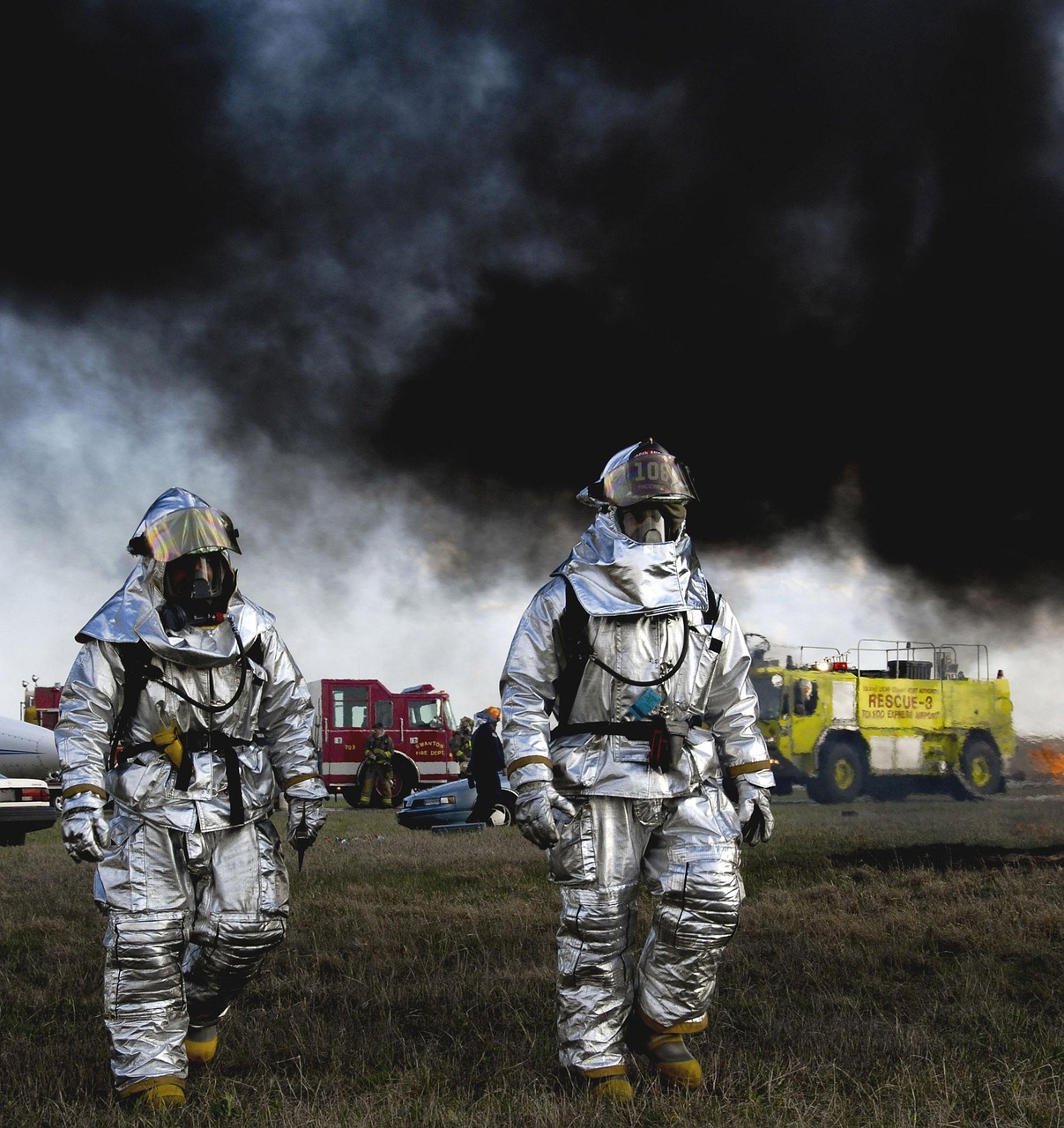
Crisis Management refers to the systematic process by which an organization prepares for, responds to, and recovers from events that threaten its operations, reputation, or survival. The discipline integrates risk assessment, strategic planning, communication, and decision‑making to minimize negative outcomes. Below is a comprehensive glossary of essential terms and vocabulary that learners of the Masterclass Certificate in Risk Management Strategies and Practices must master. Each entry includes a clear definition, illustrative example, practical application, and common challenges faced in real‑world settings.
Crisis – A sudden, high‑impact event that disrupts normal business functions and requires immediate attention. Crises can be natural (e.g., earthquakes), technological (e.g., data breach), or human‑made (e.g., terrorism). Example: A manufacturing plant experiences a fire that halts production for weeks. Practical application: Organizations develop a crisis response protocol that outlines who is notified, what actions are taken, and how communication flows. Challenge: Distinguishing a crisis from a routine incident can be difficult when early signs are ambiguous.
Incident – Any occurrence that may lead to a crisis if not contained. Incidents are often lower in severity but still require documentation. Example: A minor slip‑and‑fall injury in the office lobby. Practical application: Incident reporting forms feed into trend analysis to identify emerging hazards. Challenge: Under‑reporting due to fear of blame can obscure early warning signs.
Emergency – A situation demanding urgent action to protect life, health, or property. Emergencies are usually short‑term but can evolve into larger crises. Example: A chemical spill in a laboratory that threatens staff safety. Practical application: Activate the Emergency Operations Center (EOC) to coordinate response resources. Challenge: Maintaining rapid decision‑making while ensuring accurate information.
Disaster – A large‑scale event that overwhelms local response capacities and often requires external assistance. Disasters can be natural (hurricanes) or man‑made (cyber‑attacks). Example: A coastal city is hit by a Category 5 hurricane, causing widespread power outages. Practical application: Conduct a Business Impact Analysis (BIA) to prioritize critical functions for recovery. Challenge: Coordinating with multiple agencies and jurisdictions, each with its own protocols.
Threat – A potential source of harm that could exploit a vulnerability. Threats can be intentional (e.g., insider sabotage) or unintentional (e.g., equipment failure). Example: An employee with privileged access who may misuse data. Practical application: Perform a threat assessment to rank threats by likelihood and impact. Challenge: Rapidly changing threat landscapes, especially in cyberspace.
Hazard – A condition or object with the potential to cause loss. Hazards are often physical (e.g., fire) but can also be informational (e.g., unencrypted data). Example: Storing flammable chemicals near heat sources. Practical application: Implement engineering controls such as proper ventilation to mitigate hazards. Challenge: Identifying hidden hazards that are not obvious during routine inspections.
Risk – The combination of likelihood and consequence of a threat exploiting a vulnerability. Risk is expressed as a numeric value or qualitative rating. Example: A 20 % probability of a ransomware attack causing $2 million in losses. Practical application: Use a risk matrix to visualize and prioritize risks for treatment. Challenge: Accurate estimation of probability, especially for low‑frequency, high‑impact events.
Vulnerability – A weakness that increases the probability of a threat succeeding. Vulnerabilities can be technical (software bugs) or organizational (lack of training). Example: Outdated operating systems lacking security patches. Practical application: Conduct regular penetration testing to uncover technical vulnerabilities. Challenge: Balancing remediation costs against the benefit of risk reduction.
Resilience – The capacity of an organization to absorb, adapt, and recover from disruptions while maintaining essential functions. Example: A retailer that quickly shifts to online sales after a store‑wide power outage. Practical application: Build redundancy into critical supply‑chain links to enhance resilience. Challenge: Measuring resilience quantitatively and justifying investment to senior leadership.
Business Continuity – The discipline of ensuring that essential business processes can continue during and after a disruption. It includes planning, testing, and maintaining continuity capabilities. Example: A financial services firm that activates a backup data center when the primary site fails. Practical application: Draft a Business Continuity Plan (BCP) that defines recovery strategies and responsibilities. Challenge: Keeping the BCP current amid frequent organizational changes.
Incident Command System (ICS) – A standardized, on‑scene management structure that enables coordinated response among multiple agencies. It defines roles such as Incident Commander, Operations Section Chief, and Logistics Section Chief. Example: During a flood, the local fire department, police, and public health agency all operate under a unified ICS. Practical application: Train staff in ICS principles to improve cross‑agency collaboration. Challenge: Aligning corporate culture with the hierarchical nature of ICS.
Emergency Operations Center (EOC) – A central location where senior leaders and support staff coordinate emergency response, resource allocation, and communication. Example: A corporate EOC is activated to manage a cyber‑incident affecting multiple sites. Practical application: Equip the EOC with real‑time dashboards, communication tools, and decision‑support software. Challenge: Ensuring the EOC remains functional when primary facilities are compromised.
Stakeholder – Any individual, group, or entity with an interest in the organization’s operations, including employees, customers, regulators, suppliers, and the community. Example: A regulator who must be notified of a data breach within 72 hours. Practical application: Develop a stakeholder map to identify communication needs and priorities. Challenge: Balancing conflicting stakeholder expectations during a crisis.
Incident Commander – The person with ultimate authority over incident response actions. The Incident Commander establishes objectives, assigns resources, and ensures safety. Example: The Chief Information Security Officer (CISO) becomes Incident Commander during a ransomware attack. Practical application: Assign a designated Incident Commander in the crisis management plan and provide training. Challenge: Rapidly assuming command when the incident’s scope is unclear.
Crisis Manager – A senior executive responsible for overseeing the overall crisis response, coordinating with the Incident Commander, and handling strategic communication. Example: The CEO acts as Crisis Manager to address media inquiries and reassure investors. Practical application: Establish a Crisis Management Team (CMT) with defined roles, including a Crisis Manager. Challenge: Maintaining focus on both operational details and strategic messaging.
Situation Report (SitRep) – A concise, regularly updated document that summarizes the current status, actions taken, and next steps of an incident. Example: An hourly SitRep includes the number of affected users, systems restored, and pending tasks. Practical application: Use a template that captures key metrics, resource status, and risk updates. Challenge: Producing accurate SitReps under time pressure while avoiding information overload.
After‑Action Review (AAR) – A structured debrief conducted after a crisis to evaluate performance, capture lessons learned, and recommend improvements. Example: Following a major power outage, the AAR identifies gaps in backup generator testing. Practical application: Document findings in a formal lessons‑learned repository for future reference. Challenge: Encouraging honest feedback without fear of punitive action.
Business Impact Analysis (BIA) – A systematic process to identify critical business functions, assess the impact of their disruption, and determine recovery priorities. Example: The BIA reveals that order‑processing systems have a maximum tolerable downtime of four hours. Practical application: Use BIA results to set Recovery Time Objectives (RTOs) and allocate resources. Challenge: Gathering accurate data from all departments, especially those that view the analysis as intrusive.
Continuity Plan – A documented set of procedures that outlines how an organization will continue essential operations during and after a disruption. Example: A continuity plan for the finance department includes remote‑work procedures and alternate banking arrangements. Practical application: Conduct regular tabletop exercises to test plan assumptions. Challenge: Maintaining plan relevance as technology and processes evolve.
Mitigation – Actions taken to reduce the likelihood or impact of a risk. Mitigation can be technical, procedural, or strategic. Example: Installing fire suppression systems to lower the risk of fire damage. Practical application: Prioritize mitigation measures based on cost‑benefit analysis. Challenge: Securing budget approval for mitigation projects that do not provide immediate ROI.
Preparedness – The state of being ready to respond effectively to an incident, achieved through training, drills, resource allocation, and planning. Example: Annual emergency‑drill simulations for all employees. Practical application: Develop a preparedness calendar that schedules training, audits, and equipment checks. Challenge: Overcoming complacency when no recent incidents have occurred.
Response – The set of actions taken to contain, mitigate, and resolve an incident after it has occurred. Example: Deploying a rapid‑response team to repair a ruptured water main. Practical application: Follow a predefined response playbook that outlines step‑by‑step actions. Challenge: Balancing speed with thoroughness to avoid secondary problems.
Recovery Phase – The period after immediate response when the organization works to restore normal operations, repair damage, and implement improvements. Example: Restoring full IT services after a cyber‑attack and conducting a post‑mortem analysis. Practical application: Track recovery progress against RTOs and RPOs. Challenge: Managing stakeholder expectations while rebuilding.
Prevention – Measures designed to stop an incident from occurring in the first place. Prevention is often more cost‑effective than response. Example: Conducting regular security awareness training to prevent phishing attacks. Practical application: Integrate preventive controls into daily workflows. Challenge: Measuring the effectiveness of preventive actions that, by definition, result in no incidents.
Contingency Planning – The development of alternative courses of action to be implemented if primary plans fail. Example: A secondary supplier contract activated when the primary supplier cannot deliver. Practical application: Create a decision matrix that triggers contingency activation based on predefined criteria. Challenge: Keeping contingency arrangements viable and up‑to‑date.
Scenario Planning – The practice of envisioning multiple plausible future events to test the robustness of strategies and plans. Example: Simulating a pandemic scenario that impacts global supply chains. Practical application: Run scenario‑based tabletop exercises with senior leadership. Challenge: Avoiding bias toward familiar scenarios and ensuring realistic assumptions.
Red Team – An independent group that adopts an adversarial perspective to test the organization’s defenses and response capabilities. Example: A Red Team conducts a simulated cyber‑attack to evaluate detection and response. Practical application: Schedule periodic Red‑Team exercises and incorporate findings into risk treatment. Challenge: Ensuring Red‑Team activities do not disrupt normal operations.
Black Swan – A rare, unpredictable event with severe consequences that is often rationalized after the fact. Example: The sudden emergence of a novel virus that leads to a global pandemic. Practical application: Build flexible, adaptive response capabilities that can handle unknown unknowns. Challenge: Allocating resources to low‑probability events without compromising day‑to‑day operations.
Grey Swan – An event that is unlikely but conceivable, lying between a Black Swan and a more predictable risk. Example: A major cyber‑attack targeting critical infrastructure that has been discussed in industry forums. Practical application: Conduct focused risk assessments on grey‑swan scenarios to develop targeted mitigation. Challenge: Convincing decision‑makers to invest in mitigation for events that may never materialize.
Risk Appetite – The amount of risk an organization is willing to accept in pursuit of its objectives. Example: A tech startup may accept higher security risk to accelerate product release. Practical application: Align risk‑treatment decisions with the stated risk appetite. Challenge: Communicating risk appetite across the organization and ensuring consistent application.
Risk Tolerance – The specific level of risk the organization can bear for a particular activity or asset. Example: Tolerating a 1 % chance of data loss for non‑critical archival data. Practical application: Use risk tolerance thresholds to guide decision‑making on controls. Challenge: Defining tolerances in quantitative terms that are understandable to non‑technical stakeholders.
Escalation Protocol – A predefined set of rules that dictate when and how an incident is elevated to higher authority levels. Example: If a data breach exceeds 5,000 records, the incident escalates to the C‑suite. Practical application: Embed escalation triggers in incident‑management software for automatic alerts. Challenge: Avoiding “alert fatigue” when too many incidents trigger escalations.
Communication Protocol – The formal process that governs how information is shared internally and externally during a crisis. Example: All media statements must be approved by the Public Information Officer (PIO) before release. Practical application: Develop a crisis communication plan that lists approved channels, spokespersons, and message templates. Challenge: Maintaining consistent messaging across multiple platforms and time zones.
Media Relations – The management of interactions with journalists, broadcasters, and online influencers during a crisis. Example: Holding a press conference to address a product recall. Practical application: Assign a dedicated spokesperson and provide media training to key executives. Challenge: Controlling the narrative when misinformation spreads quickly on social media.
Public Information Officer (PIO) – The designated individual responsible for disseminating accurate information to the public and media. Example: The PIO issues an evacuation notice during a chemical leak. Practical application: Maintain a library of pre‑approved statements for common crisis types. Challenge: Balancing transparency with legal confidentiality constraints.
Crisis Communication Plan – A documented strategy that outlines how an organization will communicate with stakeholders before, during, and after a crisis. Example: The plan includes templates for email alerts, social‑media posts, and website updates. Practical application: Conduct regular drills to test the speed and effectiveness of communication channels. Challenge: Updating the plan to reflect new communication platforms and changing stakeholder expectations.
Message Framing – The technique of shaping information to influence perception, often emphasizing responsibility, empathy, and actionable steps. Example: Framing a product recall as “a proactive step to protect our customers” rather than “a mistake.” Practical application: Use consistent language across all messages to reinforce trust. Challenge: Avoiding overly defensive language that can erode credibility.
Stakeholder Mapping – The process of identifying and categorizing stakeholders based on influence, interest, and impact. Example: Mapping regulators, customers, and investors on a matrix to prioritize communication. Practical application: Update the stakeholder map annually or after major organizational changes. Challenge: Ensuring the map reflects dynamic relationships, especially in fast‑growing firms.
Crisis Leadership – The set of competencies required to guide an organization through uncertainty, including decisive action, empathy, and clear communication. Example: A CEO who openly acknowledges a mistake, outlines corrective steps, and rallies the workforce. Practical application: Include crisis‑leadership training in executive development programs. Challenge: Balancing the need for rapid decisions with the risk of insufficient information.
Decision‑Making – The process of selecting a course of action from multiple alternatives, often under time pressure and incomplete data. Example: Choosing between shutting down a data center or isolating a compromised network segment. Practical application: Use decision‑support tools such as risk dashboards to inform choices. Challenge: Cognitive biases, such as anchoring or groupthink, can impair judgment.
Command and Control – The authority structure that defines who makes decisions, who executes them, and how information flows. Example: In an incident, the Incident Commander issues orders that are relayed through the Operations Section. Practical application: Clearly document the command hierarchy in the crisis management plan. Challenge: Maintaining clear lines of authority when multiple agencies or business units are involved.
Chain of Command – The sequential flow of authority from top‑level executives down to operational staff. Example: The chain of command for a data breach starts with the CISO, then the IT Operations Manager, and finally the help‑desk team. Practical application: Communicate the chain of command to all employees during onboarding. Challenge: Disruption of the chain due to personnel turnover or remote work arrangements.
Authority – The legally or organizationally granted power to make decisions and allocate resources. Example: The authority to declare a corporate emergency rests with the Board Chair. Practical application: Document authority levels in the escalation protocol. Challenge: Ambiguities in authority can cause delays during high‑stress situations.
Delegation – The assignment of responsibility and authority to others while retaining overall accountability. Example: The Crisis Manager delegates media liaison duties to the Communications Director. Practical application: Use delegation matrices to clarify who is responsible for each task. Challenge: Over‑delegation can lead to loss of control; under‑delegation can overload senior leaders.
Incident Management System (IMS) – An integrated software platform that tracks incidents, resources, communications, and documentation throughout the lifecycle. Example: An IMS logs the timeline of a ransomware attack, from detection to recovery. Practical application: Choose an IMS that supports mobile access and real‑time data synchronization. Challenge: Ensuring data integrity and security of the IMS itself during a crisis.
Lessons Learned – Knowledge gained from analyzing what worked and what did not during an incident, intended to improve future performance. Example: A post‑incident review reveals that the backup restoration process was slower than expected due to outdated hardware. Practical application: Incorporate lessons into updated SOPs and training curricula. Challenge: Translating abstract insights into concrete, actionable changes.
Operational Resilience – The ability of core processes to continue delivering value despite disruptions. It focuses on maintaining service levels and meeting regulatory obligations. Example: A bank maintains transaction processing through a secondary data center during a power failure. Practical application: Conduct regular resilience testing of critical applications. Challenge: Aligning resilience objectives with cost constraints and compliance requirements.
Supply Chain Risk – The exposure to loss arising from disruptions in the flow of goods, services, or information across the supply chain. Example: A single‑source supplier for a key component experiences a factory fire. Practical application: Develop a supplier‑risk assessment framework and maintain alternative sources. Challenge: Global supply chains introduce geopolitical, logistical, and cultural complexities.
Cybersecurity Incident – An event that compromises the confidentiality, integrity, or availability of information systems. Example: An attacker exploits a zero‑day vulnerability to exfiltrate customer data. Practical application: Follow an incident‑response playbook that includes containment, eradication, and recovery steps. Challenge: Rapidly evolving threat vectors require continuous skill development and technology upgrades.
Data Breach – The unauthorized acquisition, access, or disclosure of sensitive information. Example: A misconfigured cloud storage bucket exposes personal records of thousands of customers. Practical application: Implement encryption, access controls, and regular audits to reduce breach risk. Challenge: Legal and regulatory reporting obligations often have strict deadlines and severe penalties.
Reputation Risk – The potential for negative public perception to damage brand value, customer trust, or market position. Example: A product recall that receives extensive media coverage, leading to a drop in sales. Practical application: Monitor social media sentiment in real time and respond promptly to misinformation. Challenge: Reputation damage can persist long after the original incident is resolved.
Legal Liability – The responsibility for legal consequences arising from failure to meet statutory, contractual, or fiduciary duties. Example: A company faces lawsuits after a workplace accident that could have been prevented. Practical application: Engage legal counsel early in the crisis to assess exposure and guide response. Challenge: Balancing transparent communication with the need to protect privileged information.
Insurance – A risk‑transfer mechanism that provides financial compensation for covered losses. Example: Business interruption insurance pays for lost revenue during a forced shutdown. Practical application: Review policy terms annually to ensure coverage aligns with current risk profile. Challenge: Policy exclusions and limits may leave gaps in protection, requiring supplemental risk‑mitigation strategies.
Business Interruption Insurance – A specific type of coverage that compensates for lost income and extra expenses when normal operations are halted. Example: A fire damages a manufacturing plant, and the policy covers payroll and rent for the downtime period. Practical application: Document all fixed and variable costs to support claims. Challenge: Proving causation and quantifying indirect losses can be complex and time‑consuming.
Crisis Management Team (CMT) – A cross‑functional group assembled to coordinate response actions, communications, and recovery efforts. Example: The CMT includes representatives from IT, HR, Legal, Communications, and Operations. Practical application: Conduct regular CMT meetings and exercises to maintain readiness. Challenge: Ensuring all members have the authority and resources needed during an actual event.
Emergency Response Team (ERT) – Personnel trained to perform immediate protective actions, such as fire suppression, first aid, or evacuation assistance. Example: An ERT member initiates a shutdown of gas lines during a leak. Practical application: Provide periodic refresher training and equipment checks. Challenge: Coordinating ERT activities with broader organizational response without causing confusion.
Crisis Management Framework – The overarching structure that defines policies, processes, roles, and tools for managing crises. It often incorporates standards such as ISO 22301 (Business Continuity) and ISO 31000 (Risk Management). Example: The framework outlines the phases of prevention, preparedness, response, and recovery. Practical application: Align the framework with existing governance structures for seamless integration. Challenge: Customizing a generic framework to fit the unique culture and operations of the organization.
Crisis Management Cycle – The iterative sequence of activities that repeat over time: risk identification, assessment, mitigation, preparedness, response, recovery, and improvement. Example: After each incident, the cycle returns to risk identification to capture new threats. Practical application: Use the cycle as a roadmap for continuous improvement. Challenge: Preventing complacency after successful recovery, which can lead to erosion of vigilance.
Crisis Management Process – The detailed set of steps that guide the organization from detection of a potential event through to resolution and post‑incident analysis. Example: The process includes detection, escalation, activation, response, recovery, and closure. Practical application: Document each step in a standard operating procedure (SOP) manual. Challenge: Maintaining flexibility within a structured process to accommodate unexpected variables.
Crisis Management Plan – The written document that consolidates the crisis management process, roles, communication strategies, and resources. Example: The plan contains annexes for specific incident types, such as cyber‑attack, natural disaster, and product recall. Practical application: Store the plan in both physical and digital formats, accessible from multiple locations. Challenge: Keeping the plan current as business processes, technology, and personnel change.
Incident Response Plan – A focused subset of the crisis management plan that deals specifically with information‑security events. Example: The plan outlines steps for containment, forensic analysis, and notification after a breach. Practical application: Align the incident response plan with industry frameworks such as NIST CSF. Challenge: Coordinating between IT security teams and broader business units to avoid siloed responses.
Emergency Preparedness – The set of activities that ensure an organization can respond swiftly and effectively when an emergency occurs. Example: Conducting fire‑drill simulations quarterly. Practical application: Maintain an inventory of emergency supplies, such as first‑aid kits and backup power. Challenge: Balancing preparedness activities with day‑to‑day operational demands.
Business Continuity Management (BCM) – The governance and management framework that ensures an organization can continue critical functions during a disruption. Example: BCM includes policy development, risk assessment, BIA, strategy development, and testing. Practical application: Assign a BCM coordinator to oversee plan development and testing cycles. Challenge: Integrating BCM activities with other risk‑management initiatives to avoid duplication.
Risk Assessment – The systematic identification, analysis, and evaluation of risks to determine their significance. Example: Assessing the likelihood and impact of a ransomware attack on financial systems. Practical application: Use a risk‑assessment questionnaire to capture inputs from different business units. Challenge: Ensuring consistent methodology across diverse parts of the organization.
Risk Register – A living document that records all identified risks, their owners, assessment results, treatment actions, and status updates. Example: The register lists a risk titled “Supply‑chain disruption due to geopolitical tension” with an assigned owner. Practical application: Review the risk register quarterly and update mitigation actions. Challenge: Preventing the register from becoming a static repository that is rarely consulted.
Risk Matrix – A visual tool that plots likelihood on one axis and impact on the other, helping prioritize risks for treatment. Example: A high‑likelihood, high‑impact risk falls into the red quadrant, indicating immediate action is required. Practical application: Use the matrix during risk workshops to engage stakeholders in prioritization. Challenge: Subjectivity in assigning scores can lead to inconsistent rankings.
Likelihood – The probability that a given threat will materialize and affect an asset or process. Example: A 30 % likelihood of a severe storm hitting the region based on historical data. Practical application: Use statistical models or expert judgment to estimate likelihood. Challenge: Limited data for rare events can make probability estimates unreliable.
Impact – The magnitude of loss or damage that would result if a risk materializes. Impacts can be financial, operational, reputational, or regulatory. Example: An impact of $10 million in lost revenue from a prolonged IT outage. Practical application: Quantify impact in monetary terms where possible to facilitate cost‑benefit analysis. Challenge: Intangible impacts, such as brand erosion, are difficult to quantify.
Severity – A combined measure of likelihood and impact that indicates the overall seriousness of a risk. Example: A risk with moderate likelihood but catastrophic impact is deemed “high severity.” Practical application: Use severity ratings to allocate resources to the most critical risks. Challenge: Over‑reliance on severity can obscure cumulative effects of multiple low‑severity risks.
Criticality – The importance of a system, process, or asset to the organization’s mission. Critical assets receive higher priority in continuity planning. Example: The payment‑processing system is classified as “critical” for a retailer. Practical application: Conduct a criticality assessment to rank assets and allocate backup resources. Challenge: Misidentifying critical assets can lead to inadequate protection.
Trigger – A predefined condition that initiates a specific response, such as activating a continuity plan. Example: When server CPU usage exceeds 90 % for more than 15 minutes, the incident response is triggered. Practical application: Automate trigger detection using monitoring tools and alerting systems. Challenge: Setting thresholds too low can cause unnecessary escalations; too high can delay response.
Activation – The formal commencement of a crisis or continuity plan following a trigger event. Example: The EOC is activated after a severe weather warning is issued. Practical application: Document activation procedures, including who must be notified and what resources are mobilized. Challenge: Ensuring swift activation without causing panic or confusion.
Deactivation – The orderly termination of a crisis response once the situation is resolved and normal operations can resume. Example: The EOC is deactivated after the floodwaters recede and facilities are inspected. Practical application: Conduct a debrief and archive all documentation for future reference. Challenge: Determining the exact point of “normalcy” can be subjective.
Recovery Time Objective (RTO) – The maximum acceptable duration that a business process can be unavailable after a disruption before causing unacceptable consequences. Example: An RTO of four hours for the order‑fulfillment system. Practical application: Design recovery strategies that meet the RTO, such as hot‑site replication. Challenge: Achieving short RTOs may require costly infrastructure investments.
Recovery Point Objective (RPO) – The maximum acceptable amount of data loss measured in time, indicating how far back in time data can be restored. Example: An RPO of 30 minutes for customer transaction logs. Practical application: Implement frequent data backups or continuous data protection to meet the RPO. Challenge: Balancing RPO requirements with storage costs and network bandwidth.
Business Continuity Plan (BCP) – The comprehensive set of procedures, resources, and responsibilities that enable an organization to continue essential functions during a disruption. Example: The BCP includes alternate work‑from‑home arrangements, backup power provisions, and communication trees. Practical application: Test the BCP annually through full‑scale simulations. Challenge: Keeping the plan aligned with evolving business processes and technology platforms.
Crisis Simulation – A realistic exercise that replicates a crisis scenario to test response capabilities, decision‑making, and communication. Example: Simulating a ransomware attack that encrypts critical files and demands payment. Practical application: Use a scenario script, inject realistic stressors, and evaluate performance against predefined criteria. Challenge: Ensuring participants treat the simulation seriously while avoiding excessive anxiety.
Tabletop Exercise – A discussion‑based simulation where participants walk through a scenario using the crisis plan, without actual deployment of resources. Example: A tabletop exercise on a product recall where the team reviews notification procedures. Practical application: Conduct tabletop exercises quarterly to reinforce roles and procedures. Challenge: Maintaining engagement and realism when no physical actions are taken.
Functional Exercise – An exercise that tests specific functions or capabilities, such as communication or logistics, in a controlled environment. Example: Testing the emergency notification system’s ability to send SMS alerts to all employees. Practical application: Isolate the function, define success criteria, and record outcomes. Challenge: Coordinating multiple functional exercises without overloading staff.
Integrated Exercise – A comprehensive drill that combines multiple functions, departments, and external partners to evaluate end‑to‑end response. Example: An integrated exercise involving IT, facilities, public safety, and a third‑party logistics provider during a simulated warehouse fire. Practical application: Develop a master schedule that synchronizes activities across all participants. Challenge: Managing logistical complexity and ensuring consistent objectives across diverse entities.
Crisis Drill – A rapid, often unannounced test of specific response actions to gauge readiness. Example: A surprise fire‑alarm drill to assess evacuation speed. Practical application: Conduct drills at random intervals to prevent complacency. Challenge: Balancing the need for realistic testing with the risk of causing unnecessary disruption.
Crisis Metrics – Quantitative measures used to assess the effectiveness of crisis response, such as time to containment, stakeholder satisfaction, or financial loss. Example: Measuring the average time from detection to containment for cybersecurity incidents. Practical application: Establish key performance indicators (KPIs) and track them over time. Challenge: Selecting metrics that are both meaningful and actionable.
Key Performance Indicators (KPIs) – Specific, measurable values that demonstrate how effectively an organization is achieving its crisis‑management objectives. Example: KPI: “Percentage of critical systems restored within the defined RTO.” Practical application: Review KPI trends in quarterly risk‑management meetings. Challenge: Over‑reliance on KPI numbers can obscure qualitative aspects like morale or reputational impact.
Real‑time Monitoring – Continuous observation of systems, environments, or processes to detect anomalies that may indicate an emerging incident. Example: A security information and event management (SIEM) system that flags abnormal login activity. Practical application: Set up dashboards that display key health indicators and alert thresholds. Challenge: Managing alert fatigue and ensuring that real‑time data is accurate and actionable.
Early Warning System – A set of tools and processes that provide advance notice of potential threats, enabling proactive mitigation. Example: Weather‑alert services that warn of severe storms hours before they arrive. Practical application: Integrate external feeds (e.g., threat‑intel platforms) with internal monitoring tools. Challenge: Differentiating true warnings from false positives to avoid unnecessary mobilization.
Alert – A notification, often automated, indicating that a predefined condition has been met and that attention is required. Example: An email alert sent to the CMT when a critical server goes offline. Practical application: Use multi‑channel alerts (SMS, push notification, email) to reach all relevant parties. Challenge: Ensuring alerts reach the intended recipients promptly, especially during network outages.
Notification – The formal act of informing stakeholders about an incident, status, or required action. Example: Notifying customers of a data breach and providing steps to protect their accounts. Practical application: Maintain pre‑approved notification templates to speed up the process. Challenge: Balancing the need for rapid notification with the need for accurate, legally compliant information.
Command Post – A temporary or permanent location where command and control functions are exercised during an incident. Example: A mobile command post set up
Key takeaways
- Crisis Management refers to the systematic process by which an organization prepares for, responds to, and recovers from events that threaten its operations, reputation, or survival.
- Practical application: Organizations develop a crisis response protocol that outlines who is notified, what actions are taken, and how communication flows.
- Practical application: Incident reporting forms feed into trend analysis to identify emerging hazards.
- Practical application: Activate the Emergency Operations Center (EOC) to coordinate response resources.
- Disaster – A large‑scale event that overwhelms local response capacities and often requires external assistance.
- Practical application: Perform a threat assessment to rank threats by likelihood and impact.
- Practical application: Implement engineering controls such as proper ventilation to mitigate hazards.