
introduction to child and adolescent bibliotherapy
The Advanced Certificate in Child and Adolescent Bibliotherapy is designed to equip professionals with the knowledge and skills necessary to utilize bibliotherapy as a therapeutic tool in supporting children and adolescents. Bibliotherapy r…
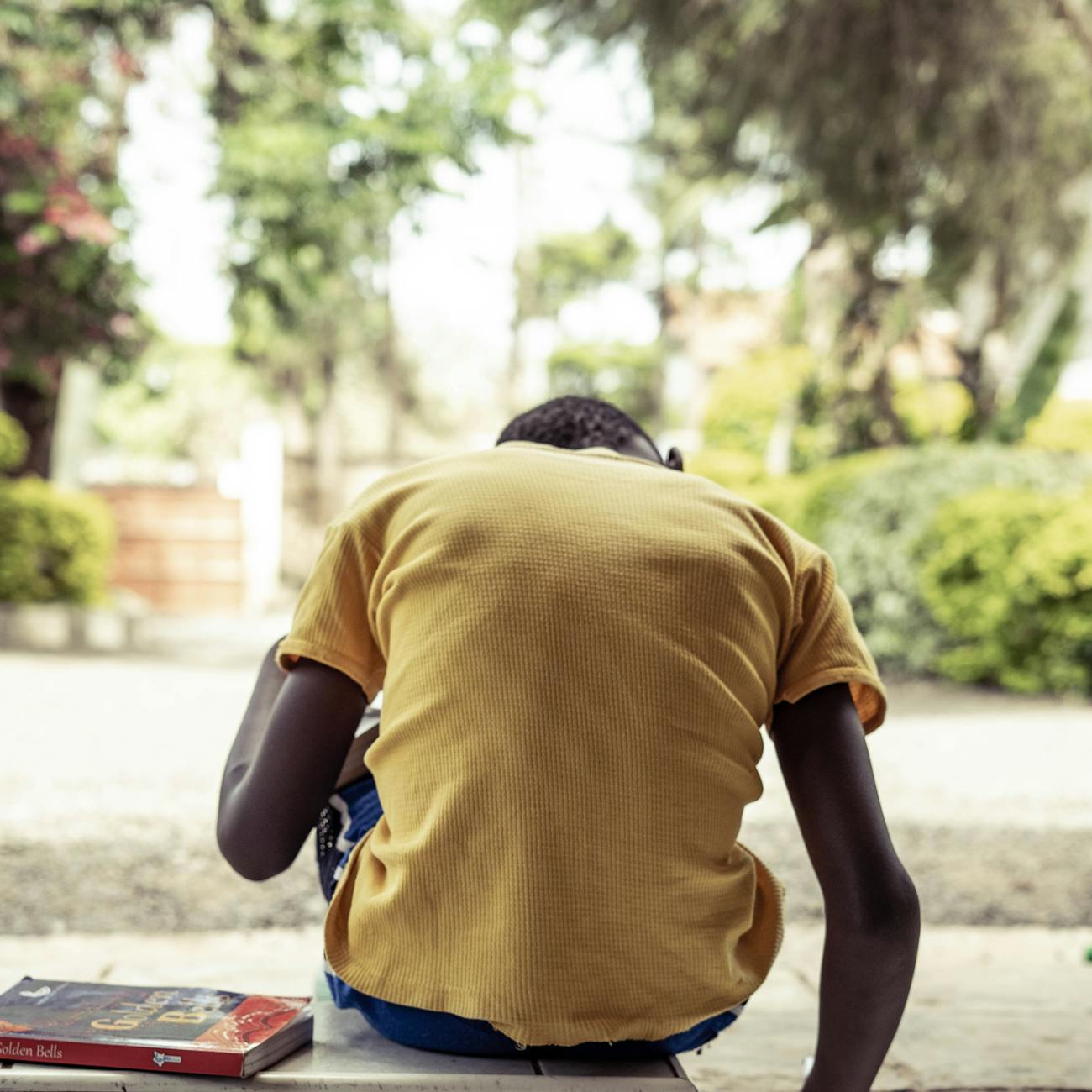
The Advanced Certificate in Child and Adolescent Bibliotherapy is designed to equip professionals with the knowledge and skills necessary to utilize bibliotherapy as a therapeutic tool in supporting children and adolescents. Bibliotherapy refers to the use of books and other written materials to help individuals cope with emotional and behavioral challenges. This approach is based on the idea that reading about characters and experiences similar to one's own can provide a sense of connection and validation, and can facilitate personal growth and change.
In the context of child and adolescent development, bibliotherapy can be a particularly useful tool. Children and adolescents are constantly navigating new experiences and emotions, and may struggle to articulate their feelings or concerns. Through bibliotherapy, professionals can provide young people with a safe and supportive environment in which to explore their thoughts and feelings, and to develop coping strategies and resilience.
One of the key principles of bibliotherapy is the concept of identification. This refers to the process by which individuals identify with characters or experiences in a book, and see themselves reflected in the story. Identification can be a powerful catalyst for personal growth and change, as it allows individuals to process and make sense of their emotions and experiences in a safe and supportive environment.
In order to facilitate identification and promote therapeutic growth, professionals must carefully select books that are relevant to the individual's needs and concerns. This may involve considering factors such as the individual's age, background, and circumstances, as well as their specific challenges and goals. Professionals must also be skilled in creating a supportive and non-judgmental environment, in which individuals feel comfortable exploring their thoughts and feelings.
Bibliotherapy can be used to support children and adolescents with a wide range of needs and concerns, including anxiety, depression, trauma, and relationship issues. It can also be used to promote self-esteem, confidence, and resilience, and to support individuals in developing healthy coping strategies and mechanisms.
In addition to its therapeutic applications, bibliotherapy can also be used as a preventative tool. By providing children and adolescents with access to books and other written materials that promote healthy relationships, self-care, and coping strategies, professionals can help to prevent problems from arising in the first place. This approach is often referred to as proactive bibliotherapy, and can be a valuable addition to any support or intervention program.
When implementing bibliotherapy, professionals must be aware of the potential challenges and limitations of this approach. For example, some individuals may struggle to engage with books or other written materials, or may find it difficult to identify with characters or experiences. In these cases, professionals may need to adapt their approach, or to use alternative interventions in conjunction with bibliotherapy.
Despite these challenges, bibliotherapy can be a highly effective tool in supporting children and adolescents. By providing a safe and supportive environment in which to explore thoughts and feelings, and by promoting identification and connection, professionals can help young people to develop the skills and strategies necessary to navigate challenges and achieve their goals.
In terms of practical applications, bibliotherapy can be used in a variety of settings, including schools, hospitals, and community organizations. Professionals may work with individuals or groups, and may use a range of books and other written materials to support therapeutic growth and change.
One of the key benefits of bibliotherapy is its flexibility and adaptability. This approach can be tailored to meet the unique needs and concerns of each individual, and can be used in conjunction with other interventions or therapies. Additionally, bibliotherapy can be a highly cost-effective approach, as it often requires minimal equipment or resources.
In order to become proficient in the use of bibliotherapy, professionals must undergo specialized training and education. This may involve completing a certificate or diploma program in bibliotherapy, or participating in workshops or seminars on this topic. Professionals must also stay up-to-date with the latest research and developments in the field of bibliotherapy, and must be committed to ongoing professional development and growth.
The process of implementing bibliotherapy typically begins with an initial assessment or evaluation of the individual's needs and concerns. This may involve conducting interviews or surveys, or using standardized assessments or screening tools. Based on the results of this assessment, professionals can select books and other written materials that are relevant to the individual's needs and goals.
Once the books and materials have been selected, professionals can begin to implement the bibliotherapy intervention. This may involve reading the books with the individual, or providing guidance and support as they read the materials on their own. Professionals may also use discussion groups or activities to facilitate reflection and processing of the material.
Throughout the bibliotherapy process, professionals must be sensitive to the individual's emotional and psychological needs. This may involve providing a safe and supportive environment, or using strategies such as active listening and empathy to facilitate trust and rapport. Professionals must also be aware of their own biases and assumptions, and must strive to maintain a non-judgmental and objective stance.
In terms of evaluation and outcome measurement, professionals may use a range of tools and strategies to assess the effectiveness of the bibliotherapy intervention. This may involve conducting regular progress monitoring, or using standardized assessments or outcome measures to evaluate the individual's progress and growth.
Overall, bibliotherapy is a highly effective and flexible approach that can be used to support children and adolescents with a wide range of needs and concerns. By providing a safe and supportive environment, and by promoting identification and connection, professionals can help young people to develop the skills and strategies necessary to navigate challenges and achieve their goals. With its emphasis on emotional and psychological growth, bibliotherapy is an essential tool for any professional working with children and adolescents.
The use of fiction and non-fiction books in bibliotherapy is also an important consideration. Fiction books can provide a safe and imaginary environment for individuals to explore their thoughts and feelings, while non-fiction books can provide information and guidance on specific topics and issues. Professionals must be skilled in selecting books that are relevant to the individual's needs and concerns, and must be aware of the potential benefits and limitations of each type of book.
In addition to books, other written materials such as poetry and comics can also be used in bibliotherapy. These materials can provide a unique and creative outlet for individuals to express their thoughts and feelings, and can be particularly useful for individuals who struggle with traditional reading and writing activities.
The role of technology in bibliotherapy is also becoming increasingly important. With the rise of e-books and digital reading platforms, individuals can now access a wide range of books and written materials from anywhere in the world. Professionals must be aware of the potential benefits and limitations of digital bibliotherapy, and must be skilled in using technology to support therapeutic growth and change.
In terms of cultural and linguistic diversity, bibliotherapy can be a highly effective tool for supporting individuals from diverse backgrounds and communities. By providing access to books and written materials that reflect the individual's cultural and linguistic heritage, professionals can help to promote identification and connection, and can support individuals in developing a positive sense of identity and belonging.
The use of group bibliotherapy is also an important consideration. Group bibliotherapy involves working with a group of individuals who share similar needs and concerns, and can provide a supportive and social environment for individuals to explore their thoughts and feelings. Professionals must be skilled in facilitating group discussions and activities, and must be aware of the potential benefits and limitations of group bibliotherapy.
In addition to its therapeutic applications, bibliotherapy can also be used as a research tool. By studying the effects of bibliotherapy on individuals and groups, researchers can gain a deeper understanding of the processes and mechanisms underlying this approach, and can develop new and innovative ways to use bibliotherapy in supporting mental health and well-being.
The process of implementing bibliotherapy requires careful planning and preparation. Professionals must be skilled in selecting books and written materials that are relevant to the individual's needs and concerns, and must be aware of the potential benefits and limitations of this approach. Additionally, professionals must be committed to ongoing professional development and growth, and must stay up-to-date with the latest research and developments in the field of bibliotherapy.
In terms of future directions, the use of bibliotherapy is likely to continue to evolve and expand. With the increasing recognition of the importance of mental health and well-being, bibliotherapy is likely to become an even more essential tool for professionals working with children and adolescents. Additionally, the development of new and innovative technologies and approaches is likely to further enhance the effectiveness and efficacy of bibliotherapy.
The use of empirical evidence to support the effectiveness of bibliotherapy is also an important consideration. Additionally, the use of empirical evidence can help to establish bibliotherapy as a credible and evidence-based approach, and can increase its recognition and acceptance among professionals and organizations.
In terms of challenges and limitations, the use of bibliotherapy can be limited by a range of factors, including the individual's reading ability and motivation, as well as the availability and accessibility of books and written materials. Additionally, the use of bibliotherapy can be influenced by a range of cultural and linguistic factors, and professionals must be aware of these factors when implementing this approach.
The use of training and education to support the development of bibliotherapy skills is also an important consideration. Professionals must undergo specialized training and education to become proficient in the use of bibliotherapy, and must stay up-to-date with the latest research and developments in the field. Additionally, professionals must be committed to ongoing professional development and growth, and must be willing to adapt and evolve their practice in response to new challenges and opportunities.
In terms of resources and support, the use of bibliotherapy can be enhanced by a range of resources and supports, including books and written materials, technology and software, and professional networks and organizations. Professionals must be aware of these resources and supports, and must be skilled in using them to enhance the effectiveness and efficacy of bibliotherapy.
Key takeaways
- The Advanced Certificate in Child and Adolescent Bibliotherapy is designed to equip professionals with the knowledge and skills necessary to utilize bibliotherapy as a therapeutic tool in supporting children and adolescents.
- Through bibliotherapy, professionals can provide young people with a safe and supportive environment in which to explore their thoughts and feelings, and to develop coping strategies and resilience.
- Identification can be a powerful catalyst for personal growth and change, as it allows individuals to process and make sense of their emotions and experiences in a safe and supportive environment.
- In order to facilitate identification and promote therapeutic growth, professionals must carefully select books that are relevant to the individual's needs and concerns.
- Bibliotherapy can be used to support children and adolescents with a wide range of needs and concerns, including anxiety, depression, trauma, and relationship issues.
- This approach is often referred to as proactive bibliotherapy, and can be a valuable addition to any support or intervention program.
- For example, some individuals may struggle to engage with books or other written materials, or may find it difficult to identify with characters or experiences.