
Substance Abuse Treatment Options
Detoxification is the medically supervised process of allowing the body to eliminate a substance while safely managing the physiological effects of withdrawal. It is often the first step in a comprehensive treatment plan and is typically ca…
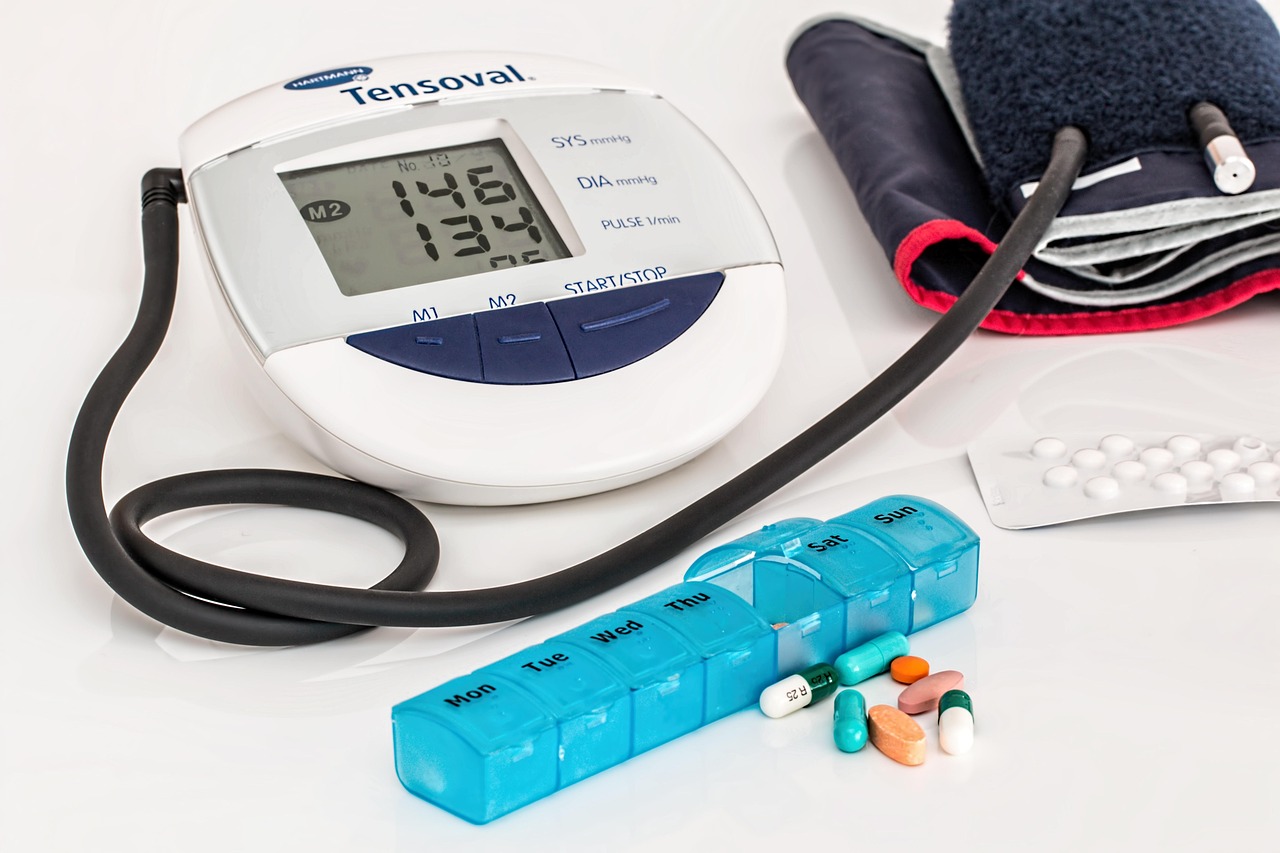
Detoxification is the medically supervised process of allowing the body to eliminate a substance while safely managing the physiological effects of withdrawal. It is often the first step in a comprehensive treatment plan and is typically carried out in a hospital, specialized detox unit, or an inpatient setting. For instance, a client dependent on heroin may undergo a 5‑day detox protocol where vital signs are monitored, and medications such as clonidine or methadone are administered to reduce autonomic hyperactivity. The primary challenge of detoxification is that it addresses only the physical dependence, not the psychological, social, or behavioral factors that contribute to continued substance use. Consequently, without immediate linkage to further therapeutic services, the risk of relapse remains high.
Pharmacotherapy refers to the use of medication to treat substance use disorders (SUDs). It includes a range of FDA‑approved drugs that either reduce cravings, block the effects of the abused substance, or alleviate withdrawal symptoms. An example of pharmacotherapy is the use of buprenorphine for opioid dependence. Buprenorphine is a partial opioid agonist that provides enough receptor activity to prevent withdrawal while producing a ceiling effect that limits euphoria and respiratory depression. Practical application involves prescribing a low dose under a qualified practitioner, then tapering the dose over weeks or months based on client response. Challenges include regulatory restrictions, stigma surrounding medication, and the need for ongoing monitoring to prevent diversion.
Medication‑Assisted Treatment (often abbreviated as MAT) is a subset of pharmacotherapy that combines medication with psychosocial counseling and behavioral therapies. The integration of these components is essential because medication alone does not address the complex patterns of thought, emotion, and environment that sustain addiction. For example, a client receiving methadone may also attend weekly cognitive‑behavioral therapy (CBT) sessions to develop coping skills and relapse‑prevention strategies. Research consistently shows that MAT reduces illicit opioid use, improves retention in treatment, and lowers mortality rates. However, barriers such as limited provider availability, insurance coverage gaps, and client misconceptions about “replacing one drug with another” can impede implementation.
Opioid Agonist Therapy involves the use of full agonist medications such as methadone to stabilize clients with opioid dependence. Methadone maintenance therapy (MMT) is delivered in specialized clinics where doses are typically administered daily under supervision. The therapeutic goal is to achieve a dose that suppresses withdrawal and cravings without causing intoxication. Practical application includes establishing a structured schedule, providing counseling, and monitoring for side effects. Challenges include the stigma attached to methadone, regulatory compliance, and the logistical burden of daily clinic visits, which can be especially problematic for clients who work or have childcare responsibilities.
Opioid Antagonist Therapy utilizes medications that block opioid receptors, preventing the euphoric effects of opioids. Naltrexone is a commonly used antagonist that can be administered orally on a daily basis or as a long‑acting injectable formulation (extended‑release naltrexone). An example of practical use is initiating a client who has completed detox and is motivated to maintain abstinence; the antagonist can support this goal by eliminating the reinforcing effects of any opioid use. Challenges include the need for complete detox before the first dose (to avoid precipitated withdrawal), adherence to daily oral regimens, and limited patient acceptance due to perceived lack of “craving relief.”
Disulfiram is a medication used primarily for alcohol dependence. It works by inhibiting aldehyde dehydrogenase, leading to an accumulation of acetaldehyde when alcohol is consumed, which produces unpleasant physiological reactions such as flushing, nausea, and palpitations. A practical scenario involves prescribing disulfiram to a client who demonstrates high motivation to remain abstinent and who can reliably avoid alcohol exposure. The main challenges are ensuring adherence, as the medication’s deterrent effect relies on the client’s willingness to take it consistently, and managing potential medical contraindications (e.G., Severe liver disease).
Acamprosate is another pharmacologic option for alcohol dependence that modulates glutamatergic neurotransmission, thereby reducing cravings and supporting abstinence. It is typically prescribed after a period of detox and is taken three times daily. An example of its use includes a client who has achieved early sobriety and wishes to maintain abstinence while engaging in counseling. Challenges include the need for strict adherence to multiple daily doses and the fact that its efficacy may be modest compared with other interventions, requiring combined use with psychosocial treatment.
Cognitive‑Behavioral Therapy (CBT) is a structured, time‑limited psychotherapy that focuses on identifying and modifying maladaptive thoughts, beliefs, and behaviors associated with substance use. In practice, a therapist may work with a client to recognize triggers such as “stressful work environments” and develop coping strategies like “deep‑breathing” or “structured problem‑solving.” CBT is evidence‑based and has demonstrated efficacy across a variety of substances, including alcohol, stimulants, and opioids. The challenges of CBT include the requirement for client engagement and homework completion, as well as the need for trained therapists who can adapt the manualized approach to diverse cultural contexts.
Motivational Interviewing (MI) is a client‑centered counseling style that enhances intrinsic motivation to change by exploring ambivalence. The therapist uses open‑ended questions, reflective listening, and affirmations to elicit “change talk.” For example, a practitioner might ask, “What are the things you value most that could be affected by your drinking?” This approach is particularly useful in early stages of treatment when clients may be reluctant to fully commit to abstinence. Challenges include the necessity for clinicians to maintain a non‑confrontational stance, which can be counterintuitive for professionals accustomed to directive approaches.
Contingency Management (CM) employs tangible rewards to reinforce positive behaviors such as attendance at therapy sessions or negative drug tests. A typical CM program might provide vouchers redeemable for groceries after each drug‑negative urine sample. Evidence shows CM can significantly increase abstinence rates, especially for stimulant‑using populations. Practical barriers include securing funding for incentives, ensuring fairness in reward distribution, and addressing ethical concerns about “paying” clients for behavior that should be intrinsic.
Dialectical Behavior Therapy (DBT) is a comprehensive treatment originally developed for borderline personality disorder but adapted for substance use disorders, especially those with co‑occurring emotional dysregulation. DBT combines individual therapy, skills training groups, and telephone coaching. Core skills include mindfulness, distress tolerance, emotion regulation, and interpersonal effectiveness. An example of application is teaching a client to use “self‑soothing” techniques during cravings, thereby reducing the likelihood of relapse. Challenges involve the intensity of the program (often a year‑long commitment) and the need for clinicians to be thoroughly trained in DBT’s multi‑modal structure.
12‑Step Facilitation is an approach that encourages participation in peer‑support groups such as Alcoholics Anonymous (AA) or Narcotics Anonymous (NA). The facilitator helps clients understand the 12‑step philosophy, the importance of sponsorship, and the process of working through the steps. Practical use may involve a therapist assigning “step work” as homework and discussing progress in subsequent sessions. While many clients find the fellowship supportive, challenges include cultural or religious objections to the spiritual components and the fact that not all individuals resonate with the 12‑step model.
Residential Treatment provides a structured, live‑in environment where clients receive intensive therapeutic services 24‑hours a day. Typical programs last from 30 to 90 days and combine individual counseling, group therapy, life‑skills training, and recreational activities. For example, a residential facility might offer a daily schedule that includes morning CBT, afternoon vocational training, and evening peer support meetings. The primary advantage is the removal of external triggers, but challenges include high cost, limited availability, and the need for careful transition planning to prevent relapse after discharge.
Outpatient Treatment allows clients to live at home while attending scheduled therapy sessions. Outpatient modalities range from traditional weekly counseling to more intensive formats such as Intensive Outpatient Programs (IOP) and Partial Hospitalization Programs (PHP). An IOP may involve three to five days per week of group and individual therapy, each session lasting 2‑3 hours. The flexibility of outpatient care makes it suitable for clients with employment or family responsibilities, but it also demands strong self‑discipline and robust support networks to manage cravings and environmental cues.
Case Management is a collaborative process that coordinates services across health, social, and legal domains to meet the comprehensive needs of the client. A case manager may arrange for housing assistance, connect the client with employment programs, and ensure continuity of medical care. For instance, a client leaving a residential program might receive a case manager who helps secure Medicaid enrollment, schedules follow‑up appointments with a psychiatrist, and liaises with a community recovery group. Challenges include the complexity of navigating fragmented service systems, limited funding for case management positions, and the potential for role overload among staff.
Harm Reduction is a public‑health oriented philosophy that seeks to minimize the negative consequences of drug use without necessarily requiring abstinence. Strategies include needle‑exchange programs, supervised consumption sites, and provision of naloxone kits to reverse opioid overdoses. An example of practical application is a community health center distributing sterile syringes and offering brief counseling on safer injection practices. While harm‑reduction approaches are effective in reducing disease transmission and overdose deaths, they often encounter political opposition and community resistance due to misconceptions that they “enable” drug use.
Relapse Prevention focuses on identifying high‑risk situations, developing coping strategies, and creating a balanced lifestyle that supports sustained recovery. A relapse‑prevention plan may incorporate techniques such as “urge surfing,” where the client observes cravings without acting on them, and “lifestyle balance,” which emphasizes regular exercise, adequate sleep, and social support. The challenge lies in the fact that relapse is a common and often expected part of the recovery journey; therefore, clinicians must frame relapse as a learning opportunity rather than a failure, which can be difficult for both providers and clients accustomed to a “no‑failure” narrative.
Abstinence‑Based treatment models prioritize complete cessation of substance use as the primary goal. Programs may use strict drug‑testing policies and enforce zero‑tolerance rules. An example is a therapeutic community that requires weekly urine screens and imposes sanctions for positive results. While abstinence‑based approaches can be effective for certain clients, they may not be suitable for individuals who are not yet ready to commit to total abstinence, and the punitive aspects can increase dropout rates.
Therapeutic Community (TC) is a structured, long‑term residential program that emphasizes peer‑led groups, communal responsibilities, and a hierarchy that encourages personal responsibility. Residents often take on “jobs” within the community, such as kitchen duties or mentorship of newer clients, which fosters a sense of purpose and accountability. Practical application includes daily “community meetings” where residents discuss progress and challenges. Challenges include the intensive nature of the program, potential for “peer pressure” to conform, and the need for careful screening to ensure that clients can thrive in a highly regimented environment.
Dual Diagnosis (also known as co‑occurring disorders) refers to the simultaneous presence of a substance use disorder and a mental health condition such as depression, anxiety, or schizophrenia. Integrated treatment plans address both conditions concurrently, rather than treating them sequentially. For example, a client with opioid dependence and major depressive disorder may receive MAT alongside antidepressant medication and CBT tailored to depressive symptoms. The primary challenge is the scarcity of clinicians trained in both addiction and mental health, as well as the complexity of medication interactions and overlapping symptomatology.
Screening is the systematic process of identifying individuals who may have a substance use problem. Tools such as the Alcohol Use Disorders Identification Test (AUDIT) or the Drug Abuse Screening Test (DAST) are commonly employed in primary care, emergency departments, and community settings. An example of a screening scenario is a nurse administering the AUDIT during a routine health check‑up and flagging a score of 12, which indicates hazardous drinking. Screening challenges include time constraints, staff discomfort discussing substance use, and false‑negative results due to underreporting.
Brief Intervention follows a positive screen and consists of a short, structured conversation aimed at increasing awareness of substance‑related risks and motivating change. The “FRAMES” model (Feedback, Responsibility, Advice, Menu of options, Empathy, Self‑efficacy) provides a framework for delivering brief interventions. For instance, a physician may spend five minutes discussing the health risks of binge drinking and offering resources for counseling. The main challenge is ensuring that brief interventions are delivered consistently and that referrals to more intensive services are available when needed.
Referral to Treatment (often abbreviated as RT) is the process of linking an individual who screens positive or expresses interest in treatment to appropriate services. Effective referral requires clear communication pathways, knowledge of local resources, and follow‑up to confirm that the client has engaged in care. An example is a social worker who, after a positive DAST screen, contacts a local outpatient addiction clinic, arranges an intake appointment, and follows up to ensure attendance. Barriers include limited service capacity, transportation difficulties, and client ambivalence.
Evidence‑Based Practice (EBP) denotes the integration of the best available research evidence with clinical expertise and client values to guide treatment decisions. In the context of substance abuse, EBP includes using interventions that have demonstrated efficacy in randomized controlled trials, such as CBT for alcohol use disorder or MAT for opioid dependence. Practical application involves clinicians staying current with research literature, participating in continuing education, and applying standardized outcome measures to monitor progress. Challenges include the rapid evolution of the evidence base, the gap between research settings and real‑world practice, and the need for organizational support to implement EBP.
Trauma‑Informed Care recognizes the high prevalence of adverse childhood experiences (ACEs) and other traumatic events among individuals with SUDs. It emphasizes safety, trustworthiness, choice, collaboration, and empowerment. For example, a therapist might ask about trauma history in a sensitive manner, provide options for pacing the discussion, and ensure the client feels in control of the therapeutic process. The challenge lies in balancing the need to address trauma with the risk of re‑traumatization, requiring specialized training and ongoing supervision.
Culturally Competent Care involves delivering services that are respectful of and responsive to the cultural, linguistic, and spiritual needs of diverse populations. An example includes providing bilingual counseling materials for Spanish‑speaking clients and incorporating culturally relevant metaphors when discussing recovery concepts. Practical challenges involve limited availability of culturally matched providers, the risk of stereotyping, and the necessity of continual self‑reflection by clinicians to avoid cultural bias.
Client‑Centered Approach places the client’s goals, preferences, and strengths at the forefront of treatment planning. This approach contrasts with a provider‑driven model by involving the client in decision‑making, such as selecting the type of therapy or choosing between medication options. An illustration might be a client expressing a desire to avoid pharmacologic interventions, leading the clinician to prioritize psychosocial therapies like MI and CBT. Barriers include time constraints during appointments, institutional policies that limit flexibility, and situations where client preferences may conflict with clinical guidelines.
Stigma is the social devaluation and discrimination associated with substance use disorders. Stigma can manifest in self‑directed shame, negative attitudes from health professionals, or discriminatory policies. An example of stigma in practice is a health‑care provider who assumes a client’s non‑adherence is due to “lack of willpower” rather than exploring systemic barriers. Reducing stigma requires education, language awareness (e.G., Using “person‑first” terminology), and institutional policies that promote respectful treatment. Overcoming stigma is challenging because it is deeply embedded in societal attitudes and can be reinforced by media portrayals.
Recovery Capital refers to the sum of internal and external resources that support sustained recovery. These resources include personal skills, social support networks, stable housing, employment, and access to health care. An example of building recovery capital is a client who secures a part‑time job, joins a peer‑support group, and engages in regular physical activity, thereby enhancing self‑efficacy and reducing relapse risk. The challenge lies in addressing deficits in recovery capital, such as homelessness or lack of familial support, which often require coordinated inter‑agency collaboration.
Peer Support involves individuals with lived experience of addiction providing emotional, informational, and instrumental assistance to others in recovery. Peer supporters may work as recovery coaches, lead support groups, or serve as navigators within treatment programs. For instance, a peer recovery coach might accompany a client to a first MAT appointment, share personal coping strategies, and model hopeful outcomes. Challenges include ensuring appropriate boundaries, providing adequate training for peers, and integrating peer staff into multidisciplinary teams without tokenism.
Aftercare denotes the continuum of services that follow completion of an intensive treatment episode. Aftercare may consist of ongoing outpatient counseling, support group attendance, medication management, and relapse‑prevention planning. A practical aftercare plan might schedule weekly CBT sessions for three months, monthly medication check‑ins, and daily attendance at an AA meeting. The primary challenge is maintaining client engagement over the long term, as motivation often wanes after the structured environment of intensive treatment ends.
Relapse is the return to substance use after a period of abstinence or controlled use. It is a common occurrence and should be viewed as part of the recovery trajectory rather than a final failure. Understanding the “relapse curve” helps clinicians anticipate periods of heightened vulnerability, such as holidays or stressful life events. An example of a relapse‑focused response is conducting a “relapse analysis” to identify trigger patterns, then revising the client’s coping plan accordingly. Challenges include client shame, potential punitive responses from treatment programs, and the need for rapid re‑engagement in services.
Tolerance refers to the physiological adaptation in which repeated exposure to a substance diminishes its effect, leading the individual to require larger doses to achieve the same effect. Tolerance can develop rapidly with substances such as benzodiazepines or opioids. A practical illustration is a client who escalates their benzodiazepine dosage from 2 mg to 8 mg over several weeks, indicating increasing tolerance. The challenge is that tolerance can mask the severity of dependence, and clinicians must carefully assess dosage escalation patterns to prevent overdose.
Withdrawal is the set of physical and psychological symptoms that occur when a substance is abruptly reduced or stopped. The severity and duration of withdrawal vary by substance; for example, alcohol withdrawal can progress to delirium tremens, while cannabis withdrawal is typically milder. Practical management includes using symptom‑triggered medications (e.G., Benzodiazepines for alcohol) and providing supportive care such as hydration and nutritional support. Challenges involve differentiating withdrawal from co‑occurring medical conditions and ensuring safe detox environments.
Craving is an intense desire or urge to use a substance, often triggered by internal states (e.G., Stress) or external cues (e.G., Seeing a bottle). Craving is a central component of relapse risk and is addressed through both pharmacologic and behavioral strategies. For example, a client may be taught “urge‑surfing” techniques to ride the craving wave without acting on it, while also receiving naltrexone to blunt the neurochemical drive. The challenge is that cravings can be unpredictable and may intensify in high‑risk situations, requiring ongoing skill practice.
Co‑Occurring Disorders is another term for dual diagnosis, emphasizing that mental health and substance use disorders often interact synergistically. Integrated treatment models aim to concurrently address both conditions, using coordinated medication regimens and therapeutic modalities. An example is a client with cocaine dependence and bipolar disorder receiving mood stabilizers, CBT for substance use, and psychoeducation about the interplay between mood swings and drug cravings. The major challenge is the need for cross‑disciplinary collaboration, which can be hampered by siloed funding streams and differing treatment philosophies.
Motivational Enhancement Therapy (MET) builds on the principles of MI but adds a structured feedback component, often using standardized assessments to illustrate the client’s substance‑use patterns. MET typically involves 3‑4 sessions where the therapist provides personalized feedback, discusses discrepancies between current behavior and personal goals, and helps the client set concrete change objectives. Practical application may include presenting a client’s timeline of alcohol consumption alongside health indicators (e.G., Liver enzyme levels) to highlight risk. Challenges include ensuring that feedback is delivered in a non‑judgmental manner and that clients are ready to engage with the data.
Family Therapy engages family members in the treatment process, recognizing that relational dynamics can either sustain or undermine recovery. Approaches such as the “Family Systems” model examine patterns of codependence, enabling communication, and establishing healthy boundaries. For instance, a therapist may facilitate a session where a parent learns to express support without enabling the client’s substance use. The challenge is navigating family conflict, resistance, or denial, and ensuring that therapy does not unintentionally reinforce enabling behaviors.
Community Reinforcement Approach (CRA) is a behavioral treatment that seeks to replace substance‑related reinforcement with alternative, non‑substance rewarding activities. CRA includes vocational counseling, relationship skills training, and contingency management. A practical example is a client who, through CRA, secures stable employment, which reduces idle time and provides financial stability, thereby decreasing the appeal of drug use. Implementation challenges include the need for comprehensive resources (e.G., Job placement services) and sustained client participation over an extended period.
Assertive Community Treatment (ACT) delivers multidisciplinary, intensive services directly in the community, often for clients with severe mental illness and SUDs. ACT teams include psychiatrists, nurses, social workers, and peer specialists who provide medication management, crisis intervention, and support for daily living tasks. An example of ACT in action is a team visiting a client’s home daily to ensure medication adherence, monitor for relapse triggers, and coordinate transportation to appointments. Challenges involve high staffing costs, the need for 24‑hour on‑call availability, and ensuring fidelity to the ACT model.
Recovery‑Oriented Systems of Care (ROSC) is a framework that integrates services across health, social, and criminal justice sectors to create a seamless continuum of support. ROSC emphasizes person‑centered planning, peer involvement, and outcome measurement. A practical illustration is a regional network where a client’s discharge from a detox unit automatically triggers a referral to a community recovery coach, enrollment in an IOP, and connection to housing assistance. Barriers include fragmented funding mechanisms, lack of data sharing agreements, and differing agency priorities.
Psychosocial Rehabilitation focuses on developing life skills, vocational abilities, and social functioning to support long‑term recovery. Programs may include job‑training workshops, financial literacy classes, and recreational therapy. For example, a client may participate in a kitchen‑skills program that teaches meal planning, budgeting, and food safety, thereby enhancing independence and reducing relapse risk. Challenges include ensuring that rehabilitation activities are culturally relevant, accessible, and aligned with the client’s personal goals.
Recovery Coaching is a supportive role in which a trained individual with lived experience assists clients in navigating recovery goals, accessing resources, and maintaining motivation. Recovery coaches often work alongside clinicians, providing non‑clinical encouragement and practical assistance such as appointment reminders. An illustration could be a coach who helps a client complete insurance paperwork for MAT, accompanies them to the first dose, and checks in weekly via phone. The challenge is maintaining appropriate boundaries while offering empathetic support, and ensuring coaches receive supervision to prevent burnout.
Therapeutic Alliance describes the collaborative bond between client and therapist, characterized by mutual trust, agreement on goals, and shared tasks. A strong therapeutic alliance predicts better treatment outcomes across modalities, from CBT to MAT. In practice, a therapist may regularly solicit client feedback on session pacing, ensuring that the client feels heard and respected. Barriers to forming an alliance include cultural mismatches, client mistrust due to previous negative experiences, and therapist burnout.
Outcome Measures are standardized tools used to assess treatment effectiveness, such as the Addiction Severity Index (ASI), the Substance Abuse Subtle Screening Inventory (SASSI), or biological markers like urine drug screens. For example, an outpatient program may track ASI scores at intake, 3‑month, and 6‑month intervals to evaluate changes in employment, legal, and health domains. Challenges involve selecting appropriate measures that are sensitive to change, ensuring client compliance, and interpreting data within the context of individual variability.
Screening, Brief Intervention, and Referral to Treatment (SBIRT) is an evidence‑based approach that integrates three sequential components: Screening, brief intervention, and referral. SBIRT is widely used in emergency departments, primary care, and community settings. A practical implementation might involve a triage nurse administering the AUDIT, a physician delivering a 5‑minute brief intervention, and a social worker arranging an appointment with a local addiction clinic. Barriers include limited staff training, time pressures, and insufficient referral networks.
Medication Adherence is critical for the success of pharmacologic treatments such as MAT. Strategies to promote adherence include directly observed therapy (DOT), use of long‑acting injectable formulations, and smartphone reminders. For instance, a client on extended‑release buprenorphine may receive a monthly injection administered by a nurse, eliminating daily pill burden. Challenges include patient resistance to medication, side‑effects, and logistical obstacles such as transportation to the clinic.
Drug Courts are specialized judicial programs that divert non‑violent drug offenders into treatment rather than incarceration. Participants typically undergo regular drug testing, attend counseling, and appear before a judge periodically. An example is a client charged with possession who, instead of serving jail time, enrolls in a 12‑month treatment program with weekly urine screens, and successfully graduates upon meeting all criteria. Challenges include limited capacity, potential for coercion, and ensuring that treatment quality matches the legal expectations.
Recovery Housing provides safe, supportive, and substance‑free living environments for individuals transitioning from treatment to independent living. Models include sober living homes, halfway houses, and therapeutic apartments. A practical scenario is a client completing a residential program who moves into a sober living house where peers practice mutual accountability and attend weekly recovery meetings. Barriers include funding constraints, regulatory compliance, and the need for staff to monitor adherence to house rules.
Stimulant Use Disorder Treatment often relies on behavioral interventions, as pharmacologic options are limited. CBT, contingency management, and matrix models are commonly employed. For example, a client using methamphetamine may participate in a matrix program that combines weekly group therapy, individual counseling, and a contingency management component rewarding drug‑negative tests. Challenges include high rates of dropout, limited medication options, and the intense cravings associated with stimulants.
Alcohol Use Disorder Treatment utilizes a range of pharmacologic and psychosocial interventions. Medications such as disulfiram, acamprosate, and naltrexone are combined with therapies like CBT, MI, and 12‑step facilitation. A practical plan may involve a client receiving naltrexone to reduce cravings, attending weekly CBT to develop coping skills, and participating in a peer support group for additional accountability. Challenges include patient adherence to medication, variability in response, and the need for culturally sensitive approaches.
Opioid Use Disorder Treatment includes MAT (methadone, buprenorphine, naltrexone), counseling, and harm‑reduction services. An integrated model might offer a client daily methadone dosing, weekly CBT, and access to a needle‑exchange program. The main challenges are regulatory restrictions on methadone dispensing, stigma toward MAT, and ensuring continuity of care after discharge from intensive programs.
Polysubstance Use Treatment addresses the complexity of clients who use multiple substances simultaneously or sequentially. Treatment plans must be flexible, often combining multiple pharmacologic agents (e.G., Buprenorphine for opioids and naltrexone for alcohol) and a suite of behavioral interventions. For example, a client using both heroin and alcohol may receive buprenorphine for opioid dependence, naltrexone for alcohol cravings, and integrated CBT that addresses overlapping triggers. Challenges include drug‑drug interactions, increased risk of overdose, and the difficulty of creating cohesive treatment goals.
Telehealth has emerged as a valuable modality for delivering substance abuse services, especially in rural or underserved areas. Platforms enable video‑based counseling, remote medication monitoring, and virtual support groups. A practical example is a client who participates in weekly CBT sessions via a secure video platform, receives electronic prescriptions for buprenorphine, and accesses an online peer forum. Challenges involve ensuring privacy and confidentiality, addressing digital literacy gaps, and navigating reimbursement policies.
Recovery‑Focused Assessment tools evaluate strengths, needs, and resources rather than solely focusing on deficits. Instruments such as the Recovery Capital Scale (RCS) help clinicians identify areas where clients have existing support and where gaps exist. For instance, an assessment might reveal that a client possesses strong personal motivation but lacks stable housing, prompting targeted case management. The challenge is integrating these assessments into routine practice without overburdening staff.
Trauma‑Specific Interventions such as Eye Movement Desensitization and Reprocessing (EMDR) or Trauma‑Focused CBT (TF‑CBT) are employed when clients have histories of severe trauma that contribute to substance use. A client with PTSD may receive EMDR to process traumatic memories while simultaneously engaging in MAT for opioid dependence. Practical challenges include coordinating treatment schedules, ensuring therapist competence in trauma modalities, and managing the potential for heightened emotional distress during sessions.
Gender‑Responsive Treatment acknowledges the distinct experiences of women and men in addiction, addressing issues such as childcare, intimate partner violence, and reproductive health. Programs may offer on‑site childcare, trauma‑informed services, and women‑only support groups. For example, a residential women’s program might provide prenatal care alongside MAT for pregnant clients. Challenges include limited funding for gender‑specific services and the need to avoid reinforcing gender stereotypes.
LGBTQ+‑Inclusive Treatment creates safe spaces for sexual and gender minority individuals, recognizing higher rates of substance use in these populations. Inclusive practices involve using affirming language, offering staff training on LGBTQ+ issues, and providing access to specialized support groups. A practical illustration is a clinic that displays inclusive signage, collects sexual orientation data respectfully, and connects clients to LGBTQ+ peer mentors. Barriers include provider bias, lack of culturally specific resources, and the potential for minority stress to exacerbate substance use.
Ethical Considerations in substance abuse treatment encompass confidentiality, informed consent, competence, and dual‑relationships. For instance, a therapist must obtain explicit consent before sharing a client’s treatment progress with a family member, even if the client expresses a desire for family involvement. Ethical dilemmas often arise when balancing client autonomy with safety concerns, such as deciding whether to breach confidentiality if a client threatens self‑harm. Ongoing ethics training and supervision are essential to navigate these complexities.
Legal and Policy Frameworks shape the delivery of substance abuse services. Regulations govern the prescribing of controlled substances, licensing of treatment facilities, and funding allocations. For example, the Controlled Substances Act in the United States sets specific requirements for providers of buprenorphine, including a waiver and patient caps. Understanding these policies enables clinicians to operate within legal boundaries while advocating for policy reforms that expand access. Challenges include staying current with evolving legislation and managing administrative burdens.
Quality Improvement initiatives aim to enhance service delivery through systematic data collection, performance measurement, and continuous feedback loops. Techniques such as Plan‑Do‑Study‑Act (PDSA) cycles can be applied to test new interventions on a small scale before broader implementation. A practical scenario might involve a clinic piloting a mobile app for medication reminders, gathering user satisfaction data, and adjusting features based on client feedback. Barriers to quality improvement include limited staff time, insufficient data infrastructure, and resistance to change.
Interprofessional Collaboration is essential for addressing the multifaceted needs of clients with SUDs. Teams may include physicians, nurses, social workers, psychologists, peer specialists, and pharmacists. Effective collaboration requires clear communication channels, shared treatment goals, and mutual respect for each discipline’s expertise. For example, a pharmacist may review a client’s medication regimen to prevent interactions between buprenorphine and antidepressants, while a social worker coordinates housing support. Challenges include differing professional cultures, siloed documentation systems, and competing priorities.
Funding Mechanisms influence the availability and scope of treatment options. Sources may include government grants, Medicaid, private insurance, and charitable donations. Understanding reimbursement policies is crucial for sustaining services such as MAT, which often require specific billing codes. An example is a clinic that secures a grant to fund a contingency management program, thereby expanding its capacity to serve stimulant‑using clients. Challenges involve navigating complex billing regulations, ensuring compliance, and advocating for equitable funding allocations.
Program Evaluation involves systematic assessment of a treatment program’s effectiveness, efficiency, and impact on client outcomes. Methods include quantitative data analysis, qualitative interviews, and mixed‑methods approaches. A program may conduct pre‑ and post‑treatment surveys measuring substance use frequency, quality of life, and employment status. Findings inform strategic planning, resource allocation, and potential program modifications. Common challenges include obtaining reliable data, attributing outcomes to specific interventions, and securing stakeholder buy‑in for evaluation processes.
Continuum of Care describes the seamless progression of services from prevention and early intervention through acute treatment, rehabilitation, and long‑term recovery support. Effective continuity reduces gaps that could lead to relapse. For instance, a client who completes detox may be automatically referred to an IOP, then to aftercare services, with each transition coordinated by a case manager. Barriers include fragmented service networks, inconsistent communication between providers, and client disengagement during transitional periods.
Recovery‑Support Services encompass a broad array of non‑clinical resources that facilitate sustained sobriety. These may include employment assistance, educational programs, legal aid, and transportation vouchers. A practical example is a community organization that partners with a local employer to provide job placement for individuals in recovery, thereby enhancing financial stability and reducing relapse triggers. Challenges involve securing sustainable funding for these ancillary services and ensuring they are tailored to individual client needs.
Self‑Help Groups such as AA, NA, SMART Recovery, and Celebrate Recovery provide peer‑driven environments where individuals share experiences, offer mutual encouragement, and practice recovery principles. Participation can reinforce skills learned in formal treatment and expand social support networks. For example, a client may attend weekly AA meetings after completing an outpatient program, finding accountability through a sponsor. Potential challenges include the variability in group quality, the spiritual emphasis of some programs, and the need for clients to find a group that aligns with their personal beliefs.
Recovery Planning is a collaborative process wherein the client, clinician, and often supportive others develop a roadmap for sustained sobriety. The plan outlines goals, identifies resources, anticipates barriers, and establishes coping strategies. A concrete recovery plan might include weekly therapy, daily medication, participation in a peer group, regular exercise, and scheduled check‑ins with a recovery coach. Challenges include ensuring the plan remains flexible to accommodate life changes and maintaining client motivation over time.
Substance‑Specific Interventions target the unique pharmacology and psychosocial aspects of particular drugs. For opioid use disorder, MAT is central; for alcohol use disorder, medications such as acamprosate are valuable; for cannabis use disorder, motivational enhancement and CBT are primary approaches; for stimulant use disorder, contingency management and the matrix model are often employed. Tailoring interventions to the substance improves efficacy but requires clinicians to maintain a broad knowledge base and stay abreast of emerging research.
Risk Assessment involves evaluating the likelihood of adverse outcomes such as overdose, relapse, or self‑harm. Tools like the Opioid Risk Tool (ORT) or the Brief Symptom Inventory (BSI) help clinicians identify high‑risk individuals.
Key takeaways
- For instance, a client dependent on heroin may undergo a 5‑day detox protocol where vital signs are monitored, and medications such as clonidine or methadone are administered to reduce autonomic hyperactivity.
- Buprenorphine is a partial opioid agonist that provides enough receptor activity to prevent withdrawal while producing a ceiling effect that limits euphoria and respiratory depression.
- Medication‑Assisted Treatment (often abbreviated as MAT) is a subset of pharmacotherapy that combines medication with psychosocial counseling and behavioral therapies.
- Challenges include the stigma attached to methadone, regulatory compliance, and the logistical burden of daily clinic visits, which can be especially problematic for clients who work or have childcare responsibilities.
- Challenges include the need for complete detox before the first dose (to avoid precipitated withdrawal), adherence to daily oral regimens, and limited patient acceptance due to perceived lack of “craving relief.
- It works by inhibiting aldehyde dehydrogenase, leading to an accumulation of acetaldehyde when alcohol is consumed, which produces unpleasant physiological reactions such as flushing, nausea, and palpitations.
- Challenges include the need for strict adherence to multiple daily doses and the fact that its efficacy may be modest compared with other interventions, requiring combined use with psychosocial treatment.