
Creating Inclusive Environments
Creating inclusive environments is a crucial aspect of promoting social change, and it requires a deep understanding of key terms and vocabulary. In the context of the Professional Certificate in Social Change in Coaching, it is essential t…
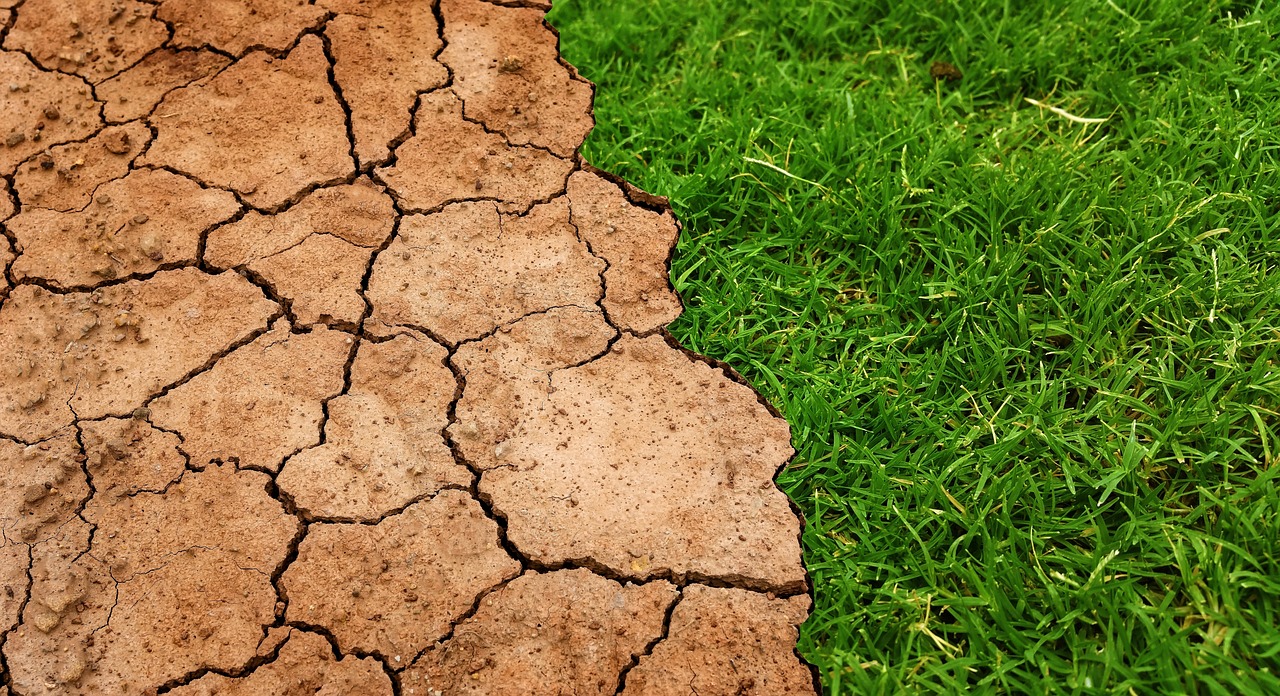
Creating inclusive environments is a crucial aspect of promoting social change, and it requires a deep understanding of key terms and vocabulary. In the context of the Professional Certificate in Social Change in Coaching, it is essential to grasp the concepts of diversity, equity, and inclusion to create an environment that values and respects all individuals.
Diversity refers to the presence of different groups or individuals with unique characteristics, such as race, gender, age, religion, sexual orientation, and ability. Equity, on the other hand, focuses on promoting fairness and justice by addressing the historical and systemic barriers that have prevented certain groups from participating fully. Inclusion is the process of creating an environment where all individuals feel valued, respected, and supported, and where they can participate and contribute their unique perspectives and experiences.
Another critical concept is cultural competence, which refers to the ability to understand and interact effectively with people from different cultural backgrounds. This requires a deep understanding of the historical, social, and cultural contexts that shape an individual's experiences and perspectives. Cultural competence is essential for creating inclusive environments, as it enables individuals to navigate complex cultural dynamics and build strong relationships with people from diverse backgrounds.
The concept of power and privilege is also essential in creating inclusive environments. Power refers to the ability to exert influence and control over others, while privilege refers to the unearned advantages and benefits that certain groups enjoy. Recognizing and acknowledging the ways in which power and privilege operate in social interactions is crucial for creating an inclusive environment, as it allows individuals to address the systemic barriers and biases that prevent certain groups from participating fully.
In addition to these concepts, it is essential to understand the social identity theory, which suggests that individuals derive a sense of belonging and identity from the groups they belong to. This theory highlights the importance of creating an environment that values and respects the diverse social identities of its members. By recognizing and valuing the different social identities of individuals, organizations can create an inclusive environment that fosters a sense of belonging and promotes social change.
The process of creating inclusive environments requires a deep understanding of the intersectionality framework, which suggests that individuals experience multiple forms of oppression and marginalization simultaneously. This framework recognizes that individuals have multiple identities, such as race, gender, class, and ability, and that these identities intersect and interact in complex ways. By understanding the intersectionality framework, individuals can create inclusive environments that address the multiple forms of oppression and marginalization that individuals experience.
Creating inclusive environments also requires a deep understanding of the microaggressions concept, which refers to the subtle, often unintentional, expressions of bias and prejudice that can be damaging to individuals and groups. Microaggressions can take many forms, including verbal and nonverbal cues, and can be particularly damaging when they are directed towards individuals from marginalized groups. Recognizing and addressing microaggressions is essential for creating an inclusive environment, as it allows individuals to promote respect, empathy, and understanding.
The concept of allyship is also critical in creating inclusive environments. Allyship refers to the process of supporting and advocating for marginalized groups, and requires a deep understanding of the historical and systemic barriers that have prevented these groups from participating fully. Allyship involves using one's power and privilege to amplify the voices and perspectives of marginalized groups, and to create an environment that values and respects their unique experiences and perspectives.
In practical terms, creating inclusive environments requires a range of strategies and approaches. One approach is to establish inclusive policies and procedures that promote diversity, equity, and inclusion. This can include policies and procedures that address hiring and promotion practices, as well as policies and procedures that promote accessibility and accommodation for individuals with disabilities.
Another approach is to provide training and education on diversity, equity, and inclusion. This can include workshops and training sessions on cultural competence, power and privilege, and microaggressions. It can also include education and training on the social identity theory and the intersectionality framework.
In addition to these approaches, it is essential to create safe spaces where individuals can share their experiences and perspectives without fear of judgment or retribution. This can include creating affinity groups where individuals can connect with others who share similar experiences and perspectives. It can also include creating safe spaces for individuals to share their experiences and perspectives, such as support groups or focus groups.
Creating inclusive environments also requires a deep understanding of the challenges and barriers that can prevent individuals and groups from participating fully. One challenge is the lack of representation and visibility of marginalized groups. This can make it difficult for individuals from these groups to see themselves reflected in the organization, and can prevent them from feeling valued and respected.
Another challenge is the presence of bias and prejudice in social interactions. This can take many forms, including explicit and implicit bias, and can be particularly damaging when it is directed towards individuals from marginalized groups. Recognizing and addressing bias and prejudice is essential for creating an inclusive environment, as it allows individuals to promote respect, empathy, and understanding.
The concept of tokenism is also a challenge in creating inclusive environments. Tokenism refers to the practice of including individuals from marginalized groups in a way that is superficial or symbolic, rather than meaningful or substantive. This can create a sense of exclusion and marginalization among individuals from these groups, and can prevent them from feeling valued and respected.
In addition to these challenges, creating inclusive environments can also be hindered by the lack of resources and support. This can include a lack of funding, personnel, or infrastructure to support diversity, equity, and inclusion initiatives. It can also include a lack of leadership and commitment to creating an inclusive environment, which can make it difficult to promote change and progress.
The process of creating inclusive environments requires a deep understanding of the organizational culture and climate. This includes understanding the values, norms, and beliefs that shape the organization, as well as the ways in which these values, norms, and beliefs impact the experiences and perspectives of individuals and groups. By understanding the organizational culture and climate, individuals can identify areas for improvement and develop strategies to create a more inclusive environment.
In terms of practical applications, creating inclusive environments can involve a range of strategies and approaches. One approach is to establish diversity and inclusion committees that can promote diversity, equity, and inclusion throughout the organization. This can include committees that focus on hiring and promotion practices, as well as committees that focus on accessibility and accommodation for individuals with disabilities.
Another approach is to provide resources and support for individuals from marginalized groups. This can include resources such as mentoring programs, support groups, and professional development opportunities. It can also include resources such as childcare and flexible work arrangements that can help individuals balance their work and family responsibilities.
In addition to these approaches, creating inclusive environments can also involve community engagement and outreach. This can include partnerships with community organizations and advocacy groups that can help promote diversity, equity, and inclusion. It can also include outreach and engagement with local communities and neighborhoods to promote awareness and understanding of diversity, equity, and inclusion.
Creating inclusive environments is an ongoing process that requires a deep commitment to diversity, equity, and inclusion. It involves a range of strategies and approaches, from establishing inclusive policies and procedures to providing training and education on diversity, equity, and inclusion. It also involves recognizing and addressing the challenges and barriers that can prevent individuals and groups from participating fully, such as the lack of representation and visibility of marginalized groups, the presence of bias and prejudice, and the lack of resources and support.
By understanding the key terms and vocabulary related to creating inclusive environments, individuals can develop the knowledge and skills needed to promote diversity, equity, and inclusion. This can involve developing cultural competence and understanding the social identity theory and the intersectionality framework. It can also involve recognizing and addressing microaggressions and promoting allyship and solidarity with marginalized groups.
Overall, creating inclusive environments is a critical aspect of promoting social change, and it requires a deep understanding of the key terms and vocabulary related to diversity, equity, and inclusion. By developing this understanding, individuals can create environments that value and respect the unique experiences and perspectives of all individuals, and that promote diversity, equity, and inclusion in all aspects of life.
The concept of emotional intelligence is also essential in creating inclusive environments. Emotional intelligence refers to the ability to recognize and understand emotions in oneself and others, and to use this awareness to guide thought and behavior. This can involve developing self-awareness and self-regulation skills, as well as social awareness and relationship management skills.
In addition to emotional intelligence, the concept of trauma-informed care is also critical in creating inclusive environments. Trauma-informed care refers to the approach of recognizing and responding to the needs of individuals who have experienced trauma. This can involve creating safe spaces and supportive environments that promote feelings of safety and well-being.
The process of creating inclusive environments can also involve policy and advocacy work. This can include advocating for policies and laws that promote diversity, equity, and inclusion, as well as working to change institutional and systemic barriers that prevent marginalized groups from participating fully. Policy and advocacy work can involve community organizing and grassroots mobilization, as well as partnerships with organizations and institutions that can help promote diversity, equity, and inclusion.
In terms of challenges, creating inclusive environments can be hindered by a range of factors, including institutional and systemic barriers, lack of resources and support, and resistance to change. Institutional and systemic barriers can include policies and practices that perpetuate inequality and exclusion, while lack of resources and support can make it difficult to implement diversity, equity, and inclusion initiatives. Resistance to change can also be a challenge, as some individuals may be resistant to changing their behaviors or attitudes to promote diversity, equity, and inclusion.
The concept of accountability is also essential in creating inclusive environments. Accountability refers to the process of holding individuals and institutions responsible for promoting diversity, equity, and inclusion. This can involve establishing clear goals and metrics for diversity, equity, and inclusion, as well as regular assessment and evaluation of progress towards these goals.
In addition to accountability, the concept of continuous learning is also critical in creating inclusive environments. Continuous learning refers to the process of ongoing education and training on diversity, equity, and inclusion. This can involve workshops and training sessions, as well as online courses and resources that can help individuals develop their knowledge and skills related to diversity, equity, and inclusion.
The process of creating inclusive environments can also involve partnerships and collaborations with other organizations and institutions. This can include community partnerships and coalitions that can help promote diversity, equity, and inclusion, as well as partnerships with businesses and corporations that can help provide resources and support for diversity, equity, and inclusion initiatives.
In terms of practical applications, creating inclusive environments can involve a range of strategies and approaches, including inclusive hiring practices, diversity and inclusion training, and accessible and inclusive facilities. Inclusive hiring practices can involve blind hiring and inclusive job descriptions, as well as diversity and inclusion metrics that can help track progress towards diversity, equity, and inclusion goals.
The concept of sustainability is also essential in creating inclusive environments. Sustainability refers to the ability to maintain and support diversity, equity, and inclusion initiatives over time. This can involve long-term planning and strategy, as well as ongoing assessment and evaluation of diversity, equity, and inclusion initiatives.
In addition to sustainability, the concept of scalability is also critical in creating inclusive environments. Scalability refers to the ability to expand and replicate diversity, equity, and inclusion initiatives to reach larger audiences and populations. This can involve partnerships and collaborations with other organizations and institutions, as well as technology and digital platforms that can help promote diversity, equity, and inclusion.
The process of creating inclusive environments can also involve cultural humility and humility. Cultural humility refers to the ability to recognize and understand the limitations of one's own cultural knowledge and experiences, while humility refers to the ability to approach diversity, equity, and inclusion with a sense of openness and willingness to learn. This can involve self-reflection and self-awareness, as well as ongoing education and training on diversity, equity, and inclusion.
In terms of challenges, creating inclusive environments can be hindered by a range of factors, including power dynamics and privilege. Power dynamics can refer to the ways in which power and privilege are distributed and exercised in social interactions, while privilege can refer to the unearned advantages and benefits that certain groups enjoy. Recognizing and addressing power dynamics and privilege is essential for creating inclusive environments, as it allows individuals to promote diversity, equity, and inclusion in all aspects of life.
The concept of restorative justice is also essential in creating inclusive environments. Restorative justice refers to the approach of addressing and repairing harm and injury, rather than simply punishing or penalizing individuals. This can involve restorative circles and restorative mediation, as well as healing and support services that can help individuals and communities recover from harm and injury.
In addition to restorative justice, the concept of transformative justice is also critical in creating inclusive environments. Transformative justice refers to the approach of transforming and changing the underlying systems and structures that perpetuate inequality and injustice. This can involve policy and advocacy work, as well as community organizing and mobilization that can help promote diversity, equity, and inclusion.
The process of creating inclusive environments can also involve intersections and intersectionsality. Intersections refer to the ways in which different forms of oppression and marginalization intersect and interact, while intersectionality refers to the framework for understanding and addressing these intersections. This can involve intersectional analysis and intersectional practice, as well as coalitional work and collaboration with other organizations and institutions that can help promote diversity, equity, and inclusion.
In terms of practical applications, creating inclusive environments can involve a range of strategies and approaches, including inclusive communication, inclusive decision-making, and inclusive problem-solving. Inclusive communication can involve active listening and empathy, as well as clear and respectful language that can help promote diversity, equity, and inclusion.
The concept of empathy is also essential in creating inclusive environments. Empathy refers to the ability to understand and share the feelings of others, and to use this understanding to guide thought and behavior. This can involve perspective-taking and emotional intelligence, as well as compassion and kindness that can help promote diversity, equity, and inclusion.
In addition to empathy, the concept of self-care is also critical in creating inclusive environments. Self-care refers to the practice of taking care of one's own physical, emotional, and mental health, and can involve mindfulness and meditation, as well as exercise and physical activity that can help promote well-being and resilience.
The process of creating inclusive environments can also involve community and social connections. Community and social connections can refer to the relationships and networks that individuals have with others, and can involve volunteering and community service, as well as social events and activities that can help promote diversity, equity, and inclusion.
In terms of challenges, creating inclusive environments can be hindered by a range of factors, including social and cultural norms and institutional and systemic barriers. Social and cultural norms can refer to the unwritten rules and expectations that shape social interactions, while institutional and systemic barriers can refer to the policies and practices that perpetuate inequality and exclusion. Recognizing and addressing these norms and barriers is essential for creating inclusive environments, as it allows individuals to promote diversity, equity, and inclusion in all aspects of life.
The concept of social justice is also essential in creating inclusive environments. Social justice refers to the approach of promoting fairness, equality, and human rights, and can involve advocacy and activism, as well as policy and legislative change that can help promote diversity, equity, and inclusion.
In addition to social justice, the concept of human rights is also critical in creating inclusive environments. Human rights refer to the fundamental rights and freedoms that all individuals are entitled to, and can involve education and awareness, as well as advocacy and activism that can help promote diversity, equity, and inclusion.
The process of creating inclusive environments can also involve global and international perspectives. Global and international perspectives can refer to the ways in which diversity, equity, and inclusion are understood and addressed in different cultural and national contexts, and can involve international collaborations and partnerships, as well as global and international advocacy that can help promote diversity, equity, and inclusion.
In terms of practical applications, creating inclusive environments can involve a range of strategies and approaches, including inclusive curriculum design, inclusive teaching practices, and inclusive assessment and evaluation. Inclusive curriculum design can involve diversity and inclusion metrics, as well as culturally responsive teaching that can help promote diversity, equity, and inclusion.
The concept of cultural responsiveness is also essential in creating inclusive environments. Cultural responsiveness refers to the ability to understand and respond to the cultural needs and experiences of diverse individuals and groups, and can involve cultural humility and humility, as well as cultural competence and cultural intelligence that can help promote diversity, equity, and inclusion.
In addition to cultural responsiveness, the concept of linguistic diversity is also critical in creating inclusive environments. Linguistic diversity refers to the diversity of languages and language varieties that individuals speak and use, and can involve language access and support, as well as language education and training that can help promote diversity, equity, and inclusion.
The process of creating inclusive environments can also involve disability and accessibility. Disability and accessibility can refer to the ways in which individuals with disabilities are included and accommodated in social interactions, and can involve accessible facilities and technology, as well as disability support and services that can help promote diversity, equity, and inclusion.
In terms of challenges, creating inclusive environments can be hindered by a range of factors, including ableism and disability stigma, as well as institutional and systemic barriers that can prevent individuals with disabilities from participating fully. Recognizing and addressing these barriers is essential for creating inclusive environments, as it allows individuals to promote diversity, equity, and inclusion in all aspects of life.
The concept of universal design is also essential in creating inclusive environments. Universal design refers to the approach of designing and creating products, services, and environments that are accessible and usable by all individuals, regardless of their abilities or disabilities. This can involve inclusive design principles, as well as accessible and inclusive technologies that can help promote diversity, equity, and inclusion.
In addition to universal design, the concept of inclusive technology is also critical in creating inclusive environments. Inclusive technology refers to the use of technology to promote diversity, equity, and inclusion, and can involve accessible and inclusive digital platforms, as well as assistive technologies that can help promote diversity, equity, and inclusion.
The process of creating inclusive environments can also involve data and metrics. Data and metrics can refer to the ways in which diversity, equity, and inclusion are measured and evaluated, and can involve diversity and inclusion metrics, as well as data-driven decision making that can help promote diversity, equity, and inclusion.
In terms of practical applications, creating inclusive environments can involve a range of strategies and approaches, including inclusive budgeting and resource allocation, inclusive policy and procedure development, and inclusive program and service development. Inclusive budgeting and resource allocation can involve diversity and inclusion metrics, as well as equitable resource distribution that can help promote diversity, equity, and inclusion.
The concept of equity is also essential in creating inclusive environments. Equity refers to the approach of promoting fairness and justice, and can involve equitable resource distribution, as well as equitable opportunities and access that can help promote diversity, equity, and inclusion.
In addition to equity, the concept of justice is also critical in creating inclusive environments. Justice refers to the approach of promoting fairness, equality, and human rights, and can involve social justice, as well as restorative justice that can help promote diversity, equity, and inclusion.
The process of creating inclusive environments can also involve healing and restorative practices. Healing and restorative practices can refer to the ways in which individuals and communities recover from harm and injury, and can involve restorative circles, as well as healing and support services that can help promote diversity, equity, and inclusion.
In terms of challenges, creating inclusive environments can be hindered by a range of factors, including historical and systemic trauma, as well as institutional and systemic barriers that can prevent individuals and communities from healing and recovering. Recognizing and addressing these barriers is essential for creating inclusive environments, as it allows individuals to promote diversity, equity, and inclusion in all aspects of life.
The concept of resilience is also essential in creating inclusive environments. Resilience refers to the ability to withstand and recover from challenges and adversity, and can involve self-care and self-compassion, as well as community and social connections that can help promote diversity, equity, and inclusion.
In addition to resilience, the concept of hope and optimism is also critical in creating inclusive environments. Hope and optimism refer to the ability to envision and work towards a more just and equitable future, and can involve visioning and planning, as well as advocacy and activism that can help promote diversity, equity, and inclusion.
The process of creating inclusive environments can also involve celebration and recognition. Celebration and recognition can refer to the ways in which diversity, equity, and inclusion are acknowledged and celebrated, and can involve diversity and inclusion awards, as well as celebrations and events that can help promote diversity, equity, and inclusion.
In terms of practical applications, creating inclusive environments can involve a range of strategies and approaches, including inclusive communication and messaging, inclusive marketing and outreach, and inclusive fundraising and development. Inclusive communication and messaging can involve clear and respectful language, as well as culturally responsive messaging that can help promote diversity, equity, and inclusion.
The concept of authenticity is also essential in creating inclusive environments. Authenticity refers to the ability to be genuine and true to oneself, and can involve self-awareness and self-reflection, as well as transparent and accountable leadership that can help promote diversity, equity, and inclusion.
In addition to authenticity, the concept of integrity is also critical in creating inclusive environments. Integrity refers to the ability to act with honesty and integrity, and can involve transparent and accountable decision making, as well as equitable and just practices that can help promote diversity, equity, and inclusion.
The process of creating inclusive environments can also involve strategic planning and visioning. Strategic planning and visioning can refer to the ways in which diversity, equity, and inclusion are planned and implemented, and can involve diversity and inclusion metrics, as well as data-driven decision making that can help promote diversity, equity, and inclusion.
In terms of challenges, creating inclusive environments can be hindered by a range of factors, including limited resources and capacity, as well as institutional and systemic barriers that can prevent individuals and organizations from promoting diversity, equity, and inclusion. Recognizing and addressing these barriers is essential for creating inclusive environments, as it allows individuals to promote diversity, equity, and inclusion in all aspects of life.
The concept of partnership and collaboration is also essential in creating inclusive environments. Partnership and collaboration can refer to the ways in which individuals and organizations work together to promote diversity, equity, and inclusion, and can involve coalitional work, as well as community and social connections that can help promote diversity, equity, and inclusion.
In addition to partnership and collaboration, the concept of mutual respect and understanding is also critical in creating inclusive environments. Mutual respect and understanding can refer to the ability to recognize and value the diversity and individuality of others, and can involve active listening and empathy, as well as culturally responsive communication that can help promote diversity, equity, and inclusion.
The process of creating inclusive environments can also involve flexibility and adaptability. Flexibility and adaptability can refer to the ability to adjust and respond to changing circumstances and needs, and can involve continuous learning and improvement, as well as strategic planning and visioning that can help promote diversity, equity, and inclusion.
In terms of practical applications, creating inclusive environments can involve a range of strategies and approaches, including inclusive policy and procedure development, inclusive program and service development, and inclusive budgeting and resource allocation. Inclusive policy and procedure development can involve diversity and inclusion metrics, as well as equitable and just practices that can help promote diversity, equity, and inclusion.
The concept of accountability and transparency is also essential in creating inclusive environments. Accountability and transparency can refer to the ability to be responsible and answerable for one's actions, and can involve regular assessment and evaluation, as well as open and honest communication that can help promote diversity, equity, and inclusion.
In addition to accountability and transparency, the concept of social responsibility is also critical in creating inclusive environments. Social responsibility can refer to the ability to recognize and respond to the social and environmental impacts of one's actions, and can involve sustainability and environmental stewardship, as well as community and social engagement that can help promote diversity, equity, and inclusion.
The process of creating inclusive environments can also involve ongoing education and training. Ongoing education and training can refer to the ways in which individuals and organizations learn and develop their knowledge and skills related to diversity, equity, and inclusion, and can involve workshops and training sessions, as well as online courses and resources that can help promote diversity, equity, and inclusion.
In terms of challenges, creating inclusive environments can be hindered by a range of factors, including limited resources and capacity, as well as institutional and systemic barriers that can prevent individuals and organizations from promoting diversity, equity, and inclusion. Recognizing and addressing these barriers is essential for creating inclusive environments, as it allows individuals to promote diversity, equity, and inclusion in all aspects of life.
The concept of community and social connections is also essential in creating inclusive environments. Community and social connections can refer to the relationships and networks that individuals have with others, and can involve volunteering and community service, as well as social events and activities that can help promote diversity, equity, and inclusion.
In addition to community and social connections, the concept of emotional intelligence and empathy is also critical in creating inclusive environments. Emotional intelligence and empathy can refer to the ability to recognize and understand the emotions and experiences of others, and can involve active listening and empathy, as well as culturally responsive communication that can help promote diversity, equity, and inclusion.
The process of creating inclusive environments can also involve cultural humility and humility. Cultural humility and humility can refer to the ability to recognize and value the cultural diversity and individuality of others, and can involve self-awareness and self-reflection, as well as culturally responsive practices that can help promote diversity, equity, and inclusion.
In terms of practical applications, creating inclusive environments can involve a range of strategies and approaches, including inclusive communication and messaging, inclusive marketing and outreach, and inclusive fundraising and development. Inclusive communication and messaging can involve clear and respectful language, as well as culturally responsive messaging that can help promote diversity, equity, and inclusion.
The concept of authenticity and integrity is also essential in creating inclusive environments. Authenticity and integrity can refer to the ability to be genuine and true to oneself, and can involve self-awareness and self-reflection, as well as transparent and accountable leadership that can help promote diversity, equity, and inclusion.
In addition to authenticity and integrity, the concept of strategic planning and visioning is also critical in creating inclusive environments. Strategic planning and visioning can refer to the ways in which diversity, equity, and inclusion are planned and implemented, and can involve diversity and inclusion metrics, as well as data-driven decision making that can help promote diversity, equity, and inclusion.
The process of creating inclusive environments can also involve partnership and collaboration. Partnership and collaboration can refer to the ways in which individuals and organizations work together to promote diversity, equity, and inclusion, and can involve coalitional work, as well as community and social connections that can help promote diversity, equity, and inclusion.
In terms of challenges, creating inclusive environments can be hindered by a range of factors, including limited resources and capacity, as well as institutional and systemic barriers that can prevent individuals and organizations from promoting diversity, equity, and inclusion. Recognizing and addressing these barriers is essential for creating inclusive environments, as it allows individuals to promote diversity, equity, and inclusion in all aspects of life.
The concept of mutual respect and understanding is also essential in creating inclusive environments. Mutual respect and understanding can refer to the ability to recognize and value the diversity and individuality of others, and can involve active listening and empathy, as well as culturally responsive communication that can help promote diversity, equity, and inclusion.
In addition to mutual respect and understanding, the concept of flexibility and adaptability is also critical in creating inclusive environments. Flexibility and adaptability can refer to the ability to adjust and respond to changing circumstances and needs, and can involve continuous learning and improvement, as well as strategic planning and visioning that can help promote diversity, equity, and inclusion.
The process of creating inclusive environments can also involve accountability and transparency. Accountability and transparency can refer to the ability to be responsible and answerable for one's actions, and can involve regular assessment and evaluation, as well as open and honest communication that can help promote diversity, equity, and inclusion.
In terms of practical applications, creating inclusive environments can involve a range of strategies and approaches, including inclusive policy and procedure development, inclusive program and service development, and inclusive budgeting and resource allocation. Inclusive policy and procedure development can involve diversity and inclusion metrics, as well as equitable and just practices that can help promote diversity, equity, and inclusion.
The concept of social responsibility is also essential in creating inclusive environments. Social responsibility can refer to the ability to recognize and respond to the social and environmental impacts of one's actions, and can involve sustainability and environmental stewardship, as well as community and social engagement that can help promote diversity, equity, and inclusion.
In addition to social responsibility, the concept of ongoing education and training is also critical in creating inclusive environments. Ongoing education and training can refer to the ways in which individuals and organizations learn and develop their knowledge and skills related to diversity, equity, and inclusion, and can involve workshops and training sessions, as well as online courses and resources that can help promote diversity, equity, and inclusion.
The process of creating inclusive environments can also involve community and social connections. Community and social connections can refer to the relationships and networks that individuals have with others, and can involve volunteering and community service, as well as social events and activities that can help promote diversity, equity, and inclusion.
In terms of challenges, creating inclusive environments can be hindered by a range of factors, including limited resources and capacity, as well as institutional and systemic barriers that can prevent individuals and organizations from promoting diversity, equity, and inclusion. Recognizing and addressing these barriers is essential for creating inclusive environments, as it allows individuals to promote diversity, equity, and inclusion in all aspects of life.
The concept of emotional intelligence and empathy is also essential in creating inclusive environments. Emotional intelligence and empathy can refer to the ability to recognize and understand the emotions and experiences of others, and can involve active listening and empathy, as well as culturally responsive communication that can help promote diversity, equity, and inclusion.
In addition to emotional intelligence and empathy, the concept of cultural humility and humility is also critical in creating inclusive environments. Cultural humility and humility can refer to the ability to recognize and value the cultural diversity and individuality of others, and can involve self-awareness and self-reflection, as well as culturally responsive practices that can help
Key takeaways
- In the context of the Professional Certificate in Social Change in Coaching, it is essential to grasp the concepts of diversity, equity, and inclusion to create an environment that values and respects all individuals.
- Diversity refers to the presence of different groups or individuals with unique characteristics, such as race, gender, age, religion, sexual orientation, and ability.
- Cultural competence is essential for creating inclusive environments, as it enables individuals to navigate complex cultural dynamics and build strong relationships with people from diverse backgrounds.
- Power refers to the ability to exert influence and control over others, while privilege refers to the unearned advantages and benefits that certain groups enjoy.
- In addition to these concepts, it is essential to understand the social identity theory, which suggests that individuals derive a sense of belonging and identity from the groups they belong to.
- The process of creating inclusive environments requires a deep understanding of the intersectionality framework, which suggests that individuals experience multiple forms of oppression and marginalization simultaneously.
- Creating inclusive environments also requires a deep understanding of the microaggressions concept, which refers to the subtle, often unintentional, expressions of bias and prejudice that can be damaging to individuals and groups.