
Implementing Reggio Emilia in the Classroom
The Reggio Emilia approach is an educational philosophy that originated in Italy and has gained popularity worldwide for its child-centered and inquiry-based learning methods. To implement this approach in the classroom, it is essential to …
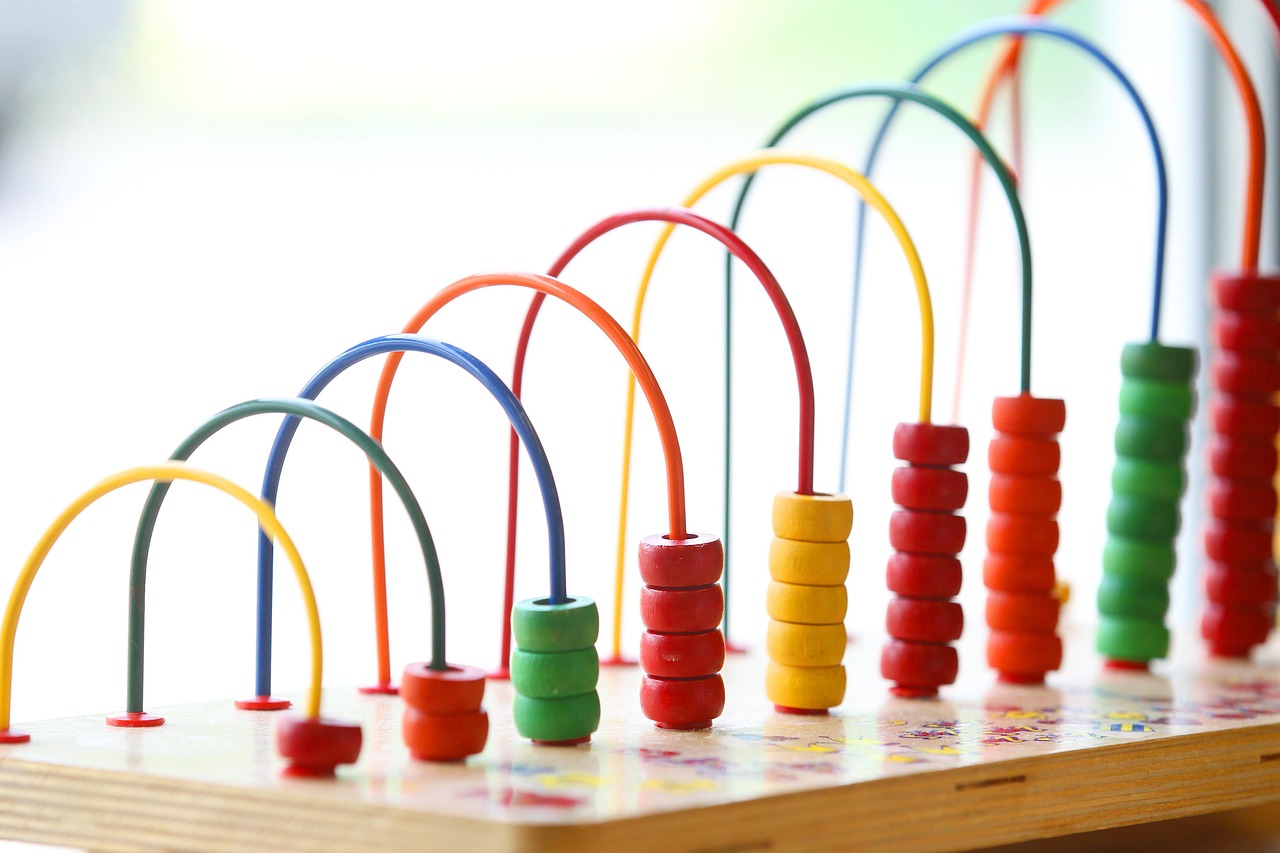
The Reggio Emilia approach is an educational philosophy that originated in Italy and has gained popularity worldwide for its child-centered and inquiry-based learning methods. To implement this approach in the classroom, it is essential to understand the key terms and vocabulary associated with it. One of the fundamental concepts in Reggio Emilia is the idea of environment as the third teacher, which refers to the learning space being designed to promote exploration, discovery, and learning. This concept emphasizes the importance of creating a welcoming and stimulating atmosphere that encourages children to explore and learn.
The Reggio Emilia approach emphasizes the importance of project-based learning, where children are encouraged to explore and learn through long-term projects that are often self-directed. These projects are designed to promote critical thinking, problem-solving, and collaboration among children. The role of the teacher in this approach is that of a facilitator, who provides guidance and support while allowing children to take ownership of their learning. This approach requires teachers to be highly skilled and knowledgeable in their subject area, as well as being able to create a supportive and inclusive learning environment.
Another key concept in Reggio Emilia is the idea of emergent curriculum, which refers to the process of planning and implementing a curriculum that emerges from the interests and needs of the children. This approach requires teachers to be highly flexible and responsive to the needs of their students, and to be able to adapt their teaching strategies accordingly. The emergent curriculum is often characterized by its emphasis on inquiry-based learning, where children are encouraged to explore and discover concepts and ideas through hands-on experiences and investigations.
The Reggio Emilia approach also places a strong emphasis on the importance of documentation, which refers to the process of recording and reflecting on children's learning and progress over time. This can involve a range of strategies, including observations, notes, photographs, and videos, and is used to inform teaching practices and to communicate with parents and other stakeholders. Documentation is a critical component of the Reggio Emilia approach, as it allows teachers to track children's progress and to identify areas where they may need additional support or challenge.
In addition to these key concepts, the Reggio Emilia approach also emphasizes the importance of community and partnership in the learning process. This can involve working closely with parents and other family members, as well as with other educators and professionals, to create a supportive and inclusive learning environment. The Reggio Emilia approach recognizes that children learn best when they are supported by a strong and cohesive community, and that this community plays a critical role in promoting children's social, emotional, and cognitive development.
One of the challenges of implementing the Reggio Emilia approach in the classroom is the need to create a flexible and adaptable learning environment that can respond to the changing needs and interests of children. This can involve creating a range of learning spaces and activities that cater to different learning styles and preferences, and being willing to adjust and modify these spaces and activities as needed. The Reggio Emilia approach also requires teachers to be highly reflective and intentional in their practice, and to be able to think critically and creatively about how to support children's learning and development.
The Reggio Emilia approach has been widely praised for its ability to promote deep and meaningful learning, and for its emphasis on creating a supportive and inclusive learning environment. However, it can also be challenging to implement, particularly in schools and educational systems that are more traditional and rigid in their approach. One of the key challenges is the need to shift from a more teacher-centered approach to a more child-centered approach, and to be willing to relinquish control and allow children to take ownership of their learning.
Despite these challenges, the Reggio Emilia approach has been widely adopted in schools and educational settings around the world, and has been shown to have a positive impact on children's learning and development. The approach has also been recognized for its ability to promote critical thinking and problem-solving skills, as well as creativity and imagination. The Reggio Emilia approach is also highly inclusive, and recognizes the importance of creating a learning environment that values and respects diversity and promotes social justice.
In terms of practical applications, the Reggio Emilia approach can be used in a range of educational settings, from preschool to elementary school and beyond. The approach can be used to teach a range of subjects, including mathematics, science, and language arts, as well as social studies and art. The Reggio Emilia approach can also be used to support children with special needs, and to promote gifted and talented education.
The Reggio Emilia approach is also highly flexible and can be adapted to suit the needs and interests of different children and communities. The approach can be used in urban and rural settings, and can be adapted to suit the needs of children from diverse cultural and linguistic backgrounds. The Reggio Emilia approach is also highly collaborative, and recognizes the importance of working closely with parents and other stakeholders to create a supportive and inclusive learning environment.
In addition to its practical applications, the Reggio Emilia approach is also highly theoretical and is grounded in a range of educational and psychological theories. The approach is influenced by the work of Lev Vygotsky and Jean Piaget, among others, and recognizes the importance of social constructivism and experiential learning. The Reggio Emilia approach is also highly philosophical, and recognizes the importance of creating a learning environment that is grounded in a strong sense of values and principles.
The Reggio Emilia approach has also been recognized for its ability to promote lifelong learning and to create a sense of curiosity and wonder in children. The approach recognizes that learning is a lifelong process, and that it is essential to create a learning environment that promotes a love of learning and a sense of inquiry. The Reggio Emilia approach is also highly democratic, and recognizes the importance of creating a learning environment that values and respects the rights and dignity of all children.
In terms of challenges, one of the main challenges of implementing the Reggio Emilia approach is the need to shift from a more traditional approach to a more progressive approach. This can involve a range of challenges, including the need to rethink traditional teaching practices and to reimagine the learning environment.
Another challenge of implementing the Reggio Emilia approach is the need to balance the needs and interests of different children and stakeholders. This can involve a range of challenges, including the need to manage competing demands and to negotiate different perspectives and priorities. The Reggio Emilia approach also requires teachers to be highly flexible and adaptable, and to be able to respond to the changing needs and interests of children and communities.
Despite these challenges, the Reggio Emilia approach has been widely recognized for its ability to promote deep and meaningful learning, and to create a sense of wonder and curiosity in children. The approach has also been praised for its emphasis on community and partnership, and for its recognition of the importance of creating a supportive and inclusive learning environment. The Reggio Emilia approach is also highly respected for its ability to promote critical thinking and problem-solving skills, as well as creativity and imagination.
The Reggio Emilia approach has also been recognized for its ability to promote social-emotional learning and to create a sense of empathy and understanding in children. The approach recognizes that children's social-emotional development is critical to their overall well-being and success, and that it is essential to create a learning environment that promotes social-emotional learning and development.
In terms of examples, the Reggio Emilia approach can be seen in a range of educational settings, from preschool to elementary school and beyond. For example, a Reggio Emilia-inspired preschool might include a range of learning spaces and activities, such as art and music studios, science and nature centers, and literacy and numeracy areas. The preschool might also include a range of materials and resources, such as blocks and manipulatives, puzzles and games, and books and stories.
The Reggio Emilia approach can also be seen in elementary school settings, where it might involve a range of project-based learning activities and inquiry-based investigations. For example, a Reggio Emilia-inspired elementary school might include a range of learning spaces and activities, such as science and technology labs, art and music studios, and literacy and numeracy areas. The school might also include a range of materials and resources, such as computers and tablets, microscopes and telescopes, and books and stories.
In addition to these examples, the Reggio Emilia approach can also be seen in a range of other educational settings, such as middle school and high school, and university and college.
Overall, the Reggio Emilia approach is a highly effective and influential educational philosophy that has been widely recognized for its ability to promote deep and meaningful learning, and to create a sense of wonder and curiosity in children. The approach is highly respected for its emphasis on community and partnership, and for its recognition of the importance of creating a supportive and inclusive learning environment. The Reggio Emilia approach is also highly practical and can be used in a range of educational settings, from preschool to elementary school and beyond.
Key takeaways
- One of the fundamental concepts in Reggio Emilia is the idea of environment as the third teacher, which refers to the learning space being designed to promote exploration, discovery, and learning.
- The Reggio Emilia approach emphasizes the importance of project-based learning, where children are encouraged to explore and learn through long-term projects that are often self-directed.
- The emergent curriculum is often characterized by its emphasis on inquiry-based learning, where children are encouraged to explore and discover concepts and ideas through hands-on experiences and investigations.
- The Reggio Emilia approach also places a strong emphasis on the importance of documentation, which refers to the process of recording and reflecting on children's learning and progress over time.
- The Reggio Emilia approach recognizes that children learn best when they are supported by a strong and cohesive community, and that this community plays a critical role in promoting children's social, emotional, and cognitive development.
- The Reggio Emilia approach also requires teachers to be highly reflective and intentional in their practice, and to be able to think critically and creatively about how to support children's learning and development.
- One of the key challenges is the need to shift from a more teacher-centered approach to a more child-centered approach, and to be willing to relinquish control and allow children to take ownership of their learning.