
Project Monitoring and Control in the Automotive Industry
Project Monitoring and Control in the Automotive Industry is a critical component of the Professional Certificate in Project Management in the Automotive Industry in the United States. It involves the continuous collection and analysis of d…
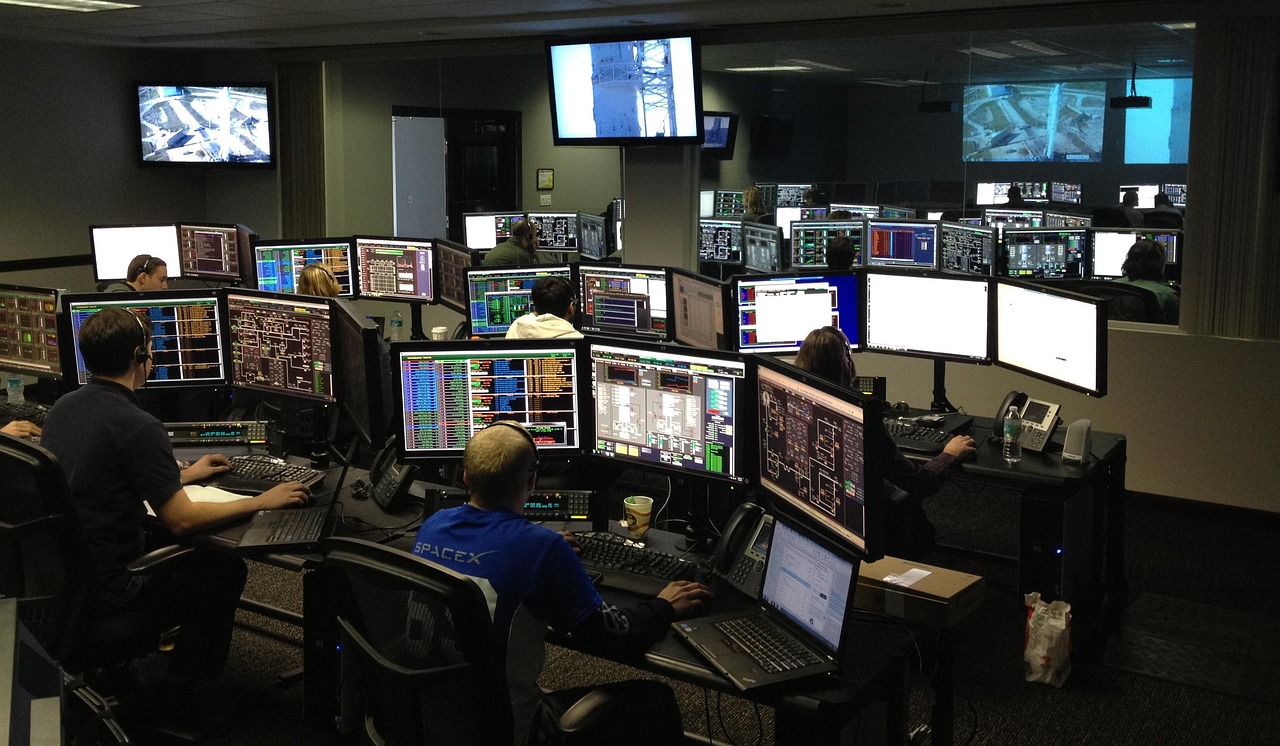
Project Monitoring and Control in the Automotive Industry is a critical component of the Professional Certificate in Project Management in the Automotive Industry in the United States. It involves the continuous collection and analysis of data to ensure that the project is on track to meet its objectives, and taking corrective action when necessary. This process involves tracking and measuring project performance, identifying and addressing deviations from the plan, and making adjustments to ensure that the project stays on schedule and within budget.
One of the key terms in Project Monitoring and Control is baseline, which refers to the original plan or scope of the project. The baseline serves as a reference point for measuring project performance and progress. It is essential to establish a clear and realistic baseline at the outset of the project to ensure that the project team and stakeholders are working towards the same objectives. In the automotive industry, the baseline may include factors such as production volume, quality standards, and delivery timelines.
Another critical concept in Project Monitoring and Control is earned value management (EVM). EVM is a methodology that combines scope, schedule, and resource measurements to assess project performance and progress. It involves calculating the earned value of the work completed, which is the value of the work that has been completed, and comparing it to the planned value, which is the value of the work that was scheduled to be completed. This comparison helps to identify any deviations from the plan and takes corrective action to get the project back on track.
In the automotive industry, EVM can be applied to various aspects of project management, such as production planning, quality control, and supply chain management. For example, a project manager may use EVM to track the production of vehicles and compare it to the planned production schedule. If the earned value is lower than the planned value, the project manager may need to take corrective action, such as increasing production capacity or improving quality control processes.
Project Monitoring and Control also involve risk management, which is the process of identifying, assessing, and mitigating potential risks that could impact the project. In the automotive industry, risks may include factors such as supply chain disruptions, quality control issues, and regulatory changes. The project manager must identify and assess these risks, and develop strategies to mitigate them. This may involve developing contingency plans, such as identifying alternative suppliers or developing backup production plans.
In addition to risk management, Project Monitoring and Control also involve quality control, which is the process of ensuring that the project meets the required standards and specifications. In the automotive industry, quality control is critical to ensuring that vehicles meet safety and performance standards. The project manager must establish quality control processes and procedures to ensure that the project meets the required standards, and take corrective action if any quality control issues arise.
Another important concept in Project Monitoring and Control is schedule management, which is the process of creating and managing the project schedule. In the automotive industry, the project schedule may include factors such as production timelines, delivery dates, and quality control checkpoints. The project manager must establish a realistic and achievable schedule, and track progress against it. If any delays or deviations from the schedule occur, the project manager must take corrective action to get the project back on track.
In the automotive industry, Project Monitoring and Control also involve cost management, which is the process of establishing and managing the project budget. The project manager must establish a realistic and achievable budget, and track expenses against it. If any cost overruns or variances occur, the project manager must take corrective action to get the project back on track. This may involve reducing costs, reallocating resources, or renegotiating contracts.
Project Monitoring and Control also involve stakeholder management, which is the process of identifying, analyzing, and responding to the needs and expectations of stakeholders. In the automotive industry, stakeholders may include factors such as customers, suppliers, regulators, and employees. The project manager must establish communication plans and procedures to ensure that stakeholders are informed and engaged throughout the project.
In addition to stakeholder management, Project Monitoring and Control also involve information management, which is the process of collecting, analyzing, and disseminating project information. In the automotive industry, project information may include factors such as production data, quality control metrics, and supply chain performance. The project manager must establish information systems and procedures to ensure that project information is accurate, timely, and accessible to stakeholders.
Project Monitoring and Control also involve change management, which is the process of identifying, assessing, and implementing changes to the project. In the automotive industry, changes may include factors such as design changes, production schedule changes, or quality control process changes. The project manager must establish change management processes and procedures to ensure that changes are properly assessed, approved, and implemented.
In the automotive industry, Project Monitoring and Control also involve closure, which is the process of formally closing the project. The project manager must establish closure procedures to ensure that the project is properly closed, and that all stakeholders are informed and engaged. This may involve documenting lessons learned, evaluating project performance, and celebrating project successes.
One of the challenges of Project Monitoring and Control in the automotive industry is the complexity of the projects. Automotive projects often involve multiple stakeholders, complex supply chains, and stringent quality control requirements. The project manager must be able to navigate these complexities and establish effective monitoring and control processes to ensure that the project is successful.
Another challenge of Project Monitoring and Control in the automotive industry is the speed of change. The automotive industry is constantly evolving, with new technologies, new regulations, and new customer expectations emerging all the time. The project manager must be able to adapt to these changes and adjust the project plan accordingly.
In addition to these challenges, Project Monitoring and Control in the automotive industry also involve resource constraints. Automotive projects often require significant resources, including personnel, equipment, and materials. The project manager must be able to manage these resources effectively to ensure that the project is completed on time, within budget, and to the required quality standards.
To overcome these challenges, project managers in the automotive industry must have a range of skills and knowledge. They must have a deep understanding of the automotive industry, including its technologies, processes, and regulations. They must also have strong project management skills, including planning, organizing, and controlling. In addition, they must have excellent communication and interpersonal skills, to be able to work effectively with stakeholders and team members.
In terms of tools and techniques, project managers in the automotive industry may use a range of software applications, including project management information systems, spreadsheet software, and communication tools. They may also use methodologies such as agile, lean, or six sigma to manage and improve project processes.
In conclusion, Project Monitoring and Control is a critical component of project management in the automotive industry. It involves the continuous collection and analysis of data to ensure that the project is on track to meet its objectives, and taking corrective action when necessary. The project manager must have a range of skills and knowledge, including a deep understanding of the automotive industry, strong project management skills, and excellent communication and interpersonal skills. By using a range of tools and techniques, including software applications and methodologies, project managers can ensure that their projects are completed on time, within budget, and to the required quality standards.
The application of Project Monitoring and Control in the automotive industry is critical to ensuring that projects are delivered successfully. This involves tracking and measuring project performance, identifying and addressing deviations from the plan, and adjusting the project plan as necessary. The project manager must be able to analyze data, identify trends, and make informed decisions to ensure that the project is on track to meet its objectives.
In addition to these technical skills, project managers in the automotive industry must also have strong business acumen. They must be able to understand the business case for the project, identify opportunities for cost savings, and make decisions that align with the organization's strategic objectives. They must also be able to communicate effectively with stakeholders, including customers, suppliers, and employees, to ensure that everyone is informed and engaged throughout the project.
The use of technology is also critical to Project Monitoring and Control in the automotive industry. Project managers may use a range of software applications, including project management information systems, to track and analyze project data. They may also use data analytics tools to identify trends and patterns in the data, and predictive analytics to forecast future project outcomes.
In terms of best practices, project managers in the automotive industry should follow a range of guidelines and standards to ensure that their projects are delivered successfully. They should establish clear objectives and scope for the project, and develop a realistic and achievable project plan. They should also track and measure project performance, and identify and address any deviations from the plan.
The benefits of Project Monitoring and Control in the automotive industry are numerous. By tracking and measuring project performance, project managers can identify areas for improvement and make informed decisions to optimize project outcomes. They can also reduce costs, improve quality, and increase customer satisfaction. By following best practices and using the right tools and techniques, project managers can ensure that their projects are delivered on time, within budget, and to the required quality standards.
In the automotive industry, Project Monitoring and Control is critical to ensuring that projects are delivered successfully. By tracking and measuring project performance, identifying and addressing deviations from the plan, and adjusting the project plan as necessary, project managers can ensure that their projects are completed on time, within budget, and to the required quality standards. The use of technology, best practices, and guidelines and standards can also help to ensure that projects are delivered successfully.
The future of Project Monitoring and Control in the automotive industry is likely to involve the increased use of technology, including artificial intelligence, machine learning, and data analytics. Project managers will need to be able to analyze large amounts of data, identify trends and patterns, and make informed decisions to optimize project outcomes. They will also need to be able to communicate effectively with stakeholders, including customers, suppliers, and employees, to ensure that everyone is informed and engaged throughout the project.
In terms of challenges, the automotive industry is likely to face a range of disruptions and changes in the coming years. Project managers will need to be able to adapt to these changes, and adjust their project plans accordingly. They will also need to be able to manage risks, identify opportunities, and make informed decisions to ensure that their projects are delivered successfully.
The importance of Project Monitoring and Control in the automotive industry cannot be overstated. By tracking and measuring project performance, identifying and addressing deviations from the plan, and adjusting the project plan as necessary, project managers can ensure that their projects are completed on time, within budget, and to the required quality standards. The use of technology, best practices, and guidelines and standards can also help to ensure that projects are delivered successfully.
In the automotive industry, Project Monitoring and Control is critical to ensuring that projects are delivered successfully. By following best practices, using the right tools and techniques, and managing risks and opportunities, project managers can ensure that their projects are completed on time, within budget, and to the required quality standards. The future of Project Monitoring and Control in the automotive industry is likely to involve the increased use of technology, including artificial intelligence, machine learning, and data analytics, and project managers will need to be able to analyze large amounts of data, identify trends and patterns, and make informed decisions to optimize project outcomes.
Key takeaways
- This process involves tracking and measuring project performance, identifying and addressing deviations from the plan, and making adjustments to ensure that the project stays on schedule and within budget.
- It is essential to establish a clear and realistic baseline at the outset of the project to ensure that the project team and stakeholders are working towards the same objectives.
- It involves calculating the earned value of the work completed, which is the value of the work that has been completed, and comparing it to the planned value, which is the value of the work that was scheduled to be completed.
- If the earned value is lower than the planned value, the project manager may need to take corrective action, such as increasing production capacity or improving quality control processes.
- Project Monitoring and Control also involve risk management, which is the process of identifying, assessing, and mitigating potential risks that could impact the project.
- The project manager must establish quality control processes and procedures to ensure that the project meets the required standards, and take corrective action if any quality control issues arise.
- Another important concept in Project Monitoring and Control is schedule management, which is the process of creating and managing the project schedule.