
Information Management and Data Protection
Information Management in humanitarian organisations refers to the systematic collection, storage, processing, and dissemination of data that supports operational decision‑making, programme monitoring, and strategic planning. It encompasses…
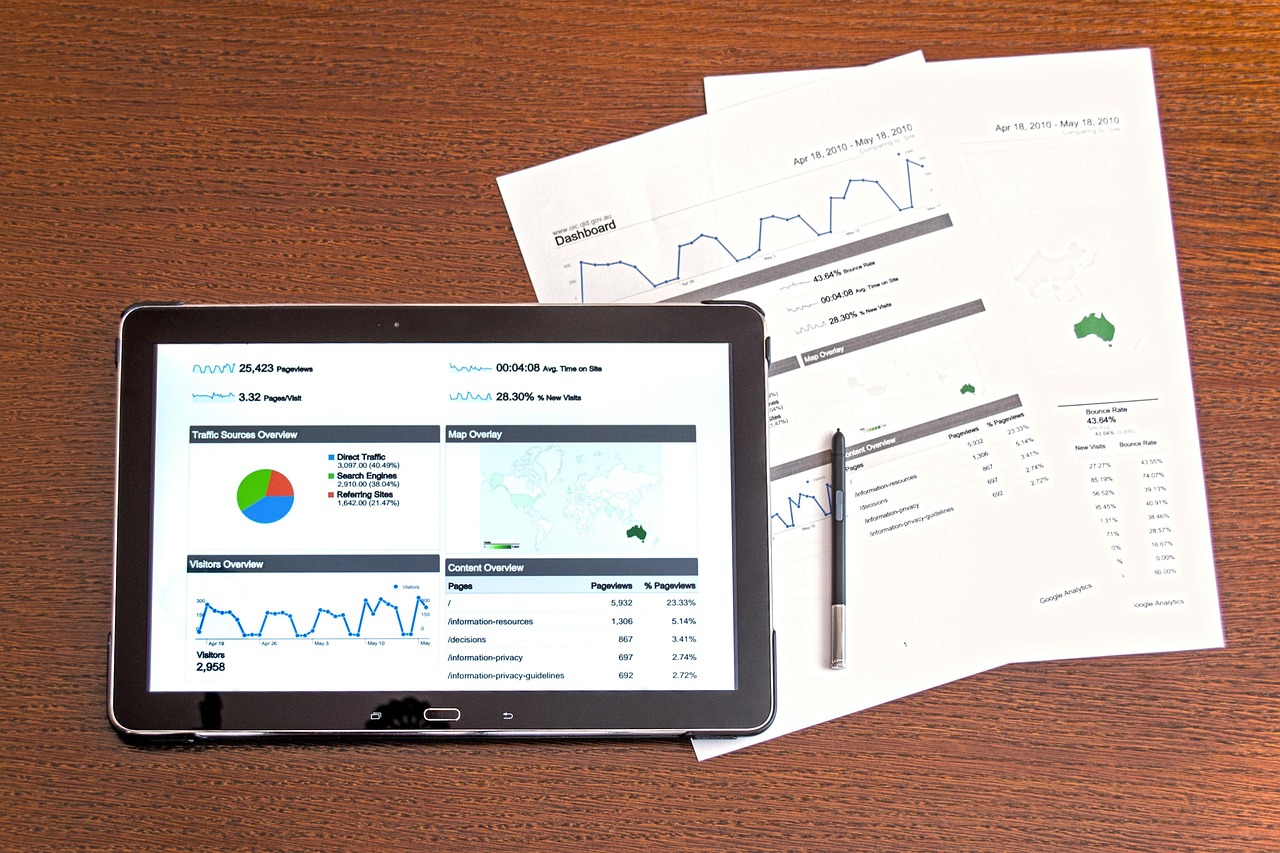
Information Management in humanitarian organisations refers to the systematic collection, storage, processing, and dissemination of data that supports operational decision‑making, programme monitoring, and strategic planning. It encompasses the entire data lifecycle, from initial capture through to archiving or disposal. Effective information management enables rapid response to emergencies, coordination among multiple actors, and accountability to donors and beneficiaries. For example, a flood‑response team may use a geographic information system (GIS) to map affected villages, track relief distribution, and identify gaps in service delivery. The ability to integrate satellite imagery, field reports, and beneficiary feedback into a single platform illustrates the core purpose of information management: Turning raw data into actionable intelligence while maintaining data quality, security, and ethical standards.
A fundamental concept is the data lifecycle, which includes stages such as acquisition, validation, classification, storage, usage, sharing, retention, and disposal. Each stage presents specific risks and requires appropriate controls. During acquisition, data may be gathered via surveys, mobile applications, or sensor networks. Validation involves checking for completeness, consistency, and accuracy; for instance, ensuring that a beneficiary’s age field contains a numeric value within a plausible range. Classification assigns data to categories such as public, internal, confidential, or restricted, guiding subsequent handling procedures. Storage solutions range from local servers to cloud‑based repositories, each with distinct security considerations. Usage and sharing must respect consent and purpose limitation, while retention policies dictate how long records are kept before secure deletion. Understanding the data lifecycle helps organisations design policies that balance operational needs with legal and ethical obligations.
Data Protection is the set of principles, policies, and technical measures that safeguard personal information from unauthorized access, alteration, disclosure, or loss. In the humanitarian sector, data protection is not only a legal requirement under frameworks such as the European Union’s General Data Protection Regulation (GDPR) and the United Nations’ guidelines on data protection, but also a moral imperative to protect vulnerable populations. Personal data includes any information that can directly or indirectly identify an individual, such as name, gender, location, health status, or biometric identifiers. The term data subject denotes the person to whom the data relates, and their rights—such as the right to access, rectify, or erase their data—must be respected throughout the information management process.
One essential principle is purpose limitation, which requires that personal data be collected for a specific, explicit, and legitimate purpose and not further processed in a manner incompatible with that purpose. For example, a nutrition programme may collect health indicators to assess malnutrition risk, but the same data should not be used for unrelated marketing activities. Closely linked is the principle of data minimisation, which advises organisations to collect only the data necessary to achieve the stated purpose. In practice, this might mean recording a beneficiary’s age range rather than exact birthdate when precise age is not essential for eligibility determination. Applying these principles reduces exposure to privacy breaches and builds trust with affected communities.
Consent is another cornerstone of data protection. It must be freely given, specific, informed, and unambiguous. In humanitarian contexts, obtaining genuine consent can be challenging due to language barriers, power dynamics, or emergency conditions. Practitioners are encouraged to use clear, culturally appropriate explanations and to document consent through signatures, audio recordings, or electronic acknowledgements. When consent cannot be obtained—such as in life‑saving interventions—organisations may rely on lawful bases like “vital interests” or “public task,” but must still limit data use to the narrow scope required for the emergency response. Ongoing communication with beneficiaries about how their data is used, and offering options to withdraw consent where feasible, reinforces ethical standards.
The concept of confidentiality refers to the duty to keep information private and to disclose it only to authorised individuals. Confidentiality safeguards are implemented through organisational policies, contractual agreements, and technical controls such as encryption, access‑control lists, and role‑based permissions. For instance, a case management system for protection services may restrict access to caseworkers directly involved with a survivor, while prohibiting broader programme staff from viewing sensitive details. Breaches of confidentiality can lead to re‑victimisation, loss of trust, and legal penalties. Therefore, regular training on confidentiality obligations, coupled with audits of access logs, is essential for maintaining data integrity.
Data security encompasses the protective measures that prevent unauthorised access, alteration, or destruction of data. Technical safeguards include firewalls, intrusion detection systems, multi‑factor authentication, and regular patching of software. Physical safeguards involve secure storage rooms, locked cabinets for paper records, and controlled access to data centres. In addition, organisational measures such as incident‑response plans, staff background checks, and clear data‑handling procedures contribute to a robust security posture. For example, an organisation may implement a policy that all laptops containing beneficiary data must be encrypted and stored in a locked bag when travelling to field sites. Regular security drills, where staff simulate a data breach scenario, help embed a culture of vigilance and preparedness.
The term data breach denotes any incident that results in the accidental or unlawful destruction, loss, alteration, unauthorised disclosure of, or access to personal data. Breaches can arise from cyber‑attacks, insider misconduct, misconfiguration of cloud services, or simple human error such as sending an email to the wrong recipient. Prompt detection and response are crucial. Many data protection regulations require organisations to notify affected data subjects and supervisory authorities within a defined timeframe, often 72 hours. A practical breach response plan includes steps for containment (e.G., Isolating compromised systems), investigation (identifying the cause and scope), communication (informing stakeholders), and remediation (applying fixes and updating policies). Post‑incident reviews should capture lessons learned and drive continuous improvement.
Data governance is the overarching framework that defines who is responsible for data, how decisions are made, and which standards are applied across the organisation. It typically involves a data governance board, a chief data officer, and designated data stewards for specific datasets. Governance structures set policies on data quality, metadata management, data sharing, and compliance monitoring. For example, a data steward for a cash‑transfer programme might be tasked with ensuring that beneficiary lists are regularly reconciled, that duplicate records are eliminated, and that any changes to eligibility criteria are reflected in the underlying database. Clear governance reduces ambiguity, aligns data practices with organisational objectives, and facilitates accountability.
Metadata is data about data; it provides context such as the source, creation date, format, and usage restrictions of a dataset. Proper metadata management enables efficient data discovery, enhances interoperability, and supports compliance audits. In humanitarian settings, metadata may include information about the geographic coverage of a survey, the language of the questionnaire, and the consent conditions attached to each record. Implementing a standard metadata schema—such as the Humanitarian Data Exchange (HDX) schema—helps ensure consistency across projects and facilitates data sharing with partners and donors.
Data sharing is the practice of providing data to external parties, including other NGOs, UN agencies, governments, or research institutions. While sharing can amplify impact—by enabling coordinated response, evidence‑based advocacy, and policy development—it must be balanced against privacy and security considerations. Organisations should establish data‑sharing agreements that specify the purpose, scope, security measures, and responsibilities of each party. For instance, an agreement may allow a partner agency to access aggregated health indicators for a region, but prohibit the use of individual‑level data for unrelated research. Transparency with beneficiaries about potential data sharing, and offering opt‑out mechanisms where appropriate, further strengthens ethical practice.
Data anonymisation and pseudonymisation are techniques used to protect personal data while preserving its analytical value. Anonymisation removes or transforms identifiers so that individuals cannot be re‑identified, even when combined with other data sources. Pseudonymisation replaces direct identifiers with a pseudonym, retaining a link that can be restored under controlled conditions. In practice, a humanitarian organisation might replace a beneficiary’s name with a unique code and store the key linking codes to names in a separate, highly secured system. Anonymised datasets can be published openly for research, whereas pseudonymised data generally remains under stricter access controls. Selecting the appropriate technique depends on the intended use, risk of re‑identification, and legal requirements.
Risk assessment is a systematic process for identifying, evaluating, and prioritising risks to data confidentiality, integrity, and availability. It involves analysing threats—such as cyber‑attacks, natural disasters, or insider misuse—and assessing the likelihood and potential impact of each threat. The outcome is a risk register that guides mitigation strategies. For example, a risk assessment might reveal that field staff using unsecured Wi‑Fi networks are vulnerable to interception. The mitigation could include providing VPN access, training on secure communications, and enforcing device encryption. Regularly revisiting risk assessments ensures that emerging threats, such as new ransomware variants, are addressed promptly.
Data protection impact assessment (DPIA) is a formal tool used to evaluate the privacy implications of new projects, technologies, or processes that involve personal data. A DPIA helps organisations anticipate privacy risks, involve stakeholders, and embed protective measures early in the design phase—a practice known as privacy‑by‑design. Conducting a DPIA for a mobile health application, for example, would involve mapping data flows, identifying potential points of failure, assessing the necessity of collected data, and proposing safeguards such as end‑to‑end encryption and strict access controls. Documentation of the DPIA demonstrates compliance with legal obligations and can be presented to regulators if required.
Data retention policies define how long records are kept before they are securely destroyed. Retention periods are influenced by legal mandates, donor requirements, and organisational needs. In humanitarian contexts, donor contracts may require financial records to be retained for five years, while beneficiary data may need to be kept for a shorter period to minimise privacy exposure. Secure disposal methods include shredding physical documents, wiping electronic media, and using cryptographic erasure for cloud‑based storage. Clear retention schedules, coupled with automated archiving tools, help avoid inadvertent over‑retention and reduce the attack surface.
Data quality refers to the accuracy, completeness, consistency, timeliness, and relevance of data. High‑quality data underpins effective programme monitoring, reporting, and decision‑making. Common challenges include duplicate entries, missing fields, and inconsistent coding of location names. To address these issues, organisations implement data‑validation rules at the point of entry, conduct regular data‑cleansing routines, and maintain reference tables for standardised codes (e.G., ISO country codes). Training data collectors on proper entry techniques and providing feedback loops enhances data reliability. Quality assurance mechanisms such as peer reviews and automated integrity checks further reinforce confidence in the data.
Data ethics extends beyond legal compliance to consider the broader moral implications of data practices. It asks questions such as: Who benefits from data collection? Could the data be misused to discriminate or stigmatise vulnerable groups? How are power dynamics influencing consent? Humanitarian practitioners are encouraged to adopt an ethics‑first mindset, embedding principles such as beneficence, non‑maleficence, and respect for autonomy into data policies. Ethical deliberations are especially pertinent when dealing with sensitive data like sexual‑ and gender‑based violence (SGBV) reports, where disclosure could endanger survivors. In such cases, strict confidentiality, limited access, and robust anonymisation are essential safeguards.
Data sovereignty is the concept that data is subject to the laws and governance structures of the country where it is physically stored. This becomes significant when humanitarian organisations use cloud services hosted in jurisdictions with differing privacy regimes. For example, storing beneficiary data on servers located in a country with weak data‑protection laws may expose the data to government surveillance or unauthorized access. To mitigate sovereignty concerns, organisations may adopt a “data localisation” strategy, ensuring that sensitive data remains within the host country or within regions that provide adequate legal protection. Contracts with cloud providers should include clauses on data residency, jurisdiction, and compliance with relevant standards.
Incident response is a coordinated set of actions taken to address a security breach or data‑protection incident. An effective incident‑response plan outlines roles and responsibilities, communication protocols, escalation procedures, and post‑incident analysis. The plan should be regularly tested through tabletop exercises that simulate realistic breach scenarios, such as the loss of a laptop containing beneficiary lists. During an actual incident, swift containment—such as revoking compromised credentials and isolating affected systems—reduces further damage. Transparent communication with affected parties, including clear explanations of the breach, remedial steps, and support offered, helps preserve trust and complies with notification obligations.
Access control mechanisms ensure that only authorised individuals can view or manipulate specific data. Common models include discretionary access control (DAC), where owners grant permissions; role‑based access control (RBAC), which assigns permissions based on job functions; and attribute‑based access control (ABAC), which evaluates contextual attributes such as location or time. Implementing the principle of least privilege—granting users only the minimum access necessary to perform their duties—limits exposure. For example, a logistics officer may have read‑only access to distribution maps, while a programme manager may have edit rights for beneficiary records. Regular reviews of access rights prevent privilege creep as staff roles change.
Encryption is a fundamental technical safeguard that transforms data into an unreadable format without the appropriate decryption key. It can be applied at rest (e.G., Encrypting database files or hard drives) and in transit (e.G., Using TLS/SSL for web communications). End‑to‑end encryption, where only the communicating parties hold the keys, provides the highest level of confidentiality, though it may complicate lawful access for oversight. Organisations should adopt strong encryption standards—such as AES‑256 for data at rest and TLS 1.2 Or higher for data in motion—and manage keys securely, using hardware security modules or dedicated key‑management services. Failure to encrypt sensitive data is a common cause of regulatory penalties.
Data literacy is the ability of staff to understand, interpret, and responsibly use data. Building data literacy across an organisation enhances the quality of data collection, analysis, and reporting. Training programmes may cover topics such as basic statistics, data visualisation, ethical considerations, and privacy fundamentals. When field staff understand why accurate data matters—for instance, how precise beneficiary counts affect resource allocation—they are more likely to adhere to data‑quality protocols. Moreover, data‑literate managers can better evaluate evidence, ask critical questions, and make informed decisions, thereby strengthening overall programme effectiveness.
Data integration involves combining data from disparate sources to create a unified view that supports comprehensive analysis. Humanitarian organisations often face fragmented data silos, such as separate systems for health, shelter, and cash assistance. Integration may be achieved through extract‑transform‑load (ETL) processes, APIs, or data‑exchange standards like the Humanitarian Exchange Language (HX). Challenges include mismatched data formats, inconsistent coding, and varying update frequencies. Successful integration requires careful mapping of fields, reconciliation of duplicate records, and establishment of a single source of truth. For example, linking a shelter‑allocation database with a nutrition‑monitoring system can reveal correlations between living conditions and malnutrition rates, informing targeted interventions.
Data provenance tracks the origin and history of a dataset, documenting each transformation, movement, and user interaction. Maintaining provenance supports transparency, reproducibility, and accountability. In practice, provenance logs may capture when a beneficiary record was created, who edited it, and which external datasets were merged. Automated provenance tools can embed metadata within files or maintain separate audit trails. During a compliance audit, provenance information helps demonstrate that data handling adheres to policies and that any anomalies can be traced back to their source.
Data minimisation is closely linked to purpose limitation but focuses specifically on reducing the volume of personal data collected and retained. It encourages organisations to ask critical questions: Is this data element essential? Can the same outcome be achieved with less granular information? Applying data minimisation can reduce privacy risks and simplify compliance. For instance, instead of collecting full residential addresses for a cash‑transfer programme, an organisation might record only the community name and a coded location identifier, provided that this suffices for delivery logistics. Regular reviews of data collection forms ensure that unnecessary fields are removed over time.
Data subject rights empower individuals to control how their personal data is processed. Core rights include the right to be informed, the right of access, the right to rectification, the right to erasure (also known as the “right to be forgotten”), the right to restriction of processing, the right to data portability, and the right to object. Humanitarian practitioners must establish procedures to receive and respond to such requests within statutory timeframes. For example, a beneficiary may request that their health information be removed from a public report; the organisation must locate the relevant record, verify the request, and securely delete or anonymise the data. Documenting each step ensures compliance and provides evidence during audits.
Data breach notification obligations vary by jurisdiction but generally require timely communication to affected individuals, supervisory authorities, and sometimes the public. Notifications should include a clear description of the incident, the categories of data involved, potential consequences, and recommended protective measures for those affected. A well‑crafted notification template, approved by legal counsel, can accelerate response and reduce the risk of misinformation. Organisations should also maintain a contact list of regulators and stakeholders, ensuring that the right parties are informed in the correct order and language.
Data protection officer (DPO) is a designated role responsible for overseeing an organisation’s compliance with data‑protection laws. The DPO advises on DPIAs, monitors policy implementation, conducts training, and acts as a point of contact for supervisory authorities. While the DPO may not be a legal requirement in every jurisdiction, appointing a qualified individual demonstrates commitment to privacy and can streamline compliance efforts. The DPO should possess expertise in data protection law, information security, and humanitarian operations, enabling them to balance legal obligations with the practical realities of field work.
Data classification provides a framework for categorising information based on sensitivity and impact of disclosure. Typical categories include public, internal, confidential, and restricted. Classification informs the selection of appropriate security controls. For instance, a public press release may be stored in an open folder, whereas a confidential beneficiary list would require encrypted storage and limited access. Implementing a classification scheme requires clear definitions, staff training, and consistent labelling practices. Regular audits verify that data is correctly classified and that controls align with its classification level.
Data governance framework integrates policies, standards, processes, and organisational structures that collectively manage data assets. Core components include data stewardship, data quality management, privacy management, security management, and compliance monitoring. A mature framework aligns data initiatives with strategic objectives, ensures accountability, and facilitates risk management. Tools such as data‑catalogue platforms can support governance by providing searchable inventories, metadata, and usage metrics. Embedding governance into project planning—by allocating budget for data management activities and including data-related milestones—helps prevent ad‑hoc practices that can jeopardise compliance.
Data sharing agreements are legally binding contracts that outline the terms under which data is exchanged between parties. They specify the purpose, data categories, security measures, confidentiality obligations, retention periods, and procedures for handling breaches. Including clauses on audit rights and dispute resolution provides mechanisms for enforcement. For humanitarian collaborations, agreements may also address ethical considerations, such as ensuring that shared data will not be used for military purposes. Drafting clear, concise agreements reduces ambiguity and protects both the data provider and recipient from unintended misuse.
Data protection policies are formal documents that articulate an organisation’s approach to safeguarding personal data. They cover topics such as lawful basis for processing, consent management, data subject rights, incident response, staff responsibilities, and training requirements. Policies should be written in plain language, easily accessible to all staff, and regularly reviewed to reflect regulatory changes and emerging threats. Effective policies are supported by procedures, checklists, and templates that guide day‑to‑day activities. For example, a policy on mobile device usage may reference a standard operating procedure for encrypting devices, reporting loss, and remotely wiping data.
Data anonymisation techniques include aggregation, suppression, masking, generalisation, and noise addition. Aggregation combines individual records into summary statistics (e.G., Total number of households receiving aid). Suppression removes sensitive fields entirely. Masking replaces values with characters (e.G., “XXXX”). Generalisation reduces precision (e.G., Reporting age as a range). Noise addition introduces random variations to protect privacy while preserving overall trends. Selecting the appropriate technique depends on the data’s intended use and the risk of re‑identification. For instance, publishing a dataset of disease incidence by district may use aggregation, whereas a research study requiring individual-level analysis might employ pseudonymisation with strict access controls.
Data protection risk register is a living document that records identified privacy risks, their likelihood, impact, mitigation actions, and status. It serves as a central reference for managing privacy‑related concerns across projects. Entries may include risks such as “unauthorised access to beneficiary database due to weak passwords” or “potential re‑identification of anonymised data when combined with external datasets.” Each risk is assigned an owner responsible for implementing controls, monitoring effectiveness, and updating the register. Regular review cycles—quarterly or after major incidents—ensure that the risk register remains current and actionable.
Data ethics review boards are multidisciplinary panels that evaluate the ethical implications of data‑intensive projects. They assess whether data collection aligns with humanitarian principles, respects beneficiary dignity, and mitigates potential harms. Board members may include programme staff, legal experts, data protection specialists, and community representatives. Reviews often focus on sensitive topics such as monitoring vulnerable populations, using facial‑recognition technology, or sharing data with government entities. Recommendations may involve adjusting data‑collection methods, enhancing consent processes, or limiting data retention. Institutionalising ethics review fosters accountability and safeguards against unintended negative consequences.
Data lifecycle management tools automate various stages of the data lifecycle, from ingestion to disposal. Features may include workflow orchestration, metadata tagging, version control, archiving, and secure deletion. By centralising data‑management functions, these tools reduce manual errors, enforce policy compliance, and provide audit trails. For example, an ETL platform can automatically apply validation rules during data import, flagging records that fail completeness checks. Integration with a DLP (data loss prevention) system can monitor data movement and enforce classification‑based controls. Selecting tools that support open standards and interoperability enhances flexibility and future‑proofs the organisation’s data infrastructure.
Data breach simulation exercises, also known as “red‑team” or “purple‑team” tests, simulate realistic attack scenarios to evaluate an organisation’s detection and response capabilities. Participants may attempt to exfiltrate data, exploit misconfigured cloud storage, or conduct phishing campaigns against staff. The exercise outcome identifies gaps in technical controls, staff awareness, and incident‑response procedures. Findings are documented in after‑action reports, which include recommendations for remediation, such as tightening access policies, enhancing training, or updating response playbooks. Regular simulations cultivate a proactive security culture and improve resilience against real‑world threats.
Data protection compliance audits are systematic examinations of an organisation’s adherence to legal, regulatory, and internal data‑protection requirements. Audits assess documentation, policy implementation, technical controls, and staff competencies. Auditors may review consent records, access logs, encryption configurations, and DPIA outcomes. Findings are reported with corrective action plans, deadlines, and responsible parties. Conducting internal audits annually, supplemented by external reviews for high‑risk projects, demonstrates due diligence and can reduce the likelihood of regulatory sanctions. Audits also provide opportunities for continuous improvement by highlighting best practices and areas needing enhancement.
Data stewardship designates individuals responsible for the quality, security, and appropriate use of specific datasets. Data stewards collaborate with data owners, IT teams, and end‑users to define data standards, resolve inconsistencies, and monitor compliance. In a protection programme, a data steward may oversee case files, ensuring that each record contains required fields, that access is limited to authorised caseworkers, and that retention schedules are followed. By assigning clear stewardship responsibilities, organisations embed accountability and cultivate expertise around critical data assets.
Data protection training equips staff with the knowledge and skills to handle personal data responsibly. Training modules typically cover legal fundamentals, organisational policies, consent procedures, security best practices, and incident‑response protocols. Interactive formats—such as scenario‑based workshops, quizzes, and role‑playing—enhance retention. Training should be role‑specific; field collectors need practical guidance on secure data entry, while managers require understanding of oversight responsibilities. Refresher courses, annual certifications, and onboarding sessions ensure that new staff quickly adopt compliant behaviours. Measuring training effectiveness through assessments and monitoring compliance metrics helps identify gaps and target further education.
Data governance maturity model is a framework that assesses an organisation’s progress across dimensions such as policy development, data quality, security, privacy, and culture. Levels range from ad‑hoc (no formal processes) to optimized (continuous improvement and integration). By mapping current capabilities against the model, leadership can prioritise investments, set realistic goals, and track advancement over time. For example, moving from a “defined” level—where policies exist but are inconsistently applied—to a “managed” level—where processes are monitored and measured—requires establishing key performance indicators, regular reporting, and dedicated governance resources.
Data protection by design (also known as privacy‑by‑design) is the practice of embedding privacy safeguards into the development of systems, processes, and products from the outset. It involves conducting privacy impact assessments early, minimising data collection, applying strong encryption, and ensuring transparent user interfaces. In a humanitarian mobile app for beneficiary registration, privacy‑by‑design would dictate that only the minimum necessary data is captured, that the app stores data locally in encrypted form until a secure upload, and that users receive clear consent prompts. By integrating privacy considerations early, organisations avoid costly retrofits and reduce the risk of non‑compliance.
Data protection standards provide benchmark criteria for implementing security and privacy controls. International standards such as ISO 27001 (information security management) and ISO 27701 (privacy information management) are widely adopted. Sector‑specific guidelines, like the Humanitarian Data Exchange (HDX) standards, address the unique needs of crisis‑response environments. Adhering to recognized standards facilitates interoperability, supports audit readiness, and demonstrates a commitment to best practices. Certification against these standards may be required by donors or partners, and can serve as a differentiator in competitive funding landscapes.
Data sharing platforms enable collaborative access to datasets while enforcing governance controls. Platforms such as the Humanitarian Data Exchange, Open Data Kit, or secure cloud repositories provide features for data cataloguing, metadata management, access control, and usage tracking. Selecting a platform that supports role‑based permissions, audit logs, and data‑masking capabilities ensures that shared data remains protected. Practical considerations include ease of use for field staff, offline functionality in low‑connectivity settings, and compliance with data‑sovereignty requirements. Training users on platform functionalities, such as uploading datasets with proper metadata, maximises the value of shared information.
Data protection compliance framework integrates policies, procedures, technical controls, training, monitoring, and governance into a cohesive system that addresses regulatory obligations and organisational risk. The framework aligns with the principles of accountability, transparency, and continuous improvement. It typically includes components such as a data protection policy, DPIA process, incident‑response plan, risk‑assessment methodology, and audit schedule. By establishing clear lines of responsibility—identifying who owns data, who processes it, and who oversees compliance—the framework ensures that data protection is not an isolated function but a shared organisational commitment.
Data lifecycle governance extends governance principles across each phase of the data lifecycle. Governance activities at the acquisition stage involve approving data‑collection tools, defining lawful bases, and establishing consent mechanisms. During storage, governance ensures that classification, encryption, and backup procedures are applied consistently. In the usage phase, governance monitors access, enforces purpose limitation, and validates analytical outputs. Sharing governance oversees data‑exchange agreements and monitors external partner compliance. Finally, disposal governance mandates secure deletion methods and documentation of destruction. Embedding governance checkpoints throughout the lifecycle reduces the likelihood of policy violations and supports auditability.
Data protection challenges in humanitarian contexts often stem from operating in unstable environments, limited infrastructure, and the need to balance rapid response with privacy safeguards. Challenges include obtaining informed consent in crisis settings, protecting data in areas with weak legal frameworks, managing multilingual data collection, and ensuring secure communications over unreliable networks. Additionally, high staff turnover can lead to gaps in training, while the urgency of life‑saving interventions may pressure teams to bypass established protocols. Addressing these challenges requires adaptable policies, context‑specific risk assessments, and robust training that emphasises both speed and security. Leveraging technology such as mobile encryption, secure messaging apps, and offline‑first data collection tools can mitigate many operational risks.
Data protection governance committees bring together senior leadership, legal counsel, IT, programme managers, and data experts to oversee the implementation of data‑protection strategies. The committee reviews DPIAs, monitors compliance metrics, approves data‑sharing agreements, and allocates resources for security initiatives. Regular meetings—quarterly or after major incidents—provide a forum for discussing emerging threats, regulatory updates, and lessons learned from field operations. By elevating data protection to a strategic agenda, the committee ensures that privacy considerations are integrated into programme design, funding proposals, and partnership negotiations.
Data protection impact assessment (DPIA) checklist provides a practical tool for evaluating privacy risks. Key items include: Description of the processing activity; justification of lawful basis; identification of data subjects and categories of personal data; assessment of necessity and proportionality; analysis of risks to rights and freedoms; description of safeguards (e.G., Encryption, access controls); and documentation of consultation with stakeholders. Using a checklist standardises the DPIA process, promotes thoroughness, and facilitates review by the DPO or ethics board. Completing the checklist early in project planning helps identify mitigation measures before system development begins, saving time and resources.
Data protection compliance monitoring involves continuous oversight of policy adherence, control effectiveness, and regulatory changes. Monitoring activities may include automated scanning for unsecured data repositories, periodic review of access logs, verification of consent records, and tracking of data‑subject request fulfilment times. Dashboards that visualise compliance metrics—such as the percentage of staff who have completed privacy training—provide leadership with actionable insights. When deviations are detected, corrective actions—such as revoking excessive permissions or updating outdated policies—are initiated. Ongoing monitoring creates a feedback loop that reinforces a culture of accountability and reduces the likelihood of costly breaches.
Data protection culture reflects the collective attitudes, behaviours, and values that prioritise privacy and security throughout an organisation. Cultivating this culture requires leadership endorsement, clear communication of expectations, empowerment of staff to raise concerns, and recognition of good data‑privacy practices. Simple actions, like celebrating “Data Privacy Day,” sharing success stories of secure data handling, and encouraging reporting of near‑miss incidents, reinforce the importance of protection. When staff view data protection as integral to humanitarian impact—not just a regulatory hurdle—they are more likely to adopt best practices voluntarily, leading to sustained compliance and enhanced beneficiary trust.
Data protection governance metrics quantify the effectiveness of privacy initiatives. Common metrics include the number of DPIAs completed, average time to respond to data‑subject requests, percentage of systems with up‑to‑date encryption, frequency of security incidents, and training completion rates. Setting targets for these metrics—such as resolving access‑request tickets within ten business days—creates measurable objectives. Regular reporting of metrics to senior management promotes transparency, drives resource allocation, and enables benchmarking against industry standards. Continuous improvement cycles, informed by metric trends, help the organisation adapt to evolving threats and regulatory landscapes.
Data protection compliance roadmap outlines the sequential steps an organisation takes to achieve and maintain full compliance. The roadmap may begin with a gap analysis to identify current deficiencies, followed by policy development, risk assessment, technology upgrades, staff training, and audit preparation. Milestones are defined with clear deliverables, responsible owners, and timelines. For instance, a six‑month milestone could be “Implement encryption for all laptops used in field operations.” By visualising the journey, the roadmap aligns stakeholders, secures funding for necessary investments, and provides a structured approach to overcoming compliance challenges.
Data protection incident log records details of every privacy‑related event, including the date, description, affected data, impact assessment, actions taken, and lessons learned. Maintaining a comprehensive log supports regulatory reporting, internal learning, and trend analysis. Over time, the log can reveal recurring vulnerabilities—such as repeated phishing attempts targeting staff—and inform targeted mitigation strategies. The log should be stored securely, with access limited to the incident‑response team and senior management, to preserve confidentiality while enabling effective oversight.
Data protection stakeholder engagement involves communicating with beneficiaries, donors, partners, and regulatory bodies about data practices. Transparent engagement builds trust and ensures that expectations are aligned. For beneficiaries, this may include informing them of their rights, the purpose of data collection, and how their information will be protected. Donors often require assurances that data is handled in line with contractual obligations and ethical standards. Engaging partners early—through joint risk assessments and shared governance frameworks—prevents misunderstandings and facilitates smoother data exchange. Regular updates, such as newsletters on privacy initiatives, keep stakeholders informed and reinforce the organisation’s commitment to responsible data stewardship.
Data protection technology stack comprises the suite of software and hardware solutions that enforce privacy and security controls. Core components include firewalls, intrusion‑detection systems, encryption tools, identity‑and‑access‑management platforms, data‑loss‑prevention solutions, and secure backup systems. Complementary tools such as privacy‑enhancing technologies (PETs) for anonymisation, secure messaging applications, and audit‑log aggregators round out the stack. Selecting interoperable solutions that support open standards simplifies integration and reduces vendor lock‑in. Regular patching, vulnerability scanning, and performance monitoring ensure that the technology stack remains resilient against evolving threats.
Data protection compliance documentation serves as evidence of adherence to legal and policy requirements. Essential documents include the data protection policy, DPIA reports, consent forms, training records, incident‑response plans, audit reports, and data‑sharing agreements. Organising documentation in a central repository—preferably with version control and access restrictions—facilitates retrieval during audits, investigations, or regulator inquiries. Maintaining up‑to‑date documentation also aids new staff in understanding organisational expectations and reduces the risk of outdated procedures being inadvertently followed.
Data protection governance in multi‑partner operations adds complexity due to differing organisational policies, legal jurisdictions, and technical capabilities. Establishing a joint governance framework—through memoranda of understanding (MOUs), shared risk‑assessment workshops, and harmonised data‑classification schemes—helps align practices. A common data‑sharing platform with role‑based permissions can enforce consistent controls across partners. Regular coordination meetings to review compliance status, discuss incidents, and update joint policies ensure that all parties remain accountable. When partners have varying levels of maturity, capacity‑building activities—such as training sessions on encryption or consent management—can elevate overall compliance standards.
Data protection audit checklist provides a systematic approach to evaluating compliance. Items may include verification of policy existence and accessibility, review of consent documentation, assessment of encryption implementation, examination of access‑control logs, validation of DPIA completion for new projects, confirmation of staff training records, testing of incident‑response procedures, and inspection of data‑retention schedules. The checklist can be adapted for internal self‑assessments or external third‑party audits. Using a structured checklist ensures comprehensive coverage, facilitates repeatability, and supports objective reporting of findings.
Data protection governance communication plan outlines how privacy‑related information is disseminated within the organisation. The plan identifies target audiences (e.G., Field staff, senior management, partners), communication channels (e.G., Intranet, newsletters, training webinars), frequency, and responsible communicators. Clear messaging about policy updates, upcoming training, or incident summaries keeps all stakeholders informed and engaged. Tailoring content to the audience—using concise bullet points for field staff versus detailed briefings for executives—enhances comprehension and relevance. An effective communication plan reinforces the importance of data protection and promotes a unified organisational approach.
Data protection governance risk appetite defines the level of privacy risk an organisation is willing to tolerate in pursuit of its humanitarian mission. Formalising risk appetite involves senior leadership weighing the benefits of data‑driven interventions against potential harms to beneficiaries. A low risk appetite may lead to stricter data‑minimisation, more extensive anonymisation, and tighter sharing controls. Conversely, a higher appetite might be justified in emergency scenarios where rapid data collection can save lives, provided that safeguards are still in place. Documenting the risk appetite guides decision‑making, ensures consistency across programmes, and aligns resource allocation with organisational priorities.
Key takeaways
- Information Management in humanitarian organisations refers to the systematic collection, storage, processing, and dissemination of data that supports operational decision‑making, programme monitoring, and strategic planning.
- Validation involves checking for completeness, consistency, and accuracy; for instance, ensuring that a beneficiary’s age field contains a numeric value within a plausible range.
- The term data subject denotes the person to whom the data relates, and their rights—such as the right to access, rectify, or erase their data—must be respected throughout the information management process.
- One essential principle is purpose limitation, which requires that personal data be collected for a specific, explicit, and legitimate purpose and not further processed in a manner incompatible with that purpose.
- When consent cannot be obtained—such as in life‑saving interventions—organisations may rely on lawful bases like “vital interests” or “public task,” but must still limit data use to the narrow scope required for the emergency response.
- For instance, a case management system for protection services may restrict access to caseworkers directly involved with a survivor, while prohibiting broader programme staff from viewing sensitive details.
- For example, an organisation may implement a policy that all laptops containing beneficiary data must be encrypted and stored in a locked bag when travelling to field sites.