
Understanding Neurodiversity
Neurodiversity is the foundational concept that frames the entire discourse on differences in brain wiring, cognition, and behavior as natural variations rather than deficits. It originates from the social model of disability, which argues …
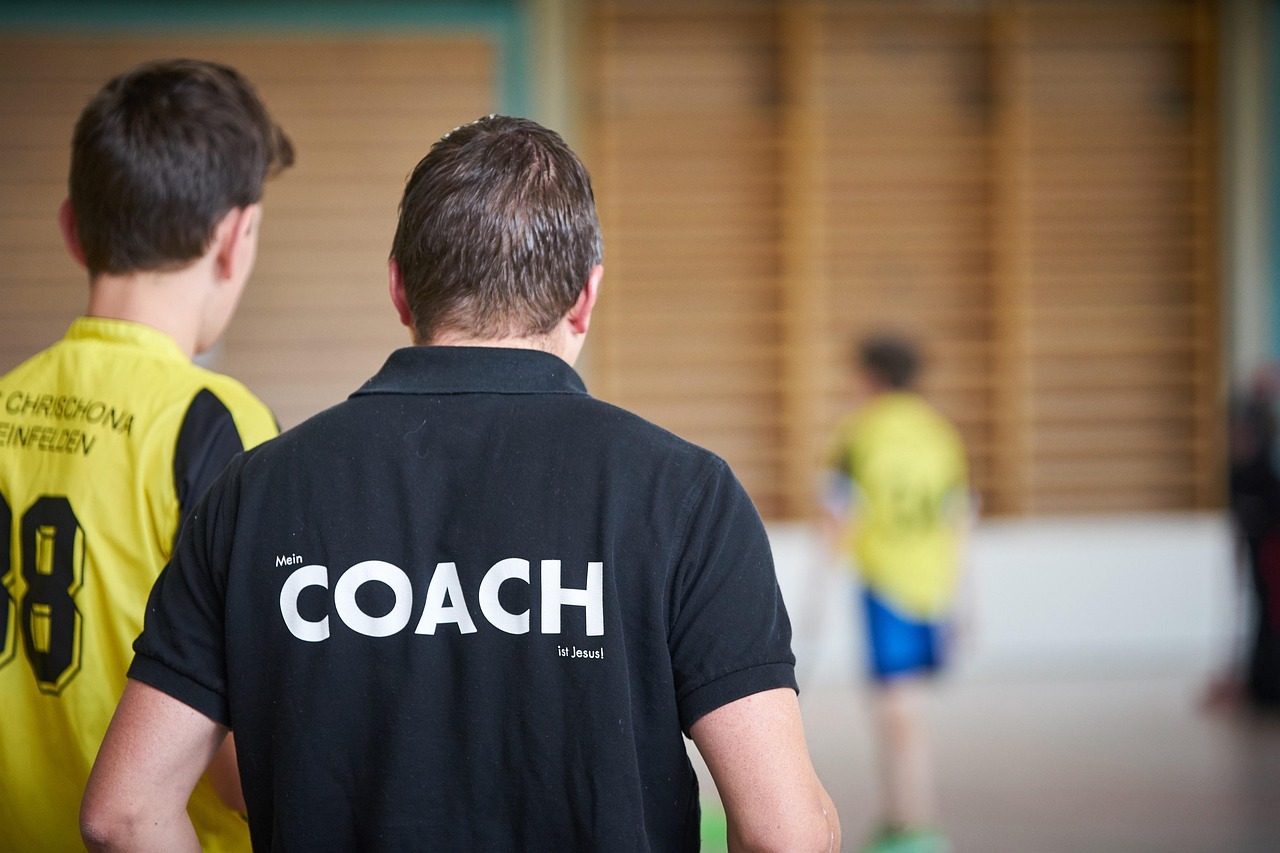
Neurodiversity is the foundational concept that frames the entire discourse on differences in brain wiring, cognition, and behavior as natural variations rather than deficits. It originates from the social model of disability, which argues that barriers created by society, not the individual's brain, are the primary source of disadvantage. In practice, this means that a coach or mentor adopts a perspective that seeks to understand how a person’s neurological profile interacts with environmental demands, rather than focusing solely on “symptoms” to be managed. For example, a client who processes information visually may thrive when presentations are delivered with infographics rather than dense text, illustrating how the neurodiversity lens reshapes the approach to learning and performance.
Autism Spectrum Condition (ASC) refers to a range of developmental differences that affect social communication, sensory processing, and patterns of interest or activity. The term “spectrum” emphasizes that there is no single autistic profile; individuals may be highly verbal and detail‑oriented, or they may communicate primarily through alternative means such as augmentative and assistive communication (AAC) devices. In coaching, recognizing the variety within ASC is crucial. A practical application is the use of “structured flexibility”: Providing a clear agenda for a session while allowing the client to choose the order of topics. This respects the autistic preference for predictability while honoring personal agency.
Attention‑Deficit/Hyperactivity Disorder (ADHD) is characterized by patterns of inattention, hyperactivity, and impulsivity that are inconsistent with developmental level. Key vocabulary includes “executive function,” “hyperfocus,” and “impulsivity regulation.” A client with ADHD may excel in environments that allow rapid task switching but struggle with prolonged, monotonous activities. Coaches can employ time‑boxing techniques, breaking work into short, focused intervals with scheduled breaks, thereby harnessing the client’s natural energy while mitigating distractibility. A challenge here is the tendency for over‑commitment; mentors must help clients set realistic goals and monitor for burnout.
Dyslexia is a specific learning difference that impacts decoding of written language, spelling, and sometimes working memory. It does not reflect overall intelligence; many dyslexic individuals demonstrate strong spatial reasoning and creativity. In a mentoring context, a coach might suggest the use of text‑to‑speech software during document review, or encourage the client to present ideas verbally before writing them down. A practical example is the “dual‑coding” strategy, where information is paired with visual symbols, supporting both auditory and visual processing pathways.
Dyspraxia (Developmental Coordination Disorder) affects motor planning and execution, often leading to difficulties with handwriting, organization, and time management. The term “motor sequencing” is central. For a client who struggles with fine‑motor tasks, a coach can recommend digital note‑taking tools that reduce reliance on handwriting. Additionally, breaking complex tasks into micro‑steps can alleviate the cognitive load associated with planning. A typical challenge is the internalized belief that “I am clumsy,” which can undermine confidence; mentors must reinforce strengths such as problem‑solving or analytical thinking.
Sensory Processing describes how individuals receive, organize, and respond to sensory input. Terms such as “hypersensitivity,” “hyposensitivity,” and “sensory modulation” are common. A client who is hypersensitive to auditory stimuli may find open‑plan offices overwhelming. Coaches can work with employers to implement “quiet zones” or provide noise‑cancelling headphones as reasonable adjustments. Conversely, a hyposensitive individual may require stronger tactile cues to stay engaged, prompting mentors to suggest the use of textured objects during brainstorming sessions.
Executive Function encompasses a set of cognitive processes that include planning, working memory, inhibition, and cognitive flexibility. Deficits in executive function often accompany ASC, ADHD, and dyspraxia. In practice, a coach may use visual planners, Kanban boards, or digital task‑management apps to externalize these processes. For instance, a client who has difficulty initiating tasks can benefit from “implementation intentions” – a strategy where they pre‑commit to a specific action (“When I finish lunch, I will open the project file”). The challenge is ensuring that tools do not become additional burdens; simplicity and personalization are key.
Stimming is short for self‑stimulating behavior, which can include hand‑flapping, rocking, humming, or repetitive keyboard tapping. While often misunderstood as “nervous habits,” stimming serves a regulatory function, helping the nervous system maintain optimal arousal levels. In a coaching session, it is respectful to allow stimming rather than asking the client to suppress it, unless the client expresses a desire to modify the behavior for specific contexts. A practical approach is to discuss alternative forms of self‑regulation that might be more socially acceptable in certain professional settings, always prioritizing the client’s comfort and autonomy.
Hyperfocus describes an intense, sustained concentration on a task of interest, which can be a strength for many neurodivergent individuals, especially those with ADHD. However, hyperfocus can also lead to neglect of other responsibilities. Coaches help clients develop “awareness checkpoints,” such as timed alerts or a partner’s gentle reminder, to transition from a hyperfocused state to other priorities. The concept of “balanced flow” is introduced, encouraging clients to allocate periods of deep work while preserving time for rest and broader obligations.
Neurotypical is the term used to describe individuals whose neurological development aligns with societal expectations and norms. While the term is useful for comparative discussions, it is important for mentors to avoid framing neurotypical as the default or superior. Instead, the emphasis should be on “differences in processing” and how varied perspectives enrich teams and organizations.
Social Model of Disability posits that disability arises from the interaction between a person’s impairments and an unaccommodating environment. In contrast, the “Medical Model” focuses on the individual's condition as a problem to be treated. Understanding both models allows coaches to navigate scenarios where a client may be receiving medical interventions while also advocating for environmental changes. For example, a client receiving medication for anxiety might also request flexible deadlines as an accommodation; the coach can help articulate the rationale for each approach.
Inclusion goes beyond mere presence; it involves active participation, belonging, and the removal of systemic barriers. A key term here is “belongingness,” which reflects the emotional experience of being accepted. Practical applications include co‑creating a “neurodiversity charter” with the client’s organization, outlining commitments to flexible work arrangements, mentorship programs, and ongoing education.
Accommodation refers to adjustments made to policies, practices, or environments to enable a neurodivergent individual to perform at their best. The term “reasonable adjustment” is often used in legal contexts, especially within the United Kingdom’s Equality Act 2010. Examples range from providing written instructions alongside verbal briefings to allowing a flexible start time to avoid peak‑hour commuting stress. A challenge for coaches is balancing the client’s desire for accommodation with the organization’s willingness to implement changes; strategic advocacy and evidence‑based proposals are essential tools.
Universal Design for Learning (UDL) is an educational framework that seeks to create learning experiences that are accessible to all, regardless of neurotype. Its three principles—multiple means of representation, expression, and engagement—translate well into workplace training. For instance, a mentor might design a workshop that includes video, audio, and graphic organizers, thereby catering to diverse cognitive styles. By championing UDL, coaches help organizations move from reactive accommodations to proactive, inclusive design.
Person‑First vs Identity‑First Language is a linguistic debate that influences how neurodivergent individuals are described. Person‑first language (e.G., “Person with autism”) emphasizes the individual before the condition, whereas identity‑first language (e.G., “Autistic person”) reflects a sense of the condition as an integral part of identity. The appropriate choice varies among individuals; a coach should ask each client their preference and consistently apply it. This practice demonstrates respect and reinforces the client’s agency over their narrative.
Strengths‑Based Approach shifts focus from deficits to abilities, encouraging clients to leverage their unique talents. For example, an autistic client may have exceptional pattern‑recognition skills, which can be applied to data analysis roles. Coaches facilitate strengths identification through tools such as the CliftonStrengths assessment, combined with neurodiversity‑specific reflections. The challenge lies in avoiding “strengths‑over‑burden” where clients feel pressured to compensate for systemic shortcomings; mentors must advocate for equitable workload distribution.
Cognitive Diversity is the broader term that captures variations in thinking styles, problem‑solving methods, and information processing. It aligns with the business case for neurodiversity, which highlights innovation, creativity, and improved decision‑making as outcomes of diverse cognitive inputs. A practical application is the formation of “mixed‑neurotype” project teams, where tasks are allocated based on each member’s preferred processing mode (e.G., Visual, verbal, kinesthetic). Coaches can guide managers in mapping team members’ strengths to project phases, fostering collaboration and mutual respect.
Co‑Occurring Conditions (also known as comorbidities) refer to the frequent presence of multiple neurodevelopmental or mental health diagnoses within a single individual. A common example is the coexistence of ASC and anxiety disorders. This complexity can affect coaching strategies; for instance, anxiety may amplify sensory sensitivities, requiring a more gradual exposure plan. Mentors must maintain an integrative perspective, coordinating with mental‑health professionals when appropriate, while respecting confidentiality and client autonomy.
Neurodivergent Identity is the self‑identification of an individual as part of the neurodiversity community. This identity often carries cultural, political, and social meanings, similar to other identity groups. Recognizing neurodivergent identity allows coaches to address topics such as community belonging, activism, and self‑advocacy. A client who embraces a neurodivergent identity may seek opportunities to mentor peers, and the coach can facilitate this by connecting them with neurodiversity networks or speaking engagements.
Neurodiverse Workplace describes an organizational environment where neurodivergent employees are not only present but also valued, supported, and integrated into the culture. Key terms include “neurodivergent talent pipeline,” “inclusive recruitment,” and “neurodivergent onboarding.” Practical steps involve redesigning job adverts to avoid neurotypical jargon, offering interview alternatives (e.G., Take‑home tasks), and providing mentorship pairings that match neurotype preferences. The challenge is sustaining momentum; ongoing training, measurement of inclusion metrics, and leadership commitment are essential.
Neurodivergent Client is any individual seeking coaching or mentoring services who identifies with one or more neurodivergent conditions. Effective practice begins with a thorough intake that captures the client’s neurotype, preferred communication style, sensory needs, and goals. For example, a client with ADHD may indicate a preference for short, dynamic sessions with visual checklists, while a dyslexic client may request that all written materials be provided in a dyslexia‑friendly font. The coach’s responsibility is to tailor the process to these specifications while maintaining professional standards.
Neurodivergent Communication Style encompasses variations in verbal articulation, non‑verbal cues, and information processing. Some autistic individuals may rely heavily on precise language and find figurative speech confusing; others may use a more literal style. In contrast, a client with ADHD might display rapid speech and frequent topic shifts. Awareness of these differences enables mentors to adapt their own communication—using clear, concise language, confirming understanding, and allowing pauses for processing. A practical technique is the “reflect‑back” method, where the coach restates the client’s point to ensure accurate comprehension.
Neurodiversity Lens is the analytical perspective that foregrounds neurotype as a factor influencing experience, behavior, and performance. When applied to problem‑solving, it encourages the exploration of multiple pathways, rather than defaulting to neurotypical assumptions. For instance, when a team faces a bottleneck, a coach using a neurodiversity lens might ask, “How might someone who processes information visually approach this challenge?” This reframing can uncover innovative solutions and promote inclusive thinking.
Diagnostic Criteria refers to the standardized guidelines—such as those in the DSM‑5 or ICD‑11—used by clinicians to identify neurodevelopmental conditions. While coaches are not diagnosticians, familiarity with these criteria helps them understand the language used by healthcare professionals and the implications for support eligibility. For example, knowing that the DSM‑5 defines ADHD as having at least six symptoms of inattention or hyperactivity for adults informs the coach’s language when discussing symptom management versus strengths utilization.
Self‑Advocacy is the skill set that enables individuals to articulate their needs, request accommodations, and assert their rights. In the context of neurodiversity coaching, mentors often work on building self‑advocacy through role‑playing conversations, drafting accommodation requests, and developing confidence in public speaking. A practical exercise might involve the client preparing a brief presentation for their manager, outlining specific adjustments (e.G., “I would like to receive meeting agendas 48 hours in advance”) and rehearsing responses to potential objections.
Reasonable Adjustments is a legal term in the United Kingdom, mandated by the Equality Act 2010, requiring employers to make changes that alleviate disadvantages caused by a disability. Adjustments can be structural (e.G., Ergonomic furniture), procedural (e.G., Flexible deadlines), or behavioral (e.G., Training staff on neurodivergent communication). Coaches support clients by helping them identify which adjustments are most impactful, documenting the need, and presenting a clear, evidence‑based case to HR. A challenge is that some adjustments may be perceived as “special treatment”; mentors must frame them as equity‑enhancing measures that benefit overall productivity.
Neurodivergent Neuroplasticity acknowledges that the brains of neurodivergent individuals retain the capacity for change, learning, and adaptation. While neurodivergent traits are stable, targeted interventions—such as executive‑function coaching, mindfulness training, or sensory integration strategies—can enhance functional skills. For example, a client with dyspraxia may improve fine‑motor coordination through regular, guided practice, demonstrating the dynamic nature of neuroplasticity. Coaches should balance encouragement of growth with respect for intrinsic neurotype, avoiding a “fix‑it” narrative.
Neurodivergent Talent is the concept that neurodivergent individuals bring unique abilities—such as pattern recognition, creative problem‑solving, hyper‑detail orientation, and divergent thinking—to the workforce. Talent identification processes that rely on conventional interview techniques may overlook these strengths. A mentor can guide organizations to implement alternative assessment methods, such as work‑sample tasks or real‑world problem simulations, thereby uncovering hidden talent. The challenge lies in shifting entrenched hiring biases and educating hiring managers on the value of varied cognitive profiles.
Neurodivergent Mentor is a seasoned professional who shares a neurodivergent identity and provides guidance, support, and role modeling to less experienced neurodivergent individuals. The mentor’s lived experience adds authenticity and credibility, fostering trust. In a mentoring relationship, the mentor may share strategies for navigating workplace sensory challenges, discuss career pathways that align with their strengths, and provide insight into self‑advocacy tactics. A practical model is the “peer‑coaching circle,” where multiple neurodivergent mentors rotate facilitation duties, creating a supportive network.
Neurodivergent Communication Accommodation includes adjustments such as providing written summaries after verbal meetings, allowing extra processing time before responding, or using visual aids to supplement spoken instructions. These accommodations are not “extras” but integral to effective information exchange. For instance, a client who processes language slowly may benefit from a brief pause after each question, enabling them to formulate a considered response. Coaches can embed these practices into meeting protocols, normalizing them for the whole team.
Neurodivergent Workplace Culture is cultivated when organizational values, policies, and everyday practices reflect an appreciation for cognitive differences. Key components include transparent communication channels, flexible work arrangements, and celebration of diverse thinking styles. A practical initiative is the “Neurodiversity Day,” where employees share personal stories, showcase adaptive tools, and discuss how different neurotypes contribute to innovation. Challenges often arise from entrenched stereotypes; sustained leadership endorsement and measurable outcomes (e.G., Retention rates, employee satisfaction) are essential for cultural shift.
Neurodiverse Team Dynamics refer to the interaction patterns that emerge when individuals with varied neurotypes collaborate. Terms such as “cognitive complementarity” and “diffusion of responsibility” are relevant. For example, a team comprising an autistic member with high attention to detail, a dyslexic member with strong spatial reasoning, and an ADHD member with rapid ideation can collectively generate robust solutions if roles are aligned with each member’s strengths. Coaches can facilitate “strength‑mapping workshops” where team members identify and articulate their preferred contributions, fostering mutual respect and efficient task allocation.
Neurodiversity Training is a structured educational program aimed at increasing awareness, reducing stigma, and providing practical tools for supporting neurodivergent individuals. Effective training includes interactive modules on sensory needs, communication preferences, and accommodation request processes. A best practice is to involve neurodivergent speakers who share authentic experiences, moving beyond abstract concepts to lived realities. A challenge is ensuring that training translates into sustained behavior change; post‑training follow‑up, mentorship, and performance metrics help embed learning.
Neurodivergent Disclosure is the decision by an individual to share their neurotype with employers, colleagues, or service providers. Disclosure can facilitate accommodations but also carries perceived risks of bias. Coaches support clients in weighing the pros and cons, developing a disclosure script, and selecting the appropriate timing (e.G., During onboarding versus after establishing trust). A practical tip is to frame disclosure around “needs” rather than “limitations,” emphasizing how adjustments will enhance performance.
Neurodivergent Resilience describes the capacity to adapt, recover, and thrive despite systemic barriers. Resilience is not an innate trait but can be cultivated through supportive relationships, skill development, and self‑compassion. Coaches help clients build resilience by setting achievable milestones, celebrating incremental progress, and fostering a growth mindset that acknowledges both challenges and achievements. An example is a client who, after experiencing workplace microaggressions, engages in reflective journaling and seeks out an ally network, thereby reinforcing coping strategies.
Neurodivergent Advocacy involves proactive efforts to influence policies, attitudes, and practices that affect neurodivergent populations. Advocacy can occur at personal, organizational, or societal levels. A mentor may guide a client to join a professional neurodiversity coalition, draft policy briefs for their employer, or speak at industry conferences. The term “allyship” is relevant here; allies are individuals who, while not neurodivergent themselves, actively support inclusion initiatives. Effective advocacy balances assertiveness with collaborative dialogue, seeking win‑win outcomes.
Neurodivergent Self‑Awareness is the understanding of one’s own cognitive profile, strengths, challenges, and triggers. This awareness underpins effective self‑advocacy and personal development. Coaches employ reflective exercises, such as “strengths‑challenge mapping,” where clients list tasks they excel at, those they find demanding, and the underlying neurocognitive factors. Over time, this practice cultivates metacognitive insight, enabling clients to anticipate situations that may require accommodations and to proactively request support.
Neurodivergent Learning Styles encompass preferences for processing information, such as visual, auditory, kinesthetic, or multimodal approaches. While learning‑style theory is debated, recognizing individual preferences can improve training efficacy. For instance, a client who learns best through hands‑on activities may benefit from role‑play simulations rather than lecture‑only sessions. Coaches should assess preferences through informal dialogue and adapt their delivery accordingly, ensuring that no single modality dominates.
Neurodivergent Strengths Inventory is a systematic tool that helps clients identify and articulate their core competencies. It may include categories like “pattern detection,” “systemic thinking,” “creative synthesis,” and “focus intensity.” By completing the inventory, clients gain language to communicate their value to employers and can align career pathways with their natural abilities. A practical application is to integrate the inventory results into a personal branding statement used on résumés and LinkedIn profiles.
Neurodivergent Workplace Policies are formal documents that outline the organization’s commitment to inclusion, accommodation processes, and grievance procedures. Key terms include “accessibility statement,” “reasonable adjustment request form,” and “confidentiality clause.” Coaches can assist clients in navigating these policies, ensuring they understand the steps to request accommodations, the timelines involved, and their rights under the Equality Act. Challenges often arise when policies are outdated; mentors may advise clients to propose policy revisions based on current best practices.
Neurodivergent Performance Metrics refer to the measurement tools used to evaluate employee output while accounting for neurotype‑related differences. Traditional metrics—such as punctuality or the number of meetings attended—may not fully capture the contributions of a neurodivergent employee. Alternative metrics might include “quality of analysis,” “innovation index,” or “problem‑solving efficiency.” Coaches can help clients negotiate performance criteria that reflect their strengths, ensuring fair appraisal.
Neurodivergent Talent Management is the strategic process of recruiting, developing, retaining, and promoting neurodivergent employees. It involves stages such as “targeted outreach,” “inclusive onboarding,” “career pathway planning,” and “succession planning.” A practical framework is the “four‑pillar model”: (1) Attraction, (2) development, (3) retention, and (4) advocacy. Each pillar incorporates specific actions—like mentorship programs for retention or leadership training for development—tailored to neurodivergent needs.
Neurodivergent Conflict Resolution addresses disagreements that may arise due to differing communication styles, sensory preferences, or problem‑solving approaches. Techniques include “structured dialogue,” where each party is given equal speaking time, and “sensory check‑ins,” where participants pause to assess any environmental discomfort that may be influencing emotions. Coaches can mediate by establishing ground rules that respect neurotype differences, such as allowing written responses for those who process better through text.
Neurodivergent Ethical Considerations encompass confidentiality, informed consent, and respect for autonomy. Coaches must be vigilant about not pathologizing clients or imposing neurotypical standards of “normalcy.” An ethical dilemma may occur when a client seeks to conceal a diagnosis for fear of discrimination; the mentor must balance the client’s wishes with the duty to promote a safe, inclusive environment. Transparent communication about the limits of confidentiality and the potential benefits of disclosure is essential.
Neurodivergent Professional Development focuses on building career‑related skills that align with neurotype strengths. Examples include project‑management certification for individuals who excel in organization, or creative writing workshops for those with strong narrative abilities. Coaches can map professional development plans to the client’s neurodivergent profile, ensuring that learning opportunities are accessible (e.G., Offering captioned webinars for auditory processing preferences).
Neurodivergent Coaching Models vary, but common frameworks include the “Strengths‑First Model,” the “Neurodiversity‑Inclusive Model,” and the “Adaptive Skills Model.” The Strengths‑First Model prioritizes identification and deployment of innate abilities before addressing challenges. The Neurodiversity‑Inclusive Model integrates environmental modifications alongside skill‑building, emphasizing the partnership between individual and context. The Adaptive Skills Model focuses on developing compensatory strategies (e.G., Time‑management techniques) while maintaining respect for neurotype. Coaches select a model based on client goals, organizational culture, and the nature of the presenting issues.
Neurodivergent Goal‑Setting requires specificity, flexibility, and alignment with the client’s intrinsic motivations. SMART criteria (Specific, Measurable, Achievable, Relevant, Time‑bound) can be adapted to incorporate neurodivergent considerations: For instance, “Specific” may include clarifying sensory preferences, while “Time‑bound” may allow for variable pacing to accommodate fluctuating energy levels. A practical tool is the “Goal‑Action‑Review” loop, where progress is reviewed regularly, and adjustments are made based on real‑time feedback.
Neurodivergent Feedback Mechanisms differ from typical feedback loops in that neurodivergent individuals may prefer written, concrete, and non‑evaluative comments. Verbal feedback that relies on tone or implied meaning can be misinterpreted. Coaches can implement “feedback sheets” that outline observations, strengths, and actionable suggestions, allowing the client to process the information at their own pace. The challenge is ensuring that feedback remains constructive and does not become overly prescriptive, which could stifle creativity.
Neurodivergent Time Management strategies acknowledge that conventional calendars may not align with the internal rhythms of neurodivergent individuals. Techniques such as “visual timers,” “task chunking,” and “energy‑mapping” (plotting high‑energy versus low‑energy periods throughout the day) help clients synchronize work demands with their natural cycles. For example, a client with ADHD may schedule high‑focus tasks during mid‑morning when alertness peaks, reserving administrative duties for later in the day.
Neurodivergent Emotional Regulation involves managing affective responses that may be heightened due to sensory overload or executive‑function challenges. Tools include mindfulness practices, sensory breaks, and “emotion‑labeling” exercises that help clients articulate feelings before they become overwhelming. Coaches can co‑create “regulation plans” that specify trigger identification, coping strategies, and support contacts, fostering proactive management rather than reactive coping.
Neurodivergent Social Interaction encompasses the varied ways individuals engage in interpersonal contexts. Terms such as “social reciprocity,” “non‑verbal cue interpretation,” and “conversation pacing” are relevant. A client who finds small talk draining may prefer deeper, topic‑focused discussions. Coaches can teach “conversation scripts” that provide structure for initiating, maintaining, and concluding interactions, reducing anxiety and enhancing confidence.
Neurodivergent Workplace Technology includes assistive tools such as speech‑to‑text software, screen‑reading applications, and customizable keyboards. Understanding the landscape of technology enables coaches to recommend solutions that align with the client’s specific needs. For instance, a dyslexic professional may benefit from a dyslexia‑friendly font (e.G., OpenDyslexic) combined with a spell‑check extension that highlights homophone errors. A challenge is ensuring that technology does not become a source of dependency; coaches should balance tool use with skill development.
Neurodivergent Research Evidence is the body of scholarly work that validates the efficacy of interventions, accommodations, and inclusive practices. Familiarity with key studies—such as those demonstrating the productivity gains from employing autistic engineers or the reduced turnover rates after implementing flexible scheduling for ADHD employees—strengthens the coach’s credibility. Coaches can cite this evidence when advocating for organizational change, providing a data‑driven rationale that resonates with business leaders.
Neurodivergent Legal Framework in the United Kingdom is anchored by the Equality Act 2010, which mandates protection from discrimination and requires reasonable adjustments. Understanding legal terminology—such as “disability definition,” “direct discrimination,” and “indirect discrimination”—equips coaches to guide clients through grievance procedures, if needed. Practical application includes drafting a “reasonable adjustment request letter” that references the specific sections of the Act, thereby framing the request within a legal context.
Neurodivergent Intersectionality acknowledges that neurodivergent individuals also hold other identities (e.G., Gender, ethnicity, sexual orientation) that influence their experiences of inclusion or marginalization. A black autistic woman, for example, may face compounded biases that affect career progression. Coaches must adopt an intersectional lens, recognizing how multiple axes of identity interact, and tailor support accordingly. This may involve connecting the client with affinity groups that address both neurodiversity and other identity dimensions.
Neurodivergent Career Pathways explore occupations that naturally align with common neurodivergent strengths. For instance, roles in data analysis, software testing, graphic design, and research often suit autistic individuals who thrive on pattern recognition and detail. Similarly, sales or creative marketing positions may appeal to those with ADHD who excel in high‑energy, fast‑paced environments. Coaches can conduct “career fit assessments,” mapping client strengths to occupational demands, and then develop actionable steps—such as targeted networking or skill‑building—to pursue those pathways.
Neurodivergent Mentorship Structures can be formal (e.G., Scheduled monthly meetings) or informal (e.G., Ad‑hoc check‑ins). Effective structures include clear expectations, mutual goal setting, and feedback loops. A mentor may adopt a “buddy system,” pairing a newly hired neurodivergent employee with an experienced colleague who can provide daily guidance. Challenges include ensuring that mentorship does not become a burden for the mentor; shared responsibility and organizational support are essential.
Neurodivergent Organizational Audits are systematic evaluations of policies, practices, and culture to identify gaps in inclusion. Audits typically assess areas such as recruitment processes, workplace design, communication channels, and performance review systems. Coaches can facilitate audits by providing checklists, conducting focus groups with neurodivergent staff, and delivering a report with actionable recommendations. The outcome often includes a roadmap for incremental improvements, prioritizing high‑impact changes like flexible work arrangements.
Neurodivergent Data Privacy concerns the handling of personal health information, particularly diagnostic details. Coaches must adhere to GDPR principles, ensuring that any disclosed information is stored securely, shared only with explicit consent, and used solely for the purpose of providing support. Clients should be informed of their rights to access, rectify, and erase their data. A challenge arises when multiple stakeholders (e.G., HR, line managers) require information; coaches must navigate these requests while safeguarding confidentiality.
Neurodivergent Well‑Being integrates physical, mental, and emotional health considerations. Sensory environments, work‑life balance, and access to mental‑health resources all influence well‑being. Coaches can develop “well‑being plans” that incorporate regular sensory breaks, ergonomic assessments, and connection to counseling services. Monitoring tools such as mood‑tracking apps can provide data for adjusting the plan over time, ensuring that well‑being remains a dynamic, client‑centered focus.
Neurodivergent Resourcing refers to the allocation of organizational assets—budget, personnel, training—to support neurodiversity initiatives. Effective resourcing may involve funding for assistive technology, hiring of neurodiversity officers, or sponsorship of employee resource groups. Coaches can assist clients in creating business cases that demonstrate return on investment, such as cost savings from reduced turnover or increased innovation output.
Neurodivergent Success Stories serve as powerful illustrations of how inclusive practices translate into tangible outcomes. Case studies might highlight an autistic software developer who reduced bug rates by 30 % after receiving a quiet workspace, or a dyslexic marketer who boosted campaign creativity through visual brainstorming sessions. Sharing these narratives during coaching sessions reinforces the positive impact of accommodations and motivates both clients and organizations to pursue further inclusion.
Neurodivergent Change Management involves guiding organizations through the transition from traditional, neurotypical‑centric practices to more inclusive models. Key steps include stakeholder analysis, communication planning, pilot testing of accommodations, and continuous evaluation. Coaches can act as change agents, facilitating workshops that surface concerns, co‑designing new processes, and monitoring adoption rates. A common challenge is resistance from middle management; addressing this requires evidence‑based persuasion and highlighting the strategic benefits of neurodiversity.
Neurodivergent Performance Review Adaptations may incorporate alternative evidence of achievement, such as portfolio reviews, peer feedback, or project outcomes, rather than relying solely on self‑assessment questionnaires. Coaches can help clients prepare for reviews by collating relevant artifacts, practicing concise presentation of achievements, and anticipating potential bias. For example, an autistic employee may present a structured “impact report” that quantifies contributions, providing clear, objective data that aligns with organizational expectations.
Neurodivergent Leadership Development focuses on cultivating leadership competencies that leverage neurodivergent strengths. Topics include strategic visioning (often a strength for autistic individuals), inspirational communication (which may be developed through coaching for those with social‑communication challenges), and delegation (supporting those who struggle with executive overload). Programs can incorporate mentorship, peer learning circles, and experiential projects that allow emerging neurodivergent leaders to practice skills in safe environments.
Neurodivergent Conflict Prevention emphasizes proactive strategies to reduce the likelihood of misunderstandings. Tools such as “communication preference profiles” allow team members to indicate preferred modes (e.G., Email vs. Face‑to‑face) and response times. Establishing “sensory safe zones” in meeting rooms—areas free from bright lights or loud noises—prevents sensory overload that can trigger conflict. Coaches can facilitate the creation of these protocols, ensuring that all parties feel respected and heard.
Neurodivergent Talent Retention strategies aim to keep valued neurodivergent employees engaged and satisfied. Retention tactics include career progression pathways, mentorship, regular check‑ins on accommodation effectiveness, and recognition of unique contributions. Data suggests that when organizations provide tailored support, turnover rates for neurodivergent staff decline significantly. Coaches can assist HR teams in designing retention programs that are both evidence‑based and individualized.
Neurodivergent Career Transition addresses periods of change, such as moving between roles, industries, or returning to work after a leave. Transition planning involves skill mapping, identification of transferable strengths, and preparation for new environmental demands. For example, a client transitioning from a technical role to a client‑facing position may need support in developing social communication skills and adjusting to different sensory contexts. Coaches can create transition timelines, set milestones, and provide resources to smooth the process.
Neurodivergent Workforce Analytics involves collecting and analyzing data on neurodivergent representation, accommodation utilization, and performance outcomes. Metrics may include the percentage of neurodivergent hires, accommodation request frequency, and employee satisfaction scores. By visualizing trends, organizations can identify gaps, measure progress, and make informed decisions. Coaches can guide clients in interpreting these analytics, helping them advocate for data‑driven improvements.
Neurodivergent Ethical Coaching Practice requires adherence to professional standards, cultural competence, and ongoing self‑reflection. Coaches must avoid imposing their own neurotypical assumptions, remain vigilant about power dynamics, and seek supervision when confronting complex ethical dilemmas. Continuous professional development—through workshops, peer supervision, and staying current with neurodiversity research—ensures that coaching practice remains responsible and effective.
Neurodivergent Cultural Competence extends beyond language to include awareness of how cultural backgrounds intersect with neurotype. For instance, in some cultures, expressing neurodivergent identity may be stigmatized, influencing disclosure decisions. Coaches should cultivate cultural humility, asking open‑ended questions about cultural values, and adapting interventions to respect those perspectives. This competence enhances trust and facilitates more personalized support.
Neurodivergent Goal Alignment ensures that personal aspirations are synchronized with organizational objectives. When a client’s goal to develop a new product feature aligns with the company’s innovation roadmap, the coach can facilitate a joint plan that highlights mutual benefits. This alignment reinforces the client’s sense of purpose and demonstrates the strategic value of neurodivergent contributions.
Neurodivergent Peer Support Networks provide informal, community‑based platforms where individuals share experiences, resources, and encouragement. Coaches can help clients locate or establish such networks, whether through online forums, local meet‑ups, or corporate affinity groups. Peer support reduces isolation, offers practical tips, and fosters a sense of belonging, all of which are critical for sustained success.
Neurodivergent Innovation Processes recognize that neurodivergent thinkers often approach problems from unconventional angles, generating novel ideas.
Key takeaways
- For example, a client who processes information visually may thrive when presentations are delivered with infographics rather than dense text, illustrating how the neurodiversity lens reshapes the approach to learning and performance.
- Autism Spectrum Condition (ASC) refers to a range of developmental differences that affect social communication, sensory processing, and patterns of interest or activity.
- Coaches can employ time‑boxing techniques, breaking work into short, focused intervals with scheduled breaks, thereby harnessing the client’s natural energy while mitigating distractibility.
- In a mentoring context, a coach might suggest the use of text‑to‑speech software during document review, or encourage the client to present ideas verbally before writing them down.
- A typical challenge is the internalized belief that “I am clumsy,” which can undermine confidence; mentors must reinforce strengths such as problem‑solving or analytical thinking.
- Conversely, a hyposensitive individual may require stronger tactile cues to stay engaged, prompting mentors to suggest the use of textured objects during brainstorming sessions.
- For instance, a client who has difficulty initiating tasks can benefit from “implementation intentions” – a strategy where they pre‑commit to a specific action (“When I finish lunch, I will open the project file”).