
Organic Crop Production
Organic crop production is a method of farming that focuses on using natural and environmentally friendly techniques to grow crops. This approach avoids the use of synthetic fertilizers and pesticides , which can harm the ecosystem and huma…
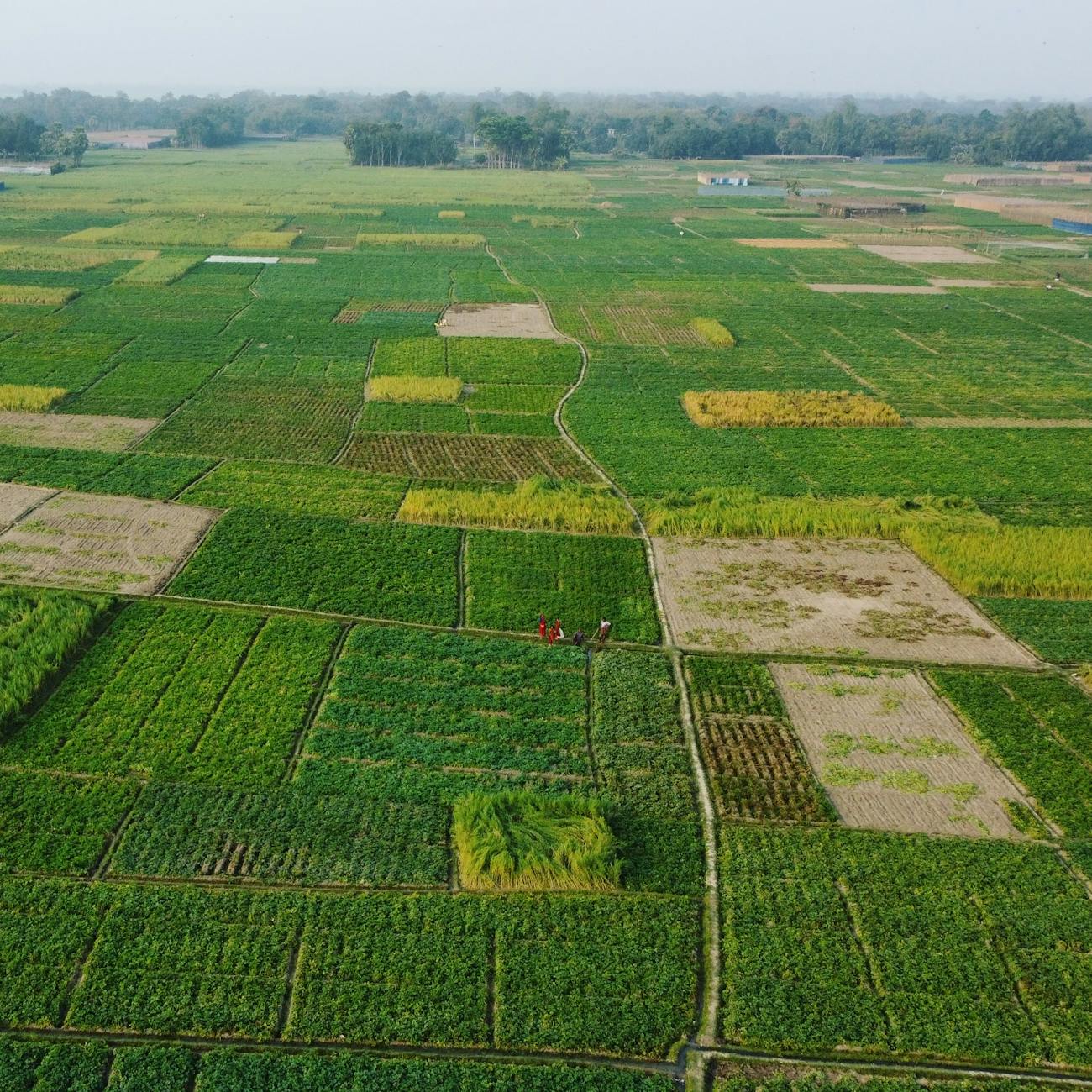
Organic crop production is a method of farming that focuses on using natural and environmentally friendly techniques to grow crops. This approach avoids the use of synthetic fertilizers and pesticides, which can harm the ecosystem and human health. Instead, organic farmers rely on composting, crop rotation, and other natural methods to maintain soil fertility and control pests.
One of the key principles of organic crop production is the use of cover crops, which are plants that are grown between crop cycles to protect and enrich the soil. Legumes, such as beans and peas, are commonly used as cover crops because they have the ability to fix nitrogen in the soil, reducing the need for synthetic fertilizers. Other examples of cover crops include cereals, such as oats and rye, and brassicas, such as kale and broccoli.
Organic farmers also use integrated pest management (IPM) techniques to control pests and diseases. IPM involves using a combination of methods, such as crop rotation, sanitation, and biological control, to minimize the use of chemical pesticides. For example, a farmer might use parasitic wasps to control aphid populations, or predatory nematodes to control insect larvae.
Soil conservation is another important aspect of organic crop production. Organic farmers use techniques such as contour farming and terracing to reduce soil erosion and promote soil health. They also use mulching and composting to add organic matter to the soil and improve its structure and fertility.
Organic crop production also involves the use of organic amendments, such as manure and compost, to improve soil fertility. These amendments are made from natural materials, such as animal waste and plant residues, and are free from synthetic additives. Organic farmers also use green manure crops, such as clover and alfalfa, to add nitrogen and other nutrients to the soil.
In addition to these techniques, organic farmers also use biodynamic methods, which involve using astronomical observations and homeopathic preparations to promote soil health and fertility. Biodynamic farming is based on the idea that the earth is a living organism and that farming practices should be tailored to the cycles of nature.
Organic crop production has several benefits, including improved soil health, biodiversity, and ecosystem services. Organic farms tend to have higher levels of soil organic matter, which helps to sequester carbon and promote soil fertility. Organic farming also tends to promote biodiversity, as it often involves growing a diverse range of crops and using ecological techniques to control pests and diseases.
However, organic crop production also faces several challenges, including lower yields and higher labor costs. Organic farming often requires more labor and management than conventional farming, as it involves using more complex and labor-intensive techniques. Organic farmers also tend to face higher marketing and certification costs, as they must comply with strict regulations and standards.
Despite these challenges, organic crop production is becoming increasingly popular, as consumers become more aware of the health and environmental benefits of organic produce. Organic farming is also being promoted by governments and international organizations, which recognize its potential to promote sustainable agriculture and rural development.
In Morocco, organic crop production is still a relatively new and emerging sector, but it has the potential to play an important role in promoting sustainable agriculture and rural development. The country has a favorable climate and soil conditions for organic farming, and there is a growing demand for organic produce in domestic and international markets.
To promote organic crop production in Morocco, the government has established a number of initiatives and programs, including the National Organic Farming Program and the Organic Farming Development Project. These initiatives provide technical assistance and financial support to organic farmers, as well as training and capacity building programs to promote sustainable agriculture practices.
In addition to these initiatives, there are also a number of non-governmental organizations (NGOs) and private sector companies that are promoting organic crop production in Morocco. These organizations provide a range of services, including technical assistance, marketing support, and certification services, to help organic farmers develop their businesses and promote their products.
One of the key challenges facing organic crop production in Morocco is the lack of infrastructure and support services for organic farmers. Many organic farmers in Morocco lack access to markets, credit, and other resources that they need to develop their businesses. To address this challenge, the government and NGOs are working to establish organic farming associations and cooperatives that can provide support services and advocacy for organic farmers.
Another challenge facing organic crop production in Morocco is the lack of awareness and understanding of organic farming practices among farmers and consumers. Many farmers in Morocco are not aware of the benefits of organic farming, and many consumers are not aware of the difference between organic and conventional produce. To address this challenge, the government and NGOs are working to promote awareness and education about organic farming practices, through training programs, workshops, and media campaigns.
In terms of crop selection, organic farmers in Morocco tend to focus on growing a range of fruits and vegetables, including citrus, olives, and tomatoes. They also grow a range of grains, including wheat, barley, and maize. In addition to these crops, organic farmers in Morocco are also starting to grow a range of herbs and spices, including mint, thyme, and rosemary.
In terms of soil management, organic farmers in Morocco tend to use a range of techniques, including composting, mulching, and cover cropping. They also use manure and green manure crops to add organic matter to the soil and promote soil fertility. In addition to these techniques, organic farmers in Morocco are also starting to use biodynamic methods, which involve using astronomical observations and homeopathic preparations to promote soil health and fertility.
In terms of pest management, organic farmers in Morocco tend to use a range of techniques, including crop rotation, biological control, and physical barriers. They also use neem oil and pyrethrum to control pests, and compost tea to promote soil health and fertility. In addition to these techniques, organic farmers in Morocco are also starting to use integrated pest management (IPM) approaches, which involve using a combination of methods to minimize the use of chemical pesticides.
In terms of marketing and certification, organic farmers in Morocco tend to face a range of challenges, including lack of access to markets and certification services. To address these challenges, the government and NGOs are working to establish organic farming associations and cooperatives that can provide support services and advocacy for organic farmers. They are also working to promote awareness and education about organic farming practices, through training programs, workshops, and media campaigns.
Overall, organic crop production has the potential to play an important role in promoting sustainable agriculture and rural development in Morocco. However, it faces a range of challenges, including lack of infrastructure and support services, lack of awareness and understanding of organic farming practices, and lack of access to markets and certification services. To address these challenges, the government and NGOs are working to establish organic farming associations and cooperatives, promote awareness and education about organic farming practices, and provide support services and advocacy for organic farmers.
The use of technology is also becoming increasingly important in organic crop production in Morocco. Many organic farmers are starting to use precision agriculture techniques, such as GPS and drones, to improve efficiency and productivity. They are also using social media and online platforms to promote their products and connect with consumers.
In addition to these technologies, organic farmers in Morocco are also starting to use renewable energy sources, such as solar and wind power, to reduce their carbon footprint and promote sustainability. They are also using water conservation techniques, such as drip irrigation and mulching, to reduce water waste and promote water efficiency.
Overall, the use of technology has the potential to play an important role in promoting sustainable agriculture and rural development in Morocco. However, it also requires investment in infrastructure and capacity building, as well as awareness and education about the benefits and challenges of using technology in organic crop production.
In terms of policy and regulation, the Moroccan government has established a number of initiatives and programs to promote organic crop production. These include the National Organic Farming Program and the Organic Farming Development Project, which provide technical assistance and financial support to organic farmers. The government has also established a number of regulations and standards for organic farming, including the National Organic Farming Standard and the Organic Farming Certification Scheme.
In addition to these initiatives and regulations, the Moroccan government is also working to promote international cooperation and trade in organic produce. This includes participating in international agreements and conventions, such as the International Federation of Organic Agriculture Movements and the Organic Crop Improvement Association.
Overall, the policy and regulatory framework for organic crop production in Morocco is still evolving and developing. However, it has the potential to play an important role in promoting sustainable agriculture and rural development in the country. To achieve this potential, it will be important to continue to invest in capacity building and awareness and education about organic farming practices, as well as to strengthen the regulatory framework and enforcement mechanisms for organic farming.
In terms of future prospects, organic crop production in Morocco has a number of future prospects and opportunities. These include the potential to increase exports of organic produce, particularly to European and North American markets. There is also the potential to develop new products and value chains for organic produce, such as organic oils and cosmetics.
In addition to these opportunities, there are also a number of challenges and risks facing organic crop production in Morocco. These include the potential for climate change to impact crop yields and quality, as well as the potential for pests and diseases to impact crop productivity. There is also the potential for market fluctuations and price volatility to impact the viability of organic farming businesses.
Overall, the future prospects for organic crop production in Morocco are mixed and uncertain. However, with the right policies and support, it has the potential to play an important role in promoting sustainable agriculture and rural development in the country.
In terms of research and development, there are a number of areas where research is needed to promote organic crop production in Morocco. These include the development of new technologies and practices for organic farming, such as precision agriculture and biotechnology. There is also a need for research on the environmental and social impacts of organic farming, as well as on the economics of organic farming and the market trends for organic produce.
In addition to these areas, there is also a need for research on the policy and regulatory framework for organic farming in Morocco. This includes research on the effectiveness of current policies and regulations, as well as on the potential for policy reform and regulatory change.
Overall, research and development has the potential to play an important role in promoting organic crop production in Morocco. However, it will be important to continue to invest in research and development, as well as to strengthen the capacity of research institutions and universities to conduct research on organic farming.
In terms of extension and training, there are a number of programs and initiatives in Morocco that provide training and extension services to organic farmers. There are also a number of NGOs and private sector companies that provide training and extension services to organic farmers.
In addition to these programs and initiatives, there is also a need for training and extension services that focus on specific topics, such as soil conservation and water management. There is also a need for training and extension services that are tailored to the needs of small-scale farmers and women farmers, who often face unique challenges in accessing markets and resources.
Overall, extension and training has the potential to play an important role in promoting organic crop production in Morocco. However, it will be important to continue to invest in extension and training programs, as well as to strengthen the capacity of extension agents and training institutions to provide high-quality training and extension services to organic farmers.
In terms of marketing and trade, there are a number of opportunities and challenges facing organic crop production in Morocco.
These include the potential for market fluctuations and price volatility to impact the viability of organic farming businesses. There is also the potential for competition from other countries and regions to impact the competitiveness of Moroccan organic produce.
Overall, marketing and trade has the potential to play an important role in promoting organic crop production in Morocco. However, it will be important to continue to invest in marketing and trade programs, as well as to strengthen the capacity of marketing institutions and trade organizations to promote Moroccan organic produce in domestic and international markets.
Key takeaways
- Instead, organic farmers rely on composting, crop rotation, and other natural methods to maintain soil fertility and control pests.
- Legumes, such as beans and peas, are commonly used as cover crops because they have the ability to fix nitrogen in the soil, reducing the need for synthetic fertilizers.
- IPM involves using a combination of methods, such as crop rotation, sanitation, and biological control, to minimize the use of chemical pesticides.
- They also use mulching and composting to add organic matter to the soil and improve its structure and fertility.
- Organic farmers also use green manure crops, such as clover and alfalfa, to add nitrogen and other nutrients to the soil.
- In addition to these techniques, organic farmers also use biodynamic methods, which involve using astronomical observations and homeopathic preparations to promote soil health and fertility.
- Organic farming also tends to promote biodiversity, as it often involves growing a diverse range of crops and using ecological techniques to control pests and diseases.