
Understanding Steroid Abuse
The abuse of anabolic steroids is a serious issue that affects individuals from various backgrounds and age groups. Understanding the key terms and vocabulary related to steroid abuse is essential for developing effective prevention strateg…
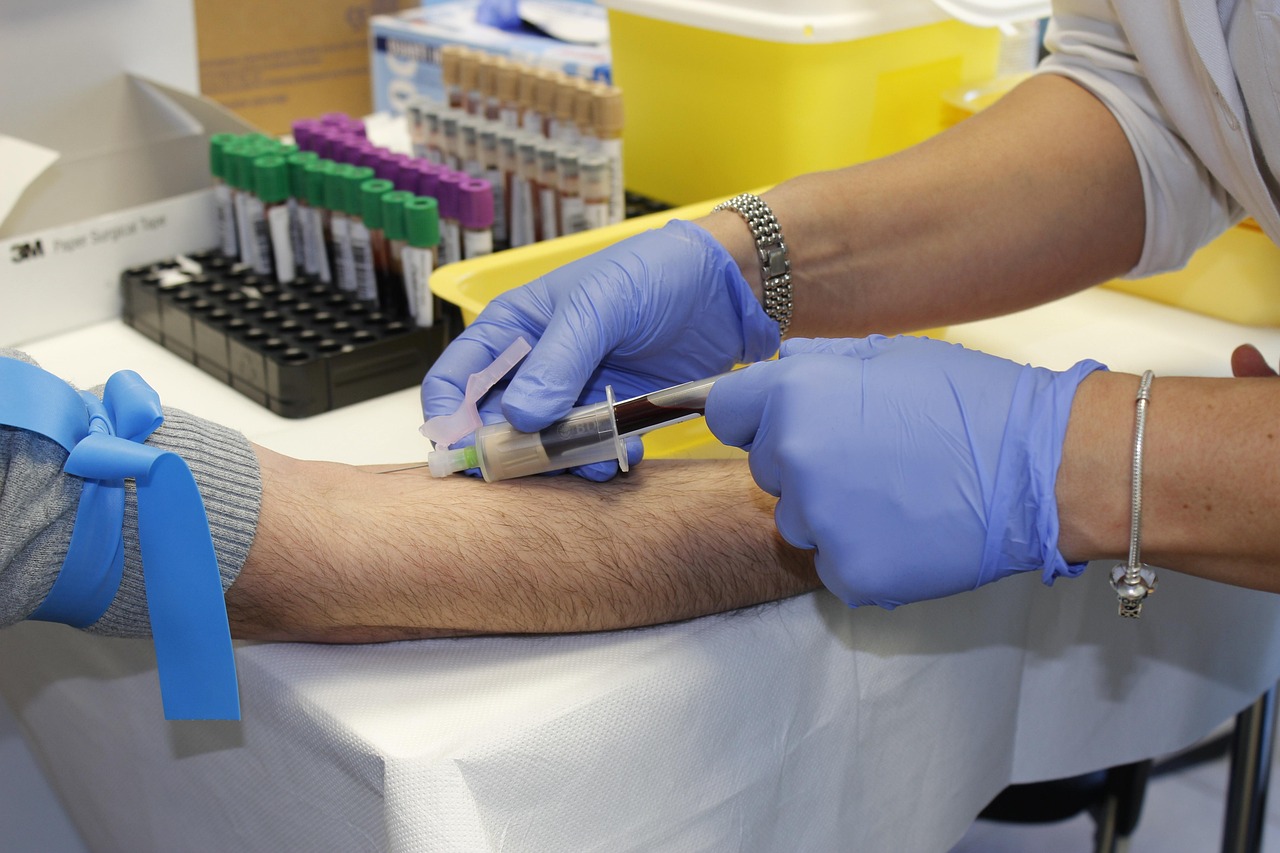
The abuse of anabolic steroids is a serious issue that affects individuals from various backgrounds and age groups. Understanding the key terms and vocabulary related to steroid abuse is essential for developing effective prevention strategies. Steroid abuse refers to the use of anabolic steroids without a medical prescription or in excessive amounts. Anabolic steroids are synthetic hormones that mimic the effects of testosterone in the body, promoting muscle growth and development.
Individuals who engage in steroid abuse often do so to enhance their physical appearance or improve their athletic performance. However, the use of anabolic steroids can have severe consequences, including damage to the liver, heart, and reproductive system. The short-term effects of steroid abuse can include acne, aggression, and depression, while the long-term effects can lead to infertility, osteoporosis, and even death.
The prevalence of steroid abuse varies among different populations, with some groups being more vulnerable to the risks associated with steroid use. For example, athletes and bodybuilders are often at a higher risk of steroid abuse due to the pressure to perform and the desire to achieve a physical ideal. Similarly, individuals with body dysmorphic disorder may be more likely to engage in steroid abuse as a means of coping with their body image concerns.
The diagnosis of steroid abuse can be challenging, as individuals who engage in steroid use often do so in secret. However, healthcare professionals can look for signs and symptoms such as acne, hair loss, and gynecomastia (the development of breast tissue in men). Additionally, laboratory tests can be used to detect the presence of anabolic steroids in the body.
The treatment of steroid abuse typically involves a multidisciplinary approach, including medical, psychological, and social support. Counseling and therapy can help individuals address the underlying issues that led to their steroid use, while medical treatment can help manage the physical consequences of steroid abuse. In some cases, medications such as clomiphene or human chorionic gonadotropin (hCG) may be prescribed to help restore testosterone production and improve reproductive function.
The prevention of steroid abuse is critical, as it can help reduce the risks associated with steroid use and promote healthy lifestyles. Educational programs and awareness campaigns can help individuals understand the dangers of steroid abuse and the importance of healthy nutrition and exercise. Additionally, parents, coaches, and healthcare professionals can play a critical role in promoting positive body image and self-esteem among young people.
The role of parents in preventing steroid abuse is particularly important, as they can help promote healthy lifestyles and values among their children. Parents can encourage their children to engage in sports and physical activities that promote fun and friendship, rather than competition and aggression. Additionally, parents can help their children develop positive body image and self-esteem by promoting healthy eating habits and exercise routines.
The impact of media on steroid abuse is also significant, as it can promote unrealistic beauty standards and unhealthy lifestyles. The media often portrays athletes and celebrities as role models, promoting the use of steroids and other performance-enhancing substances. However, educational programs and awareness campaigns can help counteract these messages and promote healthy lifestyles and values.
The legal status of anabolic steroids varies among different countries, with some countries classifying them as controlled substances and others allowing their use for medical purposes. In the United States, for example, anabolic steroids are classified as Schedule III controlled substances, making their use and distribution illegal without a medical prescription.
The detection of steroid abuse is a critical aspect of preventing and treating steroid-related disorders. Urinalysis and blood tests can be used to detect the presence of anabolic steroids in the body, while physical examinations and medical history can help identify signs and symptoms of steroid abuse. Additionally, questionnaires and surveys can be used to assess an individual's risk of steroid abuse and provide targeted interventions.
The management of steroid abuse requires a comprehensive approach, including medical, psychological, and social support.
The recovery from steroid abuse can be a challenging and long-term process, requiring commitment and support from family, friends, and healthcare professionals. Counseling and therapy can help individuals develop coping skills and strategies to manage cravings and relapse, while medical treatment can help manage the physical consequences of steroid abuse. Additionally, support groups and online forums can provide a sense of community and connection for individuals recovering from steroid abuse.
The importance of education and awareness in preventing steroid abuse cannot be overstated. Educational programs and awareness campaigns can help individuals understand the dangers of steroid abuse and the importance of healthy lifestyles and values.
The future of steroid abuse prevention and treatment looks promising, with research and development of new treatments and interventions underway. The use of technology, such as mobile apps and online platforms, can help provide access to education and support services for individuals at risk of steroid abuse. Additionally, the integration of mental health and substance abuse treatment services can help provide comprehensive care for individuals struggling with steroid abuse.
The challenges of steroid abuse prevention and treatment are significant, requiring coordination and collaboration among healthcare professionals, community organizations, and government agencies. The stigma associated with steroid abuse can make it difficult for individuals to seek help and support, while the lack of resources and funding can limit the availability of effective treatments and interventions. However, by working together and promoting education and awareness, we can help prevent steroid abuse and promote healthy lifestyles and values.
The relationship between steroid abuse and mental health is complex, with steroid use often being linked to depression, anxiety, and other mental health disorders. The use of steroids can exacerbate underlying mental health issues, while the withdrawal from steroids can lead to severe mental health symptoms. Therefore, it is essential to address the mental health needs of individuals struggling with steroid abuse, providing access to counseling and therapy services.
The impact of steroid abuse on relationships can be significant, with steroid use often leading to conflict and strain on relationships with family and friends. The secrecy and deception often associated with steroid use can damage trust and intimacy, while the physical and emotional consequences of steroid abuse can make it challenging to maintain healthy relationships. Therefore, it is essential to address the relationship needs of individuals struggling with steroid abuse, providing access to counseling and therapy services.
The importance of screening and assessment in identifying individuals at risk of steroid abuse cannot be overstated. Screening tools and assessments can help identify individuals who are using steroids or are at risk of steroid abuse, providing early intervention and support. Additionally, screening and assessment can help identify underlying mental health issues and substance abuse disorders that may be contributing to steroid abuse.
The use of steroid abuse prevention programs in sports and fitness settings can be an effective way to prevent steroid abuse among athletes and fitness enthusiasts. These programs often provide education and awareness about the dangers of steroid abuse, as well as support and resources for individuals who may be struggling with steroid abuse. Additionally, these programs can help promote healthy lifestyles and values among athletes and fitness enthusiasts, reducing the risk of steroid abuse.
The role of coaches and trainers in preventing steroid abuse is critical, as they can help promote healthy lifestyles and values among athletes and fitness enthusiasts. Coaches and trainers can provide education and awareness about the dangers of steroid abuse, as well as support and resources for individuals who may be struggling with steroid abuse. Additionally, coaches and trainers can help promote positive body image and self-esteem among athletes and fitness enthusiasts, reducing the risk of steroid abuse.
The importance of family support in preventing steroid abuse cannot be overstated. Family members can play a critical role in promoting healthy lifestyles and values among young people, reducing the risk of steroid abuse. Additionally, family members can provide emotional support and encouragement to individuals who may be struggling with steroid abuse, helping them to seek help and support.
The impact of steroid abuse on society can be significant, with steroid abuse often being linked to crime and violence. The use of steroids can exacerbate underlying mental health issues, leading to aggressive and violent behavior. Therefore, it is essential to address the societal factors that contribute to steroid abuse, promoting healthy lifestyles and values among young people and reducing the risk of steroid abuse.
The importance of research and development in preventing and treating steroid abuse cannot be overstated. Research and development can help identify the causes and consequences of steroid abuse, as well as effective treatments and interventions. Additionally, research and development can help promote healthy lifestyles and values among young people, reducing the risk of steroid abuse.
The use of technology in preventing and treating steroid abuse is becoming increasingly important. Technology can provide access to education and support services for individuals at risk of steroid abuse, as well as online platforms and mobile apps to promote healthy lifestyles and values. Additionally, technology can help identify individuals who may be struggling with steroid abuse, providing early intervention and support.
The importance of collaboration and partnership in preventing and treating steroid abuse cannot be overstated. Collaboration and partnership among healthcare professionals, community organizations, and government agencies can help provide comprehensive care for individuals struggling with steroid abuse. Additionally, collaboration and partnership can help promote healthy lifestyles and values among young people, reducing the risk of steroid abuse.
Key takeaways
- Anabolic steroids are synthetic hormones that mimic the effects of testosterone in the body, promoting muscle growth and development.
- The short-term effects of steroid abuse can include acne, aggression, and depression, while the long-term effects can lead to infertility, osteoporosis, and even death.
- For example, athletes and bodybuilders are often at a higher risk of steroid abuse due to the pressure to perform and the desire to achieve a physical ideal.
- However, healthcare professionals can look for signs and symptoms such as acne, hair loss, and gynecomastia (the development of breast tissue in men).
- Counseling and therapy can help individuals address the underlying issues that led to their steroid use, while medical treatment can help manage the physical consequences of steroid abuse.
- Educational programs and awareness campaigns can help individuals understand the dangers of steroid abuse and the importance of healthy nutrition and exercise.
- Parents can encourage their children to engage in sports and physical activities that promote fun and friendship, rather than competition and aggression.