
Global Migration Trends
Global migration trends are shaped by a complex array of factors, including economic, social, political, and environmental considerations. The movement of people from one country to another can be influenced by push factors, such as poverty…
Global migration trends are shaped by a complex array of factors, including economic, social, political, and environmental considerations. The movement of people from one country to another can be influenced by push factors, such as poverty, conflict, or persecution, or pull factors, such as job opportunities, education, or family ties. Understanding these factors is crucial for developing effective immigration policies that balance the needs of both the sending and receiving countries.
One key concept in global migration trends is the idea of brain drain, which refers to the loss of skilled workers from a country due to emigration. This can have significant consequences for the sending country, including a reduction in the availability of skilled labor and a loss of tax revenue. On the other hand, brain gain occurs when a country attracts skilled workers from other countries, which can lead to an increase in innovation, productivity, and economic growth.
Another important concept is the distinction between voluntary and forced migration. Voluntary migration refers to the movement of people who choose to migrate for economic, social, or personal reasons, while forced migration refers to the movement of people who are compelled to leave their homes due to conflict, persecution, or natural disasters. Refugees are a specific type of forced migrant who have been recognized as needing international protection due to a well-founded fear of persecution.
Global migration trends are also influenced by demographic factors, such as population growth, aging, and urbanization. In many countries, low birth rates and aging populations have led to a shortage of skilled workers, which can be addressed through immigration policies that attract younger, skilled workers. On the other hand, rapid urbanization in some countries has led to an increase in internal migration, as people move from rural areas to cities in search of employment and better living conditions.
The global economy also plays a significant role in shaping migration trends. The increasing globalization of trade, investment, and labor markets has created new opportunities for migration, particularly for skilled workers. However, it has also led to the exploitation of migrant workers, particularly in industries such as construction, agriculture, and domestic work. Labor laws and regulations are essential for protecting the rights of migrant workers and ensuring that they are treated fairly and humanely.
In addition to economic factors, political considerations also influence global migration trends. Government policies, such as visa requirements, border controls, and deportation practices, can either facilitate or hinder migration. In some countries, nationalist sentiment and anti-immigrant rhetoric have led to the introduction of restrictive immigration policies, while in others, more open and inclusive policies have been adopted.
The environment is another factor that is increasingly influencing global migration trends. Climate change, natural disasters, and environmental degradation are all driving forces behind migration, particularly in vulnerable countries such as small island states and low-lying coastal areas. Environmental migrants may be forced to leave their homes due to rising sea levels, drought, or other environmental factors, and may require special protection and assistance.
Global migration trends are also shaped by social factors, such as family ties, social networks, and community relationships. Migrant workers often rely on social networks to find employment, housing, and other essential services in their destination countries. Cultural factors, such as language, religion, and customs, can also influence migration decisions and experiences.
The technology sector is also playing an increasingly important role in global migration trends. The use of digital platforms, social media, and other technologies has facilitated the movement of people, goods, and services across borders. Online platforms, such as job search websites and social media, have made it easier for migrant workers to find employment and connect with potential employers.
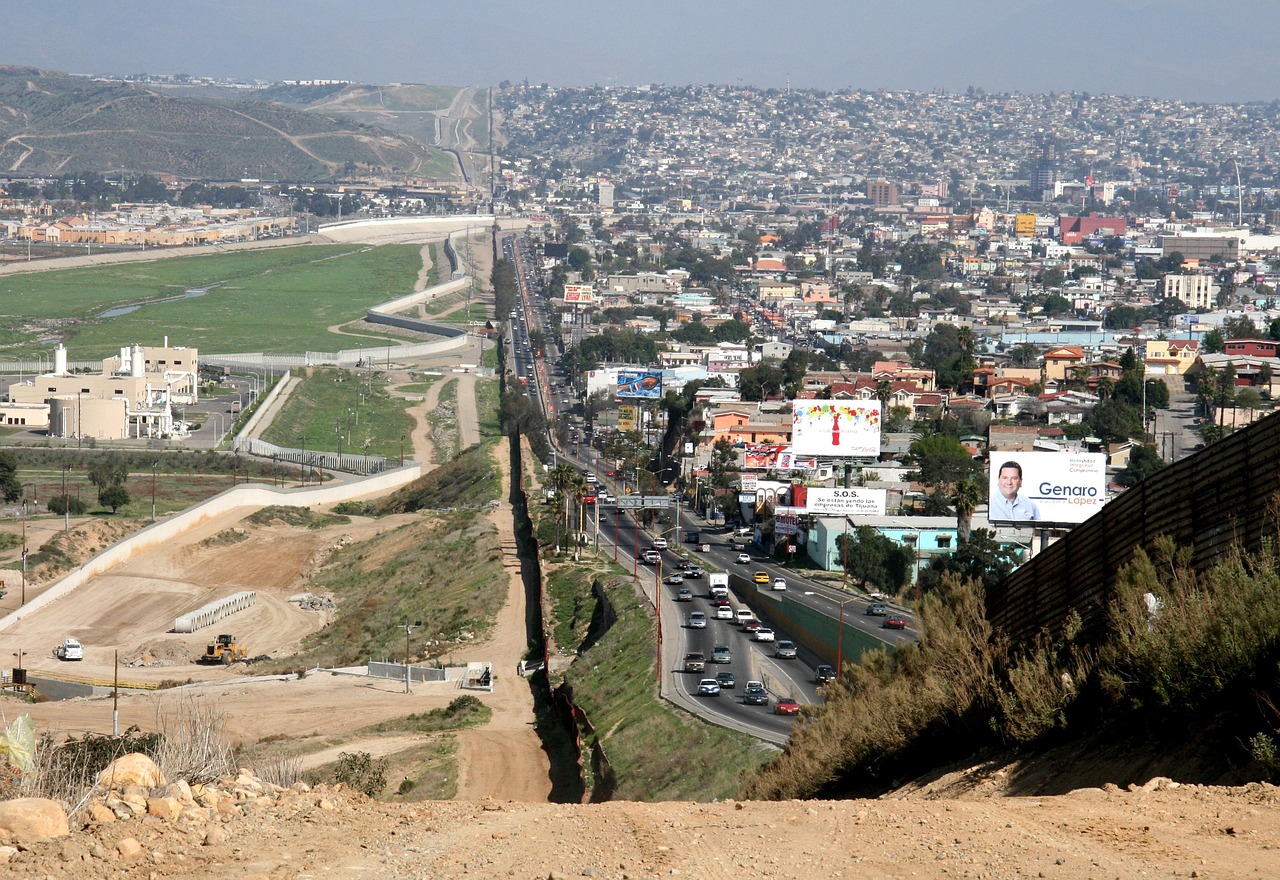
In terms of policy responses, governments are adopting a range of strategies to manage global migration trends. These include border control measures, such as fences, walls, and surveillance systems, as well as integration policies, such as language training, job placement, and cultural orientation programs. International cooperation is also essential for addressing the challenges and opportunities presented by global migration trends, including the development of global governance frameworks and the provision of humanitarian assistance to migrant workers and refugees.
One of the key challenges in managing global migration trends is the need to balance the rights of migrant workers with the interests of destination countries. This requires a careful consideration of the economic, social, and political impacts of migration, as well as the development of fair and humane policies that protect the rights of all individuals involved.
In practical terms, this means that governments and other stakeholders must work to create inclusive and welcoming environments for migrant workers, including the provision of language training, job placement, and cultural orientation programs. It also means that labor laws and regulations must be enforced to protect the rights of migrant workers, including the right to fair wages, safe working conditions, and social protection.
Furthermore, international cooperation is essential for addressing the challenges and opportunities presented by global migration trends. This includes the development of global governance frameworks, such as the United Nations' Global Compact for Safe, Orderly and Regular Migration, as well as the provision of humanitarian assistance to migrant workers and refugees.
In addition to these efforts, it is also important to recognize the agency and autonomy of migrant workers, including their right to make informed decisions about their own lives and livelihoods. This requires a shift away from paternalistic approaches to migration management, which often prioritize the interests of destination countries over the needs and rights of migrant workers.
Instead, governments and other stakeholders must work to create partnerships with migrant workers and their organizations, including the provision of support services and resources to help them navigate the migration process. This includes the development of community-based initiatives, such as migrant worker centers and advocacy groups, which can provide vital assistance and support to migrant workers.
In terms of future trends, it is likely that global migration will continue to be shaped by a complex array of economic, social, political, and environmental factors. As the global economy continues to evolve, new opportunities and challenges will emerge, including the growth of digital economies and the increasing importance of skills and innovation.
At the same time, climate change and environmental degradation are likely to become increasingly important drivers of migration, particularly in vulnerable countries and regions. This will require a proactive and responsive approach to migration management, including the development of adaptation strategies and resilience building initiatives.
In conclusion, global migration trends are complex and multifaceted, and are influenced by a wide range of economic, social, political, and environmental factors. Understanding these trends is essential for developing effective immigration policies that balance the needs of both sending and receiving countries, and for creating inclusive and welcoming environments for migrant workers. By working together to address the challenges and opportunities presented by global migration trends, we can build a more just and equitable world for all.
The role of international organizations, such as the United Nations, is crucial in addressing the challenges and opportunities presented by global migration trends. These organizations can provide technical assistance, capacity building, and policy guidance to governments and other stakeholders, and can help to facilitate international cooperation and coordination on migration issues.
In addition, civil society organizations, including non-governmental organizations and community-based groups, play a vital role in advocating for the rights and interests of migrant workers and their families. These organizations can provide support services, such as language training, job placement, and cultural orientation, and can help to promote social cohesion and inclusion in destination countries.
The media also has a significant impact on global migration trends, and can play a positive or negative role in shaping public perceptions and attitudes towards migration. The media can help to promote awareness and understanding of migration issues, and can provide a platform for migrant workers and their families to share their stories and experiences.
However, the media can also perpetuate negative stereotypes and stigmatization of migrant workers, which can contribute to xenophobia and intolerance. It is therefore essential to promote balanced and accurate reporting on migration issues, and to provide a platform for diverse voices and perspectives to be heard.
In terms of policy implications, governments and other stakeholders must work to create comprehensive and coherent migration policies that address the complex challenges and opportunities presented by global migration trends. This requires a whole-of-government approach, which involves coordination and collaboration across different government departments and agencies.
It also requires international cooperation and coordination, including the development of global governance frameworks and the provision of humanitarian assistance to migrant workers and refugees. Furthermore, governments and other stakeholders must work to promote social cohesion and inclusion in destination countries, including the provision of support services and resources to help migrant workers and their families to integrate into their new communities.
The private sector also has a significant role to play in addressing the challenges and opportunities presented by global migration trends. Businesses and employers can help to promote fair and decent work for migrant workers, and can provide support services and resources to help them to integrate into their new communities.
In addition, investors and philanthropists can provide financial support for initiatives that promote social cohesion and inclusion, and that provide assistance and support to migrant workers and their families. The academia and research institutions also have a crucial role to play in providing evidence-based research and analysis on migration issues, and in helping to inform policy decisions and practices.
Overall, addressing the challenges and opportunities presented by global migration trends requires a comprehensive and coherent approach, which involves coordination and collaboration across different stakeholders and sectors. By working together, we can build a more just and equitable world for all, and can promote social cohesion and inclusion in destination countries.
The importance of language training and cultural orientation programs for migrant workers cannot be overstated. These programs can help to promote social cohesion and inclusion, and can provide migrant workers with the skills and knowledge they need to succeed in their new communities.
In addition, job placement and career advancement programs can help to promote economic integration and self-sufficiency for migrant workers. These programs can provide migrant workers with the support and resources they need to find employment and advance in their careers, and can help to promote fair and decent work.
The role of community-based organizations and faith-based groups in providing support services and resources to migrant workers and their families is also crucial. These organizations can provide a sense of community and belonging for migrant workers, and can help to promote social cohesion and inclusion.
In terms of future research directions, there is a need for more evidence-based research on migration issues, particularly in the areas of labor market integration, social cohesion, and human rights. There is also a need for more comparative research on migration policies and practices across different countries and regions.
Furthermore, there is a need for more participatory and inclusive research approaches, which involve the active engagement and participation of migrant workers and their families in the research process. This can help to promote empowerment and self-determination for migrant workers, and can provide a more nuanced and accurate understanding of their experiences and perspectives.
In addition, there is a need for more interdisciplinary research on migration issues, which involves the collaboration of researchers from different disciplines and fields of study. This can help to promote a more comprehensive and coherent understanding of migration issues, and can provide a more effective and sustainable approach to addressing the challenges and opportunities presented by global migration trends.
Overall, the study of global migration trends is a complex and multifaceted field, which requires a comprehensive and coherent approach. By working together and promoting collaboration and coordination across different stakeholders and sectors, we can build a more just and equitable world for all, and can promote social cohesion and inclusion in destination countries.
The impact of technology on global migration trends is also significant, and is likely to continue to shape the future of migration. The use of digital platforms and social media has facilitated the movement of people, goods, and services across borders, and has provided new opportunities for migrant workers to connect with potential employers and to access information and resources.
However, the use of technology also raises important questions about privacy, security, and
The importance of education and training for migrant workers cannot be overstated. These programs can help to promote economic integration and self-sufficiency for migrant workers, and can provide them with the skills and knowledge they need to succeed in their new communities.
In addition, language training and cultural orientation programs can help to promote social cohesion and inclusion, and can provide migrant workers with the support and resources they need to integrate into their new communities.
The impact of climate change on global migration trends is also significant, and is likely to continue to shape the future of migration. The increasing frequency and severity of natural disasters, such as hurricanes, droughts, and wildfires, is likely to lead to an increase in environmental migration, particularly in vulnerable countries and regions.
In addition, sea level rise and coastal erosion are likely to lead to an increase in displacement and migration, particularly in low-lying coastal areas and small island states. The impact of climate change on agriculture and food security is also likely to lead to an increase in rural-urban migration, particularly in countries with limited economic and social resources.
The importance of human rights and dignity for migrant workers cannot be overstated. These principles are essential for promoting fair and decent work, and for protecting the rights and interests of migrant workers and their families.
In addition, the role of international law and governance is crucial in addressing the challenges and opportunities presented by global migration trends. The development of global governance frameworks and the provision of humanitarian assistance to migrant workers and refugees are essential for promoting social cohesion and inclusion, and for protecting the rights and interests of migrant workers and their families.
The impact of globalization on global migration trends is also significant, and is likely to continue to shape the future of migration. The increasing interconnectedness of the world's economies and societies has created new opportunities for migration, particularly for skilled workers.
The role of international organizations, such as the International Labor Organization, is crucial in promoting fair and decent work for migrant workers, and in protecting their rights and interests.
The importance of community engagement and participation in addressing the challenges and opportunities presented by global migration trends cannot be overstated. The active engagement and participation of migrant workers and their families in the development of migration policies and practices is essential for promoting social cohesion and inclusion, and for protecting their rights and interests.
In addition, the role of community-based organizations and faith-based groups in providing support services and resources to migrant workers and their families is crucial. These organizations can provide a sense of community and belonging for migrant workers, and can help to promote social cohesion and inclusion in destination countries.
However, the use of technology also raises important questions about privacy, security, and "data protection, particularly in the context of border control and immigration enforcement.
Key takeaways
- The movement of people from one country to another can be influenced by push factors, such as poverty, conflict, or persecution, or pull factors, such as job opportunities, education, or family ties.
- On the other hand, brain gain occurs when a country attracts skilled workers from other countries, which can lead to an increase in innovation, productivity, and economic growth.
- Refugees are a specific type of forced migrant who have been recognized as needing international protection due to a well-founded fear of persecution.
- In many countries, low birth rates and aging populations have led to a shortage of skilled workers, which can be addressed through immigration policies that attract younger, skilled workers.
- Labor laws and regulations are essential for protecting the rights of migrant workers and ensuring that they are treated fairly and humanely.
- In some countries, nationalist sentiment and anti-immigrant rhetoric have led to the introduction of restrictive immigration policies, while in others, more open and inclusive policies have been adopted.
- Climate change, natural disasters, and environmental degradation are all driving forces behind migration, particularly in vulnerable countries such as small island states and low-lying coastal areas.