
Creating a Relaxing Atmosphere
Ambient lighting refers to the overall illumination level in a space, creating a gentle, non‑intrusive glow that supports relaxation. In guided imagery sessions, soft, diffused light reduces visual strain and signals the nervous system that…
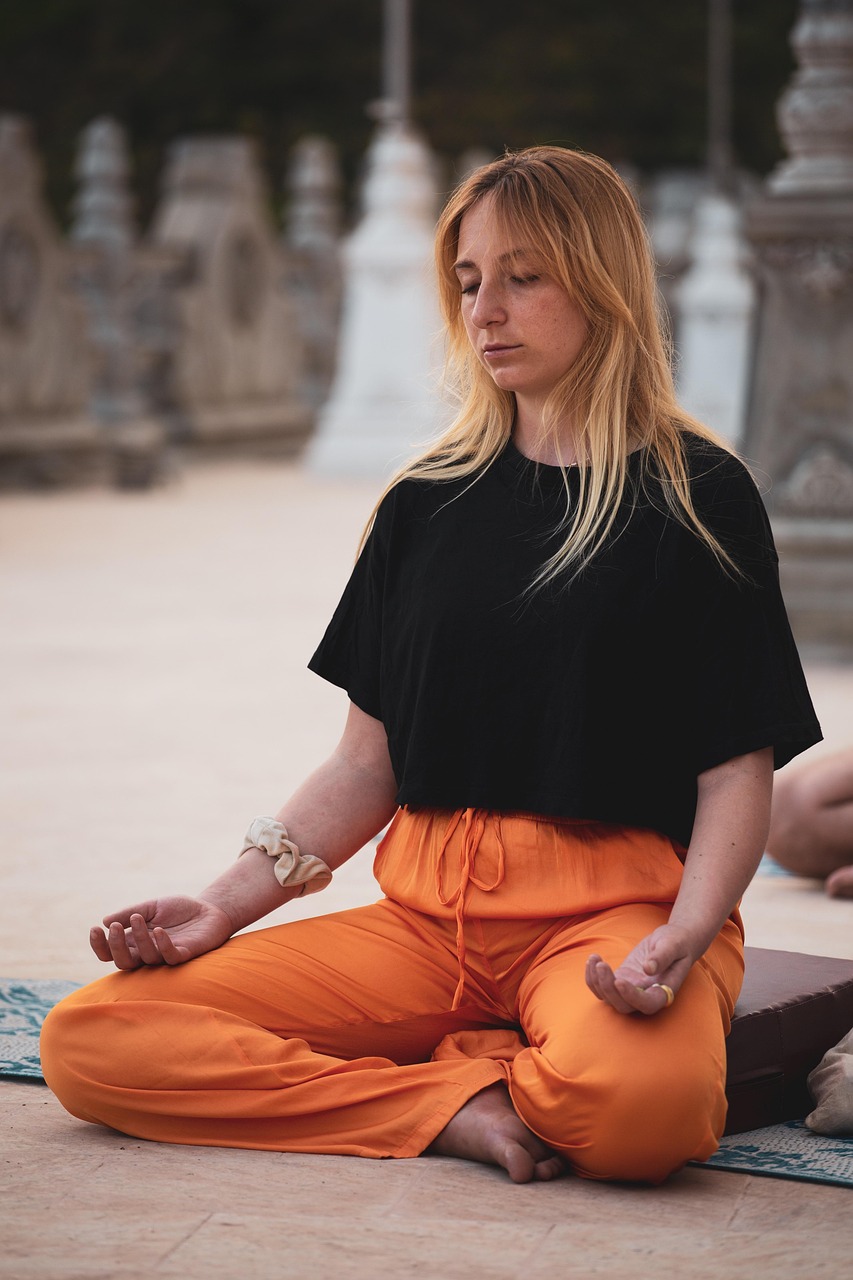
Ambient lighting refers to the overall illumination level in a space, creating a gentle, non‑intrusive glow that supports relaxation. In guided imagery sessions, soft, diffused light reduces visual strain and signals the nervous system that the environment is safe. Practically, a practitioner might use dimmable lamps, floor‑standing uplighters, or candles placed at a low height. A common challenge is balancing sufficient light for safety with a dimness that encourages the mind to turn inward. Over‑bright lighting can activate the sympathetic nervous system, while complete darkness may cause discomfort or anxiety for some clients.
Scent diffusion involves the strategic use of aromas to influence mood and physiological responses. Essential oils such as lavender, chamomile, or sandalwood are frequently employed because they have documented calming effects on the limbic system. When introducing scent, a practitioner should test for allergies and consider the intensity of the fragrance; a subtle, steady diffusion is preferred over a sudden, strong burst. An example of practical application is placing a few drops of lavender oil on a cotton pad placed near the client’s breathing zone, allowing the scent to mingle with the ambient air throughout the session.
Soundscape is the layered auditory environment that supports the guided imagery narrative. It may include low‑frequency background music, nature recordings (rain, ocean waves, forest ambience), or binaural beats designed to entrain brainwave patterns. The choice of soundscape must align with the script’s imagery; for instance, a beach scene benefits from gentle surf sounds, while a forest walk is enhanced by rustling leaves and distant bird calls. A frequent challenge is ensuring that the sound level is audible but not overwhelming; volume should be calibrated so that the client can hear the practitioner’s voice clearly over the background.
Temperature regulation contributes to the body’s perception of comfort. A slightly cooler room (around 68–70°F or 20–21°C) encourages the body’s thermoregulatory mechanisms to promote a mild, soothing shiver that can deepen relaxation. However, individual preferences vary; some clients may feel chilled, especially during longer sessions. Practitioners can mitigate this by providing a light blanket or adjusting the thermostat midway through the session based on client feedback.
Texture and tactile cues involve the physical surfaces that a client contacts during a session. Soft, natural fabrics such as cotton or linen for blankets, and smooth, rounded cushions for seating, create a sense of safety and grounding. Introducing a tactile element, like a smooth stone or a warm compress, can serve as an anchor point for the client’s attention, especially when the guided imagery includes a “holding a warm cup of tea” metaphor. The challenge lies in avoiding overly stimulating textures that might distract or irritate the client’s skin.
Color palette influences mood through visual perception. Cool hues such as soft blues, muted greens, and gentle lavenders are generally associated with calmness, while warm tones like amber or terracotta can evoke a sense of comfort without overstimulation. In practice, a practitioner may select wall colors, décor, or even projected images that complement the intended emotional tone of the session. A difficulty arises when a client’s personal color preferences conflict with the practitioner’s design choices; flexible adjustments, such as using removable fabric drapes, can accommodate individual needs.
Ergonomic positioning ensures that the client’s body is supported without strain. A reclining chair with adjustable lumbar support, or a yoga mat with pillows for head and knees, helps maintain a neutral spine and reduces muscular tension. Proper ergonomics also facilitate deep breathing, as an open chest cavity allows for full diaphragmatic expansion. An example of application is guiding the client to “sink into the cushion, feeling the support beneath every vertebra,” while the practitioner subtly checks for alignment. A common obstacle is limited space or equipment, which may require improvisation with everyday items such as rolled towels.
Mindful breathing cues are verbal prompts that synchronize the client’s breath with the imagined environment. Phrases like “inhale the cool mist of the mountain air, exhale any lingering tension” integrate the physical act of breathing with the mental imagery, reinforcing the relaxation response. The timing of these cues should match the natural rhythm of the client’s breath, typically around six to eight breaths per minute for a relaxed state. Challenges include clients who have habitually rapid or shallow breathing patterns; in such cases, the practitioner may need to model a slower pace before inviting the client to follow.
Grounding techniques are brief interventions that anchor the client’s awareness to the present moment, often through sensory focus. A simple grounding exercise might ask the client to notice three things they can see, two things they can hear, and one thing they can feel. When integrated into a guided imagery script, grounding helps prevent dissociation or mental drift. Practically, grounding can be used at the beginning of a session to establish safety, or midway to re‑center attention if the client appears distracted. The main difficulty is ensuring that grounding does not interrupt the flow of the narrative; timing and seamless transition are key.
Voice modulation encompasses pitch, pace, volume, and timbre. A soothing voice with a slightly lower pitch and a slow, measured pace promotes parasympathetic activation. The practitioner should aim for a gentle, rhythmic cadence, allowing pauses for the client to visualize and breathe. An example of effective voice modulation is beginning a session with a soft whisper that gradually rises to a calm, steady tone, then returning to a whisper during the concluding phase. Challenges include the practitioner’s natural speaking habits; training and rehearsal can improve consistency.
Background music selection is distinct from the broader soundscape; it focuses on melodic content that supports the emotional tone without dominating the auditory field. Instrumental pieces featuring strings, piano, or ambient synth pads are commonly used. The music should have a predictable structure, avoiding abrupt changes in tempo or dynamics that could startle the client. A practical tip is to select tracks with a tempo of 60–80 beats per minute, mirroring a relaxed heart rate. One challenge is licensing; practitioners must ensure they have the right to use the music in a professional setting.
Binaural beats are auditory tones presented at slightly different frequencies to each ear, creating a perceived beat frequency that can entrain brainwaves. For relaxation, frequencies in the delta (0.5–4 Hz) or theta (4–8 Hz) range are often employed. To use binaural beats effectively, the client must wear headphones, and the practitioner should explain the purpose to avoid surprise. An example application is a ten‑minute pre‑session track that gently introduces a 5 Hz theta beat, followed by the guided imagery script. Potential challenges include client discomfort with headphones or skepticism about the technique; transparent communication and optional use can mitigate resistance.
Nature imagery is a core component of guided relaxation, leveraging the innate human affinity for natural environments. Descriptions of forests, rivers, mountains, or open skies evoke a sense of expansiveness and safety. Vocabulary such as “soft moss beneath your feet,” “the gentle rustle of leaves,” or “the warm glow of sunrise” provides vivid sensory detail. When paired with appropriate soundscape elements (e.G., Bird calls for a forest scene), the imagery becomes immersive. A difficulty may arise if a client has a phobia of certain natural elements; the practitioner must be prepared to adapt the script quickly, perhaps shifting to a more abstract environment like “a serene, color‑filled space.”
Spatial layout refers to the arrangement of furniture, décor, and equipment within the session room. A clutter‑free layout reduces visual distractions and promotes a sense of openness. Positioning the client’s seat slightly angled away from doors or windows can minimize external interruptions. In practice, a practitioner might arrange a small table with a candle, a diffuser, and a soft blanket, creating a focal point that draws the client’s attention inward. Constraints such as limited square footage may require creative solutions, like using portable screens to partition the space temporarily.
Lighting temperature describes the color temperature of light sources, measured in Kelvin. Warm lighting (around 2700–3000 K) emits a soft amber hue that mimics sunset, fostering relaxation. Cool lighting (5000 K and above) resembles daylight and can be stimulating. For a calming atmosphere, practitioners typically select warm bulbs or LED fixtures with adjustable temperature settings. An example is using a dimmable lamp set to 2800 K during the opening phase, then shifting to a slightly cooler 3500 K as the session progresses to a more alert state. The challenge is ensuring the lighting temperature aligns with the client’s visual comfort; some individuals may find overly warm light too yellow or dull.
Acoustic treatment involves managing unwanted reverberations and echo in the session space. Soft furnishings, acoustic panels, or heavy curtains absorb sound, preventing the practitioner’s voice from sounding distant or distorted. In practice, a practitioner might hang a thick tapestry behind the seating area or place a rug on the floor to dampen floor reflections. One obstacle is the cost or availability of professional acoustic materials; inexpensive alternatives like bookcases filled with books can also serve a similar function.
Personalization is the process of tailoring the atmospheric elements to the unique preferences and needs of each client. This may involve asking the client beforehand about preferred scents, music genres, or temperature settings. For example, a practitioner could keep a short intake questionnaire that includes items such as “Do you enjoy the scent of citrus?” Or “Would you prefer a quiet room or a gentle background hum?” Personalization enhances the sense of safety and respect, leading to deeper relaxation. The primary challenge lies in balancing individual customization with the logistical constraints of a shared therapeutic space; a flexible system of interchangeable accessories (e.G., Multiple diffusers) can help.
Psychological safety cues are subtle environmental signals that convey non‑threat. These can include a closed door, a “Do Not Disturb” sign, or a softly lit candle placed at the entrance. Such cues reassure the client that the session will not be interrupted, allowing them to surrender to the imagery fully. In practice, a practitioner might briefly explain the room’s privacy measures at the start of the session, reinforcing the client’s confidence. A difficulty may be that the client’s cultural background influences how safety cues are interpreted; for instance, some cultures view candles as religious symbols, requiring alternative signals like a small plant.
Temporal pacing refers to the rhythm at which the session progresses, including the duration of each segment (introduction, deepening, imagery, closure). A well‑paced session allows the client to settle gradually, reach a peak of immersion, and then return gently. For example, a 45‑minute session might allocate 5 minutes for arrival and ambient adjustment, 10 minutes for breathing and grounding, 20 minutes for the core imagery, and 10 minutes for gentle reorientation. Practitioners must monitor the client’s physiological signs (e.G., Breathing depth, muscle relaxation) to adjust pacing in real time. A challenge is that some clients may require more time to reach a relaxed state, while others may become restless if the session feels too prolonged; flexibility is essential.
Environmental consistency ensures that the atmosphere remains stable throughout the session. Sudden changes—such as a door slamming, a light flickering, or a phone ringing—can break the client’s immersion and trigger anxiety. To maintain consistency, practitioners should turn off mobile devices, inform staff of the session schedule, and test all equipment beforehand. An example of maintaining consistency is using a silent door closer that prevents abrupt noises. The main obstacle is the unpredictable nature of external interruptions, especially in shared spaces; having a backup quiet room can mitigate this risk.
Temperature humidity balance extends the concept of temperature regulation by considering moisture in the air. A relative humidity of 40–60 % is generally comfortable and prevents the skin from feeling too dry or clammy. In practice, a practitioner might use a small humidifier during winter months to add moisture, or a dehumidifier in humid climates. The challenge is that excessive humidity can cause a feeling of heaviness, while too‑dry air may irritate the respiratory passages; regular monitoring with a hygrometer helps maintain optimal levels.
Visual focal points are deliberately placed objects that draw the eye and aid concentration. A gently moving object, such as a small water fountain or a slowly rotating mandala, can serve as a visual anchor during the beginning of a session. The client may be instructed to “softly gaze upon the flowing water, allowing its rhythm to guide your breath.” This technique helps transition the mind from external distractions to internal imagery. A possible challenge is that some clients may become overly fixated on the focal point, limiting their imaginative capacity; the practitioner should gently redirect attention back to the narrative when needed.
Ambient scent layering involves using multiple, complementary aromas to create a nuanced olfactory environment. For instance, a base note of sandalwood can be layered with a top note of citrus to produce a grounding yet uplifting scent profile. Practically, a practitioner can blend a few drops of each essential oil in a diffuser, ensuring the overall intensity remains low. The difficulty lies in avoiding scent overload, which can become overpowering and cause headaches; a test sniff before the session can verify balance.
Therapeutic color symbolism acknowledges that colors can carry cultural and emotional meanings. For example, green often symbolizes growth and renewal, while blue can represent tranquility. When selecting décor or visual aids, practitioners should consider the client’s cultural background and personal associations. An example of applying color symbolism is using a soft teal backdrop for a sea‑related imagery session, reinforcing the sense of calm water. A challenge is that individual color preferences may differ from general symbolism, requiring open dialogue to confirm suitability.
Dynamic lighting control allows the practitioner to modify light intensity and color temperature during the session to mirror the narrative’s progression. For a sunrise visualization, the lights can gradually increase in brightness and shift from deep blue to warm amber, mimicking the natural transition. This dynamic approach deepens immersion. The practical requirement is a lighting system with programmable dimmers or smart bulbs. A potential obstacle is technical complexity; practitioners should familiarize themselves with the equipment beforehand or have a simple manual dimmer as a fallback.
Silence intervals are purposeful pauses in auditory input that give the client space to internalize the imagery. Short periods of silence, lasting a few seconds, can heighten the impact of subsequent descriptive language. For instance, after describing a gentle breeze, the practitioner may pause, allowing the client to “feel” the sensation before moving on. The challenge is that some clients may interpret silence as a lack of guidance; therefore, the practitioner should frame the pause as an intentional part of the journey.
Physical grounding objects such as smooth stones, wooden blocks, or weighted blankets can serve as tactile anchors. The client may be instructed to hold the stone while imagining a mountain’s stability, reinforcing the metaphor through touch. Practically, these objects should be clean, hypoallergenic, and sized appropriately for the client’s hands. A difficulty is that certain textures may trigger sensory sensitivities in clients with conditions such as autism; alternative objects (e.G., Soft fabric squares) should be available.
Temperature transition cues involve subtle shifts in warmth or coolness that align with the imagery. When guiding a client through a “sunlit meadow” visualization, a slight increase in ambient temperature can simulate the sun’s warmth, enhancing realism. This can be achieved by adjusting the thermostat a few degrees or using a discreet heating pad. The practitioner must monitor the client’s comfort level closely to avoid overheating. A common challenge is the time lag in thermostat response; portable heaters or cool packs can provide quicker adjustments.
Environmental decluttering is the process of removing unnecessary items from the session space to reduce visual noise. A clean, spacious environment supports mental clarity and reduces the likelihood of distractions. Practically, this means keeping tables clear of paperwork, storing extra chairs, and limiting decorative items to a few purposeful pieces. The obstacle may be institutional policies that require certain equipment to remain visible; in such cases, arranging these items out of the client’s direct line of sight can preserve the decluttered aesthetic.
Auditory masking refers to the use of consistent, low‑level sound to hide sudden external noises. White noise machines or gentle fan sounds can mask unpredictable sounds such as hallway footsteps. In practice, a practitioner can set a low‑volume fan to run continuously, creating a steady acoustic backdrop. The challenge is ensuring the masking sound does not become a new source of distraction; selecting a soothing, non‑intrusive tone is essential.
Visual softness involves using diffused light sources, matte surfaces, and gentle gradients to avoid harsh contrasts. For example, a paper lantern with a frosted shade provides a soft glow that reduces glare. This softness helps the eyes relax and prevents the visual system from becoming overstimulated. A practical tip is to avoid glossy finishes on walls or tables within the client’s view. A difficulty may arise when the client prefers a more vibrant visual style; a compromise can be achieved by adding accent pieces that provide color without sharp edges.
Pre‑session environmental checklist is a systematic tool that the practitioner uses to verify all atmospheric elements before the client arrives. Items on the checklist may include: Lighting level set to the desired dimness, diffuser filled with the chosen oil, sound system loaded with the selected track, temperature set within the target range, and all devices silenced. By following a checklist, the practitioner minimizes the risk of forgetting a crucial element that could disrupt the session. The challenge is maintaining the checklist’s relevance as new tools or techniques are introduced; periodic review and update of the list are recommended.
Client‑centered sensory scaling involves adjusting the intensity of each sensory component based on the client’s feedback. If a client reports that the scent is too strong, the practitioner can reduce the diffuser output or replace the oil with a milder variant. Similarly, if the music feels too loud, the volume can be lowered. This scaling ensures that the atmosphere remains supportive rather than overwhelming. An example of implementation is a brief “sensory comfort check” after the first five minutes, allowing the client to voice any adjustments needed. A challenge is that some clients may not articulate discomfort readily; practitioners must observe non‑verbal cues such as facial tension or changes in breathing.
Multi‑modal integration is the deliberate coordination of visual, auditory, olfactory, tactile, and proprioceptive cues to create a cohesive experience. When each modality reinforces the others, the guided imagery becomes more vivid and the relaxation response is amplified. For instance, a “cozy cabin” scene might combine warm lighting (visual), a crackling fire sound (auditory), the scent of pine (olfactory), a soft blanket (tactile), and a gentle rocking chair motion (proprioceptive). The practitioner must ensure that the modalities do not compete; synchronization is key. Challenges include managing limited resources and preventing sensory overload, especially for clients with heightened sensitivity.
Proprioceptive grounding utilizes the body’s sense of position and movement to anchor attention. Gentle swaying, slow stretching, or a light hand‑held weight can provide subtle movement that keeps the client physically connected while their mind travels through imagery. Practically, a practitioner might invite the client to “feel the gentle rise and fall of your chest as you breathe,” encouraging awareness of internal bodily sensations. A difficulty is that excessive movement can distract from the mental visualization; the practitioner should keep motion minimal and rhythmic.
Environmental narrative alignment ensures that the physical setting mirrors the story being told. If the guided imagery explores a “mountain retreat,” the room may feature earth tones, a low‑lying rug resembling a meadow, and a backdrop image of distant peaks. This alignment reinforces the client’s immersion. The practical step is to plan the décor and sensory elements in advance, matching them to the script’s themes. A challenge is that the practitioner may need to switch between multiple narratives across different sessions; modular design elements (e.G., Interchangeable wall panels) can facilitate quick changes.
Psychophysiological monitoring involves observing the client’s physiological indicators—such as heart rate, breathing depth, and muscle tension—to gauge the effectiveness of the atmospheric setup. Simple tools like a pulse oximeter or a respiration belt can provide real‑time data. In practice, a practitioner may note a gradual slowing of heart rate as a sign that the environment is promoting relaxation. If indicators show heightened arousal, the practitioner can adjust the lighting, temperature, or sound accordingly. The primary obstacle is that not all settings allow for equipment use; in such cases, the practitioner relies on observational skills and client self‑report.
Adaptive lighting scenes are pre‑programmed lighting configurations that transition automatically during the session. For example, a “sunrise” scene could start with a deep blue hue, gradually shifting to pink and finally to warm gold, mirroring the natural progression. This automation frees the practitioner to focus on the verbal narrative while still providing dynamic visual support. Implementing adaptive scenes requires compatible smart lighting hardware and a control interface. A challenge is ensuring the transitions are smooth and not abrupt; testing the scenes before client use is essential.
Ambient temperature cues can be enhanced with subtle airflow devices that simulate natural breezes. A low‑speed fan positioned out of sight can create a gentle movement of air, reinforcing a “mountain summit” or “seaside” visualization. The airflow should be barely perceptible, avoiding the sensation of a draft. Practically, the practitioner can angle the fan upward and set it to the lowest setting. A difficulty may be that some clients are sensitive to airflow, perceiving it as a cold draft; in such cases, the fan should be turned off, and alternative cues (e.G., Visual movement of clouds) employed.
Sensory hierarchy is the ordering of sensory inputs based on their relative impact on relaxation. Typically, tactile and auditory cues are most immediate, followed by olfactory, visual, and finally temperature. Understanding this hierarchy helps the practitioner prioritize adjustments when multiple elements need fine‑tuning. For instance, if a client reports discomfort, the practitioner first checks the tactile aspects (blanket, seat) before altering lighting. A challenge is that individual differences can invert the hierarchy; a client with a strong aversion to scent may need olfactory adjustments before any other changes.
Environmental feedback loop describes the continuous exchange between the practitioner’s modifications and the client’s responses. By actively listening to the client’s verbal and non‑verbal feedback, the practitioner can refine the atmosphere in real time, creating a responsive environment that evolves with the session. An example is noticing that the client’s shoulders relax after a slight increase in room temperature, prompting the practitioner to maintain that setting for the remainder of the session. The obstacle is maintaining awareness of subtle cues while delivering the guided script; practice and mindfulness training for the practitioner can improve this skill.
Safety protocol for aromatherapy outlines the steps to prevent adverse reactions when using essential oils. These steps include verifying client allergies, diluting oils appropriately (typically 1–2 % concentration for diffusion), and limiting exposure time to 30–45 minutes per session. In practice, the practitioner records the oil used, concentration, and duration in the client’s file. A challenge is that some clients may be unaware of hidden sensitivities; a patch test or brief olfactory preview can help identify issues before the full session.
Acoustic layering involves placing multiple sound elements at different volumes to create depth. A low‑frequency ambient hum can sit beneath a higher‑frequency nature recording, which in turn sits beneath the practitioner’s voice. This layering ensures that the voice remains clear while the background sounds enrich the experience. Practically, the practitioner uses an audio mixer or software to set each track’s gain appropriately. A difficulty is that improper layering can cause masking, where the background sounds obscure the spoken guidance; careful balance and testing are required.
Visual cue timing refers to the synchronization of visual changes with the narrative. When describing a “slowly blooming flower,” a practitioner might dim the lights slightly and then increase brightness as the flower opens, matching the visual cue to the verbal description. This timing enhances the client’s sense of presence. Implementing visual cue timing may involve manual dimmer adjustments or pre‑programmed lighting cues. The main challenge is ensuring that the timing feels natural rather than mechanical; rehearsal and flexible control help achieve fluid transitions.
Environmental neutrality is the baseline state of the space when no specific sensory elements are active. A neutral environment is free from strong colors, scents, or sounds, providing a blank canvas for each session’s unique atmosphere. Maintaining neutrality between sessions involves resetting lighting, turning off diffusers, and storing any decorative items. This practice prevents residual cues from influencing subsequent clients. A challenge is that shared spaces may retain lingering scents or sounds; thorough ventilation and cleaning protocols are essential to achieve true neutrality.
Micro‑climate control addresses localized temperature variations within the room, such as a warmer area near a heater and a cooler spot near a window. Practitioners can use portable heaters, floor mats, or strategically placed blankets to create a uniform micro‑climate for the client. An example is placing a small, silent ceramic heater behind the client’s back to gently warm the torso without affecting the overall room temperature. The difficulty lies in balancing comfort for the client with energy efficiency and safety considerations.
Interactive scent delivery allows the client to control the intensity of a fragrance during the session. A simple method is a handheld diffuser with adjustable settings that the client can increase or decrease as desired. This interactivity empowers the client and can enhance the sense of agency. Practically, the practitioner introduces the device at the start, explaining its use. A potential obstacle is that the client may become distracted by adjusting the device; clear instructions and minimal adjustments are recommended.
Ambient vibration adds a subtle tactile dimension through low‑frequency vibrations, often produced by a small speaker or a massage cushion. Gentle vibration can simulate the sensation of distant thunder or a humming engine, deepening immersion. In practice, a practitioner might activate a low‑frequency hum during a “deep forest” visualization, matching the sound of distant wildlife. The challenge is ensuring the vibration is subtle enough not to cause discomfort; testing with a colleague before client use can gauge appropriateness.
Thermal imagery alignment matches the client’s perceived temperature with the visual story. When guiding a client through a “snowy mountain” scene, a slight cool breeze from a fan can reinforce the cold environment, while a warm blanket placed nearby can symbolize a cozy cabin after the trek. This alignment helps the client’s body and mind co‑create the imagined setting. The practitioner must monitor the client’s reaction to avoid inducing chills or overheating; offering the client the option to adjust or remove temperature cues respects individual tolerance.
Environmental de‑briefing is a post‑session conversation that explores the client’s experience of the atmosphere. Questions may include: “Did the lighting feel comfortable?” “Were any scents distracting?” “How did the temperature affect your relaxation?” This feedback informs future adjustments and demonstrates the practitioner’s commitment to optimal environmental design. A challenge is encouraging honest feedback without making the client feel critical; framing the de‑brief as a collaborative improvement process helps.
Portable relaxation kit consists of compact items that can be transported to different locations, ensuring consistency across varied settings. Items may include a travel‑size diffuser, a soft eye mask, a small blanket, and a USB‑powered speaker. Practitioners who travel to client homes or community centers can maintain their atmospheric standards by using the kit. The main difficulty is ensuring that all components are charged and functional before each session; a checklist before travel mitigates the risk of missing items.
Environmental mindfulness practice invites the client to become aware of the surroundings as part of the relaxation process. The practitioner might guide the client to notice the subtle scent of the room, the gentle hum of the fan, and the soft glow of the lamp, integrating these observations into the imagery. This practice strengthens the mind‑body connection and can be especially beneficial for clients who initially struggle with visualization. A potential obstacle is that increased awareness of the environment may distract some clients; the practitioner should gauge the client’s receptivity and adapt accordingly.
Sound frequency selection involves choosing specific audio frequencies that align with desired brainwave states. For deep relaxation, frequencies in the delta range (0.5–4 Hz) are often used, while theta frequencies (4–8 Hz) support meditative imagery. The practitioner selects tracks or generates tones that incorporate these frequencies, ensuring they are blended with natural sounds for a pleasant listening experience. A challenge is that some clients may find pure binaural beats uncomfortable; integrating them subtly beneath ambient music can reduce the risk of aversion.
Lighting dimmer calibration ensures that the dimming mechanism operates smoothly and reaches the intended low levels without flickering. Calibration involves testing the dimmer at various percentages and noting the corresponding lux values. Practically, the practitioner records the dimmer setting that provides the optimal relaxation level for most clients, using it as a reference point. A difficulty is that older dimmer switches may produce noticeable clicks or inconsistent light output; upgrading to modern, smooth‑transition dimmers resolves this issue.
Environmental ergonomics audit is a systematic review of the physical layout, furniture, and accessories to identify any factors that could cause discomfort or strain. The audit covers seat height, cushion firmness, armrest positioning, and distance to visual focal points. Conducting an audit before launching a new relaxation space helps prevent ergonomic issues that could impede the client’s ability to relax fully. Challenges include limited budget for ergonomic upgrades; prioritizing the most impactful changes—such as adding supportive pillows—can still yield significant benefits.
Client sensory preference profile is a documented record of each client’s favored sensory inputs and aversions. The profile may note preferred lighting color temperature, scent tolerance, music genre, and tactile comfort levels. During intake, the practitioner gathers this information through a brief questionnaire or interview. Having a profile allows for rapid customization of the atmosphere for repeat sessions. The obstacle is maintaining up‑to‑date records as preferences can evolve; periodic review of the profile ensures relevance.
Ambient scent rotation prevents olfactory fatigue by varying the fragrances used across sessions. Rotating between lavender, eucalyptus, and mild citrus scents keeps the olfactory experience fresh and prevents habituation, which can diminish the calming effect. In practice, the practitioner schedules a rotation calendar, ensuring that no single scent is used more than two consecutive sessions. A challenge is managing inventory and ensuring that each scent is stored properly to maintain potency.
Environmental resilience planning prepares the practitioner for unexpected disruptions such as power outages, equipment failure, or sudden noise intrusion. A resilience plan includes backup lighting (battery‑operated lamps), offline music sources (pre‑loaded MP3 players), and portable scent carriers. During a session, the practitioner can quickly switch to backup tools with minimal interruption, preserving the client’s relaxation state. The difficulty lies in training the practitioner to execute the plan smoothly; regular drills and familiarization with backup equipment are essential.
Multi‑sensory cue hierarchy extends the concept of sensory hierarchy by mapping the order in which cues should be introduced during a session. Typically, the practitioner begins with auditory cues (voice and background music), adds visual cues (soft lighting), then introduces olfactory cues (scent), followed by tactile cues (blanket), and finally temperature cues (warmth or coolness). This staged approach allows the client’s nervous system to settle before additional stimuli are added, reducing the risk of overload. A challenge is that some clients may prefer a different order based on personal comfort; flexibility to rearrange the hierarchy is advised.
Environmental de‑contamination protocol ensures that the space remains hygienic, particularly when using shared tactile objects such as blankets or stones. The protocol includes cleaning surfaces with mild disinfectants, washing fabric items after each client, and storing reusable items in sealed containers. Practically, the practitioner schedules cleaning time between sessions and maintains a log of sanitization activities. The main obstacle is time constraints; efficient cleaning methods, such as using disposable covers, can streamline the process.
Ambient visual field management controls the amount of visual information presented to the client. By limiting the field of view to a single focal point, the practitioner reduces visual distractions and supports concentration on the guided imagery. This can be achieved with a simple screen or a folding panel that blocks peripheral vision. The challenge is ensuring the client does not feel confined; the practitioner should explain the purpose of the visual limitation and offer the option to remove the barrier if discomfort arises.
Temporal sound fading involves gradually decreasing the volume of background sounds as the session approaches its conclusion, allowing the client to transition smoothly back to ordinary awareness. For example, the practitioner can lower the music volume by 10 % every two minutes during the final phase. This fading helps prevent a sudden auditory “jolt” that could startle the client. A difficulty is timing the fade accurately; using an automated audio mixer with a fade‑out function simplifies execution.
Environmental cue redundancy ensures that each key element of the atmosphere is supported by multiple sensory modalities, reinforcing the intended effect. For instance, the concept of “warmth” can be conveyed through gentle lighting, a subtle increase in room temperature, and a soft blanket. Redundancy creates a robust experience that remains effective even if one cue is less perceptible to a particular client. The practical consideration is to avoid excessive redundancy that could become overwhelming; balancing the number of cues is crucial.
Client‑led atmospheric adjustments empower the client to request changes to the environment in real time, fostering a collaborative atmosphere. The practitioner may say, “If at any point you feel the scent is too strong, simply let me know.” This open invitation encourages the client to communicate discomfort promptly, enabling swift modifications. A possible challenge is that some clients may be hesitant to speak up; the practitioner should reassure them that adjustments are a normal part of the process.
Environmental cue sequencing is the deliberate ordering of sensory inputs to build a narrative arc. The practitioner might start with a subtle sound of distant waves, introduce a faint scent of sea salt, dim the lights to a twilight hue, and finally add a gentle warm breeze to simulate a beach sunset. Sequencing guides the client’s attention gradually, enhancing immersion. The difficulty lies in planning the sequence to avoid conflicting cues; a written storyboard of the session can assist in visualizing the flow.
Ambient humidity modulation uses humidifiers or dehumidifiers to fine‑tune the moisture level in the air, complementing temperature adjustments. For a “desert oasis” visualization, a lower humidity may be appropriate, while a “rainforest” scenario benefits from higher humidity. Practically, the practitioner sets the desired humidity level before the session and monitors it with a hygrometer. A challenge is that rapid humidity changes can affect comfort; gradual adjustments over several minutes are preferable.
Environmental safety signage provides discreet reminders of safety protocols, such as “No phones allowed” or “Fire exit located here.” These signs reassure the client that the space complies with safety standards without breaking immersion. The signs can be placed in low‑visibility locations, such as the back of a door, to avoid visual clutter. A challenge is ensuring that signage does not become a source of anxiety; using calming language and design helps maintain the soothing atmosphere.
Ambient scent intensity scaling involves adjusting the concentration of the fragrance to match the client’s sensitivity. Practitioners can use a diffuser with adjustable output levels, starting at the lowest setting and increasing only if the client expresses a desire for a stronger scent. This scaling respects individual differences and prevents overstimulation. An example is offering a “light scent” option during the intake questionnaire and providing a “medium” or “strong” alternative if requested. The obstacle is that some diffusers may have limited granularity in output; selecting devices with fine‑tune controls resolves this issue.
Environmental cue de‑brief template provides a structured format for recording observations about each sensory element after a session. Sections may include lighting level, scent used, sound volume, temperature, tactile items, client feedback, and any adjustments made. Using the template ensures consistent documentation and facilitates analysis of which atmospheric configurations yield the best outcomes. The challenge is that practitioners may find the template time‑consuming; integrating it into an electronic health record system can streamline the process.
Key takeaways
- Ambient lighting refers to the overall illumination level in a space, creating a gentle, non‑intrusive glow that supports relaxation.
- An example of practical application is placing a few drops of lavender oil on a cotton pad placed near the client’s breathing zone, allowing the scent to mingle with the ambient air throughout the session.
- The choice of soundscape must align with the script’s imagery; for instance, a beach scene benefits from gentle surf sounds, while a forest walk is enhanced by rustling leaves and distant bird calls.
- A slightly cooler room (around 68–70°F or 20–21°C) encourages the body’s thermoregulatory mechanisms to promote a mild, soothing shiver that can deepen relaxation.
- Introducing a tactile element, like a smooth stone or a warm compress, can serve as an anchor point for the client’s attention, especially when the guided imagery includes a “holding a warm cup of tea” metaphor.
- A difficulty arises when a client’s personal color preferences conflict with the practitioner’s design choices; flexible adjustments, such as using removable fabric drapes, can accommodate individual needs.
- An example of application is guiding the client to “sink into the cushion, feeling the support beneath every vertebra,” while the practitioner subtly checks for alignment.