
Safety measures in electronics cleaning
Safety measures in electronics cleaning are crucial to prevent damage to the devices and ensure the well-being of the personnel involved in the process. One of the key terms in this context is electrostatic discharge, which refers to the su…
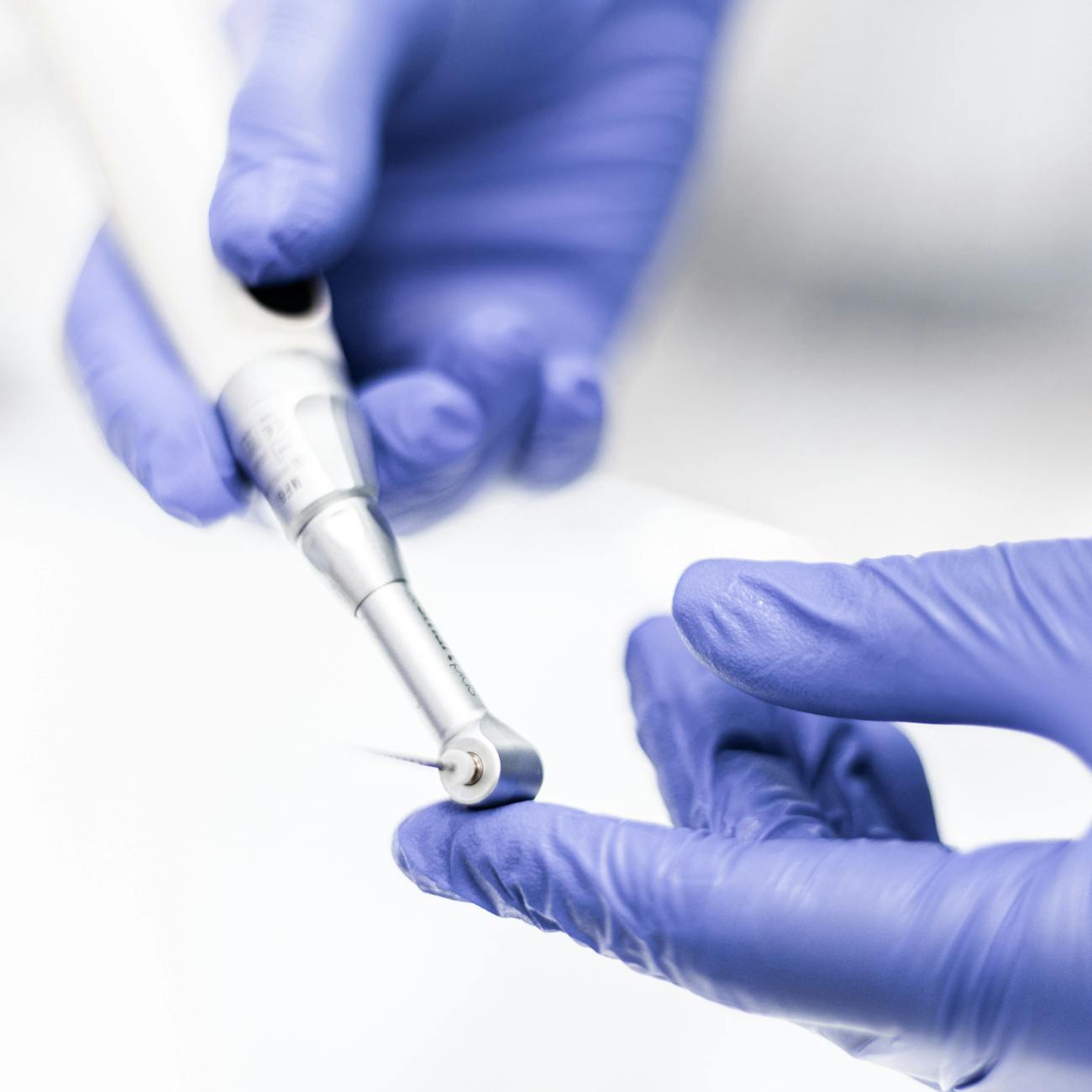
Safety measures in electronics cleaning are crucial to prevent damage to the devices and ensure the well-being of the personnel involved in the process. One of the key terms in this context is electrostatic discharge, which refers to the sudden flow of electric current between two objects at different electrical potentials. This can be particularly problematic when cleaning sensitive electronic components, as it can cause irreversible damage. To mitigate this risk, anti-static wrist straps and mats are often used to ground the personnel and the work surface, thereby preventing the buildup of static electricity.
Another important concept in electronics cleaning is the use of solvents to remove contaminants and debris from the devices. However, not all solvents are created equal, and some can be hazardous to human health and the environment. For example, chlorofluorocarbons (CFCs) were once commonly used as solvents in electronics cleaning, but they have since been phased out due to their contribution to ozone depletion. Nowadays, more environmentally friendly solvents such as hydrocarbons and alcohols are preferred.
The choice of cleaning method also depends on the type of contaminant present on the device. For example, if the device is contaminated with ionic substances such as salt or acid, a polar solvent such as water or a water-based solution may be effective in removing the contaminant. On the other hand, if the device is contaminated with non-polar substances such as oil or grease, a non-polar solvent such as a hydrocarbon may be more effective.
In addition to the type of contaminant, the material composition of the device is also an important consideration in electronics cleaning. For example, some devices may have coated surfaces that are sensitive to certain types of solvents or cleaning methods. In such cases, a mild cleaning method such as wiping with a soft cloth or brushing with a soft-bristled brush may be necessary to avoid damaging the coating.
The temperature and humidity levels during the cleaning process are also critical factors to consider. For example, some devices may be sensitive to high temperatures, and cleaning them with a hot solvent or using a heat gun to dry them could cause damage. Similarly, high humidity levels can cause corrosion or other forms of damage to the device, especially if it is not properly dried after cleaning.
The use of ultrasonic cleaning is another important concept in electronics cleaning. This method uses high-frequency sound waves to create a cavitation effect in a solvent, which helps to dislodge and remove contaminants from the device. However, ultrasonic cleaning can be problematic if not used properly, as it can cause damage to the device or create residual contaminants that are difficult to remove.
In addition to the cleaning method itself, the cleaning equipment and tools used are also important considerations. For example, brass or steel brushes can be used to clean devices with metal surfaces, but they can scratch or damage devices with coated or plastic surfaces. Similarly, vacuum cleaners can be used to remove loose debris from devices, but they can also generate static electricity or create vibrations that can damage the device.
The personnel involved in the cleaning process are also critical to the success of the operation. They must be properly trained in the use of cleaning equipment and methods, and they must follow strict protocols to ensure that the devices are cleaned safely and effectively. This includes wearing personal protective equipment such as gloves and safety glasses, and following procedures for handling and storing cleaning chemicals and equipment.
The environment in which the cleaning takes place is also an important consideration. For example, the cleaning area should be well-ventilated to prevent the buildup of fumes or vapors from cleaning chemicals. The area should also be climate-controlled to prevent extremes of temperature or humidity that could damage the devices or compromise the cleaning process.
In terms of standards and regulations, there are several guidelines and protocols that must be followed in electronics cleaning. For example, the IPC (Institute for Printed Circuits) provides guidelines for the cleaning of printed circuit boards, while the IEEE (Institute of Electrical and Electronics Engineers) provides standards for the cleaning of electronic devices. Additionally, OSHA (Occupational Safety and Health Administration) regulations must be followed to ensure the safety of personnel involved in the cleaning process.
The inspection and testing of devices after cleaning is also an important aspect of the process. This includes visual inspection to ensure that the device is free from contaminants and damage, as well as functional testing to ensure that the device is operating properly. In some cases, specialized equipment such as microscopes or spectroscopes may be needed to inspect the device and ensure that it meets specifications.
The storage and handling of cleaned devices is also critical to prevent re-contamination or damage. This includes storing the devices in sealed containers or bags to prevent exposure to dust or other contaminants, and handling them with care to prevent physical damage. In some cases, desiccants or humidistats may be used to control the humidity levels and prevent corrosion or other forms of damage.
In addition to the technical aspects of electronics cleaning, there are also business and economic considerations that must be taken into account. For example, the cost of cleaning equipment and chemicals can be significant, and the time and labor required for the cleaning process can also be a major factor. Additionally, the quality of the cleaning process can have a significant impact on the reliability and performance of the devices, which can in turn affect the bottom line of the business.
The challenge of electronics cleaning is to balance the need for effective cleaning with the need to prevent damage to the devices. This requires a deep understanding of the technical aspects of the cleaning process, as well as the business and economic considerations that drive the industry. By following best practices and guidelines, and by staying up-to-date with the latest technologies and methods, it is possible to achieve high-quality cleaning results while minimizing the risk of damage or re-contamination.
The use of automated cleaning systems is another trend in electronics cleaning. These systems use robots or machines to perform the cleaning process, which can help to improve efficiency and consistency. However, automated systems can also be expensive to purchase and maintain, and they may require specialized training to operate.
In terms of future trends, there are several emerging technologies that are likely to have a significant impact on the electronics cleaning industry. For example, the use of nano cleaning technologies, which use nanoparticles to clean devices at the molecular level, is becoming increasingly popular. Additionally, the use of laser cleaning technologies, which use high-intensity laser beams to remove contaminants from devices, is also on the rise.
The importance of electronics cleaning cannot be overstated. In many industries, such as aerospace and medical devices, the reliability and performance of electronic devices are critical to public safety and health. In these cases, the failure of an electronic device due to contamination or damage can have serious consequences. Therefore, it is essential to follow best practices and guidelines for electronics cleaning to ensure that devices are properly cleaned and maintained.
In conclusion, electronics cleaning is a complex and multifaceted process that requires a deep understanding of the technical, business, and economic considerations that drive the industry. By following best practices and guidelines, and by staying up-to-date with the latest technologies and methods, it is possible to achieve high-quality cleaning results while minimizing the risk of damage or re-contamination. The use of automated cleaning systems, nano cleaning technologies, and laser cleaning technologies are just a few examples of the emerging trends that are likely to shape the future of the electronics cleaning industry.
The key to successful electronics cleaning is to understand the importance of cleaning and the risks associated with contamination and damage. By taking a proactive approach to cleaning and maintenance, it is possible to prevent problems and ensure the reliability and performance of electronic devices. This includes following best practices and guidelines for cleaning, using high-quality cleaning equipment and chemicals, and staying up-to-date with the latest technologies and methods.
The challenge of electronics cleaning is to balance the need for effective cleaning with the need to prevent damage to the devices. This requires a deep understanding of the technical aspects of the cleaning process, as well as the business and economic considerations that drive the industry. By following best practices and guidelines, and by staying up-to-date with the latest technologies and methods, it is possible to achieve high-quality cleaning results while minimizing the risk of damage or re-contamination.
The importance of electronics cleaning cannot be overstated. In many industries, such as aerospace and medical devices, the reliability and performance of electronic devices are critical to public safety and health. In these cases, the failure of an electronic device due to contamination or damage can have serious consequences. Therefore, it is essential to follow best practices and guidelines for electronics cleaning to ensure that devices are properly cleaned and maintained.
In many cases, the cleaning of electronic devices is a complex process that requires specialized equipment and training. This includes the use of ultrasonic cleaners, vacuum cleaners, and other specialized cleaning equipment. Additionally, the use of chemicals and solutions is often required to effectively clean electronic devices. However, the use of chemicals and solutions can also be hazardous to human health and the environment, so it is essential to follow best practices and guidelines for their use.
The future of electronics cleaning is likely to be shaped by emerging technologies and trends. For example, the use of nano cleaning technologies and laser cleaning technologies is becoming increasingly popular. Additionally, the use of automated cleaning systems and robots is likely to become more prevalent in the future. By staying up-to-date with the latest technologies and methods, it is possible to achieve high-quality cleaning results while minimizing the risk of damage or re-contamination.
The importance of electronics cleaning cannot be overstated. In many industries, such as aerospace and medical devices, the reliability and performance of electronic devices are critical to public safety and health. In these cases, the failure of an electronic device due to contamination or damage can have serious consequences. Therefore, it is essential to follow best practices and guidelines for electronics cleaning to ensure that devices are properly cleaned and maintained.
In addition to the technical aspects of electronics cleaning, there are also business and economic considerations that must be taken into account. For example, the cost of cleaning equipment and chemicals can be significant, and the time and labor required for the cleaning process can also be a major factor. Additionally, the quality of the cleaning process can have a significant impact on the reliability and performance of the devices, which can in turn affect the bottom line of the business.
The challenge of electronics cleaning is to balance the need for effective cleaning with the need to prevent damage to the devices. This requires a deep understanding of the technical aspects of the cleaning process, as well as the business and economic considerations that drive the industry. By following best practices and guidelines, and by staying up-to-date with the latest technologies and methods, it is possible to achieve high-quality cleaning results while minimizing the risk of damage or re-contamination.
The key to successful electronics cleaning is to understand the importance of cleaning and the risks associated with contamination and damage. By taking a proactive approach to cleaning and maintenance, it is possible to prevent problems and ensure the reliability and performance of electronic devices. This includes following best practices and guidelines for cleaning, using high-quality cleaning equipment and chemicals, and staying up-to-date with the latest technologies and methods.
The importance of electronics cleaning cannot be overstated. In many industries, such as aerospace and medical devices, the reliability and performance of electronic devices are critical to public safety and health. In these cases, the failure of an electronic device due to contamination or damage can have serious consequences. Therefore, it is essential to follow best practices and guidelines for electronics cleaning to ensure that devices are properly cleaned and maintained.
In many cases, the cleaning of electronic devices is a complex process that requires specialized equipment and training. This includes the use of ultrasonic cleaners, vacuum cleaners, and other specialized cleaning equipment. Additionally, the use of chemicals and solutions is often required to effectively clean electronic devices. However, the use of chemicals and solutions can also be hazardous to human health and the environment, so it is essential to follow best practices and guidelines for their use.
The future of electronics cleaning is likely to be shaped by emerging technologies and trends. For example, the use of nano cleaning technologies and laser cleaning technologies is becoming increasingly popular. Additionally, the use of automated cleaning systems and robots is likely to become more prevalent in the future. By staying up-to-date with the latest technologies and methods, it is possible to achieve high-quality cleaning results while minimizing the risk of damage or re-contamination.
The importance of electronics cleaning cannot be overstated. In many industries, such as aerospace and medical devices, the reliability and performance of electronic devices are critical to public safety and health. In these cases, the failure of an electronic device due to contamination or damage can have serious consequences. Therefore, it is essential to follow best practices and guidelines for electronics cleaning to ensure that devices are properly cleaned and maintained.
In addition to the technical aspects of electronics cleaning, there are also business and economic considerations that must be taken into account. For example, the cost of cleaning equipment and chemicals can be significant, and the time and labor required for the cleaning process can also be a major factor. Additionally, the quality of the cleaning process can have a significant impact on the reliability and performance of the devices, which can in turn affect the bottom line of the business.
The challenge of electronics cleaning is to balance the need for effective cleaning with the need to prevent damage to the devices. This requires a deep understanding of the technical aspects of the cleaning process, as well as the business and economic considerations that drive the industry. By following best practices and guidelines, and by staying up-to-date with the latest technologies and methods, it is possible to achieve high-quality cleaning results while minimizing the risk of damage or re-contamination.
The key to successful electronics cleaning is to understand the importance of cleaning and the risks associated with contamination and damage. By taking a proactive approach to cleaning and maintenance, it is possible to prevent problems and ensure the reliability and performance of electronic devices. This includes following best practices and guidelines for cleaning, using high-quality cleaning equipment and chemicals, and staying up-to-date with the latest technologies and methods.
The importance of electronics cleaning cannot be overstated. In many industries, such as aerospace and medical devices, the reliability and performance of electronic devices are critical to public safety and health. In these cases, the failure of an electronic device due to contamination or damage can have serious consequences. Therefore, it is essential to follow best practices and guidelines for electronics cleaning to ensure that devices are properly cleaned and maintained.
In many cases, the cleaning of electronic devices is a complex process that requires specialized equipment and training. This includes the use of ultrasonic cleaners, vacuum cleaners, and other specialized cleaning equipment. Additionally, the use of chemicals and solutions is often required to effectively clean electronic devices. However, the use of chemicals and solutions can also be hazardous to human health and the environment, so it is essential to follow best practices and guidelines for their use.
The future of electronics cleaning is likely to be shaped by emerging technologies and trends. For example, the use of nano cleaning technologies and laser cleaning technologies is becoming increasingly popular. Additionally, the use of automated cleaning systems and robots is likely to become more prevalent in the future. By staying up-to-date with the latest technologies and methods, it is possible to achieve high-quality cleaning results while minimizing the risk of damage or re-contamination.
The importance of electronics cleaning cannot be overstated. In many industries, such as aerospace and medical devices, the reliability and performance of electronic devices are critical to public safety and health. In these cases, the failure of an electronic device due to contamination or damage can have serious consequences. Therefore, it is essential to follow best practices and guidelines for electronics cleaning to ensure that devices are properly cleaned and maintained.
In addition to the technical aspects of electronics cleaning, there are also business and economic considerations that must be taken into account. For example, the cost of cleaning equipment and chemicals can be significant, and the time and labor required for the cleaning process can also be a major factor. Additionally, the quality of the cleaning process can have a significant impact on the reliability and performance of the devices, which can in turn affect the bottom line of the business.
The challenge of electronics cleaning is to balance the need for effective cleaning with the need to prevent damage to the devices. This requires a deep understanding of the technical aspects of the cleaning process, as well as the business and economic considerations that drive the industry. By following best practices and guidelines, and by staying up-to-date with the latest technologies and methods, it is possible to achieve high-quality cleaning results while minimizing the risk of damage or re-contamination.
The key to successful electronics cleaning is to understand the importance of cleaning and the risks associated with contamination and damage. By taking a proactive approach to cleaning and maintenance, it is possible to prevent problems and ensure the reliability and performance of electronic devices. This includes following best practices and guidelines for cleaning, using high-quality cleaning equipment and chemicals, and staying up-to-date with the latest technologies and methods.
The importance of electronics cleaning cannot be overstated. In many industries, such as aerospace and medical devices, the reliability and performance of electronic devices are critical to public safety and health. In these cases, the failure of an electronic device due to contamination or damage can have serious consequences. Therefore, it is essential to follow best practices and guidelines for electronics cleaning to ensure that devices are properly cleaned and maintained.
In many cases, the cleaning of electronic devices is a complex process that requires specialized equipment and training. This includes the use of ultrasonic cleaners, vacuum cleaners, and other specialized cleaning equipment. Additionally, the use of chemicals and solutions is often required to effectively clean electronic devices. However, the use of chemicals and solutions can also be hazardous to human health and the environment, so it is essential to follow best practices and guidelines for their use.
The future of electronics cleaning is likely to be shaped by emerging technologies and trends. For example, the use of nano cleaning technologies and laser cleaning technologies is becoming increasingly popular. Additionally, the use of automated cleaning systems and robots is likely to become more prevalent in the future. By staying up-to-date with the latest technologies and methods, it is possible to achieve high-quality cleaning results while minimizing the risk of damage or re-contamination.
Key takeaways
- One of the key terms in this context is electrostatic discharge, which refers to the sudden flow of electric current between two objects at different electrical potentials.
- For example, chlorofluorocarbons (CFCs) were once commonly used as solvents in electronics cleaning, but they have since been phased out due to their contribution to ozone depletion.
- For example, if the device is contaminated with ionic substances such as salt or acid, a polar solvent such as water or a water-based solution may be effective in removing the contaminant.
- In such cases, a mild cleaning method such as wiping with a soft cloth or brushing with a soft-bristled brush may be necessary to avoid damaging the coating.
- For example, some devices may be sensitive to high temperatures, and cleaning them with a hot solvent or using a heat gun to dry them could cause damage.
- However, ultrasonic cleaning can be problematic if not used properly, as it can cause damage to the device or create residual contaminants that are difficult to remove.
- For example, brass or steel brushes can be used to clean devices with metal surfaces, but they can scratch or damage devices with coated or plastic surfaces.