
Intersectionality and Social Justice
Intersectionality is a theoretical framework that examines how multiple social categories such as race, gender, class, sexuality, ability, and age intersect to produce unique experiences of oppression and privilege. The term was coined by l…
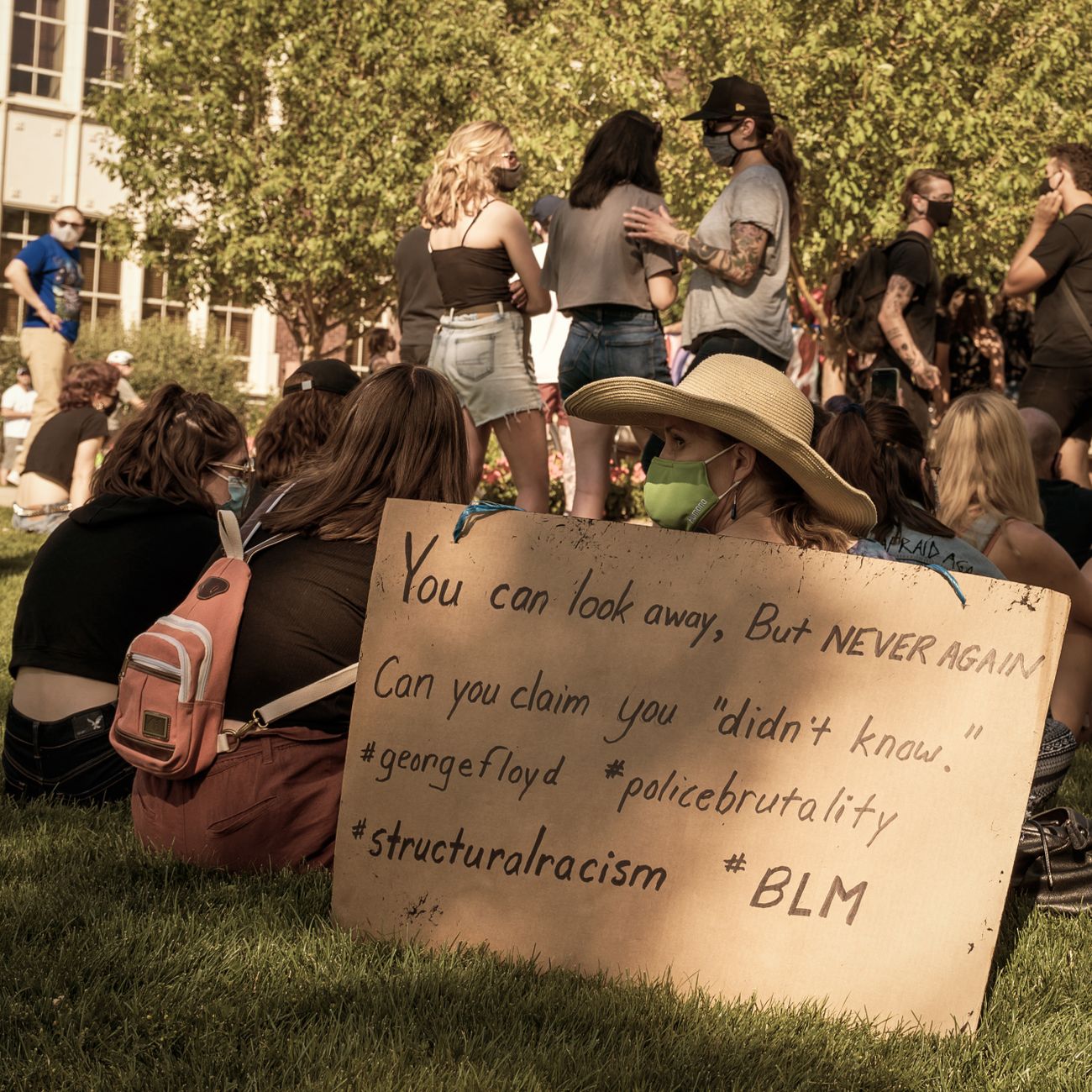
Intersectionality is a theoretical framework that examines how multiple social categories such as race, gender, class, sexuality, ability, and age intersect to produce unique experiences of oppression and privilege. The term was coined by legal scholar Kimberlé Crenshaw in the late 1980s to highlight how Black women were simultaneously marginalized by both racism and sexism, a reality that could not be fully understood by analyzing each form of discrimination in isolation. In practice, intersectionality requires analysts to consider the ways in which power structures overlap, creating complex matrices of advantage and disadvantage that shape individuals’ lived realities. For example, a low‑income Latina immigrant may face barriers related to language, immigration status, gendered expectations, and economic exploitation, each of which reinforces the others in a cumulative fashion.
Social justice, as a broader concept, refers to the pursuit of equitable distribution of resources, rights, and opportunities across society, with particular attention to rectifying historical and systemic injustices. It operates on the premise that fairness is not merely a matter of formal equality—where everyone receives the same treatment—but rather substantive equality, which acknowledges that different groups may require distinct forms of support to achieve comparable outcomes. In the context of feminist theory, social justice emphasizes the need to dismantle patriarchal structures that privilege men, especially cisgender, heterosexual, white, and able‑bodied men, while simultaneously addressing intersecting forms of oppression that affect women and gender‑nonconforming persons.
Privilege is the unearned advantage conferred on individuals by virtue of their membership in a dominant social group. Privilege is often invisible to those who possess it because it operates through normative assumptions about what is “normal” or “natural.” For instance, a straight, white, middle‑class man may not have to consider whether his accent will be perceived as “professional” or whether he will be questioned about his competence in a male‑dominated field. Recognizing privilege is a prerequisite for effective allyship, as it enables individuals to understand how their actions can unintentionally reinforce oppressive systems.
Oppression denotes the systemic and institutionalized mistreatment of marginalized groups. It is not limited to overt acts of discrimination but includes subtle, everyday practices that maintain hierarchies. Oppression can be manifested through legal policies, workplace norms, educational curricula, media representation, and interpersonal interactions. An example of structural oppression is the wage gap that persists even after controlling for education and experience, indicating that gendered expectations about caregiving and labor value continue to devalue women’s contributions.
Marginalization refers to the process by which certain groups are pushed to the periphery of social, economic, and political life. This process often results in limited access to resources, reduced visibility in public discourse, and diminished political power. For example, Indigenous peoples in many countries experience marginalization through land dispossession, cultural erasure, and underrepresentation in governmental decision‑making bodies.
Hegemony describes the dominance of a particular set of ideas, values, and practices that become accepted as common sense, thereby obscuring alternative perspectives. In feminist theory, patriarchy functions as a hegemonic system that normalizes male authority and devalues feminine qualities. Hegemonic narratives often present gendered expectations as natural rather than socially constructed, making it difficult for marginalized voices to challenge the status quo.
Patriarchy is a social system in which men hold primary power in roles of political leadership, moral authority, social privilege, and control of property. Patriarchal structures are reinforced through cultural norms, legal codes, and institutional practices that privilege masculinity and subordinate femininity. The concept of patriarchy is central to feminist critique because it underlies many forms of gender‑based violence, wage disparity, and reproductive control.
Sexism is the belief that one gender—usually men—is superior to the other, leading to discrimination based on gender. Sexism operates at both interpersonal and structural levels, manifesting in behaviors such as gendered teasing, as well as policies that limit women’s participation in certain occupations. The term is distinct from misogyny, which specifically denotes hatred toward women, whereas sexism can also include bias against men, though it is historically and statistically more often directed toward women.
Racism is a system of oppression that privileges one racial group over others, often through institutional mechanisms such as housing policies, criminal justice practices, and educational funding formulas. Racism is not merely an individual prejudice but a structural phenomenon that produces unequal outcomes for people of color. In an intersectional analysis, racism interacts with other axes of identity, such that a Black woman’s experience of discrimination differs from that of a Black man or a white woman.
Classism refers to the systemic discrimination against people based on their socioeconomic status. Classism can manifest in workplace hierarchies, healthcare access, and educational opportunities. A working‑class individual may encounter stigma that devalues their cultural practices, while also lacking the financial resources to pursue higher education or professional advancement.
Ableism is the social prejudice that devalues and discriminates against people with disabilities. Ableist attitudes assume that able‑bodied norms are the default, leading to environments that exclude or marginalize those who do not conform. Examples of ableism include lack of wheelchair‑accessible infrastructure, assumptions that people with cognitive impairments cannot make autonomous decisions, and medical practices that prioritize “normalization” over accommodation.
Heteronormativity is the assumption that heterosexuality is the normative, default sexual orientation, and that gender identities are binary. This assumption shapes social institutions, media representations, and legal frameworks. Heteronormative practices can marginalize LGBTQ+ individuals by rendering their identities invisible or pathologized. For instance, school curricula that only discuss opposite‑sex relationships reinforce heteronormativity and exclude queer narratives.
Cisnormativity is the parallel assumption that being cisgender—identifying with the sex assigned at birth—is the norm. Cisnormative frameworks often erase the experiences of trans and non‑binary individuals, leading to policies that exclude gender‑affirming healthcare or misgendering in official documents. Recognizing cisnormativity is essential for creating inclusive environments that respect all gender identities.
Microaggressions are brief, everyday exchanges that convey hostile or negative slights toward marginalized groups. They can be intentional or unintentional, but they cumulatively reinforce power differentials. A microaggression might involve asking an Asian American colleague, “Where are you really from?” Implying that they are not truly American. While each instance may seem minor, the accumulation of microaggressions contributes to a hostile climate and can affect mental health.
Allyship is the practice of using one’s privileged position to support and advocate for marginalized groups. Effective allyship involves active listening, self‑education, and willingness to confront one’s own biases. An ally does not speak over the people they aim to support but amplifies their voices, shares resources, and takes responsibility for challenging oppressive structures. For example, a male professor might use his platform to highlight the work of women scholars and to challenge sexist language in academic settings.
Solidarity extends beyond allyship by emphasizing collective action and shared struggle. Solidarity acknowledges that the liberation of one group is tied to the liberation of all others. In feminist movements, solidarity may involve coalition‑building across race, class, and ability lines, recognizing that achieving gender equity requires dismantling intersecting systems of oppression.
Praxis refers to the process by which theory is enacted, embodied, or realized in practice. In social justice work, praxis involves translating critical analysis into concrete actions, such as policy advocacy, community organizing, or curriculum redesign. A praxis‑oriented feminist scholar might combine research on gendered wage gaps with activism that pushes for legislative reforms to enforce pay transparency.
Decolonization is the ongoing process of dismantling colonial power structures and restoring Indigenous knowledge, governance, and cultural practices. Decolonial approaches critique how Western epistemologies have been imposed as universal, marginalizing non‑Western perspectives. In feminist theory, decolonization challenges the universalist claims of “women’s rights” that ignore the specific histories and needs of Indigenous women and girls.
Critical race theory (CRT) is an intellectual movement that examines how law and legal institutions perpetuate racial inequality. CRT argues that racism is not an aberration but a normal feature of society, embedded in statutes, policies, and social norms. Key concepts of CRT, such as “interest convergence” and “counter‑storytelling,” are useful for understanding how racialized oppression persists even in ostensibly neutral legal frameworks.
Gender performativity, a term popularized by Judith Butler, posits that gender is not a fixed identity but an ongoing set of repeated actions, gestures, and behaviors that produce the illusion of a stable gender. This concept helps explain how societal expectations shape individuals’ expressions of masculinity and femininity, and how subverting these performances can challenge normative gender roles.
Intersectional feminism is a branch of feminist thought that explicitly incorporates intersectionality into its analysis, recognizing that women’s experiences are not monolithic. Intersectional feminists critique mainstream feminist movements that have historically centered the concerns of white, middle‑class, cisgender women, and they advocate for inclusive agendas that address race, class, sexuality, ability, and other axes of identity.
Social reproduction theory (SRT) examines how labor—particularly unpaid domestic labor—reproduces the workforce and sustains capitalist economies. SRT highlights that caregiving, childrearing, and household chores, often performed by women, are essential yet undervalued components of economic production. Understanding social reproduction is crucial for policies that aim to redistribute care work and promote gender equity.
Structural violence describes social structures that inhibit individuals from meeting basic needs, leading to suffering and premature death. This concept, introduced by Johan Galtung, is useful for analyzing how systemic inequities—such as lack of access to clean water, education, or healthcare—constitute forms of violence against marginalized populations. In feminist analysis, structural violence may be gendered, affecting women’s health outcomes and safety.
Tokenism is the practice of making a superficial effort to include members of marginalized groups without granting them meaningful influence or authority. Token representation can create the illusion of diversity while preserving existing power dynamics. For instance, appointing a single woman to a corporate board without giving her a substantive role in decision‑making exemplifies tokenism.
Cultural appropriation occurs when elements of a marginalized culture are adopted by members of a dominant culture without permission, acknowledgment, or respect for their original context. This act often reinforces power imbalances by commodifying the cultural symbols of oppressed groups while erasing their histories. In feminist circles, cultural appropriation can be seen when fashion designers co‑opt Indigenous patterns without compensating the originating communities.
Intersectional epistemology challenges traditional notions of knowledge production that prioritize Eurocentric, male, and rationalist perspectives. It asserts that lived experiences, especially those of marginalized people, are valid sources of knowledge and that multiple ways of knowing can coexist. An intersectional epistemology values storytelling, oral histories, and community‑based research methods as legitimate means of generating insight.
Reparations refer to the compensation—material, symbolic, or policy‑based—provided to groups that have suffered historical injustices. Reparations can take the form of monetary payments, land restitution, educational scholarships, or formal apologies. In discussions of social justice, reparations are often linked to the legacies of slavery, colonization, and forced displacement.
Intersectional policy analysis evaluates how public policies impact different demographic groups in distinct ways. This approach requires disaggregating data by race, gender, class, disability, and other categories to reveal hidden inequities. For example, a housing policy that subsidizes rent may benefit middle‑class families but fail to address the needs of homeless individuals with disabilities, illustrating the importance of intersectional scrutiny.
Gender mainstreaming is a strategy that integrates gender considerations into all stages of policy development, implementation, and evaluation. The goal is to ensure that gender impacts are systematically accounted for, rather than treating gender as an afterthought. Effective gender mainstreaming requires gender‑sensitive budgeting, training for officials, and mechanisms for monitoring outcomes.
Intersectional allyship expands the concept of allyship by recognizing that support must be attuned to the intersecting identities of those being assisted. An intersectional ally actively learns about the specific ways in which race, class, sexuality, and ability intersect with gender, and tailors their advocacy accordingly. This may involve confronting racism within feminist spaces or addressing sexism in anti‑racist movements.
Power analysis is a methodological tool used to map out the distribution and dynamics of power within institutions and societies. It helps identify who holds decision‑making authority, whose interests are prioritized, and how resistance can be mobilized. In feminist research, power analysis often reveals how patriarchal norms are embedded in organizational hierarchies.
Embodiment theory focuses on how social structures are inscribed on bodies, influencing health, behavior, and identity. The theory argues that lived experiences of oppression are physically manifested, such as through stress‑related illnesses or the internalization of stigma. Embodiment is a useful lens for exploring how intersecting oppressions affect mental and physical well‑being.
Narrative sovereignty refers to the right of marginalized groups to tell their own stories, define their own identities, and control how their experiences are represented. It challenges dominant narratives that have historically silenced or mischaracterized these groups. In feminist media studies, narrative sovereignty is central to discussions about representation and self‑determination.
Community‑based participatory research (CBPR) is a collaborative approach that involves community members as equal partners in the research process. CBPR seeks to democratize knowledge production, ensuring that research questions, methods, and outcomes align with community priorities. This methodology aligns with intersectional principles by valuing lived experience as expertise.
Intersectional activism is the practice of organizing and advocating for social change with an awareness of intersecting oppressions. It involves coalition‑building across diverse movements—such as environmental justice, disability rights, and LGBTQ+ liberation—to address shared structural challenges. Intersectional activists often employ tactics like mutual aid, direct action, and policy advocacy.
Social capital refers to the networks, relationships, and norms that facilitate collective action and access to resources. In feminist analysis, social capital can be unevenly distributed, with women and marginalized groups often having less access to influential networks. Building social capital through mentorship and solidarity networks can help mitigate these disparities.
Implicit bias denotes unconscious attitudes or stereotypes that affect perceptions and actions. Implicit biases can perpetuate discrimination even among well‑intentioned individuals. Tools such as Implicit Association Tests (IAT) are used to uncover hidden biases, allowing individuals to engage in self‑reflection and corrective behavior.
Safe spaces are environments that aim to protect participants from harassment, discrimination, or emotional harm, fostering open dialogue and learning. While safe spaces can be valuable for marginalized individuals, critics argue that overly restrictive definitions may limit critical engagement. Balancing safety with intellectual rigor is a common challenge in feminist pedagogy.
Trigger warnings are notices that alert audiences to potentially distressing content, such as graphic descriptions of sexual violence. Their purpose is to give individuals the opportunity to prepare emotionally or to opt out, thereby respecting trauma histories. The use of trigger warnings is debated, with some scholars emphasizing their role in trauma‑informed practice, while others caution against over‑use that may reinforce avoidance.
Institutional racism is the systemic discrimination embedded within organizational policies, practices, and culture, leading to disparate outcomes for racialized groups. Examples include disparate disciplinary actions in schools, biased hiring practices, and unequal funding for minority‑serving institutions. Addressing institutional racism requires comprehensive reforms that go beyond individual attitudes.
Intersectional data collection involves gathering demographic information that captures multiple identity dimensions simultaneously. This practice is essential for revealing hidden disparities and informing equitable policy design. However, challenges include ensuring privacy, avoiding re‑identification of vulnerable individuals, and navigating resistance from institutions that fear accountability.
Queer theory interrogates the socially constructed nature of sexuality and gender, challenging binary categorizations and normative assumptions. It expands feminist analysis by foregrounding the fluidity of desire and identity, and by critiquing compulsory heteronormativity. Queer theory’s emphasis on disruption aligns with intersectional goals of destabilizing oppressive categories.
Gender‑based violence (GBV) encompasses a range of harmful acts directed at individuals because of their gender, including intimate partner violence, sexual assault, harassment, and female genital mutilation. GBV is rooted in power imbalances and cultural norms that subordinate women and gender‑nonconforming persons. Intersectional approaches to GBV recognize how race, class, disability, and immigration status shape victims’ experiences and access to support services.
Economic justice seeks to create a fair distribution of wealth, income, and economic opportunities. It addresses systemic barriers such as wage gaps, lack of affordable housing, and predatory lending practices. Feminist economic justice emphasizes the value of unpaid care work, advocating for policies like universal basic income and paid family leave.
Reproductive justice expands the framework of reproductive rights to include the right to have children, not have children, and parent children in safe and sustainable environments. This concept, developed by women of color activists, integrates access to contraception, abortion, prenatal care, and social supports. It highlights how intersecting oppressions—such as racism, classism, and ableism—affect reproductive autonomy.
Intersectional pedagogy is an educational approach that integrates multiple perspectives and acknowledges the diverse identities of learners. It involves designing curricula that reflect varied histories, encouraging critical dialogue about power, and employing inclusive teaching methods. Intersectional pedagogy challenges the “one‑size‑fits‑all” model of instruction and promotes equitable learning outcomes.
Cultural humility is an ongoing process of self‑reflection and self‑critique that acknowledges one’s own cultural biases and power differentials. In social work and health care, cultural humility encourages practitioners to view clients as experts of their own lived experiences, fostering collaborative relationships. This stance aligns with intersectional ethics that prioritize respect for diverse knowledge systems.
Social determinants of health (SDOH) are the conditions in which people are born, grow, live, work, and age, influencing health outcomes. SDOH include factors such as education, employment, housing, and social support. An intersectional analysis of SDOH reveals how race, gender, and class intersect to produce health inequities, such as higher maternal mortality rates among Black women.
Intersectional advocacy involves lobbying, public campaigning, and legal action that explicitly addresses overlapping forms of oppression. Effective advocates craft messages that resonate across diverse constituencies, building broad coalitions while maintaining focus on specific injustices. For instance, a campaign for affordable childcare may link gender equity with economic stability and racial justice.
Critical pedagogy, inspired by Paulo Freire, encourages learners to question dominant narratives and to view education as a means of empowerment. In feminist classrooms, critical pedagogy fosters consciousness‑raising about gendered power dynamics and invites students to co‑create knowledge. It aligns with intersectional goals by emphasizing dialogue, reflection, and action.
Digital activism leverages online platforms to mobilize support, disseminate information, and coordinate collective action. Hashtags such as #MeToo and #BlackLivesMatter demonstrate how digital spaces can amplify marginalized voices and create transnational movements. However, digital activism also raises concerns about surveillance, tokenism, and performative allyship.
Intersectional leadership emphasizes the importance of diversity in decision‑making bodies, ensuring that leaders represent multiple, intersecting identities. It challenges traditional hierarchies that privilege homogenous leadership styles, advocating for inclusive governance structures. Intersectional leaders are expected to practice transparency, accountability, and participatory decision‑making.
Gender equity audits are systematic assessments that evaluate whether organizations are meeting gender‑related goals, such as equal pay, representation in leadership, and inclusive policies. These audits employ quantitative data and qualitative feedback to identify gaps and develop action plans. Intersectional audits further disaggregate findings by race, disability, and sexuality to capture nuanced disparities.
Social movement theory examines how collective action emerges, evolves, and impacts societal change. It explores concepts such as resource mobilization, framing processes, and political opportunity structures. Feminist social movements often incorporate intersectional framing to broaden appeal and to address multiple axes of oppression simultaneously.
Intersectional framing refers to the strategic presentation of issues in ways that highlight how different forms of oppression intersect. Effective framing can attract diverse constituencies, shift public perception, and influence policy agendas. For example, framing climate change as a “climate justice” issue underscores how environmental degradation disproportionately harms low‑income women of color.
Decolonial pedagogy challenges the dominance of Western epistemologies in educational settings, promoting the inclusion of Indigenous knowledge, languages, and teaching methods. Decolonial educators seek to dismantle colonial curricula and to create spaces where alternative worldviews are respected. This approach aligns with feminist commitments to dismantling hierarchical power structures.
Gender‑responsive budgeting is a fiscal policy tool that integrates gender analysis into budgeting processes, ensuring that public expenditures advance gender equality. It involves assessing how budget allocations affect men and women differently and adjusting spending to address identified gaps. Intersectional budgeting extends this analysis to include race, class, and ability.
Intersectional health equity initiatives aim to reduce health disparities by addressing the complex interplay of social determinants, systemic bias, and cultural factors. Programs may incorporate community health workers from marginalized backgrounds, culturally competent care protocols, and targeted outreach to underserved populations. Success depends on sustained commitment to structural change.
Intersectional ethics is a moral framework that recognizes the interconnected nature of oppression and the responsibility to consider multiple perspectives in decision‑making. It challenges single‑issue ethics that prioritize one form of injustice over another, advocating for a holistic approach that seeks to alleviate compounded harms.
Intersectional research methods include mixed‑methods designs, narrative inquiry, and participatory action research that capture the lived experiences of people at the crossroads of multiple identities. Researchers must be vigilant about reflexivity, power dynamics, and ethical considerations, ensuring that their work does not reproduce the very inequities it seeks to expose.
Intersectional accountability mechanisms are structures that monitor and evaluate progress toward equity goals, ensuring that organizations remain answerable to the communities they serve. These mechanisms may involve community advisory boards, transparent reporting, and regular audits that incorporate intersectional metrics.
Intersectional solidarity economies are economic models that prioritize cooperation, mutual aid, and equitable distribution of resources, while explicitly addressing intersecting oppressions. Examples include worker‑cooperatives owned by women of color, community land trusts that protect low‑income residents, and solidarity funds that support disabled activists. These economies challenge profit‑driven capitalism and aim to create sustainable, inclusive alternatives.
Intersectional feminist critique of mainstream media examines representation, narrative control, and production practices. It highlights how media often marginalizes women of color, LGBTQ+ individuals, and disabled persons, while reinforcing stereotypes. Critical analysis can lead to advocacy for more inclusive storytelling, diverse hiring practices, and equitable content distribution.
Intersectional lens is a methodological perspective that foregrounds the interaction of multiple identities and power structures. Applying an intersectional lens to policy, research, or activism means consistently asking how race, gender, class, sexuality, ability, and other categories shape experiences and outcomes. This lens helps uncover hidden biases and design more just interventions.
Intersectional empowerment refers to processes that enable individuals and communities to gain control over their lives, while recognizing the complexity of their identities. Empowerment strategies may include skill‑building workshops, access to resources, and platforms for advocacy. Intersectional empowerment ensures that interventions do not inadvertently reinforce existing hierarchies.
Intersectional resilience describes the capacity of individuals and groups to navigate and adapt to overlapping systems of oppression. Resilience is not an individual trait alone but is cultivated through collective support, cultural resources, and structural changes that alleviate burdens. Recognizing resilience can inform policies that build on community strengths rather than merely addressing deficits.
Intersectional anti‑violence work integrates strategies to prevent and respond to violence that accounts for overlapping oppressions. Programs may combine domestic violence services with immigration legal aid, mental health counseling, and economic empowerment, acknowledging that survivors often face multiple barriers. This holistic approach improves safety and recovery outcomes.
Intersectional environmental justice links ecological concerns with social equity, emphasizing that marginalized communities bear disproportionate environmental harms. Examples include industrial pollution near low‑income neighborhoods, lack of green spaces in urban areas, and climate‑related displacement of Indigenous peoples. Intersectional environmental justice advocates for policies that protect both ecosystems and vulnerable populations.
Intersectional data justice addresses ethical concerns surrounding data collection, analysis, and use, ensuring that data practices do not replicate oppression. It promotes transparency, consent, community ownership of data, and equitable benefit sharing. In feminist research, data justice aligns with principles of accountability and respect for participants’ autonomy.
Intersectional policy advocacy involves crafting legislative proposals that explicitly consider how laws will affect various intersecting groups. Advocates may push for statutes that mandate gender‑ and race‑disaggregated reporting, or for funding that prioritizes services for disabled LGBTQ+ youth. This approach helps prevent unintended consequences that could exacerbate inequities.
Intersectional labor rights movements fight for workplace protections that reflect diverse worker experiences. Campaigns may focus on wage equity for women of color, safe working conditions for migrant laborers, and accommodations for disabled employees. By uniting across sectors, these movements aim to build solidarity that counters divide‑and‑rule tactics.
Intersectional public health interventions design programs that target multiple determinants of health simultaneously. For instance, a community health initiative might combine nutrition education, affordable childcare, and transportation subsidies to address the intertwined challenges faced by low‑income mothers. Such interventions recognize that health outcomes are shaped by a web of social factors.
Intersectional cultural competency training equips professionals with skills to understand and respect the complex identities of the populations they serve. Training modules include case studies that illustrate how race, gender, sexuality, and ability intersect in real‑world scenarios, fostering empathy and reducing bias. Effective competency training leads to better service delivery and client satisfaction.
Intersectional feminist ethics of care emphasizes relational interdependence, arguing that moral obligations arise from our connections to others. This perspective critiques abstract, individualistic moral theories, proposing instead that caring relationships are central to ethical decision‑making. It aligns with feminist commitments to community, reciprocity, and the recognition of diverse lived experiences.
Intersectional governance models propose inclusive decision‑making structures that reflect the demographic composition of the communities they govern. Examples include participatory budgeting processes that allocate funds based on community‑identified priorities, and advisory councils that represent intersecting identities. Such models aim to democratize power and improve policy relevance.
Intersectional narrative analysis explores how stories about individuals and groups are constructed, circulated, and received, revealing how intersecting identities shape meaning. Analyzing media coverage of a protest, for example, can uncover how race and gender influence portrayals of activists, affecting public perception and policy response.
Intersectional social entrepreneurship seeks to create businesses that address social problems while accounting for multiple dimensions of oppression. Social entrepreneurs may develop platforms that provide employment for formerly incarcerated women of color, or design products that are accessible to disabled consumers. This approach merges profit motives with transformative social impact.
Intersectional conflict resolution strategies address disputes by acknowledging the multiple identities involved and the power imbalances that shape them. Mediators may employ culturally responsive techniques, ensure representation from all affected groups, and develop solutions that mitigate systemic inequities. This holistic approach promotes lasting peace and mutual respect.
Intersectional gender analysis is a systematic method for examining how gender interacts with other social categories to influence outcomes in sectors such as agriculture, technology, or education. By applying gender analysis, policymakers can identify gaps, design gender‑responsive interventions, and monitor progress toward equity. Intersectional analysis adds depth by revealing how race, class, and ability affect gendered experiences.
Intersectional feminist literature critiques canonical texts that have traditionally excluded marginalized voices, advocating for a broader literary canon that reflects diverse experiences. Scholars may highlight the works of Black women writers, LGBTQ+ authors, and disabled poets, arguing that inclusive literature enriches cultural understanding and challenges hegemonic narratives.
Intersectional legal advocacy works within the justice system to challenge laws and practices that perpetuate multiple forms of discrimination. Lawyers may file impact litigation that seeks to overturn statutes with disparate impacts on women of color, or they may draft policy proposals that embed intersectional safeguards. This advocacy contributes to systemic change.
Intersectional community organizing mobilizes grassroots participants around shared concerns that cut across identity lines. Organizers facilitate spaces where participants can articulate their intersecting needs, develop collective strategies, and build power. Successful community organizing often results in policy shifts, increased resource allocation, and stronger social networks.
Intersectional anti‑colonial pedagogy interrogates the legacy of colonialism in education, emphasizing decolonized curricula, language revitalization, and the empowerment of Indigenous knowledge holders. It aligns with feminist goals by challenging patriarchal and Eurocentric assumptions, fostering an environment where multiple epistemologies coexist.
Intersectional feminist art practice uses creative expression to explore and communicate the complexities of overlapping oppressions. Artists may employ mixed media, performance, and collaborative projects to illuminate lived experiences that mainstream art institutions often overlook. This practice serves both as critique and as a catalyst for dialogue and social change.
Intersectional policy implementation involves translating equitable policy intentions into concrete actions that consider diverse populations. Implementation strategies may include targeted outreach, culturally adapted materials, and continuous feedback loops with affected communities. Monitoring and evaluation must incorporate intersectional indicators to gauge effectiveness.
Intersectional digital inclusion aims to bridge the technology gap for groups marginalized by race, gender, socioeconomic status, and ability. Initiatives might provide affordable internet access, accessible device designs, and digital literacy training for seniors and disabled users. By ensuring equitable digital participation, societies can reduce information inequities and foster broader civic engagement.
Intersectional mental health advocacy promotes services that recognize how overlapping identities affect psychological well‑being. Advocacy efforts push for culturally competent therapists, trauma‑informed care for survivors of gender‑based violence, and insurance coverage for gender‑affirming mental health services. Addressing stigma across multiple dimensions improves overall community health.
Intersectional feminist economics studies how economic systems reproduce gendered and racialized inequalities, emphasizing the value of unpaid labor, care work, and informal economies. Scholars critique neoliberal policies that exacerbate wealth gaps and propose alternatives such as cooperative enterprises, universal basic services, and progressive taxation that reflect an intersectional understanding of need.
Intersectional policy research employs interdisciplinary methods to investigate how legislation impacts people at the crossroads of multiple identities. Researchers may combine quantitative data analysis with qualitative interviews, ensuring that statistical trends are contextualized by personal narratives. This mixed‑methods approach yields richer insights for policymakers.
Intersectional justice frameworks guide institutions in creating equitable practices that address the totality of individuals’ identities. These frameworks often include audits, training, and strategic planning that embed intersectionality into organizational culture. By adopting such frameworks, institutions can move beyond token gestures toward sustained systemic transformation.
Intersectional youth empowerment programs target adolescents who navigate a convergence of societal pressures related to race, gender, sexuality, and socioeconomic status. Programs provide mentorship, leadership development, and safe spaces for expression, fostering confidence and agency. Empowered youth become catalysts for broader community change, challenging entrenched inequities.
Intersectional health policy addresses how legislation, funding, and service delivery affect individuals with layered identities. Policies that incorporate intersectionality may allocate resources for culturally specific maternal health programs, support community health workers from marginalized backgrounds, and ensure that disability accommodations are integrated into all health initiatives.
Intersectional feminist legal theory critiques laws that appear neutral but produce disparate impacts on women of color, LGBTQ+ individuals, and disabled persons. It advocates for a transformative legal approach that incorporates lived experience, community expertise, and a commitment to dismantling intersecting hierarchies. This theory informs litigation strategies and law reform.
Intersectional civic engagement encourages participation in democratic processes that reflect the diversity of the populace. Engagement initiatives may offer multilingual voter registration drives, accessible polling locations, and community forums that center the concerns of historically underrepresented groups. By broadening participation, civic engagement strengthens democratic legitimacy.
Intersectional philanthropy reexamines charitable giving to ensure that funding decisions do not perpetuate power imbalances. Philanthropists may adopt grantmaking practices that prioritize grassroots organizations led by marginalized groups, incorporate participatory budgeting, and require transparency about decision‑making processes. This approach aligns financial resources with equity goals.
Intersectional anti‑trafficking interventions recognize that trafficking victims experience multiple layers of exploitation, including gendered coercion, racialized profiling, and immigration vulnerability. Effective interventions provide comprehensive services—legal assistance, trauma‑informed counseling, language support, and safe housing—tailored to each survivor’s intersecting needs.
Intersectional workplace inclusion strategies aim to create environments where employees of all identities feel valued and can thrive. Strategies include bias training that addresses race and gender together, mentorship programs for disabled LGBTQ+ staff, and flexible policies that accommodate caregiving responsibilities. Inclusive workplaces benefit from diverse perspectives and higher employee satisfaction.
Intersectional community health assessment tools gather data on health outcomes while disaggregating by race, gender, income, ability, and sexual orientation. These tools help public health officials identify hotspots of inequity, allocate resources strategically, and monitor progress over time. Incorporating community input ensures that assessments are grounded in lived experience.
Intersectional justice education integrates discussions of power, privilege, and oppression across curricula, fostering critical consciousness among learners. Educators employ case studies, role‑playing, and reflective writing to help students grapple with complex social realities. By embedding intersectionality into learning, institutions cultivate future leaders equipped to advance equity.
Intersectional feminist advocacy networks connect activists across geographic and thematic boundaries, facilitating knowledge exchange and coordinated action. Networks may host virtual conferences, share research briefs, and co‑author policy recommendations that reflect a multiplicity of perspectives. These collaborative structures amplify collective impact.
Intersectional policy impact evaluation measures the outcomes of interventions across multiple identity dimensions, identifying unintended consequences and areas for improvement. Evaluators use mixed‑methods approaches, triangulating quantitative indicators with qualitative feedback from affected communities. Rigorous impact evaluation informs iterative policy refinement.
Intersectional social innovation explores novel solutions that address complex social challenges by integrating insights from diverse fields. Innovations may combine technology, community organizing, and policy advocacy to tackle issues such as gender‑biased AI algorithms, ensuring that algorithmic design accounts for race, class, and disability considerations.
Intersectional feminist activism in the digital age leverages social media to disseminate intersectional analyses, mobilize supporters, and challenge dominant narratives. Activists curate content that highlights the interconnectedness of struggles, using hashtags, visual storytelling, and live discussions. However, digital activism also requires vigilance against online harassment, data breaches, and performative solidarity.
Intersectional language policy advocates for linguistic rights that reflect the multilingual realities of societies. Policies may protect Indigenous languages, provide translation services for immigrant communities, and ensure that public communications are accessible to people with speech or hearing impairments. Such policies recognize language as a key axis of identity.
Intersectional disaster response planning incorporates the needs of vulnerable groups into emergency preparedness and relief efforts. Planners consider factors such as gendered caregiving roles, disability access, and cultural practices when designing evacuation routes, shelter facilities, and resource distribution. Inclusive planning reduces the risk of exacerbating existing inequities during crises.
Intersectional feminist solidarity actions involve collective demonstrations, petitions, and public statements that unite diverse movements around shared goals. Solidarity actions are most effective when they respect the autonomy of each group, avoid co‑optation, and commit to ongoing mutual support. By demonstrating interconnected struggle, solidarity actions amplify pressure for systemic change.
Intersectional cultural policy promotes equitable representation of diverse cultures within public institutions such as museums, libraries, and arts councils. Policies may allocate funding for projects led by artists from marginalized backgrounds, ensure accessibility for disabled audiences, and curate exhibitions that reflect multiple narratives. Cultural policy thus becomes a tool for social transformation.
Intersectional youth policy addresses the overlapping challenges faced by young people who belong to multiple marginalized groups. Policies may provide targeted scholarships for LGBTQ+ students of color, create safe recreational spaces for disabled youth, and implement mentorship programs that connect adolescents with professionals sharing intersecting identities. Comprehensive youth policies foster resilience and future leadership.
Intersectional environmental policy integrates climate action with social justice, ensuring that mitigation and adaptation strategies do not replicate historical patterns of exclusion. Policies may prioritize renewable energy projects in low‑income neighborhoods, protect Indigenous lands from extractive industries, and incorporate community input into climate resilience planning. This approach recognizes that environmental sustainability and equity are mutually reinforcing.
Intersectional data visualization techniques present statistical information in ways that foreground multiple identity dimensions, making disparities more visible. Visualizations may use layered charts, color coding, and interactive filters to allow users to explore how race, gender, and disability intersect in health outcomes. Effective visualization aids policymakers and the public in recognizing complex patterns.
Intersectional feminist mentorship programs pair emerging scholars or activists with mentors who share intersecting identities, fostering relational learning and professional development. Mentors provide guidance on navigating academic or organizational systems that may be biased, while also offering emotional support and networking opportunities. Mentorship that acknowledges intersecting experiences strengthens community capacity.
Intersectional anti‑discrimination law seeks to protect individuals from bias that operates across multiple categories, moving beyond single‑axis protections. Legislation may include provisions that recognize combined discrimination claims, establish burden‑shifting mechanisms, and mandate training that addresses intersecting biases. Such laws aim to close gaps left by traditional anti‑discrimination statutes.
Intersectional labor market analysis examines employment trends through a lens that captures how race, gender, age, and ability influence job prospects, wages, and career advancement. Analysts may uncover, for instance, that women of color in STEM fields experience slower promotion rates than white men, revealing the need for targeted interventions. This analysis informs equitable workforce policies.
Intersectional community resilience frameworks assess how social networks, cultural assets, and institutional support enable communities to withstand and recover from adverse events. By mapping intersecting vulnerabilities, such frameworks guide the development of robust support systems that are inclusive of all demographic groups. Resilient communities are better equipped to address systemic inequities.
Intersectional feminist critique of technology interrogates how design choices embed gendered, racialized, and ableist assumptions. Critics point to facial recognition systems that misidentify women of color, or user interfaces that lack accessibility features. Feminist technologists advocate for inclusive design processes that involve diverse stakeholders from the outset.
Key takeaways
- Intersectionality is a theoretical framework that examines how multiple social categories such as race, gender, class, sexuality, ability, and age intersect to produce unique experiences of oppression and privilege.
- Social justice, as a broader concept, refers to the pursuit of equitable distribution of resources, rights, and opportunities across society, with particular attention to rectifying historical and systemic injustices.
- ” For instance, a straight, white, middle‑class man may not have to consider whether his accent will be perceived as “professional” or whether he will be questioned about his competence in a male‑dominated field.
- An example of structural oppression is the wage gap that persists even after controlling for education and experience, indicating that gendered expectations about caregiving and labor value continue to devalue women’s contributions.
- For example, Indigenous peoples in many countries experience marginalization through land dispossession, cultural erasure, and underrepresentation in governmental decision‑making bodies.
- Hegemonic narratives often present gendered expectations as natural rather than socially constructed, making it difficult for marginalized voices to challenge the status quo.
- Patriarchal structures are reinforced through cultural norms, legal codes, and institutional practices that privilege masculinity and subordinate femininity.