
Quality Control and Assurance in Document Review
In the context of Quality Control and Assurance in Document Review, it is essential to understand the key terms and vocabulary used in this field. Quality control refers to the process of ensuring that the documents being reviewed meet the …
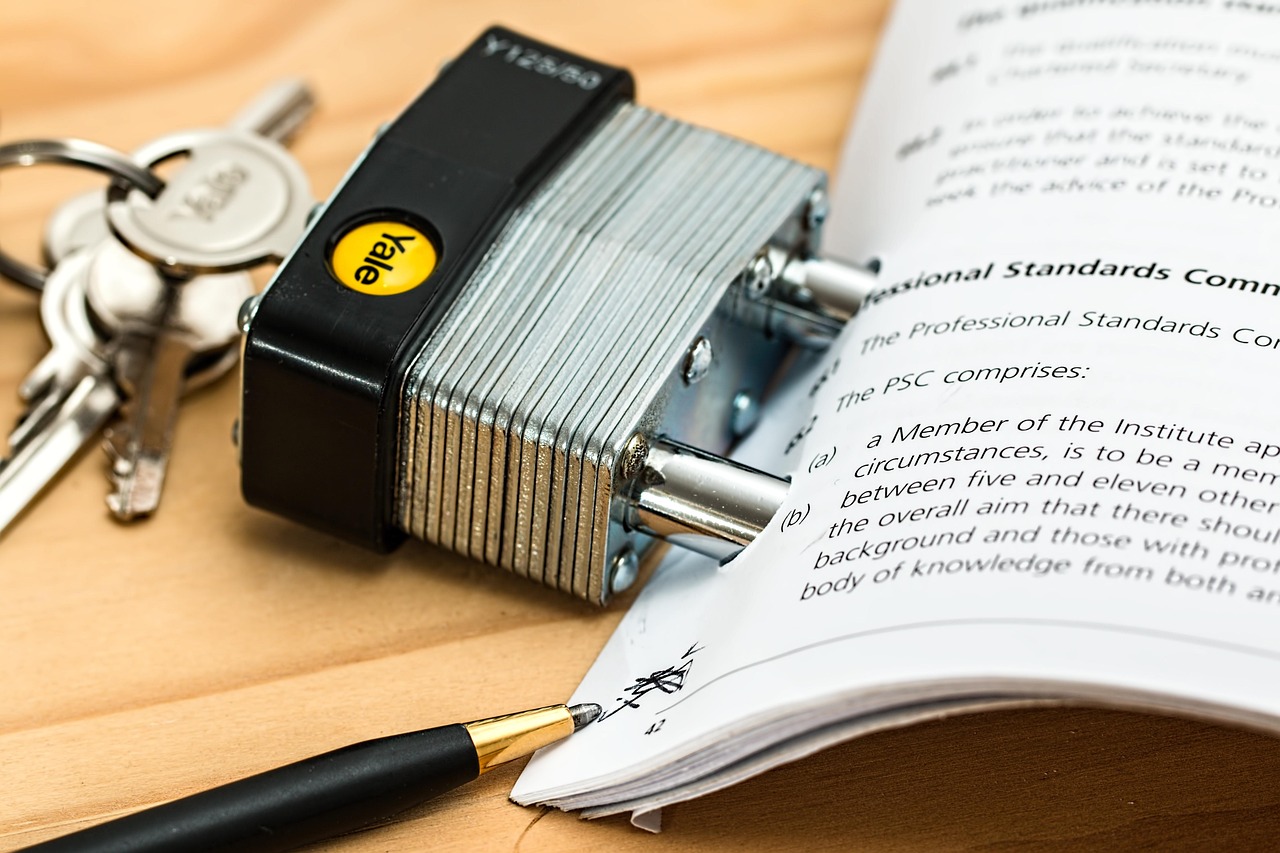
In the context of Quality Control and Assurance in Document Review, it is essential to understand the key terms and vocabulary used in this field. Quality control refers to the process of ensuring that the documents being reviewed meet the required standards and specifications. This involves checking for accuracy, completeness, and consistency in the documents.
The first step in quality control is to establish clear guidelines and standards for the document review process. This includes defining the scope of the review, identifying the types of documents to be reviewed, and determining the criteria for inclusion and exclusion. The review team must also be trained on the procedures and protocols to be followed during the review process.
One of the key challenges in quality control is ensuring that the review team is consistent in their application of the review criteria. This can be achieved through training and calibration exercises, where the team members review a sample set of documents and discuss their findings to ensure that they are aligned in their approach.
Another important aspect of quality control is quality assurance. This involves monitoring the review process to ensure that it is being carried out in accordance with the established guidelines and standards. This can be done through regular audits and checks on the review team's work.
The benefits of quality assurance are numerous. It helps to identify and address any issues or problems with the review process, ensuring that the output is of high quality. It also helps to improve the efficiency and effectiveness of the review process, reducing the time and cost associated with it.
In addition to quality control and assurance, it is also essential to consider the security and confidentiality of the documents being reviewed. This involves implementing measures to protect the documents from unauthorized access or disclosure.
The review team must also be aware of the legal and regulatory requirements surrounding the documents, such as data protection and privacy laws. This includes understanding the obligations and responsibilities of the review team in relation to the handling and storage of the documents.
In the context of electronic documents, quality control and assurance involve additional considerations. This includes ensuring that the metadata associated with the documents is accurate and complete, and that the documents are properly indexed and searchable.
The review team must also be familiar with the tools and technologies used in the review process, such as document management systems and review software. This includes understanding the features and functions of these tools, as well as the limitations and potential bias associated with them.
In terms of practical applications, quality control and assurance are essential in a variety of contexts, including litigation, investigations, and compliance reviews. The review team must be able to apply the principles and standards of quality control and assurance in a flexible and adaptive manner, responding to the unique challenges and requirements of each project.
The importance of quality control and assurance cannot be overemphasized. It is essential for ensuring that the output of the review process is of high quality, and that the needs and expectations of the clients and stakeholders are met.
The review team must also be aware of the potential risk and consequences of poor quality control and assurance. This includes the risk of inaccurate or incomplete documents, as well as the potential for breaches of confidentiality and security.
In terms of best practices, the review team should follow established guidelines and standards for quality control and assurance. This includes utilizing checklists and templates to ensure consistency and accuracy in the review process.
The review team should also engage in regular communication and feedback with the clients and stakeholders to ensure that their needs and expectations are being met. This includes providing regular updates on the status of the review process, as well as seeking feedback and input from the clients and stakeholders.
In addition to quality control and assurance, the review team should also be aware of the importance of project management in the review process. This includes establishing clear goals and objectives for the review project, as well as developing a detailed plan and schedule for the review process.
The review team should also identify and assess the risk and consequences associated with the review project, and develop strategies and mitigation plans to address these risk and consequences. This includes identifying the potential risk and consequences of delays or disruptions to the review process, as well as developing contingency plans to address these risk and consequences.
In terms of tools and technologies, the review team should be familiar with the latest developments and advances in document review technology. This includes utilizing artificial
The review team should also be aware of the importance of data analytics and visualization in the review process. This includes utilizing data analytics and visualization tools to identify and analyze trends and patterns in the documents, as well as to communicate the findings and results of the review process to the clients and stakeholders.
In terms of future developments, the review team should be aware of the emerging trends and technologies in the field of document review. This includes utilizing blockchain and distributed ledger technology to improve the security and integrity of the documents, as well as utilizing virtual and augmented reality technologies to enhance the review process.
The review team should also be aware of the importance of continuous learning and professional development in the field of document review. This includes participating in training and education programs, as well as staying up-to-date with the latest developments and advances in the field.
In terms of challenges, the review team should be aware of the potential challenges and obstacles that may arise during the review process. This includes addressing the complexity and volume of the documents, as well as managing the time and cost associated with the review process.
The review team should also be aware of the importance of communication and collaboration in the review process. This includes working closely with the clients and stakeholders to understand their needs and expectations, as well as collaborating with other team members to ensure that the review process is efficient and effective.
In terms of best practices, the review team should follow established guidelines and standards for document review. This includes utilizing project management methodologies and tools to manage the review process, as well as engaging in regular quality control and assurance activities to ensure that the review process is accurate and complete.
The review team should also be aware of the importance of flexibility and adaptability in the review process. This includes being able to respond to changing circumstances and priorities, as well as being able to adapt to new and emerging technologies and trends.
In terms of technology, the review team should be familiar with the latest developments and advances in document review technology. This includes utilizing artificial and machine learning algorithms to improve the efficiency and effectiveness of the review process, as well as utilizing cloud computing and storage solutions to manage and store the documents.
The review team should also be aware of the importance of information security and governance in the review process. This includes ensuring that the documents are properly secured and protected from unauthorized access or disclosure, as well as ensuring that the review process is compliant with relevant laws and regulations.
In terms of project management, the review team should be aware of the importance of planning and organization in the review process. This includes developing a detailed plan and schedule for the review process, as well as identifying and assessing the risk and consequences associated with the review project.
The review team should also be aware of the importance of communication and stakeholder management in the review process. This includes working closely with the clients and stakeholders to understand their needs and expectations, as well as communicating the findings and results of the review process to the clients and stakeholders in a clear and concise manner.
In terms of quality control and assurance, the review team should be aware of the importance of monitoring and evaluating the review process to ensure that it is accurate and complete. This includes utilizing quality control and assurance checklists and templates to ensure that the review process is consistent and reliable.
The review team should also be aware of the importance of continuously improving and refining the review process to ensure that it is efficient and effective. This includes identifying and addressing any issues or problems with the review process, as well as implementing changes and improvements to the review process as needed.
In terms of training and development, the review team should be aware of the importance of ongoing training and professional development in the field of document review.
The review team should also be aware of the importance of teamwork and collaboration in the review process. This includes working closely with other team members to ensure that the review process is efficient and effective, as well as communicating the findings and results of the review process to the clients and stakeholders in a clear and concise manner.
In terms of communication, the review team should be aware of the importance of clear and concise communication in the review process. This includes utilizing plain language and avoiding jargon and technical terms that may be unfamiliar to the clients and stakeholders.
The review team should also be aware of the importance of cultural and linguistic sensitivity in the review process. This includes being aware of the cultural and linguistic diversity of the clients and stakeholders, as well as utilizing interpreters and translators as needed to ensure that the review process is accessible and inclusive.
In terms of ethics, the review team should be aware of the importance of ethical behavior in the review process. This includes being honest and transparent in all interactions with the clients and stakeholders, as well as avoiding any conflicts of interest or appearance of impropriety.
The review team should also be aware of the importance of confidentiality and privacy in the review process. This includes protecting the confidentiality and privacy of the clients and stakeholders, as well as ensuring that all documents and information are properly secured and protected.
In terms of compliance, the review team should be aware of the importance of compliance with relevant laws and regulations in the review process. This includes ensuring that the review process is compliant with all relevant laws and regulations, as well as identifying and addressing any compliance issues or risks that may arise during the review process.
The review team should also be aware of the importance of continuously monitoring and evaluating the review process to ensure that it is compliant with all relevant laws and regulations. This includes utilizing compliance checklists and templates to ensure that the review process is compliant with all relevant laws and regulations.
In terms of risk management, the review team should be aware of the importance of identifying and assessing the risk and consequences associated with the review process. This includes utilizing risk management tools and techniques to identify and assess the risk and consequences associated with the review process.
The review team should also be aware of the importance of developing and implementing risk mitigation strategies to address the risk and consequences associated with the review process. This includes utilizing risk management plans and procedures to manage and mitigate the risk and consequences associated with the review process.
In terms of audit and compliance, the review team should be aware of the importance of auditing and compliance in the review process. This includes utilizing audit and compliance tools and techniques to ensure that the review process is compliant with all relevant laws and regulations.
This includes utilizing audit and compliance checklists and templates to ensure that the review process is compliant with all relevant laws and regulations.
In terms of reporting, the review team should be aware of the importance of clear and concise reporting in the review process. This includes utilizing reporting tools and templates to communicate the findings and results of the review process to the clients and stakeholders in a clear and concise manner.
In terms of lessons learned, the review team should be aware of the importance of documenting and sharing lessons learned from the review process. This includes utilizing knowledge management tools and techniques to document and share lessons learned from the review process.
In terms of best practices, the review team should be aware of the importance of following best practices in the review process. This includes utilizing best practices guidelines and standards to ensure that the review process is efficient and effective.
In terms of case studies, the review team should be aware of the importance of utilizing case studies to illustrate the application of quality control and assurance in the review process. This includes utilizing case studies to demonstrate the importance of quality control and assurance in the review process, as well as to identify and address any issues or problems with the review process.
In terms of research, the review team should be aware of the importance of conducting research to stay up-to-date with the latest developments and advances in the field of document review. This includes utilizing research studies and findings to inform the review process, as well as to identify and address any issues or problems with the review process.
Key takeaways
- In the context of Quality Control and Assurance in Document Review, it is essential to understand the key terms and vocabulary used in this field.
- This includes defining the scope of the review, identifying the types of documents to be reviewed, and determining the criteria for inclusion and exclusion.
- This can be achieved through training and calibration exercises, where the team members review a sample set of documents and discuss their findings to ensure that they are aligned in their approach.
- This involves monitoring the review process to ensure that it is being carried out in accordance with the established guidelines and standards.
- It helps to identify and address any issues or problems with the review process, ensuring that the output is of high quality.
- In addition to quality control and assurance, it is also essential to consider the security and confidentiality of the documents being reviewed.
- The review team must also be aware of the legal and regulatory requirements surrounding the documents, such as data protection and privacy laws.