
Movement Rehabilitation Strategies
Movement rehabilitation strategies are essential for individuals with Parkinson's disease, as they help improve mobility, balance, and overall quality of life. One key concept in movement rehabilitation is neuroplasticity , which refers to …
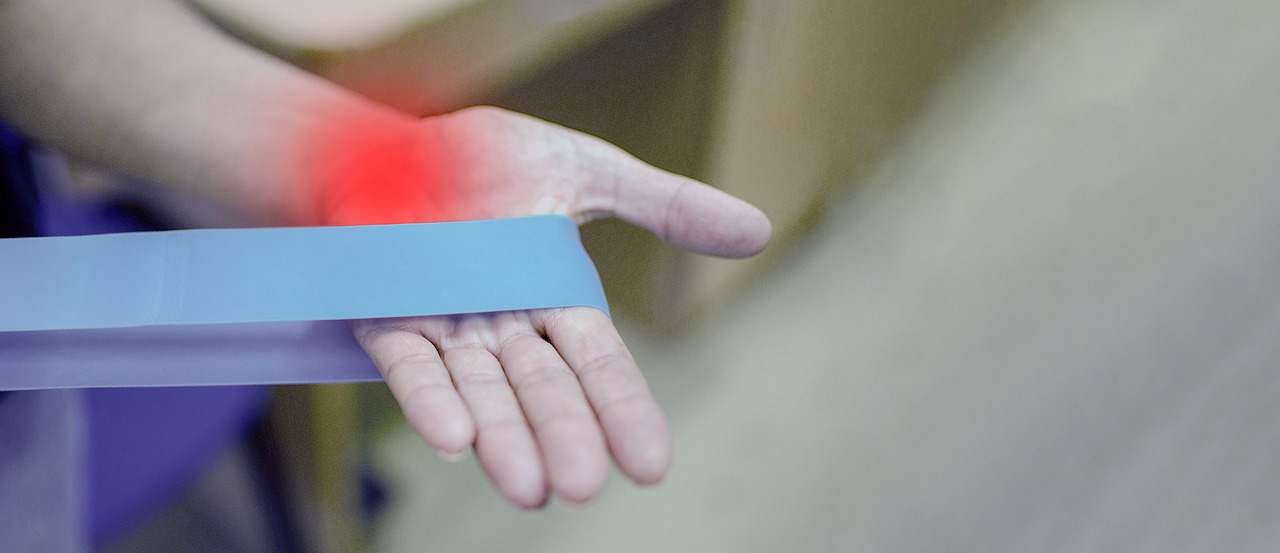
Movement rehabilitation strategies are essential for individuals with Parkinson's disease, as they help improve mobility, balance, and overall quality of life. One key concept in movement rehabilitation is neuroplasticity, which refers to the brain's ability to reorganize and adapt in response to injury or disease. This concept is crucial in developing effective rehabilitation strategies, as it allows individuals to relearn and compensate for lost motor functions.
In the context of Parkinson's disease, motor control is a critical aspect of movement rehabilitation. Motor control refers to the ability to regulate and coordinate movement, which is often impaired in individuals with Parkinson's disease. To address this, rehabilitation strategies focus on improving motor learning, which involves the process of acquiring new motor skills and adapting to changes in the motor system.
One approach to improving motor control is through the use of physical therapy, which includes exercises and activities designed to improve mobility, strength, and flexibility. Physical therapy can help individuals with Parkinson's disease to improve their gait, balance, and overall mobility, reducing the risk of falls and other complications. For example, physical therapists may use treadmill training to help individuals improve their gait and balance, or resistance exercises to strengthen muscles and improve mobility.
Another key concept in movement rehabilitation is sensory integration, which refers to the process of combining sensory information from multiple sources to guide movement. In individuals with Parkinson's disease, sensory integration is often impaired, leading to difficulties with balance and coordination. To address this, rehabilitation strategies may incorporate sensory training exercises, such as vestibular rehabilitation or proprioception training, to help individuals improve their sensory integration and overall movement control.
In addition to physical therapy and sensory training, occupational therapy is also an essential component of movement rehabilitation. Occupational therapy focuses on helping individuals with Parkinson's disease to develop the skills and strategies needed to perform daily activities and maintain independence. This may include adaptation of daily routines, such as using assistive devices or modifying the home environment to reduce fall risk.
Movement rehabilitation strategies also emphasize the importance of exercise and physical activity in improving mobility and overall health. Regular exercise can help individuals with Parkinson's disease to improve their cardiovascular fitness, reduce symptoms of depression and anxiety, and enhance overall quality of life. Examples of exercises that may be beneficial for individuals with Parkinson's disease include brisk walking, swimming, or cycling, which can be modified to accommodate individual needs and abilities.
However, movement rehabilitation strategies for Parkinson's disease also present several challenges. One of the main challenges is non-adherence to exercise and rehabilitation programs, which can reduce their effectiveness and impact on quality of life. To address this, rehabilitation strategies may incorporate behavioral interventions, such as goal-setting or motivational interviewing, to help individuals stay motivated and engaged in their rehabilitation program.
Another challenge in movement rehabilitation is individual variability, as individuals with Parkinson's disease may respond differently to various rehabilitation strategies. To address this, rehabilitation programs may incorporate personalized approaches, such as tailored exercise programs or individualized goal-setting, to help individuals achieve their unique needs and goals.
Furthermore, movement rehabilitation strategies for Parkinson's disease must also consider the progressive nature of the disease, as individuals may experience declining mobility and function over time. To address this, rehabilitation programs may incorporate long-term planning and sequential goal-setting, to help individuals adapt to changing needs and abilities.
In terms of technology, there are several innovative approaches that can support movement rehabilitation for Parkinson's disease. For example, wearable devices such as accelerometers or gyroscopes can be used to monitor movement patterns and provide feedback to individuals and clinicians. Additionally, virtual reality or exergaming can be used to provide engaging and interactive exercise experiences, enhancing motivation and adherence to rehabilitation programs.
The role of caregivers and family members is also essential in supporting movement rehabilitation for Parkinson's disease. Caregivers can provide emotional support, practical assistance, and encouragement to help individuals stay motivated and engaged in their rehabilitation program. Additionally, caregivers can help individuals to monitor and manage symptoms, such as medication management or fall prevention, to reduce the risk of complications and improve overall quality of life.
In the context of community-based rehabilitation, movement rehabilitation strategies for Parkinson's disease can be delivered in a variety of settings, such as outpatient clinics, home-based programs, or community centers. Community-based rehabilitation programs can provide individuals with access to specialized services, such as physical therapy or occupational therapy, as well as support groups and educational resources to help individuals manage their condition.
The economic burden of Parkinson's disease is also an essential consideration in movement rehabilitation. The cost of rehabilitation services, medications, and assistive devices can be substantial, and individuals may require financial assistance or insurance coverage to access necessary services. To address this, rehabilitation programs may incorporate cost-effectiveness analysis and resource allocation to help individuals and families navigate the healthcare system and access affordable care.
Finally, movement rehabilitation strategies for Parkinson's disease must also consider the psychological impact of the disease on individuals and their families. The diagnosis of Parkinson's disease can be devastating, and individuals may experience depression, anxiety, or cognitive impairment as a result of their condition. To address this, rehabilitation programs may incorporate psychological interventions, such as cognitive-behavioral therapy or support groups, to help individuals cope with the emotional and psychological aspects of their condition.
In terms of future directions, movement rehabilitation strategies for Parkinson's disease are likely to incorporate innovative technologies, such as robotics or artificial intelligence, to enhance the delivery and effectiveness of rehabilitation services. Additionally, there may be a greater emphasis on preventive care and early intervention, to help individuals with Parkinson's disease to maintain mobility and function, and reduce the risk of complications and disability.
Overall, movement rehabilitation strategies for Parkinson's disease require a comprehensive and multidisciplinary approach, incorporating physical therapy, occupational therapy, exercise, and psychological interventions to address the complex needs of individuals with the disease. By providing individuals with access to specialized services and supportive care, movement rehabilitation strategies can help to improve mobility, function, and overall quality of life, and reduce the burden of Parkinson's disease on individuals, families, and society.
The clinical application of movement rehabilitation strategies for Parkinson's disease requires careful consideration of individual needs and goals, as well as the progressive nature of the disease. Clinicians must work closely with individuals and their families to develop personalized rehabilitation plans, incorporating a range of interventions and strategies to address mobility, function, and overall well-being.
In the delivery of movement rehabilitation services, clinicians must also consider the setting and context in which services are provided. For example, community-based rehabilitation programs may be more effective for individuals who require ongoing support and monitoring, while hospital-based programs may be more suitable for individuals who require intensive rehabilitation or specialized care.
The evaluation of movement rehabilitation strategies for Parkinson's disease is also essential, to determine their effectiveness and impact on individual outcomes. Clinicians may use a range of outcome measures, such as functional assessments or quality of life questionnaires, to evaluate the effectiveness of rehabilitation strategies and identify areas for improvement.
In terms of research, there is a need for further studies to investigate the efficacy and effectiveness of movement rehabilitation strategies for Parkinson's disease. This may include randomized controlled trials or observational studies, to evaluate the impact of different rehabilitation approaches on individual outcomes and quality of life.
The translation of research findings into clinical practice is also essential, to ensure that individuals with Parkinson's disease have access to evidence-based rehabilitation services. This may involve knowledge translation initiatives, such as educational programs or clinical guidelines, to help clinicians stay up-to-date with the latest research and best practices in movement rehabilitation.
Overall, movement rehabilitation strategies for Parkinson's disease require a comprehensive and multidisciplinary approach, incorporating physical therapy, occupational therapy, exercise, and psychological interventions to address the complex needs of individuals with the disease. By providing individuals with access to specialized services and supportive care, movement rehabilitation strategies can help to improve mobility, function, and overall quality of life, and reduce the burden of Parkinson's disease on individuals, families, and society.
The complexity of Parkinson's disease requires a holistic approach to movement rehabilitation, incorporating physical, emotional, and cognitive interventions to address the multifaceted needs of individuals with the disease. This may involve interdisciplinary collaboration between clinicians, researchers, and individuals with Parkinson's disease, to develop and deliver person-centered rehabilitation services that meet the unique needs and goals of each individual.
The dynamic nature of Parkinson's disease also requires movement rehabilitation strategies to be adaptive and responsive to changing individual needs and circumstances. This may involve regular assessments and re-evaluations of individual needs and goals, as well as flexible and responsive rehabilitation plans that can be adjusted as needed.
In terms of resources, movement rehabilitation strategies for Parkinson's disease may require access to specialized equipment or technology, such as treadmills or balance systems, to support the delivery of rehabilitation services. Additionally, individuals may require financial assistance or insurance coverage to access necessary services and supports.
The role of healthcare systems in supporting movement rehabilitation for Parkinson's disease is also essential, as individuals may require access to specialized services and supportive care to manage their condition. This may involve policy initiatives or legislative changes to support the development and delivery of movement rehabilitation services, as well as education and training for clinicians and healthcare professionals to stay up-to-date with the latest research and best practices in movement rehabilitation.
Overall, movement rehabilitation strategies for Parkinson's disease require a comprehensive and multidisciplinary approach, incorporating physical therapy, occupational therapy, exercise, and psychological interventions to address the complex needs of individuals with the disease. By providing individuals with access to specialized services and supportive care, movement rehabilitation strategies can help to improve mobility, function, and overall quality of life, and reduce the burden of Parkinson's disease on individuals, families, and society.
The importance of early intervention in movement rehabilitation for Parkinson's disease cannot be overstated, as early treatment can help to slow disease progression and improve individual outcomes. This may involve screening and diagnosis of Parkinson's disease, as well as prompt referral to movement rehabilitation services.
The challenge of access to movement rehabilitation services for Parkinson's disease is also significant, as individuals may face barriers to accessing necessary services and supports. This may involve geographic barriers, such as rural or remote locations, or financial barriers, such as cost or lack of insurance coverage.
The role of telehealth in supporting movement rehabilitation for Parkinson's disease is also emerging, as virtual consultations and remote monitoring can help to improve access to rehabilitation services, particularly for individuals in rural or remote locations. This may involve video conferencing or mobile applications to support the delivery of rehabilitation services, as well as online resources and educational materials to support individual learning and self-management.
The opportunities for innovation in movement rehabilitation for Parkinson's disease are also significant, as new technologies and interventions are being developed to support the delivery of rehabilitation services. This may involve wearable devices or implantable sensors to monitor movement patterns and provide feedback to individuals and clinicians, as well as virtual reality or exergaming to provide engaging and interactive exercise experiences.
The need for standardization in movement rehabilitation for Parkinson's disease is also essential, as consistent and high-quality rehabilitation services are necessary to support individual outcomes and quality of life. This may involve clinical guidelines or best practices to support the delivery of rehabilitation services, as well as quality improvement initiatives to ensure that services are effective and efficient.
The importance of patient-centered care in movement rehabilitation for Parkinson's disease cannot be overstated, as individualized and person-centered rehabilitation plans are necessary to support individual needs and goals. This may involve shared decision-making between individuals and clinicians, as well as patient education and support to help individuals manage their condition and make informed decisions about their care.
The role of caregivers in supporting movement rehabilitation for Parkinson's disease is also essential, as family members and caregivers can provide practical assistance and emotional support to help individuals manage their condition. This may involve caregiver education and training to support caregivers in their role, as well as respite care or support groups to help caregivers manage their own needs and well-being.
The challenge of stigma in movement rehabilitation for Parkinson's disease is also significant, as individuals may face social stigma or discrimination due to their condition. This may involve public awareness campaigns or education initiatives to raise awareness and promote understanding of Parkinson's disease, as well as support groups or counseling to help individuals cope with the emotional and psychological aspects of their condition.
The importance of interdisciplinary collaboration in movement rehabilitation for Parkinson's disease cannot be overstated, as team-based care is necessary to support individual needs and goals. This may involve communication and coordination between clinicians, researchers, and individuals with Parkinson's disease, as well as collaboration with community organizations and healthcare systems to support the delivery of rehabilitation services.
The opportunities for research in movement rehabilitation for Parkinson's disease are also significant, as new studies and investigations are being conducted to improve our understanding of the disease and develop effective and innovative rehabilitation strategies. This may involve randomized controlled trials or observational studies to evaluate the impact of different rehabilitation approaches on individual outcomes and quality of life.
The need for translation of research findings into clinical practice is also essential, as evidence-based rehabilitation services are necessary to support individual outcomes and quality of life. This may involve knowledge translation initiatives, such as educational programs or clinical guidelines, to help clinicians stay up-to-date with the latest research and best practices in movement rehabilitation.
The importance of policy initiatives in supporting movement rehabilitation for Parkinson's disease cannot be overstated, as policy changes and legislative initiatives are necessary to support the development and delivery of rehabilitation services. This may involve advocacy efforts or public awareness campaigns to raise awareness and promote understanding of Parkinson's disease, as well as policy initiatives to support the development of inclusive and accessible rehabilitation services.
The role of technology in supporting movement rehabilitation for Parkinson's disease is also emerging, as new technologies and innovations are being developed to support the delivery of rehabilitation services. This may involve wearable devices or implantable sensors to monitor movement patterns and provide feedback to individuals and clinicians, as well as virtual reality or exergaming to provide engaging and interactive exercise experiences.
The challenge of access to movement rehabilitation services for Parkinson's disease is also significant, as individuals may face barriers to accessing necessary services and supports. This may involve geographic barriers, such as rural or remote locations, or financial barriers, such as cost or lack of insurance coverage.
The importance of early intervention in movement rehabilitation for Parkinson's disease cannot be overstated, as early treatment can help to slow disease progression and improve individual outcomes. This may involve screening and diagnosis of Parkinson's disease, as well as prompt referral to movement rehabilitation services.
The opportunities for innovation in movement rehabilitation for Parkinson's disease are also significant, as new technologies and interventions are being developed to support the delivery of rehabilitation services. This may involve wearable devices or implantable sensors to monitor movement patterns and provide feedback to individuals and clinicians, as well as virtual reality or exergaming to provide engaging and interactive exercise experiences.
The need for standardization in movement rehabilitation for Parkinson's disease is also essential, as consistent and high-quality rehabilitation services are necessary to support individual outcomes and quality of life. This may involve clinical guidelines or best practices to support the delivery of rehabilitation services, as well as quality improvement initiatives to ensure that services are effective and efficient.
The importance of patient-centered care in movement rehabilitation for Parkinson's disease cannot be overstated, as individualized and person-centered rehabilitation plans are necessary to support individual needs and goals. This may involve shared decision-making between individuals and clinicians, as well as patient education and support to help individuals manage their condition and make informed decisions about their care.
The role of caregivers in supporting movement rehabilitation for Parkinson's disease is also essential, as family members and caregivers can provide practical assistance and emotional support to help individuals manage their condition. This may involve caregiver education and training to support caregivers in their role, as well as respite care or support groups to help caregivers manage their own needs and well-being.
The challenge of stigma in movement rehabilitation for Parkinson's disease is also significant, as individuals may face social stigma or discrimination due to their condition. This may involve public awareness campaigns or education initiatives to raise awareness and promote understanding of Parkinson's disease, as well as support groups or counseling to help individuals cope with the emotional and psychological aspects of their condition.
The importance of interdisciplinary collaboration in movement rehabilitation for Parkinson's disease cannot be overstated, as team-based care is necessary to support individual needs and goals. This may involve communication and coordination between clinicians, researchers, and individuals with Parkinson's disease, as well as collaboration with community organizations and healthcare systems to support the delivery of rehabilitation services.
Key takeaways
- One key concept in movement rehabilitation is neuroplasticity, which refers to the brain's ability to reorganize and adapt in response to injury or disease.
- To address this, rehabilitation strategies focus on improving motor learning, which involves the process of acquiring new motor skills and adapting to changes in the motor system.
- For example, physical therapists may use treadmill training to help individuals improve their gait and balance, or resistance exercises to strengthen muscles and improve mobility.
- Another key concept in movement rehabilitation is sensory integration, which refers to the process of combining sensory information from multiple sources to guide movement.
- Occupational therapy focuses on helping individuals with Parkinson's disease to develop the skills and strategies needed to perform daily activities and maintain independence.
- Examples of exercises that may be beneficial for individuals with Parkinson's disease include brisk walking, swimming, or cycling, which can be modified to accommodate individual needs and abilities.
- To address this, rehabilitation strategies may incorporate behavioral interventions, such as goal-setting or motivational interviewing, to help individuals stay motivated and engaged in their rehabilitation program.