
Data Center Infrastructure
Data center infrastructure refers to the physical and logical components that make up a data center, including the building, electrical and mechanical systems, security systems, and IT equipment. The infrastructure is designed to support th…
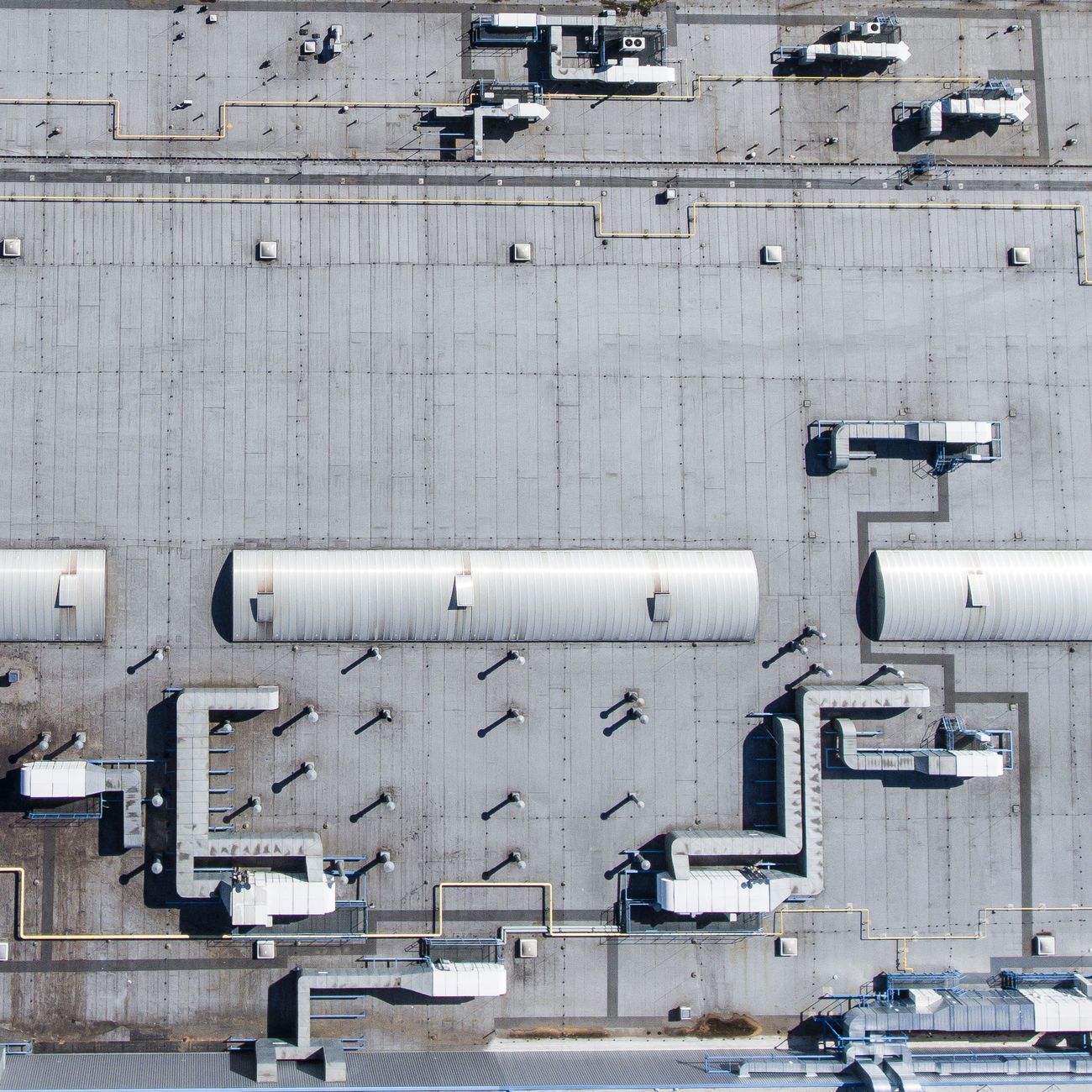
Data center infrastructure refers to the physical and logical components that make up a data center, including the building, electrical and mechanical systems, security systems, and IT equipment. The infrastructure is designed to support the operation of the data center and ensure the reliability, efficiency, and scalability of the IT equipment and services. A key component of data center infrastructure is the data center design, which includes the layout of the facility, the type and arrangement of the IT equipment, and the placement of the electrical and mechanical systems. The design of the data center should take into account the specific needs of the organization, including the type of IT equipment, the power and cooling requirements, and the anticipated growth and expansion of the data center.
The electrical system is a critical component of the data center infrastructure, providing power to the IT equipment and other systems. The electrical system includes the main electrical distribution, the uninterruptible power supply (UPS) system, and the power distribution units (PDUs). The main electrical distribution provides power from the utility grid to the data center, while the UPS system provides backup power in the event of a utility failure. The PDUs distribute power from the UPS system to the IT equipment. The power density of the data center is an important consideration, as it affects the amount of power required to support the IT equipment and the cooling requirements of the data center.
The cooling system is another critical component of the data center infrastructure, providing a controlled environment for the IT equipment. The cooling system includes the air handling units, the chillers, and the heat exchangers. The air handling units provide cooled air to the data center, while the chillers provide chilled water to the air handling units. The heat exchangers transfer heat from the chilled water to the outside air or water. The cooling capacity of the data center is an important consideration, as it affects the amount of heat that can be removed from the data center and the efficiency of the cooling system.
The security system is an important component of the data center infrastructure, providing physical and logical security for the IT equipment and data. The security system includes the access control system, the surveillance system, and the fire suppression system. The access control system controls access to the data center, while the surveillance system provides monitoring of the data center. The fire suppression system provides protection against fire and other hazards. The security of the data center is an important consideration, as it affects the confidentiality, integrity, and availability of the data and IT equipment.
The IT equipment is the primary component of the data center, including the servers, storage systems, and network equipment. The servers provide processing and storage for the data, while the storage systems provide additional storage capacity. The network equipment provides connectivity between the IT equipment and the outside world. The server architecture is an important consideration, as it affects the performance, scalability, and reliability of the IT equipment.
The data center infrastructure also includes the network infrastructure, which provides connectivity between the IT equipment and the outside world. The network infrastructure includes the local area network (LAN), the wide area network (WAN), and the internet. The LAN provides connectivity between the IT equipment in the data center, while the WAN provides connectivity between the data center and other locations. The internet provides connectivity between the data center and the outside world. The network architecture is an important consideration, as it affects the performance, scalability, and reliability of the IT equipment.
The storage systems are an important component of the data center infrastructure, providing additional storage capacity for the data. The storage systems include the direct attached storage (DAS), the network attached storage (NAS), and the storage area network (SAN). The DAS provides storage capacity for individual servers, while the NAS provides storage capacity for multiple servers. The SAN provides storage capacity for multiple servers and provides block-level access to the storage. The storage architecture is an important consideration, as it affects the performance, scalability, and reliability of the IT equipment.
The data center infrastructure also includes the management systems, which provide monitoring and control of the data center. The management systems include the data center infrastructure management (DCIM) system, the building management system (BMS), and the energy management system (EMS). The DCIM system provides monitoring and control of the IT equipment and the data center infrastructure, while the BMS provides monitoring and control of the building systems. The EMS provides monitoring and control of the energy usage of the data center. The management systems are an important consideration, as they affect the efficiency, reliability, and scalability of the data center.
The maintenance of the data center infrastructure is an important consideration, as it affects the reliability and availability of the IT equipment and services. The maintenance includes the routine maintenance, the preventive maintenance, and the corrective maintenance. The routine maintenance includes the daily and weekly tasks, such as checking the systems and performing backups. The preventive maintenance includes the monthly and quarterly tasks, such as performing upgrades and replacements. The corrective maintenance includes the tasks performed in response to a failure or issue, such as repairing or replacing equipment. The maintenance schedule is an important consideration, as it affects the downtime and availability of the IT equipment and services.
The capacity planning of the data center infrastructure is an important consideration, as it affects the scalability and reliability of the IT equipment and services. The capacity planning includes the planning for the IT equipment, the electrical and mechanical systems, and the cooling and security systems. The capacity planning should take into account the current and future needs of the organization, including the growth and expansion of the data center. The capacity planning is an important consideration, as it affects the efficiency, reliability, and scalability of the data center.
The energy efficiency of the data center infrastructure is an important consideration, as it affects the cost and environmental impact of the data center. The energy efficiency includes the efficiency of the electrical and mechanical systems, the cooling and security systems, and the IT equipment. The energy efficiency can be improved by using energy-efficient equipment, such as servers and storage systems, and by optimizing the data center design and operations. The energy efficiency is an important consideration, as it affects the cost and environmental impact of the data center.
The availability of the data center infrastructure is an important consideration, as it affects the reliability and downtime of the IT equipment and services. The availability includes the uptime and downtime of the IT equipment and services, and the mean time between failures (MTBF) and mean time to repair (MTTR). The availability can be improved by using redundant and fault-tolerant systems, and by performing routine and preventive maintenance. The availability is an important consideration, as it affects the reliability and downtime of the IT equipment and services.
The scalability of the data center infrastructure is an important consideration, as it affects the ability of the data center to grow and expand. The scalability includes the ability to add new IT equipment and services, and to increase the capacity of the electrical and mechanical systems. The scalability can be improved by using modular and flexible systems, and by planning for future growth and expansion. The scalability is an important consideration, as it affects the ability of the data center to grow and expand.
The flexibility of the data center infrastructure is an important consideration, as it affects the ability of the data center to adapt to changing needs and requirements. The flexibility includes the ability to reconfigure and repurpose the IT equipment and services, and to change the data center design and operations. The flexibility can be improved by using modular and flexible systems, and by planning for future growth and expansion. The flexibility is an important consideration, as it affects the ability of the data center to adapt to changing needs and requirements.
The data center infrastructure also includes the disaster recovery and business continuity planning, which provides a plan for recovering from a disaster or outage. The disaster recovery plan includes the procedures for recovering the IT equipment and services, and for restoring the data center operations. The business continuity plan includes the procedures for maintaining the business operations during a disaster or outage. The disaster recovery and business continuity planning is an important consideration, as it affects the ability of the organization to recover from a disaster or outage.
The compliance with regulations and standards is an important consideration, as it affects the ability of the organization to operate the data center. The compliance includes the compliance with laws and regulations, such as the Health Insurance Portability and Accountability Act (HIPAA) and the Payment Card Industry Data Security Standard (PCI DSS). The compliance also includes the compliance with industry standards, such as the Tier Classification System and the Uptime Institute's Tier Classification System. The compliance is an important consideration, as it affects the ability of the organization to operate the data center.
The cost of the data center infrastructure is an important consideration, as it affects the ability of the organization to operate the data center. The cost includes the capital expenditures (CapEx) and the operating expenditures (OpEx). The CapEx includes the cost of purchasing and installing the IT equipment and infrastructure, while the OpEx includes the cost of operating and maintaining the data center. The cost is an important consideration, as it affects the ability of the organization to operate the data center.
The environmental impact of the data center infrastructure is an important consideration, as it affects the ability of the organization to operate the data center in a sustainable and environmentally friendly manner. The environmental impact includes the energy consumption, the water usage, and the e-waste generation. The environmental impact can be reduced by using energy-efficient equipment, reducing water usage, and implementing e-waste recycling programs. The environmental impact is an important consideration, as it affects the ability of the organization to operate the data center in a sustainable and environmentally friendly manner.
The data center infrastructure also includes the telecommunications infrastructure, which provides connectivity between the data center and the outside world. The telecommunications infrastructure includes the local area network (LAN), the wide area network (WAN), and the internet. The LAN provides connectivity between the IT equipment in the data center, while the WAN provides connectivity between the data center and other locations. The internet provides connectivity between the data center and the outside world. The telecommunications infrastructure is an important consideration, as it affects the ability of the organization to communicate and operate the data center.
The cabling infrastructure is an important component of the data center infrastructure, providing connectivity between the IT equipment and the telecommunications infrastructure. The cabling infrastructure includes the copper cabling, the fiber optic cabling, and the wireless cabling. The copper cabling provides connectivity between the IT equipment and the telecommunications infrastructure, while the fiber optic cabling provides high-speed connectivity between the data center and other locations. The wireless cabling provides connectivity between the IT equipment and the telecommunications infrastructure without the use of cables. The cabling infrastructure is an important consideration, as it affects the ability of the organization to communicate and operate the data center.
The physical security of the data center infrastructure is an important consideration, as it affects the ability of the organization to protect the IT equipment and data from physical threats. The physical security includes the access control, the surveillance, and the alarm systems. The access control provides control over who can enter the data center, while the surveillance provides monitoring of the data center. The alarm systems provide notification in the event of a security breach. The physical security is an important consideration, as it affects the ability of the organization to protect the IT equipment and data from physical threats.
The logical security of the data center infrastructure is an important consideration, as it affects the ability of the organization to protect the IT equipment and data from logical threats. The logical security includes the firewalls, the intrusion detection systems, and the encryption. The firewalls provide control over who can access the data center, while the intrusion detection systems provide monitoring of the data center for malicious activity. The encryption provides protection of the data in transit and at rest. The logical security is an important consideration, as it affects the ability of the organization to protect the IT equipment and data from logical threats.
The data center infrastructure also includes the backup and recovery systems, which provide a plan for recovering from a disaster or outage. The backup systems provide a copy of the data, while the recovery systems provide a plan for restoring the data and IT equipment. The backup and recovery systems are an important consideration, as they affect the ability of the organization to recover from a disaster or outage. The backup and recovery systems are an important consideration, as they affect the ability of the organization to recover from a disaster or outage.
The training and support of the data center infrastructure is an important consideration, as it affects the ability of the organization to operate and maintain the data center. The training includes the training of the personnel, while the support includes the support from the vendors and the manufacturers. The training and support are an important consideration, as they affect the ability of the organization to operate and maintain the data center. The training and support are an important consideration, as they affect the ability of the organization to operate and maintain the data center.
The data center infrastructure is a complex system that requires careful planning, design, and operation. The infrastructure includes the physical and logical components, such as the IT equipment, the electrical and mechanical systems, the security systems, and the telecommunications infrastructure. The infrastructure also includes the management systems, the maintenance systems, and the backup and recovery systems. The infrastructure is an important consideration, as it affects the ability of the organization to operate the data center. The infrastructure is an important consideration, as it affects the ability of the organization to operate the data center.
Key takeaways
- A key component of data center infrastructure is the data center design, which includes the layout of the facility, the type and arrangement of the IT equipment, and the placement of the electrical and mechanical systems.
- The power density of the data center is an important consideration, as it affects the amount of power required to support the IT equipment and the cooling requirements of the data center.
- The cooling capacity of the data center is an important consideration, as it affects the amount of heat that can be removed from the data center and the efficiency of the cooling system.
- The security of the data center is an important consideration, as it affects the confidentiality, integrity, and availability of the data and IT equipment.
- The server architecture is an important consideration, as it affects the performance, scalability, and reliability of the IT equipment.
- The data center infrastructure also includes the network infrastructure, which provides connectivity between the IT equipment and the outside world.
- The storage architecture is an important consideration, as it affects the performance, scalability, and reliability of the IT equipment.