
Supply Chain Simulation
Supply chain simulation is a crucial aspect of the Advanced Certificate in Digital Twins in Supply Chain, as it enables organizations to analyze, design, and optimize their supply chain operations in a virtual environment. A key term in sup…
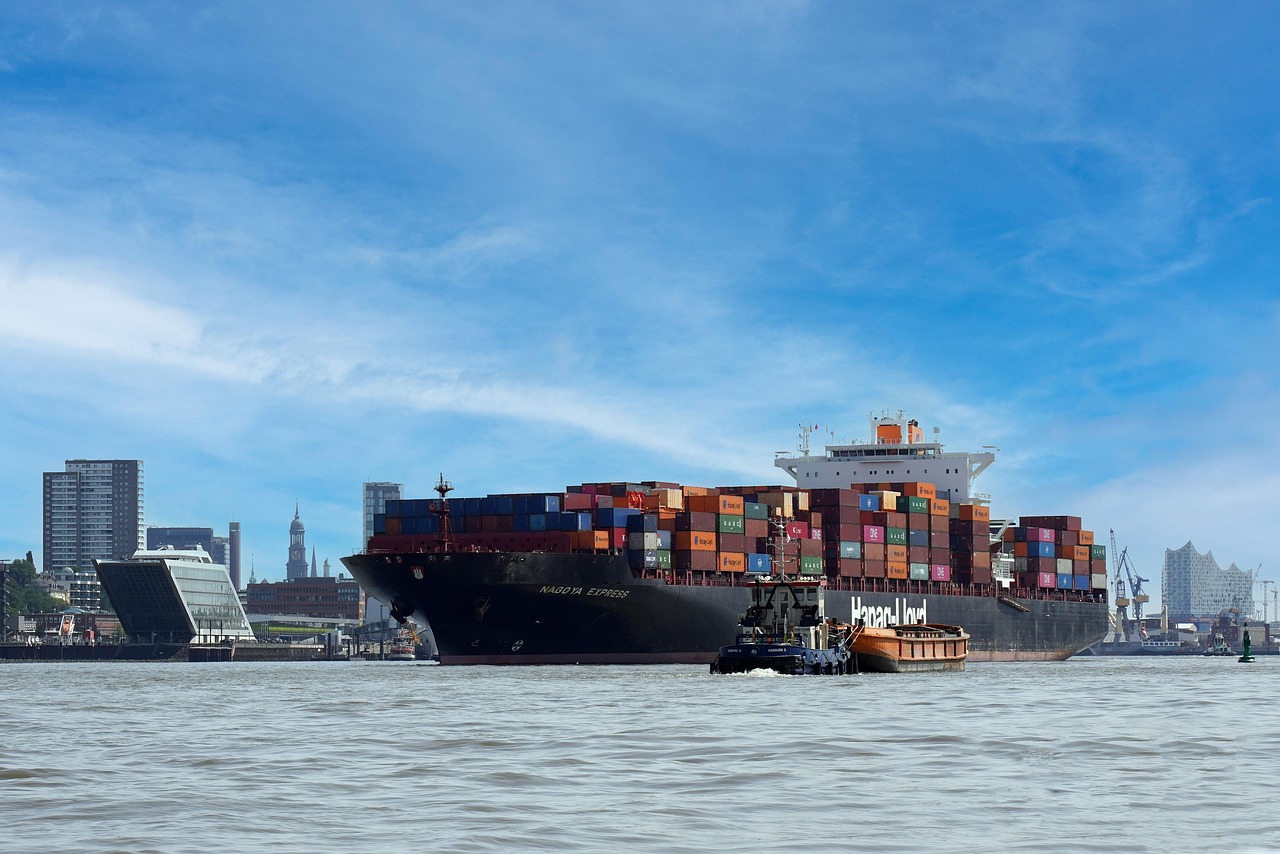
Supply chain simulation is a crucial aspect of the Advanced Certificate in Digital Twins in Supply Chain, as it enables organizations to analyze, design, and optimize their supply chain operations in a virtual environment. A key term in supply chain simulation is modeling, which involves creating a digital representation of the supply chain to analyze and predict its behavior. This can include static models that represent the supply chain at a single point in time, as well as dynamic models that simulate the supply chain over time.
Another important concept in supply chain simulation is discrete-event simulation, which models the supply chain as a series of discrete events, such as the arrival of shipments or the completion of production. This type of simulation is useful for analyzing the behavior of complex systems, such as supply chains, and identifying bottlenecks and areas for improvement. For example, a company may use discrete-event simulation to model the flow of products through its distribution network, in order to identify the most efficient routing and scheduling strategies.
Supply chain simulation also involves the use of algorithms and heuristics to optimize supply chain operations. These can include algorithms for routing and scheduling, such as the traveling salesman problem, as well as heuristics for inventory management, such as the economic order quantity (EOQ) model. The EOQ model, for example, is a widely used heuristic for determining the optimal order quantity for a product, based on factors such as demand, lead time, and holding costs.
In addition to these technical concepts, supply chain simulation also involves a deep understanding of business processes and operations. This includes knowledge of supply chain strategy, as well as the ability to analyze and optimize supply chain performance metrics, such as lead time, inventory levels, and transportation costs. For example, a company may use supply chain simulation to analyze the impact of different strategies on its supply chain operations, such as the use of just-in-time inventory management or the implementation of a drop shipping program.
One of the key challenges in supply chain simulation is the need to balance accuracy and complexity. More complex models can provide more accurate results, but they can also be more difficult to build and interpret. On the other hand, simpler models may be easier to use, but they may not capture all of the relevant factors and nuances of the supply chain. For example, a company may use a simplified model to analyze the overall structure of its supply chain, but then use a more detailed model to analyze specific components, such as the flow of products through its distribution network.
Another challenge in supply chain simulation is the need to integrate data from multiple sources, such as enterprise resource planning (ERP) systems, transportation management systems (TMS), and warehouse management systems (WMS). This can be a complex and time-consuming process, especially if the data is not in a compatible format or if it is not accurate or up-to-date. For example, a company may need to use data from its ERP system to model the demand for its products, but then use data from its TMS to model the transportation costs and lead times.
In terms of practical applications, supply chain simulation can be used in a wide range of industries and contexts. For example, a company in the retail industry may use supply chain simulation to analyze the impact of different promotions and pricing strategies on its supply chain operations. A company in the manufacturing industry may use supply chain simulation to analyze the impact of different production schedules and inventory management strategies on its supply chain operations.
Supply chain simulation can also be used to analyze the impact of disruptions and risks on the supply chain, such as natural disasters, supplier insolvency, or changes in demand. For example, a company may use supply chain simulation to analyze the impact of a hurricane on its supply chain operations, and to identify strategies for mitigating the effects of the disruption. This can include diversifying its supplier base, increasing its inventory levels, or implementing a backup transportation plan.
In addition to these applications, supply chain simulation can also be used to analyze the impact of new technologies and innovations on the supply chain, such as the use of blockchain or Internet of Things (IoT) devices. For example, a company may use supply chain simulation to analyze the impact of using blockchain to track and verify the origin and movement of its products, and to identify strategies for implementing this technology in its supply chain operations.
The use of artificial intelligence (AI) and machine learning (ML) is also becoming increasingly important in supply chain simulation. These technologies can be used to analyze large amounts of data and to identify patterns and trends that may not be apparent through other methods. For example, a company may use machine learning to analyze the demand for its products and to predict future demand, and then use this information to optimize its supply chain operations.
In terms of the benefits of supply chain simulation, it can help companies to reduce costs, improve efficiency, and increase customer satisfaction. For example, a company may use supply chain simulation to identify opportunities for cost savings, such as by consolidating shipments or reducing inventory levels. It can also be used to analyze the impact of different strategies on the supply chain, and to identify the most effective approaches for achieving business objectives.
The use of supply chain simulation can also help companies to mitigate risks and to respond to disruptions. For example, a company may use supply chain simulation to analyze the impact of a disruption on its supply chain operations, and to identify strategies for mitigating the effects of the disruption. This can include diversifying its supplier base, increasing its inventory levels, or implementing a backup transportation plan.
In addition to these benefits, the use of supply chain simulation can also help companies to improve their collaboration and communication with suppliers and customers. For example, a company may use supply chain simulation to analyze the impact of different strategies on its relationships with suppliers and customers, and to identify opportunities for improving these relationships. This can include implementing a collaborative planning, forecasting, and replenishment (CPFR) program, or using electronic data interchange (EDI) to share data with suppliers and customers.
The use of supply chain simulation can also help companies to develop more agile and responsive supply chains. For example, a company may use supply chain simulation to analyze the impact of different strategies on its supply chain operations, and to identify opportunities for improving its agility and responsiveness. This can include implementing a flexible manufacturing system, or using third-party logistics (3PL) providers to manage its transportation and warehousing operations.
In terms of the tools and techniques used in supply chain simulation, there are a wide range of software and methodologies available. For example, a company may use discrete-event simulation software, such as Arena or Simio, to model the flow of products through its distribution network. It may also use optimization software, such as CPLEX or Gurobi, to optimize its supply chain operations and to identify the most effective strategies for achieving business objectives.
The use of cloud-based simulation tools is also becoming increasingly popular, as it allows companies to access and use simulation software over the Internet, without the need for expensive hardware or software licenses. For example, a company may use a cloud-based simulation tool, such as Simulate or FlexSim, to model and analyze its supply chain operations, and to identify opportunities for improving its efficiency and effectiveness.
In addition to these tools and techniques, the use of big data and analytics is also becoming increasingly important in supply chain simulation. For example, a company may use big data analytics to analyze the demand for its products, and to predict future demand. It may also use analytics to analyze the performance of its supply chain operations, and to identify opportunities for improving its efficiency and effectiveness.
The use of Internet of Things (IoT) devices is also becoming increasingly popular in supply chain simulation, as it allows companies to track and monitor the movement of products through the supply chain in real-time. For example, a company may use IoT devices, such as RFID tags or GPS trackers, to track the movement of its products through the distribution network, and to identify opportunities for improving its supply chain operations.
In terms of the challenges and limitations of supply chain simulation, one of the main challenges is the need to balance accuracy and complexity. More complex models can provide more accurate results, but they can also be more difficult to build and interpret. On the other hand, simpler models may be easier to use, but they may not capture all of the relevant factors and nuances of the supply chain.
Another challenge is the need to integrate data from multiple sources, such as ERP systems, TMS, and WMS. This can be a complex and time-consuming process, especially if the data is not in a compatible format or if it is not accurate or up-to-date.
In addition to these challenges, the use of supply chain simulation can also be limited by the quality of the data used to build and run the models. For example, if the data is not accurate or up-to-date, the results of the simulation may not be reliable or valid.
The use of supply chain simulation can also be limited by the cost and resource requirements of the simulation software and hardware. For example, some simulation software may require expensive hardware or software licenses, which can be a barrier to adoption for some companies.
In terms of the future of supply chain simulation, it is likely that the use of artificial intelligence (AI) and machine learning (ML) will become increasingly important. For example, companies may use machine learning to analyze the demand for their products, and to predict future demand. They may also use AI to optimize their supply chain operations, and to identify the most effective strategies for achieving business objectives.
The use of cloud-based simulation tools is also likely to become increasingly popular, as it allows companies to access and use simulation software over the Internet, without the need for expensive hardware or software licenses.
In addition to these trends, the use of Internet of Things (IoT) devices is also likely to become increasingly important in supply chain simulation. For example, companies may use IoT devices, such as RFID tags or GPS trackers, to track the movement of products through the supply chain in real-time, and to identify opportunities for improving their supply chain operations.
The use of blockchain technology is also likely to become increasingly important in supply chain simulation, as it allows companies to track and verify the origin and movement of their products in a secure and transparent way. For example, a company may use blockchain to track the movement of its products through the supply chain, and to identify opportunities for improving its supply chain operations.
In terms of the skills and knowledge required to use supply chain simulation, it is likely that companies will need to have a deep understanding of supply chain operations and strategy. They will also need to have a strong understanding of mathematics and statistics, as well as the ability to use software and tools such as simulation models and optimization algorithms.
The use of supply chain simulation will also require companies to have a strong understanding of data analysis and interpretation, as well as the ability to communicate complex results and recommendations to stakeholders. This will require strong communication and collaboration skills, as well as the ability to work effectively in a team environment.
In addition to these skills and knowledge, the use of supply chain simulation will also require companies to have a strong understanding of business processes and operations. They will need to have a deep understanding of the company's supply chain operations, as well as the ability to identify opportunities for improvement and optimization.
The use of supply chain simulation will also require companies to have a strong understanding of technology and innovation, as well as the ability to stay up-to-date with the latest trends and developments in the field. This will require a strong commitment to lifelong learning and professional development, as well as the ability to adapt to changing circumstances and requirements.
In terms of the benefits of using supply chain simulation, it can help companies to reduce costs, improve efficiency, and increase customer satisfaction. It can also help companies to mitigate risks and to respond to disruptions, as well as to develop more agile and responsive supply chains.
The use of supply chain simulation can also help companies to improve their collaboration and communication with suppliers and customers, as well as to develop more effective supply chain strategies. It can also help companies to identify opportunities for innovation and improvement, as well as to develop more effective supply chain operations.
In addition to these benefits, the use of supply chain simulation can also help companies to enhance their competitiveness and market share, as well as to improve their reputation and brand image. It can also help companies to reduce their environmental impact and improve their sustainability, as well as to enhance their social responsibility and ethics.
The use of supply chain simulation can also help companies to improve their supply chain visibility and transparency, as well as to enhance their supply chain security and risk management. It can also help companies to develop more effective supply chain governance and compliance, as well as to improve their supply chain audit and assessment capabilities.
In terms of the future of supply chain simulation, it is likely that the use of artificial intelligence (AI) and machine learning (ML) will become increasingly important. The use of cloud-based simulation tools is also likely to become increasingly popular, as it allows companies to access and use simulation software over the Internet, without the need for expensive hardware or software licenses.
The use of Internet of Things (IoT) devices is also likely to become increasingly important in supply chain simulation, as it allows companies to track and monitor the movement of products through the supply chain in real-time. The use of blockchain technology is also likely to become increasingly important, as it allows companies to track and verify the origin and movement of their products in a secure and transparent way.
In addition to these trends, the use of supply chain simulation is likely to become increasingly important in a wide range of industries and contexts. For example, companies in the retail industry may use supply chain simulation to analyze the impact of different promotions and pricing strategies on their supply chain operations. Companies in the manufacturing industry may use supply chain simulation to analyze the impact of different production schedules and inventory management strategies on their supply chain operations.
The use of supply chain simulation is also likely to become increasingly important in the healthcare industry, as companies seek to improve their supply chain operations and reduce their costs. The use of supply chain simulation is also likely to become increasingly important in the food industry, as companies seek to improve their supply chain operations and reduce their costs.
In terms of the challenges and limitations of supply chain simulation, one of the main challenges is the need to balance accuracy and complexity. More complex models can provide more accurate results, but they can also be more difficult to build and interpret. On the other hand, simpler models may be easier to use, but they may not capture all of the relevant factors and nuances of the supply chain.
Another challenge is the need to integrate data from multiple sources, such as ERP systems, TMS, and WMS. This can be a complex and time-consuming process, especially if the data is not in a compatible format or if it is not accurate or up-to-date.
In addition to these challenges, the use of supply chain simulation can also be limited by the quality of the data used to build and run the models. For example, if the data is not accurate or up-to-date, the results of the simulation may not be reliable or valid.
The use of supply chain simulation can also be limited by the cost and resource requirements of the simulation software and hardware. For example, some simulation software may require expensive hardware or software licenses, which can be a barrier to adoption for some companies.
In terms of the future of supply chain simulation, it is likely that the use of artificial intelligence (AI) and machine learning (ML) will become increasingly important. The use of cloud-based simulation tools is also likely to become increasingly popular, as it allows companies to access and use simulation software over the Internet, without the need for expensive hardware or software licenses.
The use of Internet of Things (IoT) devices is also likely to become increasingly important in supply chain simulation, as it allows companies to track and monitor the movement of products through the supply chain in real-time. The use of blockchain technology is also likely to become increasingly important, as it allows companies to track and verify the origin and movement of their products in a secure and transparent way.
Key takeaways
- Supply chain simulation is a crucial aspect of the Advanced Certificate in Digital Twins in Supply Chain, as it enables organizations to analyze, design, and optimize their supply chain operations in a virtual environment.
- Another important concept in supply chain simulation is discrete-event simulation, which models the supply chain as a series of discrete events, such as the arrival of shipments or the completion of production.
- These can include algorithms for routing and scheduling, such as the traveling salesman problem, as well as heuristics for inventory management, such as the economic order quantity (EOQ) model.
- This includes knowledge of supply chain strategy, as well as the ability to analyze and optimize supply chain performance metrics, such as lead time, inventory levels, and transportation costs.
- On the other hand, simpler models may be easier to use, but they may not capture all of the relevant factors and nuances of the supply chain.
- Another challenge in supply chain simulation is the need to integrate data from multiple sources, such as enterprise resource planning (ERP) systems, transportation management systems (TMS), and warehouse management systems (WMS).
- A company in the manufacturing industry may use supply chain simulation to analyze the impact of different production schedules and inventory management strategies on its supply chain operations.