
Construction Project Management and Law
Construction Project Management and Law:
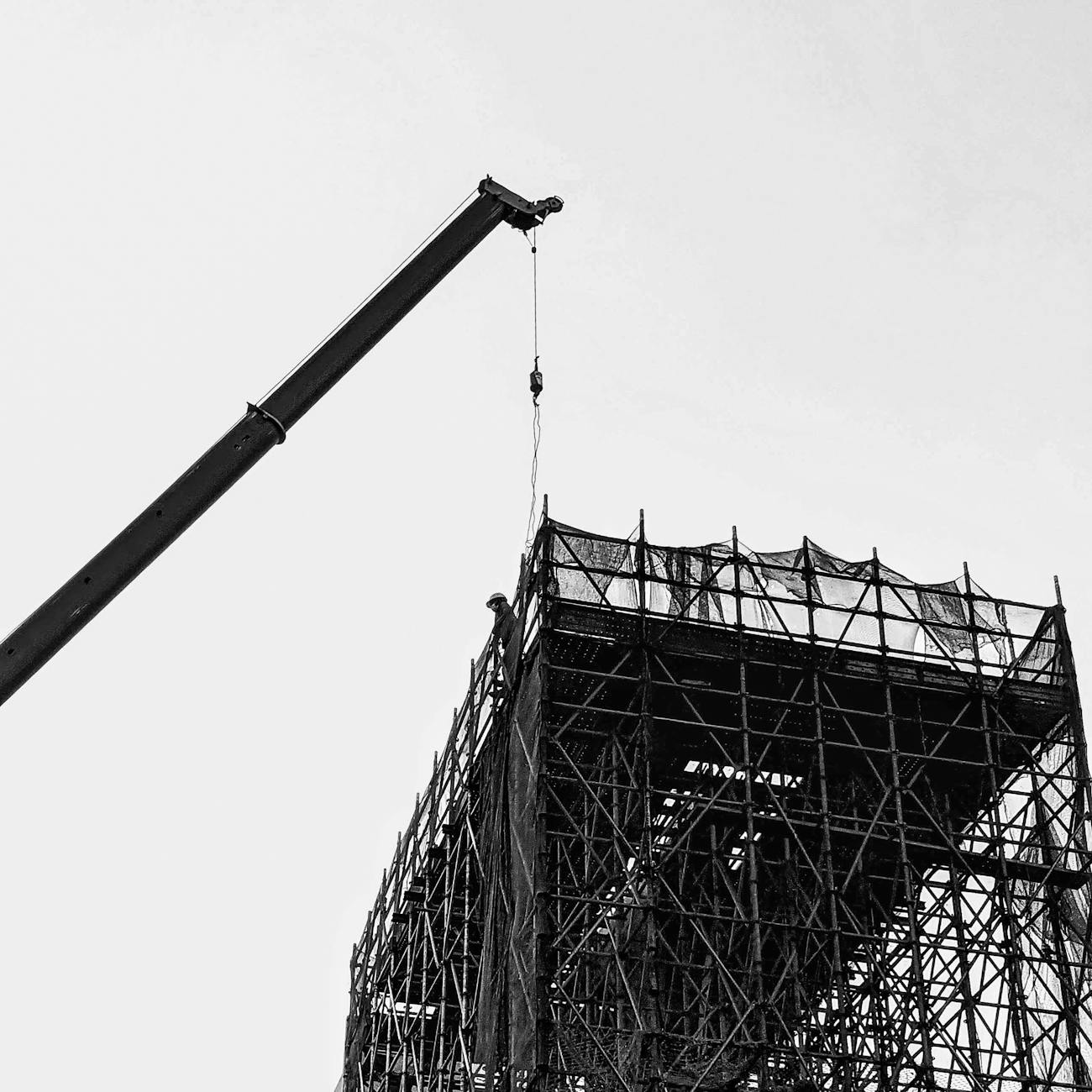
Construction Project Management and Law:
Construction project management involves the planning, coordination, and control of a project from inception to completion. It encompasses a wide range of activities, such as scheduling, budgeting, quality control, and risk management, to ensure the successful delivery of a construction project. Construction law, on the other hand, refers to the legal framework that governs the construction industry, including contracts, regulations, and dispute resolution processes.
Key Terms and Vocabulary:
1. Construction Contract: A legally binding agreement between two or more parties for the construction, alteration, repair, or demolition of a building or structure. It outlines the rights, responsibilities, and obligations of each party involved in the project.
2. Project Scope: The defined work that needs to be accomplished to deliver a project successfully. It includes the project objectives, deliverables, constraints, and assumptions.
3. Project Schedule: A timeline that outlines the sequence of activities, milestones, and deadlines for completing a construction project. It helps in tracking progress, identifying dependencies, and managing resources effectively.
4. Cost Estimation: The process of predicting the expenses associated with a construction project, including labor, materials, equipment, and overhead costs. Accurate cost estimation is crucial for budgeting and financial planning.
5. Quality Control: The process of ensuring that the construction project meets the specified standards, codes, and requirements. It involves inspections, testing, and corrective actions to maintain quality throughout the project lifecycle.
6. Risk Management: The identification, assessment, and mitigation of risks that may impact the successful completion of a construction project. It involves proactive planning to minimize the likelihood and impact of potential risks.
7. Change Order: A written document that modifies the terms of a construction contract, such as scope, schedule, or cost. Change orders are necessary when unexpected circumstances arise during the project execution.
8. Construction Claims: Formal requests for compensation or changes to the contract terms due to unforeseen events, delays, or disputes. Claims can arise from design errors, schedule changes, or contractual disagreements.
9. Dispute Resolution: The process of resolving conflicts or disagreements between parties involved in a construction project. It can be done through negotiation, mediation, arbitration, or litigation, depending on the severity of the dispute.
10. Liability: Legal responsibility for damages, losses, or injuries caused by negligence, breach of contract, or other wrongful acts. Parties can be held liable for their actions or omissions during the construction project.
11. Indemnity: A contractual provision where one party agrees to compensate the other party for losses, damages, or liabilities arising from specified events. Indemnity clauses are common in construction contracts to allocate risk between parties.
12. Insurance: Financial protection against losses, damages, or liabilities that may occur during the construction project. Types of insurance include general liability, workers' compensation, and professional indemnity insurance.
13. Performance Bond: A surety bond that guarantees the contractor will complete the project according to the contract terms. If the contractor fails to fulfill their obligations, the bond ensures that the project owner is compensated for any losses.
14. Liquidated Damages: A predetermined amount of money that the parties agree to as compensation for delays or breaches of contract. Liquidated damages provide a remedy for the non-breaching party without the need to prove actual damages.
15. Substantial Completion: The stage of a construction project where the work is sufficiently complete to be occupied or used for its intended purpose. Substantial completion triggers important milestones, such as the start of warranties and final payments.
16. Retention: The practice of withholding a portion of the contract payment until the construction project is completed and accepted by the owner. Retention is used as a form of security to ensure that the contractor fulfills their obligations.
17. Defects Liability Period: A specified period after project completion during which the contractor is responsible for correcting any defects or deficiencies in the work. The defects liability period protects the owner from faulty workmanship or materials.
18. Adjudication: A dispute resolution process where an independent adjudicator reviews the parties' arguments and issues a binding decision. Adjudication is commonly used in construction disputes to resolve issues quickly and cost-effectively.
19. Force Majeure: An unforeseeable event or circumstance that prevents one or both parties from fulfilling their contractual obligations. Force majeure events may include natural disasters, strikes, or government actions beyond the parties' control.
20. Retention of Title: A legal clause that allows a supplier to retain ownership of the goods until they are paid in full. Retention of title clauses protect suppliers from non-payment or insolvency of the buyer.
Practical Applications:
Understanding key terms and vocabulary in construction project management and law is essential for professionals working in the construction industry. For example, a project manager needs to be familiar with construction contracts, project scope, and risk management to effectively plan and execute a construction project. Similarly, a construction lawyer must have a thorough knowledge of dispute resolution, liability, and indemnity to provide legal advice and representation to clients.
Challenges may arise when dealing with complex construction projects that involve multiple stakeholders, stringent regulations, and tight deadlines. Project managers and legal professionals must navigate these challenges by applying their expertise in project management and construction law to mitigate risks, resolve disputes, and ensure successful project delivery.
Conclusion:
Construction project management and law are interconnected disciplines that play a crucial role in the successful completion of construction projects. By mastering key terms and vocabulary in these fields, professionals can enhance their knowledge, skills, and competencies to excel in the dynamic and challenging construction industry. Continuous learning and professional development are essential for staying abreast of industry trends, regulations, and best practices in construction project management and law.
Key takeaways
- Construction law, on the other hand, refers to the legal framework that governs the construction industry, including contracts, regulations, and dispute resolution processes.
- Construction Contract: A legally binding agreement between two or more parties for the construction, alteration, repair, or demolition of a building or structure.
- Project Scope: The defined work that needs to be accomplished to deliver a project successfully.
- Project Schedule: A timeline that outlines the sequence of activities, milestones, and deadlines for completing a construction project.
- Cost Estimation: The process of predicting the expenses associated with a construction project, including labor, materials, equipment, and overhead costs.
- Quality Control: The process of ensuring that the construction project meets the specified standards, codes, and requirements.
- Risk Management: The identification, assessment, and mitigation of risks that may impact the successful completion of a construction project.