
International Trade Regulations
Chloe: Welcome to the London School of Business and Administration podcast—where breakthrough ideas meet real-world impact. I'm Chloe, and today we're diving into International Trade Regulations—the one concept that quietly shapes everythin…
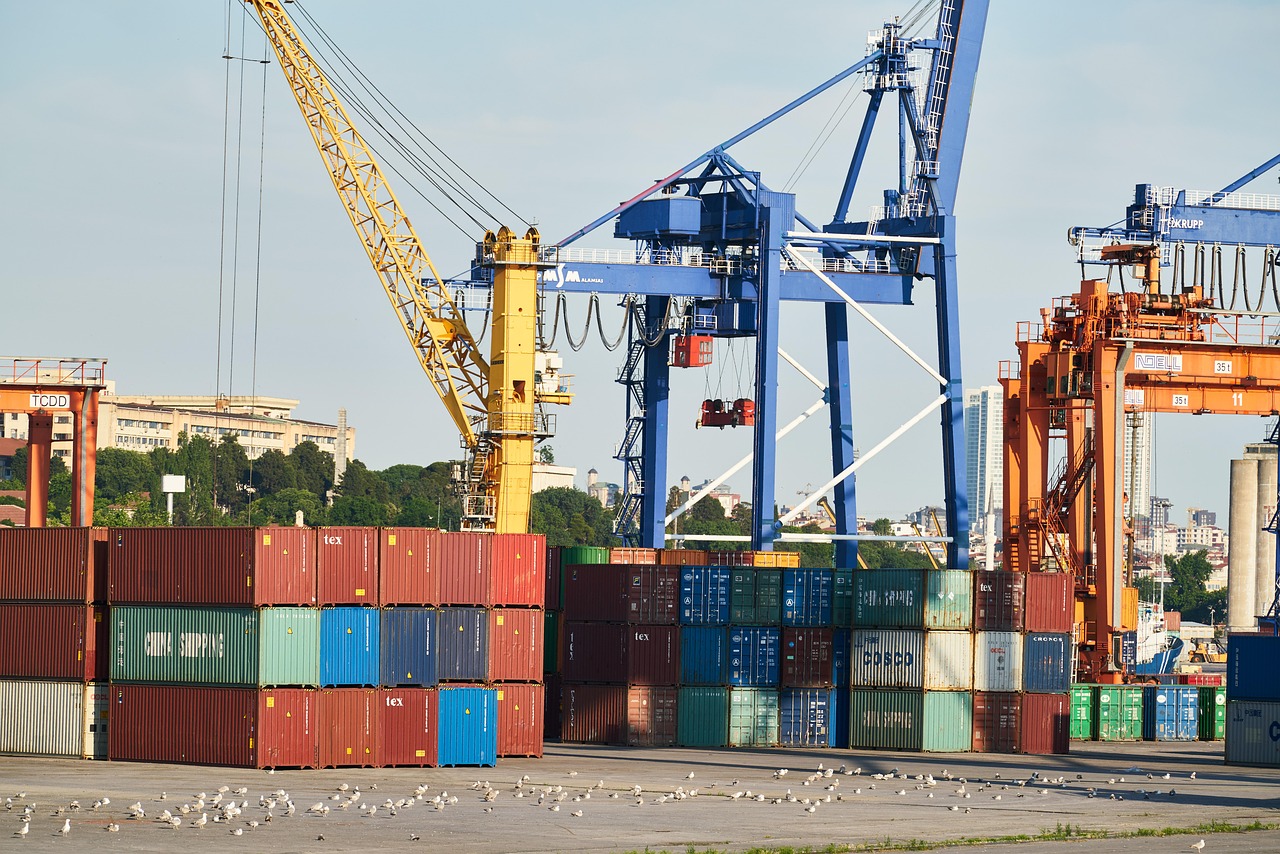
Photo from Pexels
Chloe: Welcome to the London School of Business and Administration podcast—where breakthrough ideas meet real-world impact. I'm Chloe, and today we're diving into International Trade Regulations—the one concept that quietly shapes everything from boardroom decisions to your daily workflow. Chloe: Have you ever wondered why a simple customs paperwork error can stall a multimillion‑pound shipment for weeks? Rohan: That's a great hook, Chloe. International trade rules have been evolving for centuries, from the ancient Silk Road tariffs to today's complex EU‑UK customs regime. Understanding that evolution helps us see why compliance isn’t just a checkbox—it’s a strategic advantage. Imani: I felt that first‑hand last quarter when our client missed a critical Incoterms deadline and the cargo got held at Dover. It cost them over £30,000 in demurrage. Chloe: Ouch. So, for our listeners in the Postgraduate Certificate in UK Trade Compliance and Risk Management (Advanced), what’s the biggest misconception about these regulations? Rohan: Many think compliance is static, but it’s a living system. Take the UK’s departure from the EU: the rules of origin, licensing, and even valuation methods shifted overnight. If you’re not monitoring the policy horizon, you’ll be caught off guard. Imani: Exactly. In my role as a trade operations manager, I once assumed the UK’s new Export Control Order would mirror the old EU framework. I filed an export license under the wrong classification, and the goods were seized for three days. The lesson? Always verify the jurisdiction‑specific version of each regulation. Chloe: That’s a vivid example. How do you build a framework that catches those shifts before they become costly mistakes? Rohan: I like to think of it as a three‑layer filter. First, a regulatory intelligence feed—subscriptions to official HMRC updates, the Department for International Trade bulletins, and EU trade notices. Second, a risk‑scoring matrix that flags high‑impact changes based on product category, destination, and trade volume. Third, an internal audit cadence—quarterly reviews that cross‑check your master data against the latest rules. Imani: When we implemented that matrix, we discovered that a small batch of electronic components we exported to the US fell under a new anti‑boycott provision. We re‑routed the shipment through a compliant channel and avoided a potential fine of up to £200,000. Chloe: That’s impressive. For listeners just starting the unit on International Trade Regulations, what’s a practical first step they can take today? Rohan: Map your supply chain end‑to‑end and annotate each node with the applicable regulatory regime—UK, EU, US, or others. Visualizing where each rule applies makes gaps obvious. Imani: And then run a “regulation sanity check” on each node. Ask: Do we have the correct HS code? Are we using the right Incoterm? Is there a licensing requirement? If any answer is “I’m not sure,” flag it for immediate review. Chloe: Speaking of HS codes, they seem like a minor detail but cause major headaches. Any tips on mastering them? Rohan: Treat HS codes as the DNA of your product. Use the official UK Trade Tariff tool, but also cross‑reference with the World Customs Organization’s database. Remember, a single digit change can shift duty rates dramatically. Imani: I once entered an HS code one digit off for a batch of medical devices. The duty jumped from 0% to 12%, and we had to renegotiate the contract on the fly. After that, we set up a double‑verification step with our logistics partner before any filing. Chloe: That double‑verification step sounds like a simple yet powerful safeguard. What are common pitfalls that even seasoned professionals fall into? Rohan: Overreliance on automated systems without human oversight. Software can flag mismatches, but it can’t interpret nuanced policy exceptions. Imani: I learned that the hard way when our automated compliance platform missed a temporary export restriction on certain dual‑use goods. We shipped anyway, and the authorities issued a stop‑order. The cost of the recall was far higher than the time we would have spent a manual check. Chloe: So a balanced approach—technology plus expert judgment—is key. Looking ahead, how do you see international trade regulations evolving in the next five years? Rohan: I foresee greater digitalization—e‑certificates, blockchain‑based proof of origin, and AI‑driven risk analytics. But with that comes new data‑privacy regulations intersecting with customs data, so compliance teams will need to be versed in both trade law and data law. Imani: And from a practitioner’s viewpoint, I expect more collaborative compliance ecosystems. Companies will share vetted trade data through secure platforms, reducing duplication of effort and cutting down on errors. Chloe: That vision is both exciting and a reminder that staying ahead requires continuous learning. Before we wrap up, could each of you share one takeaway you’d like our listeners to remember? Rohan: Understand that regulations are dynamic; embed a proactive intelligence loop into your compliance process. Imani: Never skip the human double‑check, especially for high‑value or high‑risk shipments—your gut can catch what a system misses. Chloe: And for our audience, remember that mastering International Trade Regulations isn’t just about avoiding penalties; it’s about unlocking smoother market entry and stronger competitive advantage. Chloe: If this resonated, share it with one person who needs to hear it—and hit subscribe so you never miss an episode that moves you forward. Thanks for joining us on the London School of Business and Administration podcast. Until next time, stay compliant and keep thriving.
Key takeaways
- Chloe: And for our audience, remember that mastering International Trade Regulations isn’t just about avoiding penalties; it’s about unlocking smoother market entry and stronger competitive advantage.