
Emotional Awareness and Facial Cues
Chloe: Welcome to the London School of Business and Administration podcast—where breakthrough ideas meet real-world impact. I'm Chloe, and today we're diving into Emotional Awareness and Facial Cues—the one concept that quietly shapes every…
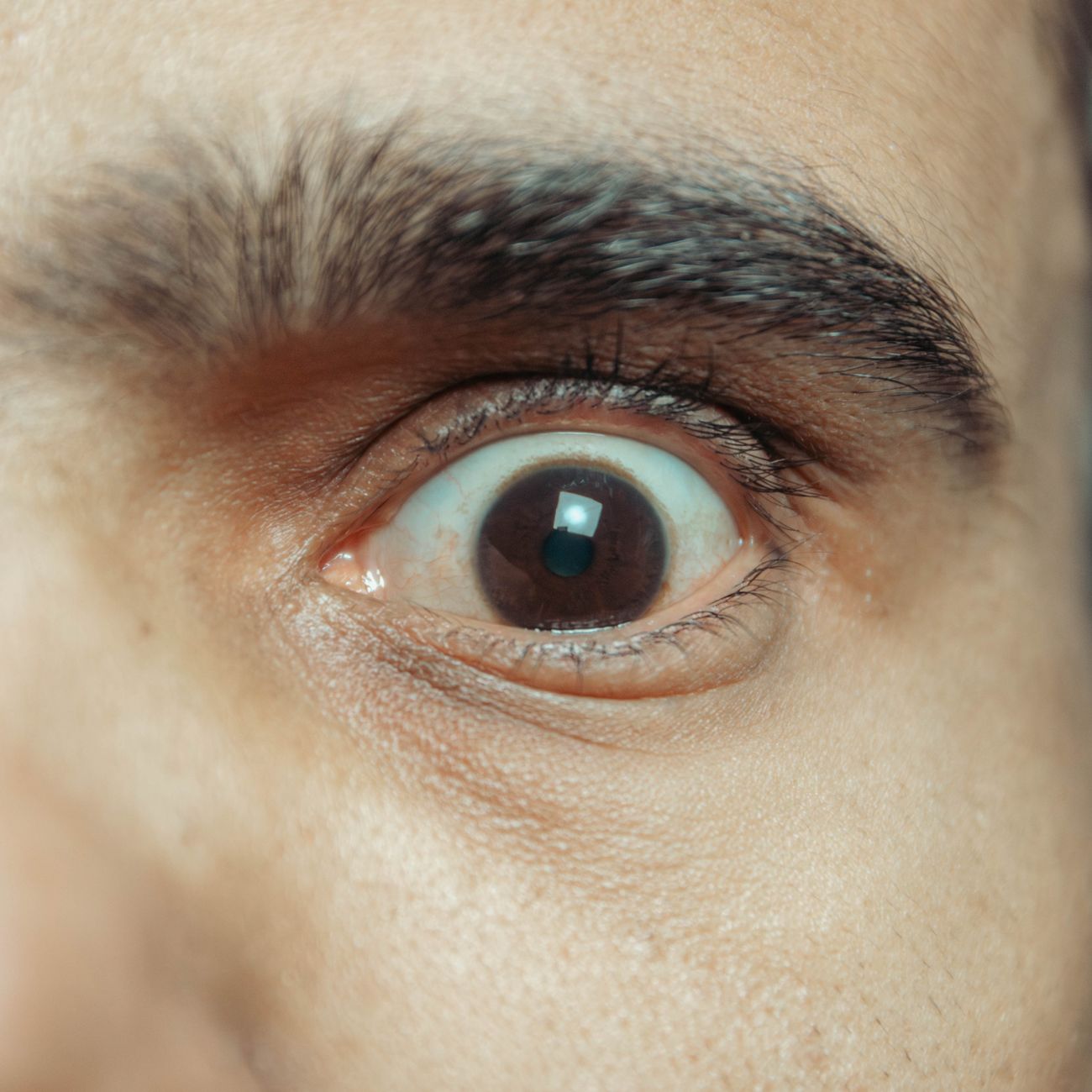
Photo from Pexels
Chloe: Welcome to the London School of Business and Administration podcast—where breakthrough ideas meet real-world impact. I'm Chloe, and today we're diving into Emotional Awareness and Facial Cues—the one concept that quietly shapes everything from boardroom decisions to your daily workflow.
Chloe: Here is a question to start us off: Have you ever walked into a meeting where everyone was smiling, but you had a gut feeling that something was seriously wrong?
Rohan: Oh, absolutely. It’s that uncanny valley of corporate politeness. You see the smiles, the nods, the handshakes, but the air is thick with tension. It’s like trying to read a map where the landmarks have been moved.
Maya: I experienced that exact scenario last quarter. We were closing a deal with a potential partner. They were nodding along to every point I made, smiling broadly, even leaning in. I thought we had them. But later, I realized their eyes never crinkled at the corners. Their smile didn’t reach their eyes. It was a polite mask, not genuine engagement. We lost the contract two weeks later because they had serious reservations they never voiced.
Rohan: That is a classic example of the Duchenne smile versus a non-Duchenne smile. In the history of facial expression analysis, Paul Ekman’s work in the nineteen seventies really cemented the idea that genuine happiness involves the orbicularis oculi muscle, which pulls the skin at the corners of the eyes. When that muscle isn’t engaged, it’s often a social signal, not an emotional one.
Maya: I learned this the hard way. I was so focused on my pitch and my data that I completely missed the micro-expressions flashing across their faces. I saw a brief flash of disgust when I mentioned the timeline, but I brushed it off because they were still smiling. If I had paused then, I might have uncovered the real issue.
Chloe: So, for listeners who are new to this, how do we actually spot these micro-expressions? They seem to happen so fast.
Rohan: That’s the challenge. Micro-expressions last between a quarter of a second and a fifth of a second. You can’t consciously analyze them in real-time without training. However, you can train your peripheral awareness. Instead of staring directly at someone’s mouth, which can feel aggressive, look at the space between their eyes. This allows you to catch the subtle tightening of the brow or the widening of the eyes without being obvious.
Maya: I started practicing this by watching old interviews on mute. I’d pause the video and try to identify the emotion before the person spoke. It’s surprisingly difficult but incredibly rewarding. It changes how you listen. You stop hearing just the words and start hearing the context.
Chloe: That’s a fantastic tip. But let’s talk about the pitfalls. What happens if you misinterpret a cue?
Maya: I once assumed a client was bored because they were looking down and had a flat affect. I rushed through my presentation to get it over with, which was a huge mistake. Later, I found out they were just deeply processing complex information. In some cultures, looking down is a sign of respect and deep thought, not disinterest.
Rohan: That is a crucial point. Cultural context is everything. While some facial expressions are universal, like fear or surprise, the display rules vary wildly. In East Asian cultures, for instance, there is often a higher emphasis on maintaining group harmony, which can lead to more restrained facial expressions. In contrast, Mediterranean or Latin American cultures might display emotions more overtly. You have to calibrate your baseline for each individual.
Chloe: So, we need to establish a baseline before we start analyzing?
In East Asian cultures, for instance, there is often a higher emphasis on maintaining group harmony, which can lead to more restrained facial expressions.
Rohan: Exactly. Observe how a person looks when they are relaxed and neutral. Then, look for deviations from that baseline. A slight furrow of the brow might be normal for someone, but for another person, it signals confusion or concern. Context is king.
Maya: And don’t forget the body. The face doesn’t operate in a vacuum. If someone is saying yes, but their arms are crossed and their feet are pointed toward the door, there is a disconnect. That incongruence is where the truth usually hides.
Chloe: That makes so much sense. It’s about the whole package, not just a snapshot of the face.
Rohan: Precisely. Emotional intelligence isn’t about mind-reading; it’s about empathy and observation. It’s about creating a safe space where people feel comfortable expressing their true emotions, rather than hiding behind social masks.
Maya: Since I started applying these principles, my team dynamics have improved drastically. I catch frustration early, before it boils over. I can ask, "I notice you seem hesitant about this timeline, can we talk about it?" instead of waiting for a crisis. It builds trust.
Chloe: That is powerful. It shifts the dynamic from reactive to proactive.
Rohan: And it empowers you. When you understand the language of the face, you are no longer at the mercy of miscommunication. You can navigate conflicts with greater clarity and compassion.
Maya: It’s also made me more self-aware. I catch myself masking my own stress. Now, I’m more honest about my limitations and needs, which has actually made me a more effective leader.
Chloe: I love that. It’s not just about reading others; it’s about being authentic yourself.
Rohan: Well said. The goal is connection, not control.
Maya: Exactly. It’s about seeing the human behind the role.
Chloe: That is a beautiful way to put it. If this resonated, share it with one person who needs to hear it—and hit subscribe so you never miss an episode that moves you forward.
Key takeaways
- I'm Chloe, and today we're diving into Emotional Awareness and Facial Cues—the one concept that quietly shapes everything from boardroom decisions to your daily workflow.
- Chloe: Here is a question to start us off: Have you ever walked into a meeting where everyone was smiling, but you had a gut feeling that something was seriously wrong?
- You see the smiles, the nods, the handshakes, but the air is thick with tension.
- We lost the contract two weeks later because they had serious reservations they never voiced.
- In the history of facial expression analysis, Paul Ekman’s work in the nineteen seventies really cemented the idea that genuine happiness involves the orbicularis oculi muscle, which pulls the skin at the corners of the eyes.
- I was so focused on my pitch and my data that I completely missed the micro-expressions flashing across their faces.
- Chloe: So, for listeners who are new to this, how do we actually spot these micro-expressions?