
Principles of Technical Writing for Surveyors
Chloe: Welcome to the London School of Business and Administration podcast—where breakthrough ideas meet real-world impact. I'm Chloe, and today we're diving into Principles of Technical Writing for Surveyors—the one concept that quietly sh…
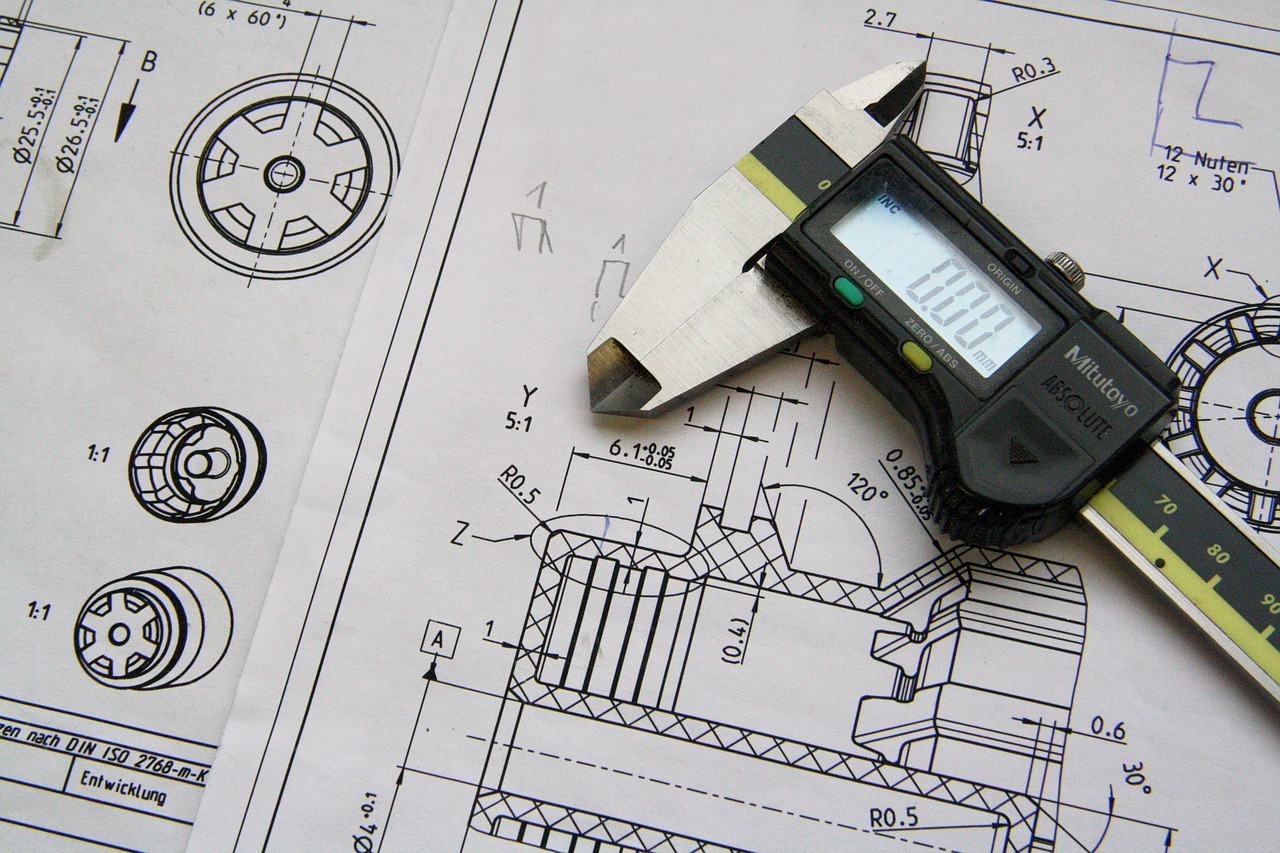
Photo from Pexels
Chloe: Welcome to the London School of Business and Administration podcast—where breakthrough ideas meet real-world impact. I'm Chloe, and today we're diving into Principles of Technical Writing for Surveyors—the one concept that quietly shapes everything from boardroom decisions to your daily workflow.
Rohan: That is such a crucial point, Chloe. We often think of surveying as purely about numbers, coordinates, and physical boundaries, but the report is actually where the value is realized.
Imani: Exactly. I remember early in my career, I spent three days on a complex boundary dispute, getting every measurement down to the millimeter. I felt like a genius. Then I wrote the report. And honestly? It was a mess. Dense paragraphs, jargon everywhere. The client called me two days later, not to thank me, but to ask if I was sure about the north line because he was confused by my description. I was devastated.
Rohan: That is a classic case of the "curse of knowledge," Imani. You know the terrain so intimately that you forget the reader doesn't have your mental map. Historically, surveying reports were quite narrative, almost like legal storytelling. But as technology evolved, the expectation shifted. Clients don't just want the story; they want the data presented in a way that is immediately actionable.
Imani: Right. And I learned that the hard way. I thought being thorough meant including every single observation. I included notes about the weather, the condition of the old fence posts, even the fact that the dog next door was barking. I thought it added context. But it just added noise.
Chloe: That’s a great example of clutter. So, how do we strip that away without losing the necessary detail? What’s the framework for clarity?
Rohan: Think of it like a pyramid. The most critical information—the conclusion, the recommendation, the definitive boundary line—must be at the top. In technical writing for surveyors, we use the BLUF method: Bottom Line Up Front. Don't make the reader hunt for the answer. State the finding first, then provide the evidence.
Imani: I started using that after my fence post disaster. Now, my executive summary is literally half a page. It says: Here is the boundary, here is the area, here is the encroachment. If they need to know why the dog was barking, they can look in the appendix. But usually, they don't care. They care about where they can build their extension.
Chloe: So, structure is key. But what about tone? Surveying is a precise science, but the audience might be a homeowner who is stressed about their property value. How do we balance precision with empathy?
Rohan: Precision does not mean coldness. In fact, clear writing is the most empathetic form of communication because it reduces anxiety. When a client reads a report that is confusing, they assume there is a problem with the property. When it is clear, they feel secure. Use active voice. Instead of saying "The boundary was determined by the surveyor," say "We established the boundary." It takes ownership and builds trust.
Imani: I love that. "We established." It sounds confident. I used to write passive sentences to sound more formal, thinking it made me look more professional. But actually, it just made me look distant. Now, I imagine I’m sitting across from the client, explaining it over coffee. If I wouldn’t say "The aforementioned coordinates were subsequently verified," I don’t write it.
" Say "Figure 1 illustrates the three-meter setback from the main road, which is critical for your planning permission.
Chloe: That’s a fantastic rule of thumb. Write how you speak, but with more precision. Let’s talk about visuals. Surveyors produce maps and diagrams. How do those fit into the writing?
Rohan: The text and the visuals must be in dialogue. Never refer to a figure without explaining what the reader is looking at. Don't just say "See Figure 1." Say "Figure 1 illustrates the three-meter setback from the main road, which is critical for your planning permission." The text guides the eye.
Imani: And I’ve seen so many reports where the map is tiny and blurry. Or the labels overlap. If you can’t read the map, the report fails. I now dedicate as much time to formatting the diagrams as I do to the field work. It’s part of the deliverable.
Chloe: It really is. It’s the final polish. Before we wrap up, what is one common mistake you see surveyors making today that they could avoid with better writing habits?
Rohan: Assuming the reader knows the abbreviations. We use so many acronyms in our field. If you use a specific term, define it once, or use plain English. "Easement" is fine, but if you’re writing for a general public, explain what that means for their right to build.
Imani: And don’t hide bad news. If there’s a title defect or a boundary overlap, don’t bury it in paragraph four. Highlight it. Being transparent builds credibility. I used to try to soften the blow with vague language. Now, I state the issue clearly, then offer the solution. It shows competence.
Chloe: That’s powerful. Transparency as a tool for trust. Imani, how has changing your writing style changed your business?
Imani: It’s reduced my revision requests by almost eighty percent. Clients understand what they’re paying for and why. They feel heard. It’s made my life so much easier because I’m not chasing down confused emails.
Rohan: And it elevates the profession. When surveyors communicate clearly, we are seen as strategic partners, not just technicians with measuring tapes.
Chloe: I love that vision. Strategic partners. It reminds us that our words carry as much weight as our measurements. If this resonated, share it with one person who needs to hear it—and hit subscribe so you never miss an episode that moves you forward.
Key takeaways
- I'm Chloe, and today we're diving into Principles of Technical Writing for Surveyors—the one concept that quietly shapes everything from boardroom decisions to your daily workflow.
- We often think of surveying as purely about numbers, coordinates, and physical boundaries, but the report is actually where the value is realized.
- The client called me two days later, not to thank me, but to ask if I was sure about the north line because he was confused by my description.
- Clients don't just want the story; they want the data presented in a way that is immediately actionable.
- I included notes about the weather, the condition of the old fence posts, even the fact that the dog next door was barking.
- So, how do we strip that away without losing the necessary detail?
- The most critical information—the conclusion, the recommendation, the definitive boundary line—must be at the top.