
Foundations of Infection Prevention
Chloe: Welcome to the London School of Business and Administration podcast—where breakthrough ideas meet real-world impact. I'm Chloe, and today we're diving into Foundations of Infection Prevention—the one concept that quietly shapes every…
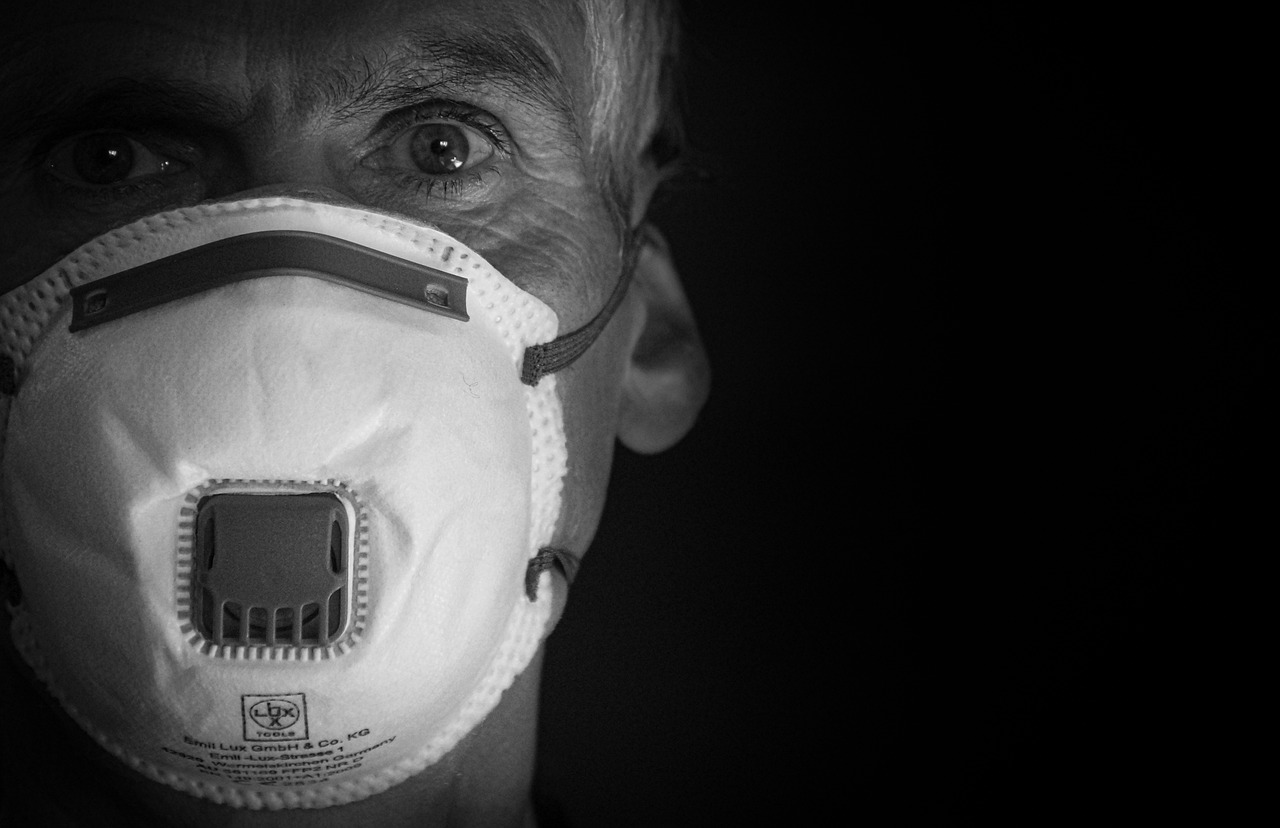
Photo from Pexels
Chloe: Welcome to the London School of Business and Administration podcast—where breakthrough ideas meet real-world impact. I'm Chloe, and today we're diving into Foundations of Infection Prevention—the one concept that quietly shapes everything from boardroom decisions to your daily workflow.
Rohan: That is such a powerful opening, Chloe. It really highlights how invisible yet critical this field is.
Chloe: Exactly. But before we get into the heavy theory, I have to ask: when was the last time you thought about the air you breathed in a hospital hallway? Or the door handle you just touched?
Priya: Oh, I think about it constantly. Honestly, it’s terrifying if you stop to think about it. We walk into a clinical setting, and we assume safety is the default. But what if it’s not?
Rohan: That’s the perfect hook. It forces us to realize that infection prevention isn’t just about gloves and gowns. It’s about understanding the invisible ecosystem we operate in. To really grasp this, we have to look back. It wasn’t always this way. In the 19th century, surgeons wore their regular street clothes, covered in blood, and went straight to the next patient. The mortality rates were astronomical.
Priya: I remember reading that. It’s wild to think that we used to blame "bad air" or miasma for infections. It took Ignaz Semmelweis to show that washing hands with chlorinated lime solutions drastically reduced mortality rates among childbearing women.
Rohan: Precisely. And even then, he was ridiculed. The evolution from miasma theory to germ theory was a battle for scientific truth. Today, we know that pathogens are opportunistic. They are waiting for a breach in our defenses. That’s why the foundation of infection prevention is not just hygiene; it’s understanding transmission dynamics.
Priya: I actually saw this play out last quarter when we had a sudden spike in MRSA cases in our surgical ward. At first, we thought it was a staffing issue. We were tired, maybe rushed. But it turned out to be a breakdown in our environmental cleaning protocol.
Chloe: That sounds intense. How did you figure that out?
Priya: It was painful. We had to stop and look at the data. We realized that the cleaning staff was skipping certain high-touch surfaces because the schedule was unrealistic. We were blaming the clinicians for not washing hands, but the environment itself was contaminated. It was a classic case of looking at the symptom rather than the system.
Rohan: That is a textbook example of why we need a systems-based approach. In the Foundations of Infection Prevention unit, we emphasize that human error is inevitable. You cannot rely on perfect compliance from exhausted staff. You need to design systems that make the safe choice the easy choice.
Priya: I learned this the hard way when I tried to enforce a new hand hygiene protocol without consulting the floor nurses. I thought, "If I just write it down, they’ll do it." I was wrong. They resented it. They found workarounds. It wasn’t until we sat down with them, asked where the sinks were inconvenient, and moved the dispensers, that compliance actually went up.
Chloe: So, the mistake wasn’t the protocol itself, but the implementation?
Priya: Exactly. I treated it as a compliance issue rather than a workflow issue. I assumed resistance was laziness, but it was actually friction. Once we removed the friction, the behavior changed.
Rohan: And that brings us to the core framework we teach at LSBA. It’s about the chain of infection. You have the infectious agent, the reservoir, the portal of exit, the mode of transmission, the portal of entry, and the susceptible host. To prevent infection, you only need to break one link in that chain.
Chloe: That’s a really empowering way to look at it. It’s not about doing everything perfectly; it’s about identifying the weakest link.
Rohan: Yes. In Priya’s case, the link was the portal of entry or the reservoir in the environment. By improving cleaning, they broke the chain. If they had just focused on hand hygiene, they might have missed the environmental reservoir entirely.
Priya: And that’s the lesson. You have to be holistic. I used to think my job was just to monitor hand hygiene. Now I see myself as a detective. I look for where the chain is holding strong and where it’s fraying.
So, for someone listening who is just starting their Professional Certificate in Infection Control Quality Improvement, what is the one thing they should take away from this conversation?
Chloe: I love that analogy. A detective. It makes it feel active and investigative rather than just administrative.
Rohan: It is. And it’s evolving. With the rise of antimicrobial resistance, the stakes are higher than ever. We are entering a post-antibiotic era if we aren’t careful. Infection prevention is the last line of defense.
Priya: It really changes your perspective on your daily workflow. Now, when I walk into a room, I don’t just see patients. I see potential pathways. I see where a droplet might land. I see where a contact transmission might occur. It’s almost like seeing the matrix.
Chloe: That’s a great visual. So, for someone listening who is just starting their Professional Certificate in Infection Control Quality Improvement, what is the one thing they should take away from this conversation?
Rohan: Understand that prevention is proactive, not reactive. Don’t wait for an outbreak to fix your processes. Build resilience into your systems from day one.
Priya: And listen to the people on the front lines. They know where the cracks are. Your best data isn’t in a report; it’s in the hallway conversations.
Chloe: Those are powerful takeaways. It’s clear that infection prevention is a blend of science, psychology, and systems thinking.
Rohan: Absolutely. It’s about creating a culture where safety is shared, not just mandated.
Priya: And where mistakes are seen as learning opportunities, not failures. That shift in mindset is what truly drives quality improvement.
Chloe: I’m going to hold onto that. Mistakes as learning opportunities. It’s a reminder that we’re all human, and our systems need to reflect that.
Rohan: Well said. It’s about building a safety net that catches us when we slip.
Priya: And making sure that net is strong enough to hold the weight of the responsibility we carry.
Chloe: That is a beautiful way to put it. Thank you both for sharing your insights and stories. It’s clear that the Foundations of Infection Prevention are not just about rules; they’re about protecting people through smart, compassionate design.
Rohan: My pleasure, Chloe. It’s a vital conversation.
Priya: Thanks for having me. It’s always good to reflect on these lessons.
Chloe: If this resonated, share it with one person who needs to hear it—and hit subscribe so you never miss an episode that moves you forward.
Key takeaways
- I'm Chloe, and today we're diving into Foundations of Infection Prevention—the one concept that quietly shapes everything from boardroom decisions to your daily workflow.
- It really highlights how invisible yet critical this field is.
- But before we get into the heavy theory, I have to ask: when was the last time you thought about the air you breathed in a hospital hallway?
- We walk into a clinical setting, and we assume safety is the default.
- In the 19th century, surgeons wore their regular street clothes, covered in blood, and went straight to the next patient.
- It took Ignaz Semmelweis to show that washing hands with chlorinated lime solutions drastically reduced mortality rates among childbearing women.
- That’s why the foundation of infection prevention is not just hygiene; it’s understanding transmission dynamics.