
Elder Care and Family Dynamics
Expert-defined terms from the Certified Professional in Retirement Coaching course at London School of Business and Administration. Free to read, free to share, paired with a professional course.
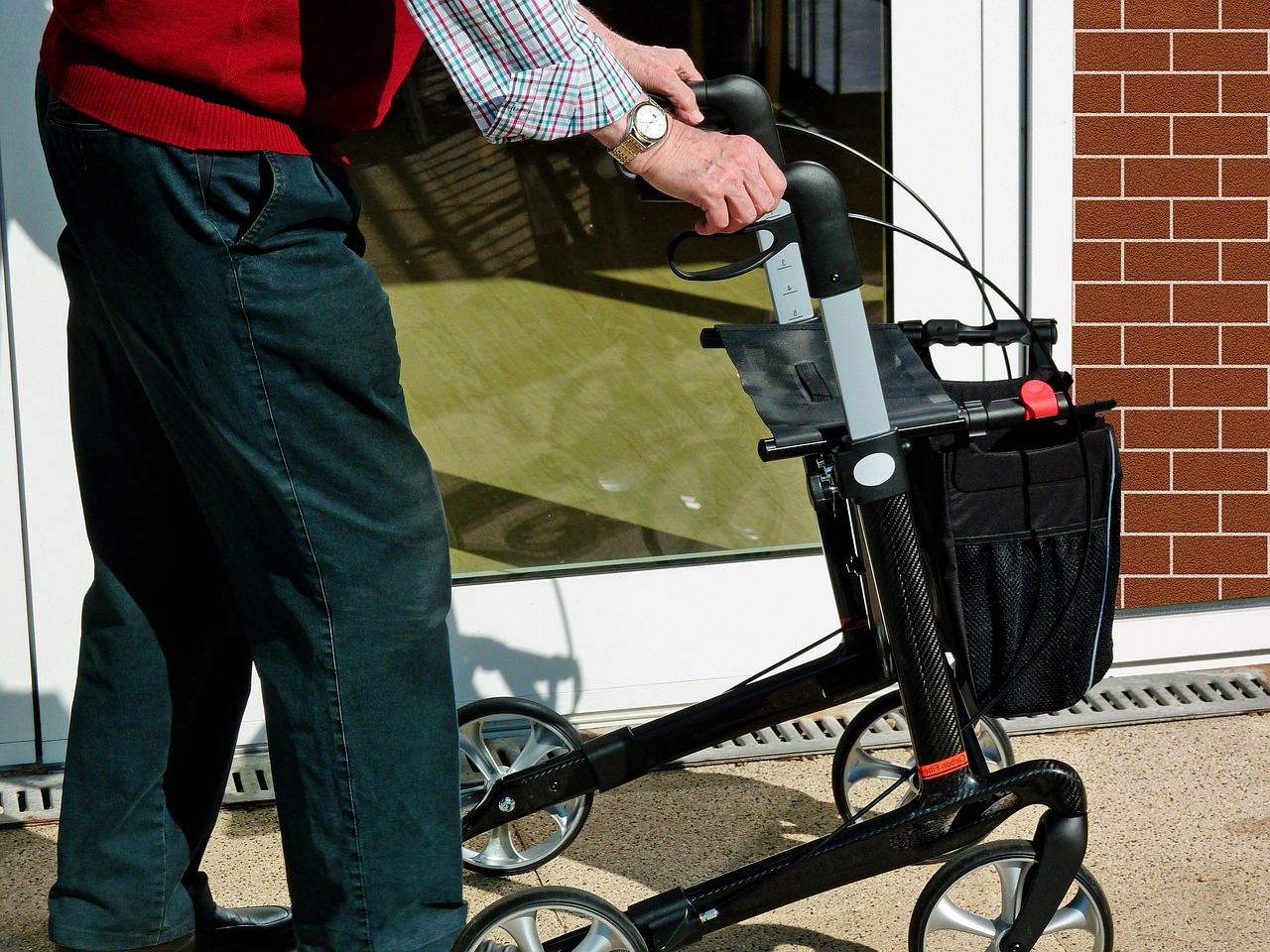
Elder Care #
Elder care refers to the support and assistance provided to older adults who may… #
This type of care can encompass a range of services, including personal care, medical care, companionship, and household tasks. Elder care can be provided in various settings, such as the individual's home, assisted living facilities, nursing homes, or adult day care centers.
Family Dynamics #
Family dynamics refer to the patterns of interactions, relationships, and commun… #
These dynamics are influenced by various factors, including family members' personalities, roles, values, beliefs, and cultural background. Understanding family dynamics is crucial in retirement coaching, as it can impact decision-making, conflict resolution, and overall well-being.
Activities of Daily Living (ADLs) #
Activities of daily living (ADLs) are basic self #
care tasks that individuals need to perform on a daily basis to live independently. These activities include bathing, dressing, grooming, eating, toileting, and transferring (e.g., moving from bed to chair). Assessing a person's ability to perform ADLs is essential in determining their level of independence and the type of care they may require.
Adult Day Care Center #
An adult day care center is a facility that provides supervised care, social act… #
These centers offer a safe and supportive environment for seniors while allowing their family caregivers to attend work or handle other responsibilities. Adult day care centers can help promote socialization, mental stimulation, and overall well-being for older adults.
Assisted Living Facility #
An assisted living facility is a residential care setting that provides housing,… #
Residents in assisted living facilities typically have their own private apartments or rooms and access to amenities such as meals, housekeeping, transportation, and recreational activities.
Caregiver #
A caregiver is an individual who provides physical, emotional, or financial supp… #
Caregivers play a crucial role in the elder care process by assisting with daily tasks, coordinating medical care, advocating for their loved one's needs, and offering companionship and emotional support.
Chronic Illness #
Chronic illness refers to a long #
lasting medical condition that requires ongoing management and treatment. Common chronic illnesses among older adults include diabetes, heart disease, arthritis, dementia, and chronic obstructive pulmonary disease (COPD). Retirement coaches may need to consider the impact of chronic illness on an individual's retirement planning, health care needs, and quality of life.
Cognitive Impairment #
Cognitive impairment refers to a decline in cognitive function, including memory… #
Conditions such as Alzheimer's disease, dementia, and mild cognitive impairment can cause cognitive impairment in older adults, affecting their ability to perform daily tasks and make informed decisions. Understanding cognitive impairment is essential in providing appropriate support and care for individuals with cognitive challenges.
Dementia #
Dementia is a group of progressive neurological disorders characterized by a dec… #
Alzheimer's disease is the most common type of dementia, but other forms include vascular dementia, Lewy body dementia, and frontotemporal dementia. Dementia can have a significant impact on an individual's ability to live independently and may require specialized care and support.
End #
of-Life Care:
End #
of-life care refers to the physical, emotional, and spiritual support provided to individuals who are nearing the end of their life. This type of care focuses on managing symptoms, maintaining comfort, and ensuring dignity and quality of life for individuals with terminal illnesses. End-of-life care may involve palliative care, hospice care, and advance care planning to address the individual's wishes and preferences.
Health Care Proxy #
A health care proxy is a legal document that allows an individual to appoint a t… #
Having a health care proxy in place can ensure that an individual's wishes regarding medical treatment and end-of-life care are respected and followed.
Hospice Care #
Hospice care is a type of end #
of-life care that focuses on providing comfort, pain management, and emotional support to individuals with terminal illnesses who have a life expectancy of six months or less. Hospice care is typically provided in the individual's home or in a hospice facility and aims to enhance the quality of life for the individual and their family members during the end-of-life process.
Living Will #
A living will is a legal document that outlines an individual's wishes regarding… #
A living will typically addresses preferences for life-sustaining treatments, such as resuscitation, mechanical ventilation, and artificial nutrition and hydration. Having a living will can help ensure that an individual's wishes are respected and followed by healthcare providers and family members.
Long #
Term Care:
Long #
term care refers to a range of services and supports provided to individuals who need assistance with ADLs or have chronic medical conditions that require ongoing care. Long-term care can be provided in various settings, such as nursing homes, assisted living facilities, adult day care centers, and in the individual's home. Planning for long-term care is essential in retirement coaching to address the potential costs and care needs associated with aging.
Medicare #
Medicare is a federal health insurance program in the United States that provide… #
Medicare is divided into several parts, including Part A (hospital insurance), Part B (medical insurance), Part C (Medicare Advantage), and Part D (prescription drug coverage). Understanding Medicare eligibility, coverage options, and enrollment periods is important in retirement coaching to help individuals make informed decisions about their healthcare benefits.
Palliative Care #
Palliative care is a specialized form of medical care that focuses on relieving… #
Palliative care is provided by a team of healthcare professionals, including doctors, nurses, social workers, and chaplains, and can be offered alongside curative treatments. Palliative care aims to address the physical, emotional, social, and spiritual needs of patients and their families throughout the course of an illness.
Power of Attorney #
A power of attorney is a legal document that grants an individual (known as the… #
There are different types of power of attorney, including general power of attorney, durable power of attorney, and healthcare power of attorney. Having a power of attorney in place can help ensure that someone trusted can act on behalf of an individual if they become incapacitated or unable to make decisions for themselves.
Respite Care #
Respite care is a short #
term care service that provides temporary relief to family caregivers who need a break from their caregiving responsibilities. Respite care can be arranged for a few hours, days, or weeks, depending on the needs of the family caregiver and the care recipient. Respite care services can be provided in the individual's home, adult day care centers, or residential care facilities and can help prevent caregiver burnout and promote the well-being of both the caregiver and the care recipient.
Retirement Planning #
Retirement planning is the process of setting financial goals, creating a retire… #
Retirement planning involves assessing one's retirement needs, estimating expenses, maximizing income sources (e.g., Social Security, pensions, savings), and developing a strategy to achieve financial security and independence in retirement. Retirement coaches help individuals navigate the complexities of retirement planning and make informed choices to achieve their retirement goals.
Social Security #
Social Security is a federal program in the United States that provides retireme… #
Social Security retirement benefits are based on a worker's earnings history and age at retirement, with full retirement age ranging from 65 to 67, depending on the individual's birth year. Understanding Social Security benefits, eligibility requirements, and claiming strategies is essential in retirement coaching to help individuals optimize their benefits and secure their financial future in retirement.
Advance Care Planning #
Advance care planning is the process of discussing and documenting an individual… #
Advance care planning may involve creating a living will, appointing a healthcare proxy, discussing treatment options with healthcare providers, and communicating wishes with family members. Engaging in advance care planning can help ensure that an individual's values, beliefs, and preferences are respected and honored during times of healthcare decision-making.
Alzheimer's Disease #
Alzheimer's disease is a progressive neurological disorder that affects memory,… #
Alzheimer's disease is characterized by the accumulation of abnormal protein deposits in the brain, leading to the destruction of brain cells and impaired cognitive function. Individuals with Alzheimer's disease may experience memory loss, confusion, disorientation, personality changes, and difficulty with daily tasks. Providing care and support for individuals with Alzheimer's disease requires patience, compassion, and specialized interventions to address their unique needs.
Assisted Living #
Assisted living is a residential care option for older adults who need assistanc… #
Assisted living facilities offer a range of services, including personal care, medication management, social activities, and meals, while allowing residents to live in private apartments or rooms. Assisted living is designed to promote socialization, safety, and well-being for older adults while respecting their individual preferences and choices.
Continuing Care Retirement Community (CCRC) #
A continuing care retirement community (CCRC) is a residential community that of… #
CCRCs typically include independent living, assisted living, and skilled nursing care on the same campus, allowing residents to transition between levels of care as needed. CCRCs offer a continuum of services and amenities to support aging in place and provide peace of mind for residents and their families.
Downsizing #
Downsizing is the process of simplifying one's living situation by reducing the… #
Downsizing is a common practice among older adults who are transitioning into retirement or seeking to declutter and minimize their living expenses. Downsizing can involve selling or donating items, moving to a smaller residence, or relocating to a retirement community, and can help older adults streamline their belongings, manage their space more efficiently, and improve their quality of life in retirement.
Elder Abuse #
Elder abuse refers to any intentional or negligent act that causes harm or distr… #
Elder abuse can occur in various settings, such as the individual's home, assisted living facilities, nursing homes, or by family members, caregivers, or strangers. Recognizing the signs of elder abuse, advocating for vulnerable older adults, and reporting suspected abuse to authorities are essential in protecting the rights and well-being of older adults.
Elder Law #
Elder law is a legal practice area that focuses on issues affecting older adults… #
Elder law attorneys specialize in addressing the legal needs and concerns of older adults and their families, including creating wills, trusts, and powers of attorney, navigating healthcare decisions, and protecting against elder abuse and exploitation. Understanding elder law principles and resources is important in retirement coaching to help individuals plan for their future and address legal matters related to aging.
Home Care #
Home care refers to a range of supportive services provided to individuals in th… #
Home care services may include personal care (e.g., bathing, dressing), meal preparation, medication reminders, light housekeeping, transportation, and companionship. Home care allows older adults to age in place and receive assistance with daily tasks while remaining in a familiar and comfortable environment.
Independent Living #
Independent living is a housing option for older adults who are able to live on… #
Independent living communities, also known as retirement communities or senior apartments, offer maintenance-free housing, social activities, and amenities for active older adults. Independent living is designed to provide a supportive and engaging environment for seniors to enjoy their retirement years while maintaining autonomy and independence.
Informal Caregiver #
An informal caregiver is a family member, friend, or neighbor who provides unpai… #
Informal caregivers play a crucial role in the elder care system by offering companionship, emotional support, and practical assistance to their loved ones. Informal caregivers may face challenges such as balancing caregiving responsibilities with work and personal life, managing caregiver stress, and accessing support services.
Medicaid #
Medicaid is a joint federal and state program in the United States that provides… #
Medicaid covers a range of medical services, such as doctor visits, hospital care, long-term care, and prescription drugs. Eligibility for Medicaid is based on income and asset limits, and the program plays a critical role in financing long-term care services for older adults with limited resources.
Memory Care #
Memory care is a specialized form of residential care designed for individuals w… #
Memory care communities offer a secure and supportive environment with trained staff, structured activities, and safety features to meet the unique needs of residents with memory loss. Memory care programs focus on enhancing cognitive function, promoting social engagement, and providing personalized care for individuals with memory impairment.
Nursing Home #
A nursing home, also known as a skilled nursing facility, is a residential care… #
Nursing homes offer long-term care, short-term rehabilitation, and specialized services for individuals with complex medical needs or cognitive impairments. Choosing a nursing home involves considering factors such as location, quality of care, staffing ratios, and resident satisfaction.
Patient Advocacy #
Patient advocacy involves supporting and representing the rights and interests o… #
Patient advocates may help individuals navigate the healthcare system, understand their treatment options, communicate with healthcare providers, and make informed decisions about their care. Patient advocacy is essential in elder care to empower older adults to advocate for themselves, address healthcare concerns, and access appropriate services and resources.
Quality of Life #
Quality of life refers to an individual's overall well #
being, satisfaction, and happiness in various aspects of life, including physical health, emotional well-being, social relationships, and personal fulfillment. Assessing and enhancing quality of life is a key goal in elder care to promote independence, dignity, and comfort for older adults. Factors that contribute to quality of life in older adults may include access to healthcare, social support, meaningful activities, and opportunities for personal growth and engagement.
Residential Care Facility #
A residential care facility is a residential setting that provides housing, meal… #
Residential care facilities, also known as board-and-care homes or group homes, offer a homelike environment with support services tailored to the individual's needs. Residential care facilities can be a cost-effective and community-based option for older adults seeking a supportive living arrangement.
Retirement Community #
A retirement community is a residential community designed for older adults who… #
Retirement communities may offer a range of housing options, amenities, and social activities to support residents' well-being and promote a sense of community. Retirement communities can provide opportunities for socialization, recreation, and lifelong learning, allowing older adults to enjoy their retirement years to the fullest.
Senior Housing #
Senior housing refers to residential options designed for older adults, includin… #
Senior housing communities offer various levels of care and services to meet the diverse needs of older adults as they age. Choosing the right senior housing option involves considering factors such as location, cost, amenities, care services, and lifestyle preferences to support aging in place and enhance quality of life for older adults.
Skilled Nursing Facility (SNF) #
A skilled nursing facility (SNF) is a healthcare institution that provides 24 #
hour nursing care, medical treatment, and rehabilitation services for individuals who require skilled nursing care for a limited duration. SNFs offer short-term care for individuals recovering from surgery, illness, or injury, as well as long-term care for individuals with chronic conditions or complex medical needs. SNFs are licensed healthcare facilities staffed by registered nurses, therapists, and other healthcare professionals to deliver comprehensive care to residents.
Social Isolation #
Social isolation refers to a lack of social connections, interactions, and suppo… #
Social isolation is a common issue among older adults, particularly those living alone or experiencing health challenges. Addressing social isolation in elder care involves promoting social engagement, encouraging community involvement, and fostering meaningful relationships to enhance emotional well-being and quality of life for older adults.
Supportive Living #
Supportive living is a term used to describe residential settings that offer hou… #
Supportive living communities provide a range of services, such as meal preparation, medication management, housekeeping, and transportation, to help residents live comfortably and safely. Supportive living is designed to promote aging in place, social interaction, and overall well-being for older adults in a supportive environment.
Telehealth #
Telehealth, also known as telemedicine, is the delivery of healthcare services,… #
Telehealth allows healthcare providers to assess, diagnose, and treat patients from a distance, providing convenient and accessible care for individuals with limited mobility or access to traditional healthcare services. Telehealth services can be especially beneficial for older adults in rural areas or those with chronic conditions who require regular monitoring and follow-up care.