
Destination Marketing for Wildlife Tourism
Expert-defined terms from the Advanced Certificate in Wildlife Tourism Marketing course at London School of Business and Administration. Free to read, free to share, paired with a professional course.
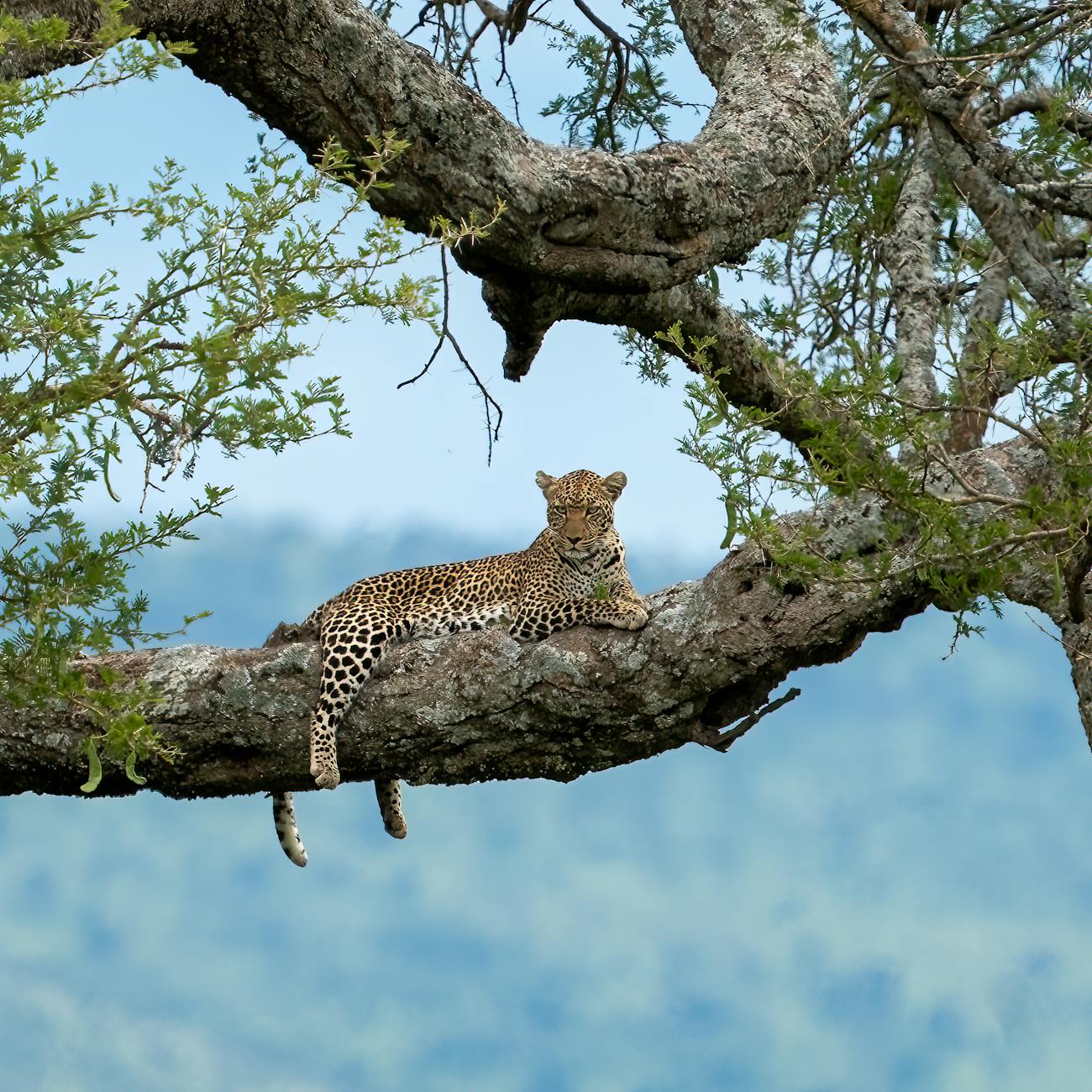
Destination Marketing for Wildlife Tourism #
Destination Marketing for Wildlife Tourism
Destination marketing for wildlife tourism refers to the strategies and activiti… #
Wildlife tourism involves observing and interacting with wild animals in their natural habitats or in controlled environments such as zoos or wildlife sanctuaries. Destination marketing plays a crucial role in showcasing the unique wildlife experiences a destination has to offer, attracting tourists who are interested in nature and wildlife conservation.
Concept #
Concept
Destination marketing for wildlife tourism involves creating targeted marketing… #
This type of marketing aims to attract tourists who are interested in wildlife experiences, such as wildlife safaris, birdwatching tours, marine wildlife encounters, and eco-tourism activities. By effectively promoting these offerings, destinations can increase visitor numbers, generate revenue, and raise awareness about the importance of wildlife conservation.
1. Wildlife Tourism #
Tourism activities that involve observing and interacting with wild animals in their natural habitats or in captivity.
2. Sustainable Tourism #
Tourism that focuses on minimizing negative impacts on the environment, culture, and economy of a destination.
3. Eco #
Tourism: Tourism that promotes responsible travel to natural areas to conserve the environment and improve the well-being of local communities.
4. Conservation Tourism #
Tourism activities that support wildlife conservation efforts and contribute to the protection of endangered species and habitats.
5. Wildlife Sanctuaries #
Protected areas designated for the conservation and protection of wildlife species and their habitats.
Explanation #
Explanation
Destination marketing for wildlife tourism is essential for attracting tourists… #
Destinations that offer unique wildlife attractions, such as national parks, wildlife reserves, and marine sanctuaries, can benefit from effective marketing strategies that showcase these assets. By highlighting the diversity of wildlife species, the beauty of natural landscapes, and the conservation efforts in place, destinations can appeal to travelers seeking authentic wildlife encounters.
Effective destination marketing for wildlife tourism involves understanding the… #
This may include digital marketing campaigns, social media promotions, partnerships with tour operators, and participation in wildlife tourism trade shows and events. By collaborating with local communities, conservation organizations, and wildlife experts, destinations can enhance the authenticity and sustainability of their wildlife tourism offerings.
Challenges in destination marketing for wildlife tourism may include balancing t… #
Destinations must prioritize sustainable tourism practices, ethical wildlife interactions, and responsible tourism guidelines to ensure the long-term viability of wildlife tourism initiatives. By engaging with stakeholders, monitoring visitor behavior, and implementing conservation measures, destinations can protect natural resources, support local communities, and provide memorable wildlife experiences for tourists.
Examples #
Examples
1. South Africa #
South Africa is known for its diverse wildlife species, including the "Big Five" (lion, leopard, elephant, rhinoceros, and buffalo). The country's destination marketing efforts focus on promoting wildlife safaris, nature reserves, and conservation programs to attract tourists interested in experiencing Africa's iconic wildlife.
2. Galapagos Islands #
The Galapagos Islands in Ecuador are a UNESCO World Heritage Site renowned for their unique wildlife species, such as giant tortoises, marine iguanas, and blue-footed boobies. Destination marketing initiatives highlight the islands' conservation efforts, scientific research programs, and eco-friendly tourism practices to appeal to nature enthusiasts and wildlife lovers.
3. Borneo #
Borneo, the third-largest island in the world, is home to diverse wildlife habitats, including rainforests, coral reefs, and orangutan sanctuaries. Destination marketing campaigns promote sustainable tourism activities like jungle treks, river cruises, and wildlife encounters to showcase Borneo's rich biodiversity and cultural heritage.
4. Great Barrier Reef #
The Great Barrier Reef in Australia is the world's largest coral reef system and a UNESCO World Heritage Site teeming with marine life. Destination marketing strategies focus on marine conservation, eco-tourism experiences, and reef protection initiatives to attract visitors interested in snorkeling, diving, and exploring the underwater world.
In conclusion, destination marketing for wildlife tourism plays a vital role in… #
By showcasing a destination's unique wildlife assets, engaging with local communities, and implementing responsible tourism guidelines, destinations can attract tourists interested in nature-based experiences and contribute to the protection of wildlife and habitats. Effective destination marketing strategies can help destinations differentiate themselves in the competitive tourism market, drive economic growth, and raise awareness about the importance of wildlife conservation for future generations.
**Destination Marketing for Wildlife Tourism #
**
Specific Term #
Destination Marketing for Wildlife Tourism
Concept #
Destination Marketing for Wildlife Tourism involves promoting and marketing destinations that offer wildlife experiences to attract tourists interested in observing and interacting with wildlife in their natural habitats.
Explanation #
Destination Marketing for Wildlife Tourism is a strategic approach used by destinations to promote their natural assets, wildlife habitats, and conservation efforts to attract tourists seeking wildlife experiences. This type of marketing aims to showcase the unique wildlife species, natural landscapes, and sustainable practices of a destination to entice visitors to explore and engage with the local wildlife. By highlighting the diverse wildlife offerings and conservation initiatives, destinations can differentiate themselves in the competitive tourism market and appeal to environmentally conscious travelers.
Destination Marketing for Wildlife Tourism involves creating targeted marketing… #
It also includes implementing sustainable tourism practices to minimize negative impacts on wildlife and their habitats while providing memorable experiences for tourists.
Examples #
- A destination in Africa promotes its national parks and wildlife reserves thro… #
- A destination in Africa promotes its national parks and wildlife reserves through a marketing campaign that highlights the opportunity to see the "Big Five" (lion, leopard, elephant, buffalo, rhinoceros) in their natural habitat.
- A wildlife sanctuary in Costa Rica partners with local hotels and tour operato… #
- A wildlife sanctuary in Costa Rica partners with local hotels and tour operators to offer eco-friendly wildlife tours that support conservation efforts and provide educational experiences for tourists.
- A destination in Australia showcases its unique marine wildlife, such as the G… #
- A destination in Australia showcases its unique marine wildlife, such as the Great Barrier Reef and whale watching opportunities, to attract tourists interested in marine conservation and eco-tourism activities.
Practical Applications #
- Develop a comprehensive destination marketing strategy that emphasizes the wil… #
- Develop a comprehensive destination marketing strategy that emphasizes the wildlife offerings, conservation efforts, and sustainable practices of the destination.
- Collaborate with local wildlife conservation organizations, tour operators, an… #
- Collaborate with local wildlife conservation organizations, tour operators, and stakeholders to create wildlife-focused experiences and packages for tourists.
- Utilize digital marketing channels, social media platforms, and travel website… #
- Utilize digital marketing channels, social media platforms, and travel websites to promote wildlife tourism experiences and attract environmentally conscious travelers.
- Implement sustainable tourism practices, such as responsible wildlife viewing… #
- Implement sustainable tourism practices, such as responsible wildlife viewing guidelines, eco-friendly accommodations, and community-based tourism initiatives, to minimize the negative impacts of tourism on wildlife and their habitats.
Challenges #
- Balancing the promotion of wildlife tourism with conservation efforts to ensur… #
- Balancing the promotion of wildlife tourism with conservation efforts to ensure the long-term sustainability of wildlife populations and habitats.
- Managing visitor impacts on wildlife, such as habitat destruction, pollution,… #
- Managing visitor impacts on wildlife, such as habitat destruction, pollution, and disturbance, through effective tourism management practices and regulations.
- Adapting to changing consumer preferences and market trends in wildlife touris… #
- Adapting to changing consumer preferences and market trends in wildlife tourism, such as increased demand for authentic experiences, responsible travel practices, and meaningful connections with nature.