
Ethical Issues in Wildlife Tourism.
Expert-defined terms from the Advanced Certificate in Wildlife Tourism Marketing course at London School of Business and Administration. Free to read, free to share, paired with a professional course.
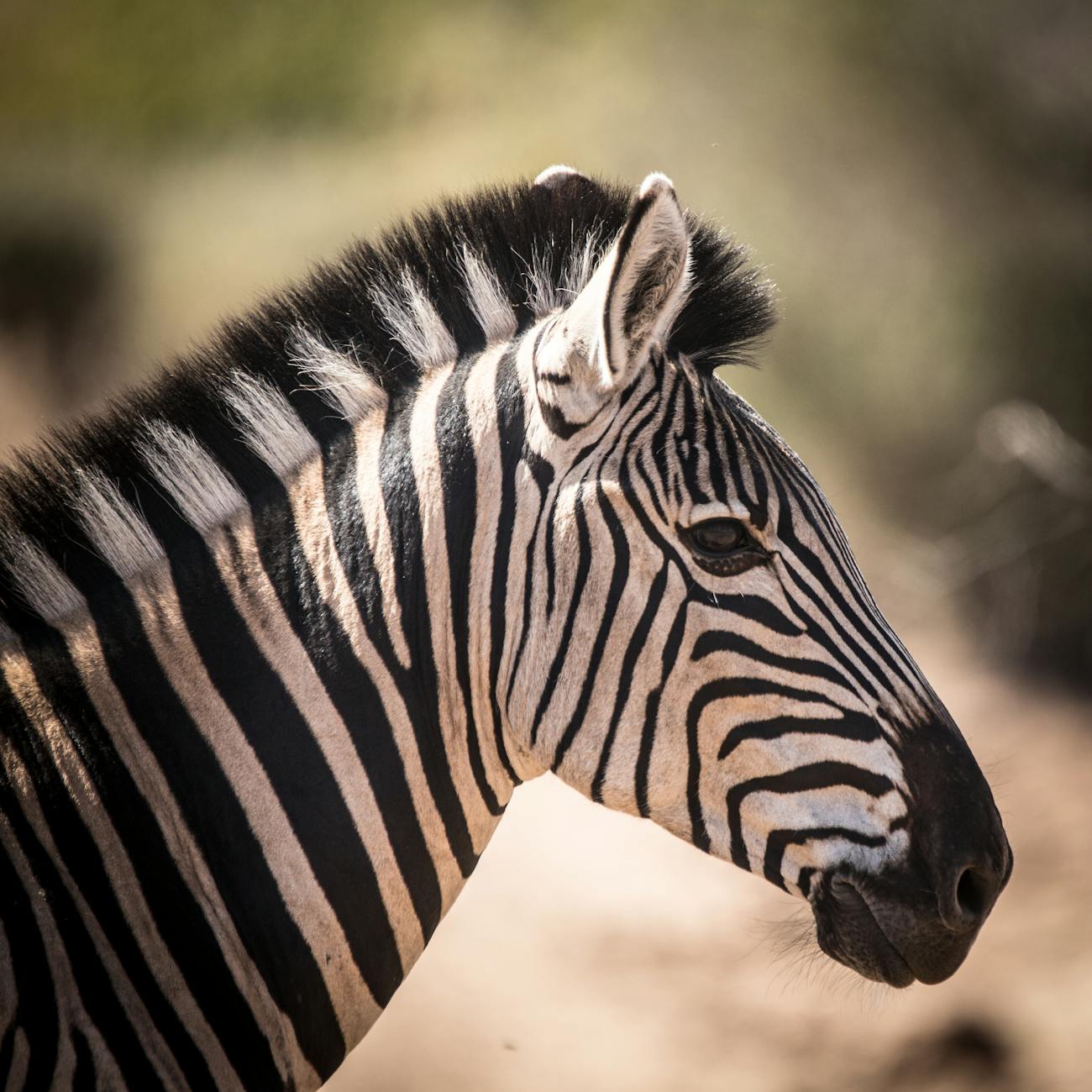
1. Ethical Issues in Wildlife Tourism #
Ethical issues in wildlife tourism refer to the moral dilemmas and concerns surr… #
These issues arise from the potential negative impacts of tourism on wildlife and their habitats, as well as the ethical considerations involved in how animals are treated and exploited for tourist entertainment.
Some key ethical issues in wildlife tourism include: #
Some key ethical issues in wildlife tourism include:
- Animal welfare: Concerns about the well-being and treatment of animals involve… #
- Animal welfare: Concerns about the well-being and treatment of animals involved in tourism activities, such as captive wildlife encounters, elephant rides, and wildlife performances.
- Conservation: The impact of tourism on wildlife conservation efforts, includin… #
- Conservation: The impact of tourism on wildlife conservation efforts, including habitat destruction, disturbance to natural ecosystems, and the spread of diseases.
- Responsible tourism: The promotion of sustainable and ethical practices in wil… #
- Responsible tourism: The promotion of sustainable and ethical practices in wildlife tourism, such as supporting conservation initiatives, respecting wildlife habitats, and minimizing negative impacts on local communities.
Ethical considerations in wildlife tourism are crucial for ensuring the long #
term sustainability of tourism operations and the protection of natural environments and wildlife species.
2. Captive Wildlife #
Captive wildlife refers to animals that are kept in captivity, such as zoos, aqu… #
Captive wildlife may include a wide range of species, from exotic animals like lions and tigers to marine mammals like dolphins and whales.
While captive wildlife facilities can play a role in raising awareness about con… #
Critics argue that keeping wildlife in captivity can lead to stress, behavioral problems, and health issues for the animals, as well as perpetuate harmful stereotypes and misconceptions about wildlife.
It is essential for captive wildlife facilities to prioritize the well #
being of the animals in their care, provide appropriate habitats and enrichment opportunities, and adhere to ethical standards and guidelines to ensure the welfare of captive wildlife.
3. Ecotourism #
Ecotourism is a form of sustainable tourism that focuses on promoting responsibl… #
Ecotourism aims to minimize negative impacts on the environment and wildlife, educate visitors about conservation issues, and contribute to the protection of natural habitats and biodiversity.
Key principles of ecotourism include: #
Key principles of ecotourism include:
- Environmental conservation: Protecting natural ecosystems, wildlife species, a… #
- Environmental conservation: Protecting natural ecosystems, wildlife species, and biodiversity through responsible tourism practices.
- Community engagement: Involving and benefiting local communities in ecotourism… #
- Community engagement: Involving and benefiting local communities in ecotourism initiatives, such as providing economic opportunities, cultural exchanges, and capacity building.
- Education and awareness: Raising awareness about environmental issues, conserv… #
- Education and awareness: Raising awareness about environmental issues, conservation challenges, and sustainable practices among tourists and local stakeholders.
By promoting ecotourism, wildlife tourism operators can help conserve natural re… #
By promoting ecotourism, wildlife tourism operators can help conserve natural resources, support local communities, and create positive experiences for visitors while respecting the environment and wildlife.
4. Sustainable Tourism #
Sustainable tourism refers to tourism practices that minimize negative impacts o… #
Sustainable tourism aims to balance the needs of tourists, the tourism industry, and the environment to ensure the preservation of natural resources and cultural heritage for future generations.
Key components of sustainable tourism include: #
Key components of sustainable tourism include:
- Environmental protection: Implementing measures to reduce carbon emissions, co… #
- Environmental protection: Implementing measures to reduce carbon emissions, conserve water resources, and protect natural habitats and wildlife.
- Social responsibility: Supporting local communities, respecting cultural herit… #
- Social responsibility: Supporting local communities, respecting cultural heritage, and providing economic opportunities for marginalized groups.
- Economic viability: Promoting sustainable business practices, investing in eco… #
- Economic viability: Promoting sustainable business practices, investing in eco-friendly infrastructure, and generating revenue that contributes to conservation and community development.
By adopting sustainable tourism practices, wildlife tourism operators can minimi… #
By adopting sustainable tourism practices, wildlife tourism operators can minimize their ecological footprint, enhance the visitor experience, and contribute to the long-term sustainability of tourism destinations.
5. Wildlife Conservation #
Wildlife conservation refers to the protection and preservation of wildlife spec… #
Wildlife conservation efforts aim to address threats to wildlife populations, such as habitat loss, poaching, climate change, and human-wildlife conflicts, through conservation initiatives, research, and advocacy.
Key strategies for wildlife conservation include: #
Key strategies for wildlife conservation include:
- Habitat preservation: Protecting natural habitats, wildlife corridors, and cri… #
- Habitat preservation: Protecting natural habitats, wildlife corridors, and critical ecosystems to provide safe havens for wildlife species to thrive.
- Anti-poaching measures: Combating illegal wildlife trade, hunting, and traffic… #
- Anti-poaching measures: Combating illegal wildlife trade, hunting, and trafficking through law enforcement, monitoring, and community engagement.
- Species recovery programs: Implementing conservation programs, captive breedin… #
- Species recovery programs: Implementing conservation programs, captive breeding initiatives, and reintroduction projects to restore endangered species populations.
By supporting wildlife conservation, wildlife tourism operators can contribute t… #
By supporting wildlife conservation, wildlife tourism operators can contribute to the protection of wildlife species, promote sustainable tourism practices, and raise awareness about conservation issues among visitors and local communities.
**E #
**
**Ethical Issues in Wildlife Tourism #
**
- **Concept:** Ethical issues in wildlife tourism refer to the moral dilemmas an… #
This includes considerations such as animal welfare, conservation impact, cultural sensitivity, and sustainable practices.
- **Explanation:** Ethical issues in wildlife tourism are crucial to address to… #
For example, the use of animals in entertainment activities like elephant rides or dolphin shows raises concerns about animal welfare and conservation implications. It is essential for wildlife tourism operators to prioritize ethical practices to promote a sustainable and responsible industry.
**F #
**
**Fair Trade Tourism #
**
- **Concept:** Fair trade tourism is a concept that focuses on promoting ethical… #
It aims to ensure that tourism activities contribute positively to the well-being of local people and support sustainable development.
- **Explanation:** Fair trade tourism emphasizes fair wages, community involveme… #
By engaging in fair trade practices, tourism operators can empower local communities, preserve cultural heritage, and protect natural resources. This approach helps to create a more equitable and responsible tourism industry.
**G #
**
**Greenwashing #
**
- **Concept:** Greenwashing refers to the practice of misleading consumers by fa… #
In the context of wildlife tourism, greenwashing may involve false claims about conservation efforts, eco-friendly practices, or wildlife protection initiatives.
- **Explanation:** Greenwashing can deceive tourists into supporting unethical o… #
To combat greenwashing in wildlife tourism, consumers should be aware of green marketing tactics and seek transparent information about the environmental impact of their travel choices. Responsible tourism operators should avoid greenwashing and strive for genuine sustainability practices.
**H #
**
**Habitat Destruction #
**
- **Concept:** Habitat destruction refers to the permanent alteration or loss of… #
In the context of wildlife tourism, habitat destruction can have detrimental effects on wildlife populations, leading to species decline or extinction.
- **Explanation:** Habitat destruction is a significant threat to biodiversity a… #
Tourism activities, such as infrastructure development, land clearing, and resource extraction, can contribute to habitat destruction. To mitigate the impact of habitat destruction in wildlife tourism, conservation efforts should focus on habitat restoration, protected area management, and sustainable land use practices.
**I #
**
**Invasive Species #
**
- **Concept:** Invasive species are non-native organisms that are introduced to… #
In the context of wildlife tourism, invasive species can disrupt natural habitats, compete with native wildlife, and pose ecological threats.
- **Explanation:** Invasive species are a global conservation concern that can b… #
Wildlife tourism operators should be vigilant in preventing the spread of invasive species by implementing biosecurity measures, raising awareness among tourists, and supporting invasive species management efforts.
**J #
**
**Job Creation #
**
- **Concept:** Job creation in wildlife tourism refers to the employment opportu… #
Job creation can provide economic benefits to local communities, support livelihoods, and contribute to sustainable development.
- **Explanation:** Job creation is a key aspect of sustainable tourism developme… #
Wildlife tourism operators should prioritize local hiring, skills development, and capacity-building initiatives to maximize the positive impact of tourism on community livelihoods. By promoting job creation, tourism can support conservation efforts and foster local empowerment.
**K #
**
**Keystone Species #
**
- **Concept:** Keystone species are organisms that play a critical role in maint… #
In the context of wildlife tourism, keystone species are key indicators of ecosystem health and biodiversity, as their presence influences the abundance and distribution of other species.
- **Explanation:** Keystone species have a disproportionate impact on ecosystem… #
Protecting keystone species is essential for preserving ecosystem stability, resilience, and species diversity. Wildlife tourism activities should consider the conservation of keystone species to safeguard ecosystem integrity and promote sustainable wildlife management practices.
**L #
**
**Local Communities #
**
- **Concept:** Local communities in wildlife tourism refer to the residents of d… #
Local communities play a vital role in shaping the social, cultural, and economic aspects of tourism development.
- **Explanation:** Engaging with local communities is essential for sustainable… #
Tourism operators should collaborate with local stakeholders, respect traditional knowledge, and involve community members in decision-making processes to ensure that tourism benefits are equitably distributed and contribute to local development.
**M #
**
**Marine Conservation #
**
- **Concept:** Marine conservation focuses on the protection and preservation of… #
In the context of wildlife tourism, marine conservation efforts aim to address threats such as overfishing, habitat degradation, pollution, and climate change.
- **Explanation:** Marine conservation is essential for safeguarding the health… #
Wildlife tourism operators should promote marine conservation through responsible practices, educational initiatives, and collaboration with conservation organizations to ensure the long-term sustainability of marine ecosystems and wildlife populations.
**N #
**
**Naturalist Guide #
**
- **Concept:** A naturalist guide is a trained professional who leads wildlife t… #
Naturalist guides play a crucial role in enhancing the wildlife tourism experience and fostering environmental awareness.
- **Explanation:** Naturalist guides are experts in wildlife identification, hab… #
Wildlife tourism operators should prioritize hiring qualified naturalist guides, providing ongoing training, and supporting guide certification programs to ensure high-quality interpretive experiences and responsible wildlife encounters.
**O #
**
**Over #
tourism:**
- **Concept:** Over-tourism refers to the excessive number of tourists visiting… #
In the context of wildlife tourism, over-tourism can lead to habitat degradation, wildlife disturbance, cultural erosion, and social conflicts.
- **Explanation:** Over-tourism poses challenges for wildlife tourism sustainabi… #
To address over-tourism, tourism stakeholders should implement visitor management strategies, regulate visitor numbers, diversify tourism offerings, and promote responsible travel behavior to mitigate the negative effects of overcrowding and ensure the long-term viability of wildlife tourism destinations.
**P #
**
**Poaching #
**
- **Concept:** Poaching refers to the illegal hunting, capturing, or killing of… #
Poaching poses a significant threat to wildlife populations, biodiversity conservation, and ecosystem integrity.
- **Explanation:** Poaching is a major concern in wildlife tourism, as it underm… #
To combat poaching, wildlife tourism operators should collaborate with law enforcement agencies, support anti-poaching initiatives, raise awareness about wildlife crime, and promote ethical wildlife viewing practices to prevent the exploitation of wildlife for profit.
**Q #
**
**Quality Assurance #
**
- **Concept:** Quality assurance in wildlife tourism refers to the processes, st… #
Quality assurance measures enhance customer satisfaction, trust, and loyalty.
- **Explanation:** Quality assurance is essential for maintaining the reputation… #
Wildlife tourism operators should establish quality assurance systems, conduct regular evaluations, solicit customer feedback, and continuously improve service quality to meet customer expectations and industry standards.
**R #
**
**Responsible Wildlife Tourism #
**
- **Concept:** Responsible wildlife tourism refers to tourism activities that pr… #
Responsible wildlife tourism aims to minimize negative impacts on wildlife, ecosystems, and local communities while promoting positive outcomes for conservation and cultural heritage.
- **Explanation:** Responsible wildlife tourism emphasizes environmental steward… #
By adopting responsible practices, wildlife tourism operators can contribute to biodiversity conservation, support local livelihoods, and provide meaningful and educational experiences for tourists while upholding ethical standards and conservation principles.
**S #
**
**Sustainable Tourism #
**
- **Concept:** Sustainable tourism is a tourism development approach that seeks… #
Sustainable tourism aims to minimize negative impacts on natural and cultural resources while maximizing benefits for local communities and ecosystems.
- **Explanation:** Sustainable tourism is essential for the conservation of wild… #
Wildlife tourism operators should embrace sustainable practices, such as resource conservation, waste reduction, carbon offsetting, and community empowerment, to ensure the viability of tourism activities and contribute to the well-being of wildlife, people, and the environment.
**T #
**
**Tourism Carrying Capacity #
**
- **Concept:** Tourism carrying capacity refers to the maximum number of visitor… #
Tourism carrying capacity helps to guide sustainable tourism planning, management, and development.
- **Explanation:** Tourism carrying capacity is a critical consideration in wild… #
By setting and monitoring carrying capacity limits, tourism stakeholders can ensure that tourism activities are conducted in a sustainable and responsible manner, preserving the quality of visitor experiences and protecting natural and cultural resources for future generations.
**U #
**
**Urban Wildlife #
**
- **Concept:** Urban wildlife refers to wildlife species that inhabit or interac… #
Urban wildlife can adapt to human-dominated landscapes, utilizing green spaces, water bodies, and built structures for shelter, food, and reproduction.
- **Explanation:** Urban wildlife presents opportunities and challenges for wild… #
Wildlife tourism operators should promote responsible urban wildlife encounters, raise awareness about coexistence with wildlife, and support conservation efforts to protect urban biodiversity and minimize conflicts between humans and wildlife.
**V #
**
**Volunteer Tourism #
**
- **Concept:** Volunteer tourism, also known as voluntourism, refers to travel e… #
Volunteer tourism allows participants to contribute to wildlife conservation, environmental protection, and community development while gaining cultural insights and personal growth.
- **Explanation:** Volunteer tourism is a popular option for travelers seeking m… #
Wildlife tourism operators can offer volunteer tourism programs that engage participants in conservation activities, wildlife monitoring, habitat restoration, and community outreach to promote environmental awareness, social responsibility, and positive impact on wildlife and people.
**W #
**
**Wildlife Conservation #
**
- **Concept:** Wildlife conservation is the protection, management, and restorat… #
Wildlife conservation efforts aim to address threats such as habitat loss, poaching, climate change, pollution, and human-wildlife conflicts.
- **Explanation:** Wildlife conservation is a fundamental aspect of wildlife tou… #
Tourism operators should support wildlife conservation initiatives, collaborate with conservation organizations, promote responsible wildlife viewing practices, and raise awareness about conservation challenges to contribute to the protection of wildlife and the preservation of biodiversity for future generations.
**X #
**
**Xenotourism #
**
- **Concept:** Xenotourism is a niche form of tourism that focuses on encounters… #
Xenotourism explores the imagination, science fiction, and otherworldly themes in tourism narratives and attractions.
- **Explanation:** Xenotourism offers unconventional and imaginative wildlife to… #
While xenotourism may not involve real wildlife encounters, it highlights the creative potential of storytelling, technology, and immersive experiences in shaping the future of wildlife tourism and expanding the boundaries of imagination and exploration.
**Y #
**
**Youth Engagement #
**
- **Concept:** Youth engagement in wildlife tourism refers to the involvement of… #
Youth engagement aims to inspire the next generation of conservationists, foster environmental awareness, and empower youth to take action for wildlife and nature.
- **Explanation:** Youth engagement is essential for the future of wildlife tour… #
Wildlife tourism operators can engage youth through educational programs, volunteer opportunities, citizen science projects, and youth leadership initiatives to cultivate a sense of responsibility, passion, and commitment to wildlife and environmental conservation.
**Z #
**
**Zero Waste Tourism #
**
- **Concept:** Zero waste tourism is an approach to tourism that aims to minimiz… #
Zero waste tourism seeks to eliminate the concept of waste by adopting a circular economy model and sustainable waste management solutions.
- **Explanation:** Zero waste tourism is a proactive and innovative way of addre… #
Wildlife tourism operators can implement zero waste initiatives, such as plastic-free policies, reusable packaging, waste audits, and community recycling programs, to reduce their environmental footprint, support conservation efforts, and promote a culture of sustainability among tourists and local communities.