
Digital Marketing for Wildlife Tourism
Digital Marketing for Wildlife Tourism Key Terms and Vocabulary
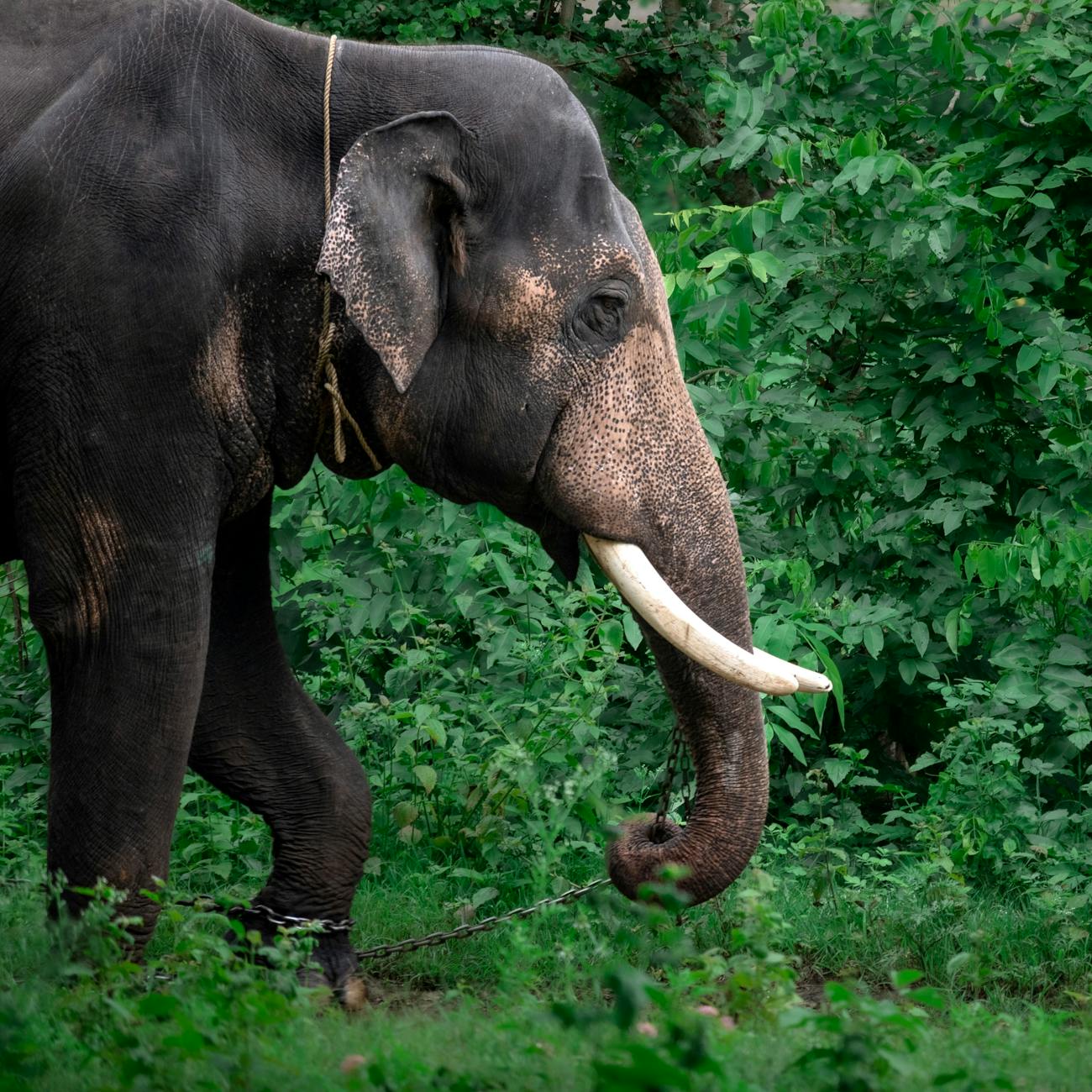
Digital Marketing for Wildlife Tourism Key Terms and Vocabulary
Welcome to the Advanced Certificate in Wildlife Tourism Marketing, where we will delve into the exciting world of digital marketing for wildlife tourism. In this course, you will learn about key terms and vocabulary that are essential for understanding and implementing effective digital marketing strategies in the wildlife tourism industry.
1. Wildlife Tourism
Wildlife tourism involves attracting visitors to natural areas to observe and interact with wildlife. It encompasses a wide range of experiences, from safari tours to birdwatching expeditions. Wildlife tourism plays a crucial role in conservation efforts by raising awareness and generating funds for the protection of endangered species and their habitats.
2. Digital Marketing
Digital marketing refers to the use of digital channels, such as websites, social media, email, and search engines, to promote products or services. In the context of wildlife tourism, digital marketing allows businesses to reach a global audience, engage with customers in real-time, and track the effectiveness of their marketing campaigns.
3. Search Engine Optimization (SEO)
SEO is the process of optimizing a website to improve its visibility in search engine results pages. By incorporating relevant keywords, creating high-quality content, and building backlinks, wildlife tourism businesses can increase their organic traffic and attract more visitors to their websites.
4. Content Marketing
Content marketing involves creating and distributing valuable, relevant content to attract and engage a target audience. In wildlife tourism, content marketing can take the form of blog posts, videos, infographics, and social media posts that showcase the beauty and uniqueness of wildlife destinations.
5. Social Media Marketing
Social media marketing involves using social media platforms, such as Facebook, Instagram, and Twitter, to promote products or services. Wildlife tourism businesses can leverage social media to engage with customers, share stunning wildlife photos, and run targeted advertising campaigns to reach specific demographics.
6. Email Marketing
Email marketing is a powerful tool for communicating with customers and prospects through personalized email campaigns. Wildlife tourism businesses can use email marketing to share updates on upcoming tours, promote special offers, and nurture relationships with their audience.
7. Pay-Per-Click (PPC) Advertising
PPC advertising is a form of online advertising where businesses pay a fee each time their ad is clicked. In wildlife tourism, PPC advertising can be used to target potential customers based on their search queries or interests, driving traffic to a website and increasing bookings for wildlife tours.
8. Conversion Rate Optimization (CRO)
CRO is the process of improving the percentage of website visitors who take a desired action, such as booking a tour or signing up for a newsletter. By testing different elements of a website, such as headlines, images, and call-to-action buttons, wildlife tourism businesses can optimize their conversion rates and increase their revenue.
9. User Experience (UX) Design
UX design focuses on creating a seamless and enjoyable experience for website visitors. In wildlife tourism, UX design plays a critical role in guiding users through the booking process, providing relevant information about tours, and ensuring a mobile-friendly experience for customers on the go.
10. Google Analytics
Google Analytics is a powerful tool for tracking website traffic, analyzing user behavior, and measuring the effectiveness of digital marketing campaigns. Wildlife tourism businesses can use Google Analytics to gain insights into their audience, identify trends, and make data-driven decisions to improve their online presence.
11. Mobile Marketing
Mobile marketing involves reaching customers on their mobile devices through responsive websites, mobile apps, and SMS campaigns. With the rise of smartphone usage, wildlife tourism businesses can leverage mobile marketing to provide seamless booking experiences, send location-based offers, and engage with customers on the go.
12. Influencer Marketing
Influencer marketing involves partnering with social media influencers to promote products or services to their followers. In wildlife tourism, businesses can collaborate with travel bloggers, photographers, and conservationists to reach a broader audience, build credibility, and showcase the unique experiences offered by their wildlife tours.
13. Online Reputation Management
Online reputation management is the process of monitoring and influencing how a business is perceived online. In wildlife tourism, maintaining a positive online reputation is crucial for attracting customers and building trust. Businesses can respond to reviews, showcase testimonials, and actively engage with their audience to enhance their reputation.
14. Geo-Targeting
Geo-targeting is the practice of delivering tailored content or advertisements to users based on their geographic location. Wildlife tourism businesses can use geo-targeting to promote tours to specific regions, offer location-based discounts, and personalize marketing messages to resonate with customers in different parts of the world.
15. Virtual Reality (VR) and Augmented Reality (AR)
VR and AR technologies offer immersive experiences that allow users to explore wildlife destinations virtually. Wildlife tourism businesses can leverage VR and AR to showcase their tours, provide interactive wildlife encounters, and give customers a preview of the breathtaking landscapes and wildlife they can expect to see on their trips.
16. Sustainable Tourism
Sustainable tourism focuses on minimizing the negative impacts of tourism on the environment and local communities while maximizing the benefits. In wildlife tourism, businesses can adopt sustainable practices, support conservation projects, and educate visitors about the importance of responsible travel to protect wildlife habitats for future generations.
17. Data Privacy and Compliance
Data privacy and compliance refer to the laws and regulations that govern the collection, use, and protection of personal information. Wildlife tourism businesses must adhere to data privacy laws, such as the General Data Protection Regulation (GDPR), to safeguard customer data, obtain consent for marketing activities, and maintain trust with their audience.
18. Customer Relationship Management (CRM)
CRM is a strategy for managing interactions with customers throughout the customer lifecycle. In wildlife tourism, CRM systems can help businesses track customer preferences, personalize communications, and build long-term relationships with repeat visitors by offering tailored experiences and exclusive offers.
19. Key Performance Indicators (KPIs)
KPIs are measurable metrics that businesses use to evaluate the success of their marketing campaigns. In wildlife tourism, KPIs can include website traffic, conversion rates, social media engagement, and customer satisfaction scores. By setting and monitoring KPIs, businesses can assess their performance, identify areas for improvement, and optimize their digital marketing strategies.
20. Challenges and Opportunities
While digital marketing offers numerous benefits for wildlife tourism businesses, it also presents challenges, such as increasing competition, changing algorithms, and evolving consumer preferences. By staying informed about industry trends, experimenting with new technologies, and adapting their strategies to meet the needs of their audience, wildlife tourism businesses can capitalize on the opportunities that digital marketing has to offer and drive sustainable growth in the industry.
Conclusion
In conclusion, mastering the key terms and vocabulary related to digital marketing for wildlife tourism is essential for developing successful marketing strategies, engaging with customers, and driving business growth in a competitive and dynamic industry. By applying the concepts covered in this course, wildlife tourism businesses can leverage digital marketing tools and techniques to showcase the beauty of wildlife destinations, promote responsible travel practices, and inspire travelers to embark on unforgettable wildlife adventures around the world.
Key takeaways
- In this course, you will learn about key terms and vocabulary that are essential for understanding and implementing effective digital marketing strategies in the wildlife tourism industry.
- Wildlife tourism plays a crucial role in conservation efforts by raising awareness and generating funds for the protection of endangered species and their habitats.
- In the context of wildlife tourism, digital marketing allows businesses to reach a global audience, engage with customers in real-time, and track the effectiveness of their marketing campaigns.
- By incorporating relevant keywords, creating high-quality content, and building backlinks, wildlife tourism businesses can increase their organic traffic and attract more visitors to their websites.
- In wildlife tourism, content marketing can take the form of blog posts, videos, infographics, and social media posts that showcase the beauty and uniqueness of wildlife destinations.
- Wildlife tourism businesses can leverage social media to engage with customers, share stunning wildlife photos, and run targeted advertising campaigns to reach specific demographics.
- Wildlife tourism businesses can use email marketing to share updates on upcoming tours, promote special offers, and nurture relationships with their audience.