
Ethical Issues in Wildlife Tourism.
Wildlife Tourism: Wildlife tourism refers to the practice of traveling to observe and interact with wildlife in their natural habitats. It includes activities such as safaris, bird watching, whale watching, and visiting national parks or wi…
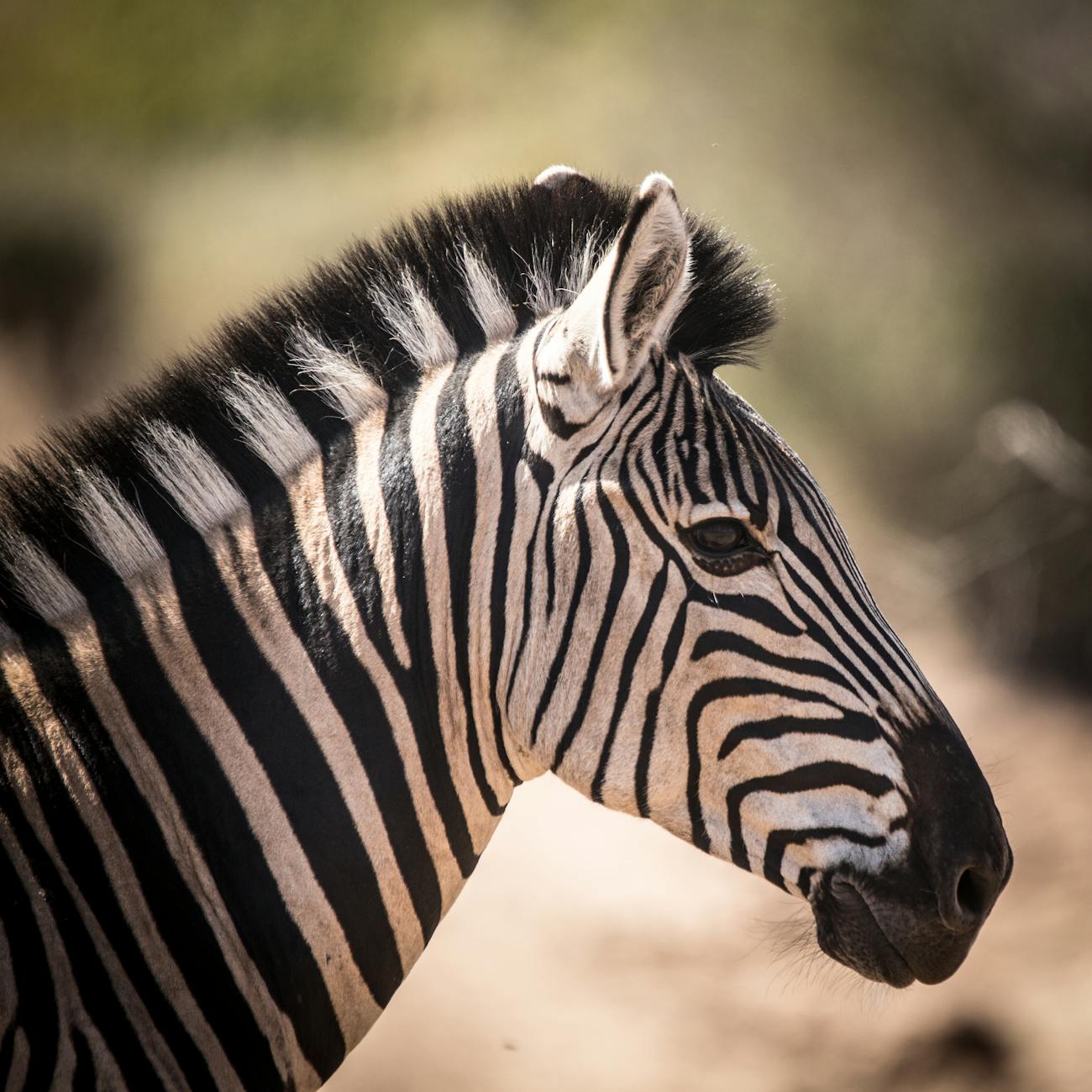
Wildlife Tourism: Wildlife tourism refers to the practice of traveling to observe and interact with wildlife in their natural habitats. It includes activities such as safaris, bird watching, whale watching, and visiting national parks or wildlife reserves.
Ethical Issues: Ethical issues in wildlife tourism are concerns related to the impact of tourism on wildlife and the environment, as well as the treatment of animals in captivity or during interactions with tourists.
Conservation: Conservation refers to the protection and preservation of wildlife and their habitats. Wildlife tourism can support conservation efforts through funding, education, and raising awareness about endangered species and ecosystems.
Ecotourism: Ecotourism is a form of sustainable travel that focuses on experiencing natural environments while minimizing the negative impact on the environment and supporting conservation efforts. It promotes responsible travel practices and environmental awareness.
Responsible Tourism: Responsible tourism involves making ethical choices that benefit local communities, wildlife, and the environment. It includes respecting local cultures, minimizing environmental impact, and supporting conservation initiatives.
Animal Welfare: Animal welfare refers to the well-being of animals, including their physical and mental health. In wildlife tourism, it is important to consider the welfare of animals in captivity, such as in zoos, aquariums, or wildlife sanctuaries.
Over-tourism: Over-tourism occurs when a destination is overwhelmed by a large number of tourists, leading to negative impacts on the environment, wildlife, and local communities. It can result in habitat degradation, increased pollution, and disturbance to wildlife.
Carrying Capacity: Carrying capacity is the maximum number of tourists that a wildlife tourism destination can sustain without causing negative impacts on the environment or wildlife. It is important to manage visitor numbers to ensure sustainable tourism practices.
Greenwashing: Greenwashing refers to the practice of misleading consumers by promoting a company or product as environmentally friendly when it is not. In wildlife tourism, greenwashing can occur when businesses falsely claim to support conservation or sustainable practices.
Community-based Tourism: Community-based tourism involves local communities in the development and management of tourism activities. It empowers communities to benefit from tourism revenue, preserves traditional cultures, and promotes sustainable development.
Human-wildlife Conflict: Human-wildlife conflict occurs when wildlife interacts with human populations, resulting in negative consequences for both. In wildlife tourism, it is important to address human-wildlife conflict to ensure the safety of tourists, wildlife, and local communities.
Endangered Species: Endangered species are animals or plants that are at risk of extinction due to factors such as habitat loss, poaching, and climate change. Wildlife tourism can play a role in raising awareness and supporting conservation efforts for endangered species.
Animal Rehabilitation: Animal rehabilitation involves caring for injured, orphaned, or sick animals with the goal of releasing them back into the wild. Wildlife tourism facilities may participate in animal rehabilitation programs to help conserve wildlife populations.
Wildlife Trafficking: Wildlife trafficking is the illegal trade of wildlife and wildlife products, such as ivory, rhino horn, and exotic pets. Wildlife tourism can inadvertently contribute to wildlife trafficking by creating demand for wildlife souvenirs or experiences.
Voluntourism: Voluntourism combines tourism with volunteering for conservation or community projects. It allows tourists to contribute to conservation efforts while experiencing wildlife and nature-based activities.
Plastic Pollution: Plastic pollution refers to the accumulation of plastic waste in the environment, including oceans, rivers, and wildlife habitats. Wildlife tourism can help raise awareness about plastic pollution and promote responsible waste management practices.
By-catch: By-catch is the unintentional capture of non-target species, such as dolphins or sea turtles, in fishing gear. By-catch is a threat to marine wildlife and can impact ecotourism activities like whale watching or diving.
Climate Change: Climate change refers to long-term changes in the Earth's climate, including rising temperatures, sea level rise, and extreme weather events. Climate change poses a significant threat to wildlife and ecosystems, impacting wildlife tourism destinations and activities.
Protected Areas: Protected areas are designated areas of land or sea set aside for the conservation and protection of wildlife and natural resources. National parks, wildlife reserves, and marine protected areas are examples of protected areas that support wildlife tourism.
Illegal Wildlife Trade: Illegal wildlife trade involves the trafficking of protected species or their parts, often for use in traditional medicine, fashion, or exotic pets. Wildlife tourism destinations must combat illegal wildlife trade through education, enforcement, and collaboration with law enforcement agencies.
Adventure Tourism: Adventure tourism involves outdoor activities that are physically challenging or adrenaline-inducing, such as hiking, kayaking, or zip-lining. Wildlife tourism can incorporate adventure activities that allow tourists to experience nature while promoting conservation and responsible travel practices.
Camera Traps: Camera traps are devices used to capture images or videos of wildlife in their natural habitats without disturbing them. Camera traps are used in wildlife tourism for research, monitoring wildlife populations, and providing tourists with opportunities to observe wildlife behavior.
Species Diversity: Species diversity refers to the variety of different species in an ecosystem. Wildlife tourism destinations with high species diversity offer tourists the opportunity to observe a wide range of wildlife, including mammals, birds, reptiles, and insects.
Ecological Footprint: Ecological footprint is a measure of human impact on the environment, including resource consumption, waste generation, and carbon emissions. Wildlife tourism destinations can reduce their ecological footprint by implementing sustainable practices and promoting responsible tourism behavior.
Traditional Ecological Knowledge: Traditional ecological knowledge is the collective knowledge and practices of indigenous communities related to the environment, wildlife, and natural resources. Wildlife tourism can benefit from incorporating traditional ecological knowledge to enhance conservation efforts and cultural experiences.
Microplastics: Microplastics are tiny plastic particles less than 5 millimeters in size that can be found in the environment, including oceans, soil, and wildlife habitats. Microplastics pose a threat to wildlife and ecosystems, highlighting the need for sustainable waste management in wildlife tourism.
Animal Enrichment: Animal enrichment involves providing captive animals with stimulating activities, objects, or environments to promote their physical and mental well-being. Wildlife tourism facilities should prioritize animal enrichment to ensure the welfare of animals in captivity.
Bioprospecting: Bioprospecting is the exploration of natural resources, such as plants or animals, for potential medicinal or commercial applications. Wildlife tourism destinations must balance bioprospecting activities with conservation efforts to protect biodiversity and ecosystems.
Marine Debris: Marine debris refers to solid waste, such as plastic, glass, and metal, that accumulates in oceans and coastal areas. Marine debris poses a threat to marine wildlife, including seabirds, sea turtles, and marine mammals, and impacts marine ecotourism activities.
Invasive Species: Invasive species are non-native plants or animals that disrupt local ecosystems and threaten native wildlife species. Invasive species can be introduced unintentionally through trade, travel, or tourism activities, highlighting the need for invasive species management in wildlife tourism destinations.
Tourism Carrying Capacity: Tourism carrying capacity is the maximum number of tourists that a destination can accommodate without causing negative impacts on the environment, wildlife, or local communities. Sustainable wildlife tourism management involves assessing and managing tourism carrying capacity to ensure long-term conservation and visitor satisfaction.
Photography Ethics: Photography ethics in wildlife tourism involve respecting wildlife and their habitats while capturing images or videos. Tourists should follow guidelines for ethical wildlife photography, such as maintaining a safe distance, avoiding disturbing wildlife, and not using flash photography.
Conservation Volunteers: Conservation volunteers are individuals who donate their time and skills to support conservation projects, such as habitat restoration, wildlife monitoring, or environmental education. Conservation volunteers play a crucial role in wildlife tourism by contributing to conservation efforts and raising awareness about environmental issues.
Ecological Restoration: Ecological restoration involves repairing or restoring damaged ecosystems to their natural state through habitat restoration, reforestation, or invasive species removal. Wildlife tourism destinations can engage in ecological restoration projects to enhance biodiversity, ecosystem health, and visitor experiences.
Green Certification: Green certification is a designation or label awarded to businesses or destinations that meet certain environmental standards or sustainability criteria. Green certification programs in wildlife tourism help tourists identify eco-friendly accommodations, tour operators, and attractions that support conservation and responsible tourism practices.
Conservation Education: Conservation education involves raising awareness about environmental issues, wildlife conservation, and sustainable practices through educational programs, interpretive exhibits, or guided tours. Wildlife tourism destinations can engage visitors in conservation education to promote environmental stewardship and support conservation initiatives.
Wildlife Rehabilitation Centers: Wildlife rehabilitation centers are facilities that provide care and treatment for injured, orphaned, or sick wildlife with the goal of releasing them back into the wild. Wildlife tourism destinations may collaborate with wildlife rehabilitation centers to support wildlife conservation and rehabilitation efforts.
Wildlife Monitoring: Wildlife monitoring involves tracking and studying wildlife populations, behaviors, and habitat use to inform conservation strategies and management decisions. Wildlife tourism destinations can engage in wildlife monitoring programs to collect data, monitor species populations, and assess the effectiveness of conservation initiatives.
Conservation Partnerships: Conservation partnerships involve collaboration between government agencies, non-profit organizations, businesses, and local communities to support conservation initiatives, research projects, or sustainable development programs. Wildlife tourism destinations can form conservation partnerships to leverage resources, expertise, and community support for conservation efforts.
Ethical Wildlife Interactions: Ethical wildlife interactions in tourism involve respectful and responsible encounters with wildlife in their natural habitats. Tourists should follow guidelines for ethical wildlife interactions, such as observing from a safe distance, avoiding feeding or touching wildlife, and minimizing disturbance to animals.
Wildlife Tourism Regulations: Wildlife tourism regulations are laws, policies, or guidelines that govern wildlife tourism activities, such as wildlife viewing, photography, or recreational activities. Wildlife tourism destinations must comply with regulations to protect wildlife, ensure visitor safety, and promote sustainable tourism practices.
Conservation Funding: Conservation funding refers to financial support for conservation projects, research initiatives, or habitat protection efforts. Wildlife tourism can generate revenue for conservation funding through entrance fees, donations, or eco-tourism activities that support conservation organizations and wildlife conservation programs.
Animal-based Attractions: Animal-based attractions are tourism activities that involve interactions with captive wildlife, such as zoos, aquariums, or wildlife sanctuaries. Tourists should consider the ethical implications of visiting animal-based attractions and support facilities that prioritize animal welfare, conservation, and education.
Wildlife Rehabilitation Volunteers: Wildlife rehabilitation volunteers are individuals who assist in caring for injured, orphaned, or sick wildlife at rehabilitation centers. Wildlife rehabilitation volunteers provide essential support for wildlife rehabilitation efforts, including feeding, cleaning, and monitoring animal health.
Conservation Impact Assessment: Conservation impact assessment involves evaluating the potential environmental, social, and economic impacts of conservation projects, policies, or tourism activities. Wildlife tourism destinations can conduct conservation impact assessments to identify potential risks, mitigate negative impacts, and maximize conservation benefits.
Wildlife Trade Regulations: Wildlife trade regulations are laws, treaties, or agreements that govern the international trade of wildlife and wildlife products to protect endangered species, prevent illegal trafficking, and promote sustainable wildlife management. Wildlife tourism destinations must comply with wildlife trade regulations to support conservation efforts and combat wildlife trafficking.
Marine Conservation: Marine conservation involves protecting and preserving marine ecosystems, habitats, and species through conservation initiatives, marine protected areas, and sustainable fisheries management. Wildlife tourism destinations can support marine conservation through eco-tourism activities, marine wildlife monitoring, and coral reef restoration projects.
Animal Ethics: Animal ethics is the philosophy or principles that guide ethical treatment of animals, including considerations of animal welfare, rights, and moral obligations to animals. Wildlife tourism destinations should prioritize animal ethics in their operations, policies, and interactions with wildlife to ensure responsible and sustainable tourism practices.
Sustainable Tourism Development: Sustainable tourism development involves planning, managing, and promoting tourism activities that minimize negative impacts on the environment, wildlife, and local communities while maximizing benefits for conservation, culture, and economic development. Wildlife tourism destinations can achieve sustainable tourism development through stakeholder engagement, community participation, and sustainable tourism practices.
Ecological Impact Assessment: Ecological impact assessment involves evaluating the potential environmental impacts of development projects, tourism activities, or conservation initiatives on ecosystems, habitats, and wildlife. Wildlife tourism destinations can conduct ecological impact assessments to identify, minimize, and mitigate ecological impacts to protect biodiversity and natural resources.
Wildlife Tourism Marketing: Wildlife tourism marketing involves promoting wildlife tourism destinations, activities, and experiences to attract tourists, raise awareness about conservation issues, and support sustainable tourism practices. Effective wildlife tourism marketing strategies include digital marketing, social media campaigns, eco-friendly branding, and partnerships with conservation organizations.
Animal Behavior: Animal behavior refers to the actions, interactions, and responses of animals to their environment, other animals, and stimuli. Understanding animal behavior is essential for wildlife tourism guides, researchers, and tourists to interpret wildlife sightings, predict animal movements, and ensure safe and respectful wildlife encounters.
Conservation Awareness: Conservation awareness involves educating tourists, local communities, and stakeholders about conservation issues, threats to wildlife, and sustainable practices to promote environmental stewardship and support conservation initiatives. Wildlife tourism destinations can raise conservation awareness through interpretive programs, guided tours, and partnerships with conservation organizations.
Wildlife Protection Laws: Wildlife protection laws are legal statutes, regulations, or policies that govern the protection, conservation, and management of wildlife species, habitats, and ecosystems. Wildlife tourism destinations must comply with wildlife protection laws to prevent poaching, habitat destruction, and illegal wildlife trade, and promote responsible tourism practices.
Wildlife Tourism Impacts: Wildlife tourism impacts are the effects of tourism activities on wildlife, habitats, ecosystems, and local communities, including positive and negative consequences. Understanding wildlife tourism impacts is essential for sustainable tourism management, conservation planning, and responsible tourism development in wildlife tourism destinations.
Animal Rights: Animal rights are the moral or legal entitlements of animals to humane treatment, protection from harm, and consideration of their interests in ethical decision-making. Wildlife tourism destinations should uphold animal rights principles in their operations, policies, and interactions with wildlife to ensure ethical and responsible tourism practices.
Conservation Outreach: Conservation outreach involves communicating with tourists, local communities, and stakeholders about conservation initiatives, research findings, and environmental issues to raise awareness, inspire action, and promote sustainable practices. Wildlife tourism destinations can engage in conservation outreach through educational programs, interpretive exhibits, and community partnerships.
Wildlife Conservation Strategies: Wildlife conservation strategies are plans, actions, or policies designed to protect, restore, and sustain wildlife populations, habitats, and ecosystems. Wildlife tourism destinations can implement wildlife conservation strategies, such as habitat restoration, species reintroduction, and community-based conservation projects, to support biodiversity conservation and sustainable tourism practices.
Animal Encounters: Animal encounters are wildlife interactions that allow tourists to observe, photograph, or interact with animals in their natural habitats or captivity. Wildlife tourism destinations should offer safe, responsible, and ethical animal encounters that prioritize animal welfare, conservation education, and sustainable tourism practices.
Conservation Advocacy: Conservation advocacy involves promoting conservation policies, supporting conservation initiatives, and raising awareness about environmental issues, threats to wildlife, and sustainable practices. Wildlife tourism destinations can engage in conservation advocacy through partnerships with conservation organizations, advocacy campaigns, and community outreach programs to advocate for wildlife conservation and sustainable tourism development.
Wildlife Rehabilitation Programs: Wildlife rehabilitation programs are initiatives that provide care, treatment, and rehabilitation for injured, orphaned, or sick wildlife with the goal of releasing them back into the wild. Wildlife tourism destinations can support wildlife rehabilitation programs through volunteer opportunities, donations, and partnerships with wildlife rehabilitation centers to contribute to wildlife conservation and rehabilitation efforts.
Animal Welfare Standards: Animal welfare standards are guidelines, codes of practice, or regulations that define the ethical treatment, care, and welfare of animals in captivity, research, or tourism activities. Wildlife tourism destinations should adhere to animal welfare standards to ensure the physical and mental well-being of animals, promote responsible tourism practices, and support conservation efforts.
Conservation Challenges: Conservation challenges are obstacles, threats, or issues that impact wildlife populations, habitats, and ecosystems, requiring conservation efforts, research, and management interventions. Wildlife tourism destinations face conservation challenges, such as habitat loss, climate change, poaching, and human-wildlife conflict, that require collaborative conservation strategies, sustainable tourism practices, and community engagement to address and overcome.
Wildlife Tourism Opportunities: Wildlife tourism opportunities are activities, experiences, and attractions that allow tourists to observe, photograph, or interact with wildlife in their natural habitats or captivity. Wildlife tourism destinations offer diverse wildlife tourism opportunities, such as guided safaris, bird watching tours, whale watching excursions, and wildlife photography workshops, that promote conservation, education, and sustainable tourism practices.
Animal Conservation Programs: Animal conservation programs are initiatives, projects, or partnerships that focus on protecting, restoring, and conserving wildlife species, habitats, and ecosystems to prevent extinction, promote biodiversity, and support sustainable wildlife management. Wildlife tourism destinations can participate in animal conservation programs, such as species recovery plans, habitat restoration projects, and community-based conservation initiatives, to contribute to wildlife conservation and sustainable tourism development.
Wildlife Tourism Best Practices: Wildlife tourism best practices are guidelines, principles, and recommendations for sustainable, responsible, and ethical wildlife tourism management, operations, and interactions with wildlife. Wildlife tourism destinations should adopt wildlife tourism best practices to minimize negative impacts on wildlife, habitats, and ecosystems, promote conservation, and enhance visitor experiences through safe, educational, and ethical wildlife encounters.
Conservation Research: Conservation research involves conducting scientific studies, monitoring wildlife populations, and collecting data to inform conservation strategies, management decisions, and policy development. Wildlife tourism destinations can engage in conservation research, such as wildlife monitoring, habitat assessments, and ecological surveys, to support evidence-based conservation initiatives, sustainable tourism practices, and wildlife conservation efforts.
Wildlife Protection Measures: Wildlife protection measures are actions, policies, or interventions designed to safeguard wildlife populations, habitats, and ecosystems from threats, such as habitat loss, poaching, pollution, and climate change. Wildlife tourism destinations should implement wildlife protection measures, such as habitat restoration, anti-poaching patrols, wildlife monitoring programs, and community engagement initiatives, to support biodiversity conservation, sustainable tourism practices, and responsible wildlife tourism management.
Animal Welfare Policies: Animal welfare policies are guidelines, regulations, or standards that outline the ethical treatment, care, and welfare of animals in captivity, research, or tourism activities. Wildlife tourism destinations should establish and enforce animal welfare policies to ensure the physical and mental well-being of animals, promote responsible tourism practices, and support conservation efforts.
Conservation Collaboration: Conservation collaboration involves working together with government agencies, non-profit organizations, businesses, and local communities to support conservation initiatives, research projects, and sustainable
Key takeaways
- Wildlife Tourism: Wildlife tourism refers to the practice of traveling to observe and interact with wildlife in their natural habitats.
- Ethical Issues: Ethical issues in wildlife tourism are concerns related to the impact of tourism on wildlife and the environment, as well as the treatment of animals in captivity or during interactions with tourists.
- Wildlife tourism can support conservation efforts through funding, education, and raising awareness about endangered species and ecosystems.
- Ecotourism: Ecotourism is a form of sustainable travel that focuses on experiencing natural environments while minimizing the negative impact on the environment and supporting conservation efforts.
- Responsible Tourism: Responsible tourism involves making ethical choices that benefit local communities, wildlife, and the environment.
- In wildlife tourism, it is important to consider the welfare of animals in captivity, such as in zoos, aquariums, or wildlife sanctuaries.
- Over-tourism: Over-tourism occurs when a destination is overwhelmed by a large number of tourists, leading to negative impacts on the environment, wildlife, and local communities.