
Introduction to Artificial Intelligence and Environmental Science
Artificial Intelligence (AI)
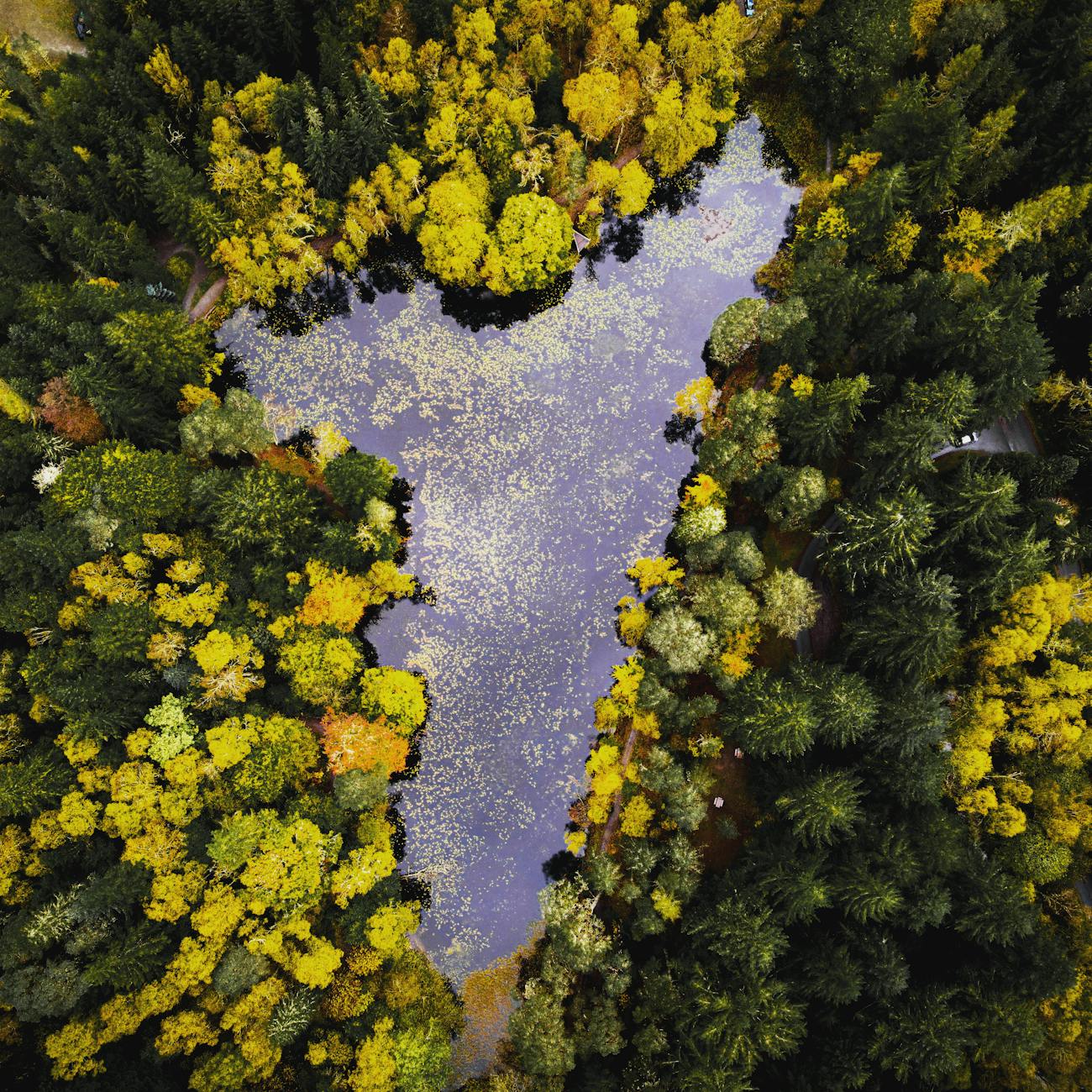
Artificial Intelligence (AI)
Artificial Intelligence, commonly referred to as AI, is the simulation of human intelligence processes by machines, especially computer systems. These processes include learning, reasoning, problem-solving, perception, and language understanding. AI systems are designed to perform tasks that normally require human intelligence, such as visual perception, speech recognition, decision-making, and language translation.
AI can be categorized into two main types: narrow AI and general AI. Narrow AI, also known as weak AI, is designed to perform specific tasks, such as facial recognition or language translation. General AI, also known as strong AI, is the hypothetical intelligence of a machine that could successfully perform any intellectual task that a human being can. Currently, most AI systems are narrow AI, but researchers are working towards developing general AI.
Applications of AI in Environmental Science
Artificial Intelligence has a wide range of applications in Environmental Science, helping researchers and policymakers better understand and address environmental challenges. Some key applications of AI in Environmental Science include:
1. Climate Change Modeling: AI algorithms can analyze vast amounts of climate data to predict future climate trends, helping scientists understand the impact of human activities on the environment and develop strategies to mitigate climate change.
2. Biodiversity Conservation: AI can be used to analyze satellite imagery and identify patterns in biodiversity, helping conservationists monitor endangered species and protect biodiversity hotspots.
3. Pollution Monitoring: AI-powered sensors and drones can monitor air and water quality in real-time, providing valuable data for policymakers to address pollution issues and improve environmental health.
4. Disaster Response: AI systems can analyze satellite images and social media data to assess the impact of natural disasters, helping emergency responders coordinate rescue efforts and allocate resources more effectively.
Challenges of AI in Environmental Science
While AI has great potential to revolutionize Environmental Science, it also presents several challenges that need to be addressed:
1. Data Quality: AI algorithms rely on high-quality data to make accurate predictions and decisions. In Environmental Science, data can be noisy, incomplete, or biased, which can affect the performance of AI systems.
2. Interpretability: AI models are often seen as "black boxes," making it difficult to understand how they arrive at their decisions. In Environmental Science, it is important to have transparent and interpretable AI models to trust their results.
3. Ethical Considerations: AI systems can perpetuate biases present in the data they are trained on, leading to unfair or discriminatory outcomes. In Environmental Science, it is crucial to address ethical issues related to AI to ensure that decisions are fair and unbiased.
4. Integration with Traditional Methods: AI should be used in conjunction with traditional scientific methods to complement human expertise and domain knowledge. It is essential to strike a balance between AI automation and human intervention in Environmental Science research.
Conclusion
Artificial Intelligence is a powerful tool that can revolutionize Environmental Science by providing insights, predictions, and solutions to complex environmental challenges. By addressing the challenges associated with AI, researchers and policymakers can harness the full potential of AI to protect and preserve the environment for future generations.
Key takeaways
- AI systems are designed to perform tasks that normally require human intelligence, such as visual perception, speech recognition, decision-making, and language translation.
- General AI, also known as strong AI, is the hypothetical intelligence of a machine that could successfully perform any intellectual task that a human being can.
- Artificial Intelligence has a wide range of applications in Environmental Science, helping researchers and policymakers better understand and address environmental challenges.
- Biodiversity Conservation: AI can be used to analyze satellite imagery and identify patterns in biodiversity, helping conservationists monitor endangered species and protect biodiversity hotspots.
- Pollution Monitoring: AI-powered sensors and drones can monitor air and water quality in real-time, providing valuable data for policymakers to address pollution issues and improve environmental health.
- Disaster Response: AI systems can analyze satellite images and social media data to assess the impact of natural disasters, helping emergency responders coordinate rescue efforts and allocate resources more effectively.
- In Environmental Science, data can be noisy, incomplete, or biased, which can affect the performance of AI systems.