
Climate Change Prediction and Adaptation Strategies
Climate Change Prediction and Adaptation Strategies
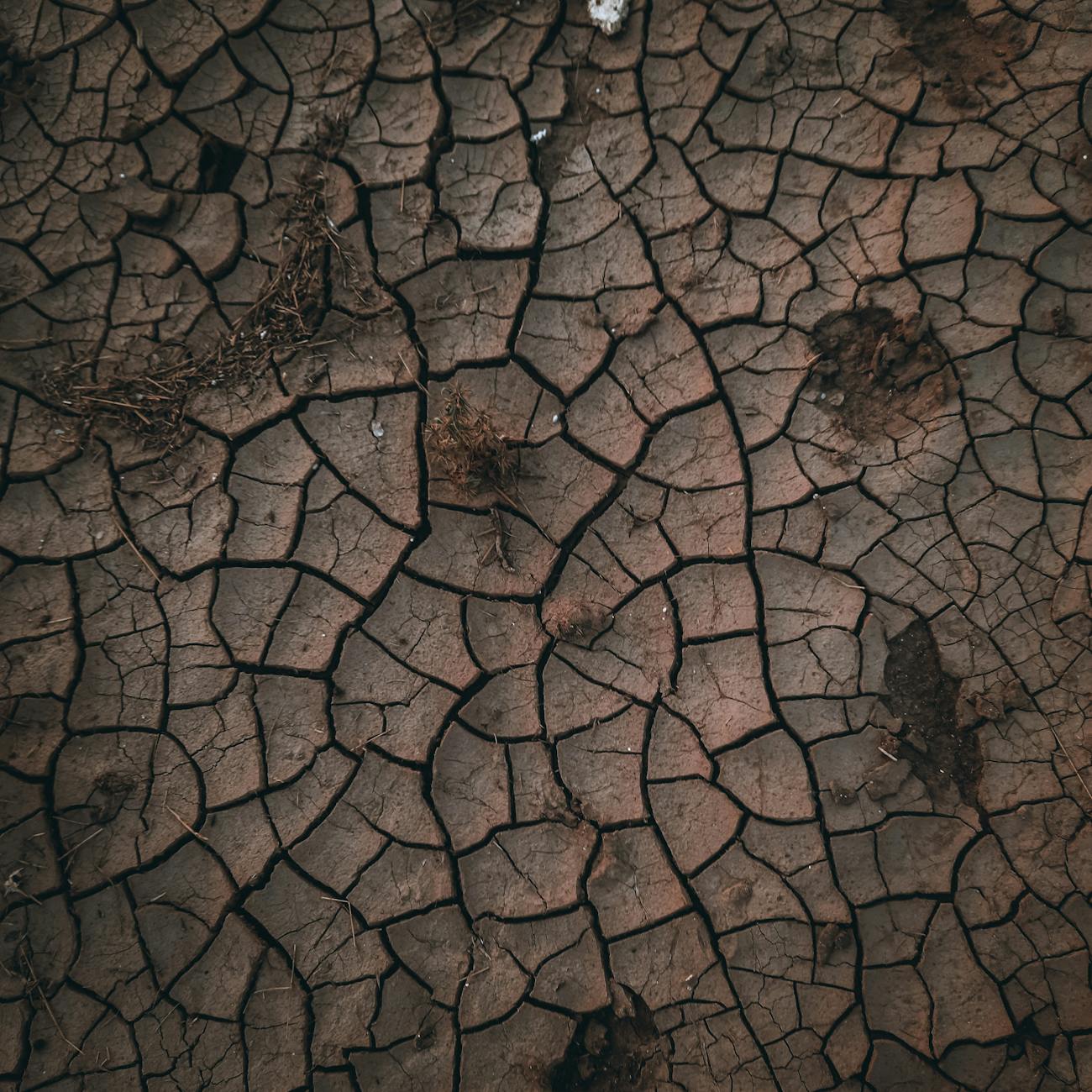
Climate Change Prediction and Adaptation Strategies
Climate Change: Climate change refers to long-term changes in the Earth's climate, including changes in temperature, precipitation, and weather patterns. This phenomenon is primarily driven by human activities, such as the burning of fossil fuels and deforestation, which release greenhouse gases into the atmosphere.
Global Warming: Global warming is a specific aspect of climate change that refers to the overall increase in the Earth's average temperature due to the accumulation of greenhouse gases in the atmosphere. This warming trend has significant implications for the planet's ecosystems, weather patterns, and sea levels.
Greenhouse Gases: Greenhouse gases are gases that trap heat in the Earth's atmosphere, leading to the greenhouse effect. The most common greenhouse gases include carbon dioxide (CO2), methane (CH4), and nitrous oxide (N2O). These gases are released into the atmosphere through human activities like burning fossil fuels and deforestation.
Climate Models: Climate models are computer simulations that are used to predict future climate conditions based on various factors, such as greenhouse gas emissions, solar radiation, and ocean currents. These models help scientists understand how the Earth's climate system works and project potential climate change scenarios.
Temperature Anomalies: Temperature anomalies refer to deviations from the average temperature for a specific location and time period. Positive anomalies indicate temperatures that are higher than average, while negative anomalies indicate temperatures that are lower than average. Monitoring temperature anomalies helps scientists track changes in the Earth's climate.
Extreme Weather Events: Extreme weather events are severe and unusual weather phenomena that occur as a result of climate change. Examples include heatwaves, droughts, hurricanes, and heavy rainfall. These events can have devastating impacts on communities, ecosystems, and infrastructure.
Sea Level Rise: Sea level rise is the gradual increase in the average level of the world's oceans, primarily caused by the melting of glaciers and ice sheets and the thermal expansion of seawater due to global warming. Rising sea levels pose a significant threat to coastal areas, leading to flooding, erosion, and saltwater intrusion.
Adaptation: Adaptation refers to the process of adjusting to the impacts of climate change to minimize risks and take advantage of new opportunities. Adaptation strategies can include infrastructure improvements, changes in land use planning, and the development of early warning systems to prepare for extreme weather events.
Mitigation: Mitigation involves efforts to reduce or prevent the emission of greenhouse gases to limit the extent of climate change. Mitigation strategies include transitioning to renewable energy sources, improving energy efficiency, and promoting sustainable land management practices.
Resilience: Resilience is the ability of a system or community to withstand and recover from the impacts of climate change. Building resilience involves strengthening infrastructure, diversifying livelihoods, and enhancing social cohesion to adapt to changing environmental conditions.
Carbon Footprint: A carbon footprint is the total amount of greenhouse gases emitted directly or indirectly by an individual, organization, or product. It is measured in units of carbon dioxide equivalent (CO2e) and includes emissions from activities like transportation, energy consumption, and waste production.
Sustainability: Sustainability refers to meeting the needs of the present without compromising the ability of future generations to meet their own needs. Sustainable practices aim to balance environmental, social, and economic considerations to ensure long-term prosperity and well-being.
Renewable Energy: Renewable energy sources are sources of energy that are naturally replenished, such as solar, wind, and hydroelectric power. Unlike fossil fuels, renewable energy sources produce minimal greenhouse gas emissions and have the potential to reduce reliance on non-renewable resources.
Carbon Sequestration: Carbon sequestration is the process of capturing and storing carbon dioxide to prevent it from entering the atmosphere. This can be achieved through natural processes like reforestation or through technological methods like carbon capture and storage (CCS).
Climate Resilient Agriculture: Climate resilient agriculture involves practices that help farmers adapt to changing climate conditions while maintaining or increasing crop productivity. Strategies include crop diversification, soil conservation, and water management to reduce vulnerability to climate-related risks.
Ecological Restoration: Ecological restoration is the process of repairing or restoring ecosystems that have been degraded or destroyed by human activities. This can involve reforestation, wetland restoration, or habitat conservation to enhance biodiversity and ecosystem services.
Adaptive Capacity: Adaptive capacity refers to the ability of individuals, communities, or systems to adjust to changing environmental conditions and cope with the impacts of climate change. Building adaptive capacity involves enhancing knowledge, skills, and resources to respond effectively to challenges.
Climate Change Adaptation Planning: Climate change adaptation planning involves developing strategies and policies to reduce vulnerability and build resilience to climate change impacts. This process includes assessing risks, setting priorities, and implementing measures to protect communities and ecosystems.
Integrated Water Resource Management: Integrated water resource management is a holistic approach to managing water resources that considers the interconnectedness of water systems, ecosystems, and human activities. This approach aims to ensure sustainable water use, reduce pollution, and enhance water security in the face of climate change.
Key takeaways
- This phenomenon is primarily driven by human activities, such as the burning of fossil fuels and deforestation, which release greenhouse gases into the atmosphere.
- Global Warming: Global warming is a specific aspect of climate change that refers to the overall increase in the Earth's average temperature due to the accumulation of greenhouse gases in the atmosphere.
- Greenhouse Gases: Greenhouse gases are gases that trap heat in the Earth's atmosphere, leading to the greenhouse effect.
- Climate Models: Climate models are computer simulations that are used to predict future climate conditions based on various factors, such as greenhouse gas emissions, solar radiation, and ocean currents.
- Positive anomalies indicate temperatures that are higher than average, while negative anomalies indicate temperatures that are lower than average.
- Extreme Weather Events: Extreme weather events are severe and unusual weather phenomena that occur as a result of climate change.
- Sea Level Rise: Sea level rise is the gradual increase in the average level of the world's oceans, primarily caused by the melting of glaciers and ice sheets and the thermal expansion of seawater due to global warming.