
Aviation Cybersecurity
Aviation Cybersecurity is a critical area of study in the field of Aviation Security Management. It involves the protection of aviation systems, networks, and data from unauthorized access, use, disclosure, disruption, modification, or dest…
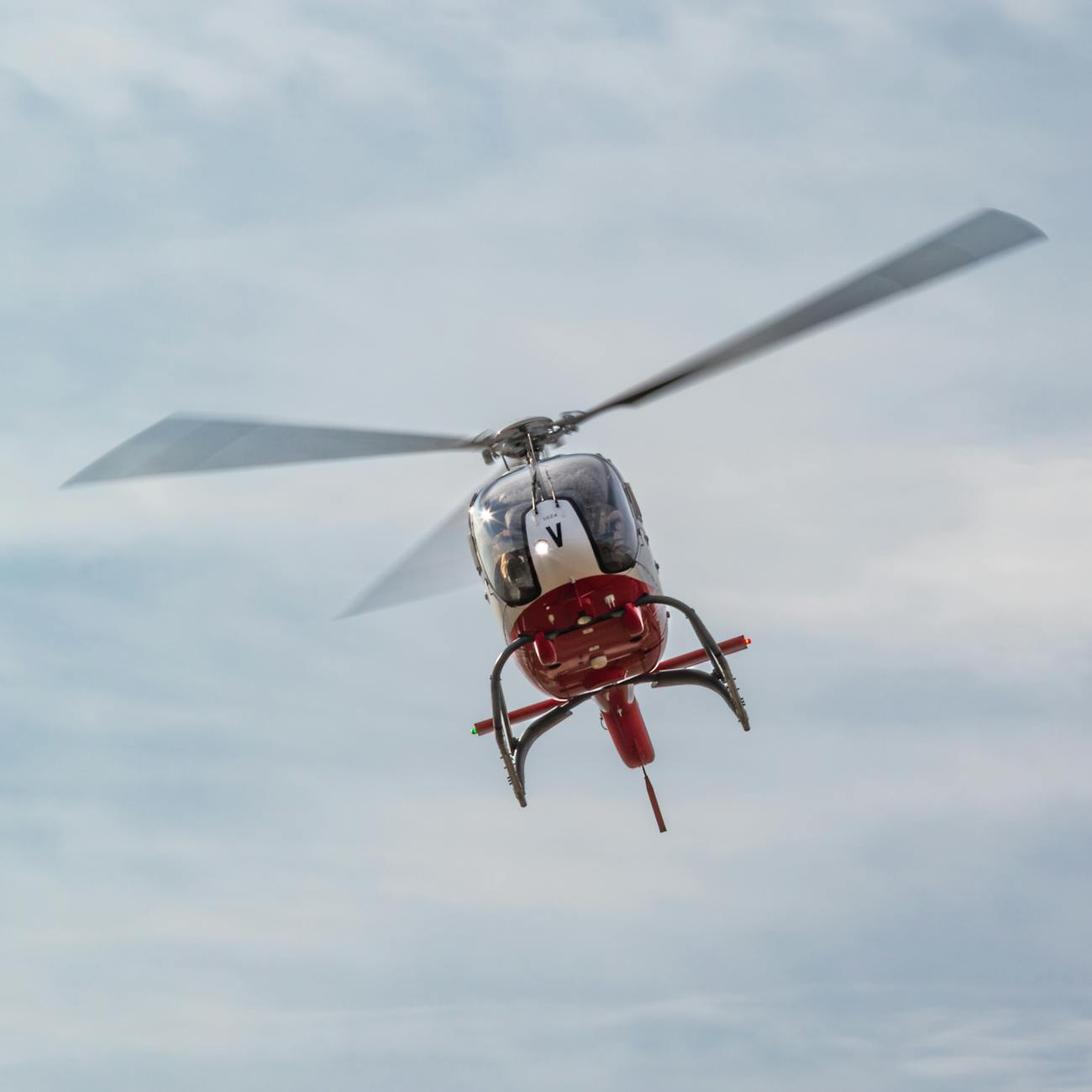
Aviation Cybersecurity is a critical area of study in the field of Aviation Security Management. It involves the protection of aviation systems, networks, and data from unauthorized access, use, disclosure, disruption, modification, or destruction. The following are key terms and vocabulary related to Aviation Cybersecurity:
1. Air Traffic Control (ATC) System: A system that controls the movement of aircraft on the ground and in the air, to ensure safe and efficient operations. 2. Automated Dependent Surveillance-Broadcast (ADS-B): A system that uses GPS technology to provide accurate information about an aircraft's position, velocity, and altitude to ATC and other aircraft. 3. Cyber Threat: Any potential danger to aviation systems, networks, or data that is caused by intentional or unintentional human actions, or by natural disasters. 4. Cybersecurity: The practice of protecting aviation systems, networks, and data from cyber threats. 5. Firewall: A security system that monitors and controls incoming and outgoing network traffic based on predetermined security rules. 6. Intrusion Detection System (IDS): A system that monitors network traffic for suspicious activity and alerts security personnel when a potential threat is detected. 7. Malware: Software that is designed to disrupt, damage, or gain unauthorized access to aviation systems, networks, or data. 8. Network Security: The practice of protecting aviation networks from unauthorized access, use, disclosure, disruption, modification, or destruction. 9. Phishing: A social engineering attack that uses email or text messages to trick recipients into revealing sensitive information, such as passwords or credit card numbers. 10. Ransomware: A type of malware that encrypts aviation systems, networks, or data and demands payment in exchange for the decryption key. 11. Social Engineering: The use of deception to manipulate individuals into revealing sensitive information or performing actions that compromise aviation systems, networks, or data. 12. System Security: The practice of protecting aviation systems from unauthorized access, use, disclosure, disruption, modification, or destruction. 13. Vulnerability: A weakness in aviation systems, networks, or data that can be exploited by cyber threats.
Aviation cybersecurity is a complex and constantly evolving field that requires a deep understanding of the various threats and vulnerabilities that can affect aviation systems, networks, and data. To be effective, aviation cybersecurity must be integrated into all aspects of aviation operations, from the design and development of aviation systems and networks, to their implementation, maintenance, and use.
One of the most significant threats to aviation cybersecurity is the insider threat. Insiders are individuals who have authorized access to aviation systems, networks, or data, but who use that access for malicious purposes. Insiders can include employees, contractors, and even third-party vendors. Insider threats can be difficult to detect and prevent, as insiders have legitimate access to aviation systems, networks, and data.
To mitigate the risk of insider threats, aviation organizations must implement strict access controls and monitoring systems. Access controls ensure that individuals only have access to the systems, networks, and data that they need to perform their job functions. Monitoring systems track and log all access to aviation systems, networks, and data, allowing organizations to detect and respond to any suspicious activity.
Another significant threat to aviation cybersecurity is external attacks. External attacks can come from a variety of sources, including nation-states, cybercriminal organizations, and hacktivist groups. External attacks can take many forms, including malware attacks, phishing attacks, and denial of service (DoS) attacks.
To mitigate the risk of external attacks, aviation organizations must implement strong network security measures. Network security measures include firewalls, intrusion detection systems (IDS), and encryption technologies. Firewalls monitor and control incoming and outgoing network traffic based on predetermined security rules. IDS systems monitor network traffic for suspicious activity and alert security personnel when a potential threat is detected. Encryption technologies protect aviation data in transit and at rest, ensuring that it cannot be intercepted or accessed by unauthorized individuals.
Aviation organizations must also be prepared to respond to cybersecurity incidents. A cybersecurity incident is any event that compromises the confidentiality, integrity, or availability of aviation systems, networks, or data. Incident response plans should include procedures for detecting, analyzing, containing, and recovering from cybersecurity incidents.
In addition to technical measures, aviation organizations must also implement cultural and organizational changes to support aviation cybersecurity. This includes creating a culture of security, where all employees are aware of the importance of cybersecurity and are trained to follow security best practices. It also includes implementing policies and procedures that support cybersecurity, such as password policies, Bring Your Own Device (BYOD) policies, and remote access policies.
Aviation cybersecurity is a critical area of study in the field of Aviation Security Management. By understanding the key terms and vocabulary related to aviation cybersecurity, aviation professionals can better protect aviation systems, networks, and data from cyber threats. However, aviation cybersecurity is not a one-time task but an ongoing process that requires continuous monitoring, updating, and improvement.
In conclusion, Aviation Cybersecurity is a vital aspect of Aviation Security Management, and it is essential to understand the key terms and vocabulary related to it. Aviation systems, networks, and data are constantly at risk from various cyber threats, and it is crucial to implement strong cybersecurity measures to protect them. These measures include access controls, monitoring systems, network security measures, incident response plans, and cultural and organizational changes. By understanding and implementing these measures, aviation professionals can help ensure the safety and security of aviation operations and the traveling public.
Key takeaways
- It involves the protection of aviation systems, networks, and data from unauthorized access, use, disclosure, disruption, modification, or destruction.
- Automated Dependent Surveillance-Broadcast (ADS-B): A system that uses GPS technology to provide accurate information about an aircraft's position, velocity, and altitude to ATC and other aircraft.
- To be effective, aviation cybersecurity must be integrated into all aspects of aviation operations, from the design and development of aviation systems and networks, to their implementation, maintenance, and use.
- Insiders are individuals who have authorized access to aviation systems, networks, or data, but who use that access for malicious purposes.
- Monitoring systems track and log all access to aviation systems, networks, and data, allowing organizations to detect and respond to any suspicious activity.
- External attacks can come from a variety of sources, including nation-states, cybercriminal organizations, and hacktivist groups.
- Encryption technologies protect aviation data in transit and at rest, ensuring that it cannot be intercepted or accessed by unauthorized individuals.