
Aviation Security Technology
Aviation Security Technology is a critical component of the Postgraduate Certificate in Aviation Security Management. This explanation will cover key terms and vocabulary related to aviation security technology.
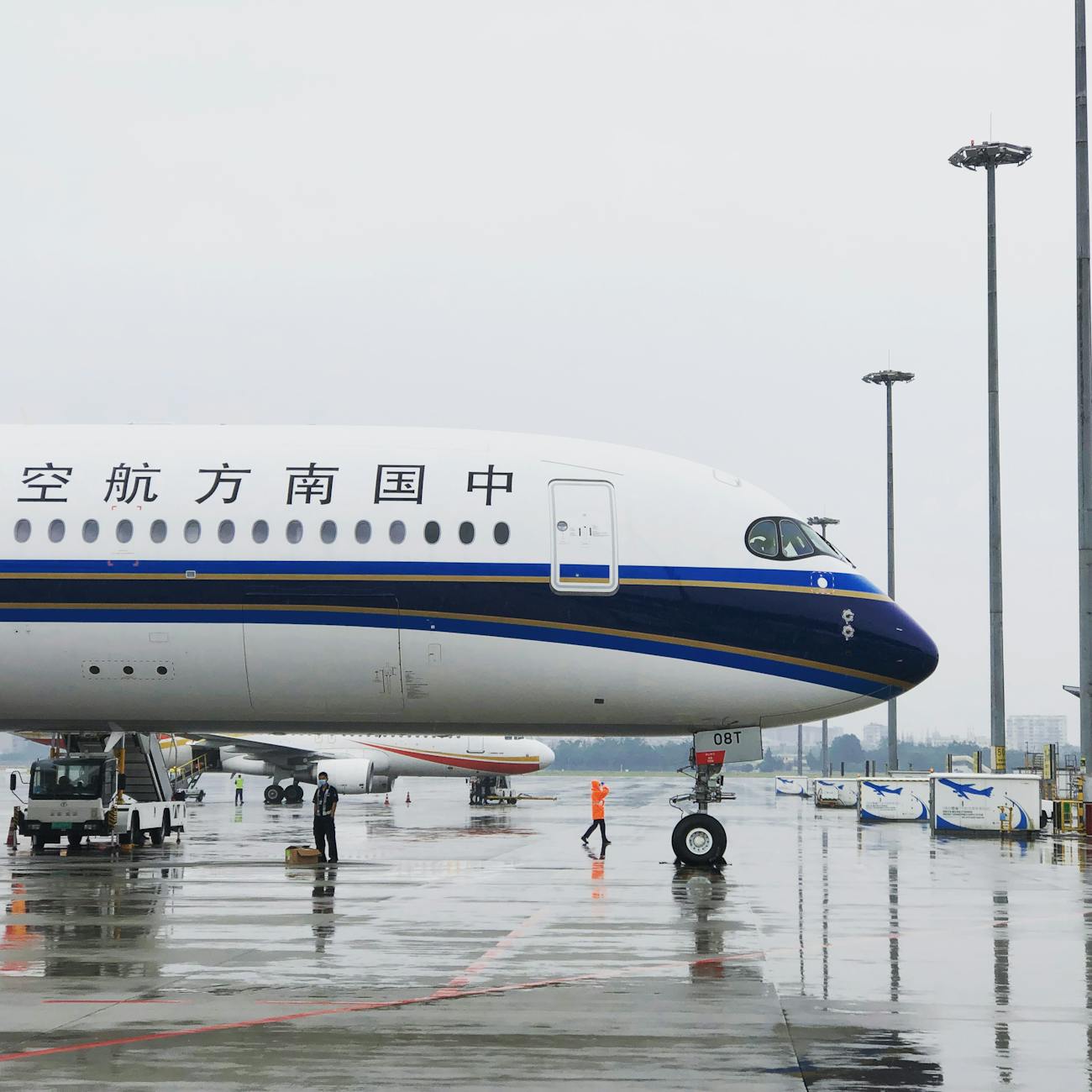
Aviation Security Technology is a critical component of the Postgraduate Certificate in Aviation Security Management. This explanation will cover key terms and vocabulary related to aviation security technology.
1. Access Control: Access control is the selective restriction of access to a place or other resource. In aviation security, access control refers to the measures taken to prevent unauthorized access to airports, aircraft, and other sensitive areas. Access control can be achieved through the use of physical barriers, such as fences and gates, as well as electronic systems, such as ID cards and biometric scanners. 2. Biometric Identification: Biometric identification is the use of unique physical or behavioral characteristics to identify individuals. In aviation security, biometric identification is used to verify the identity of passengers and crew members. Examples of biometric identification methods used in aviation security include fingerprint scanning, facial recognition, and iris scanning. 3. CCTV: Closed-circuit television (CCTV) is a system of video cameras that transmit signals to a specific place, typically a monitoring station. In aviation security, CCTV is used to monitor airport facilities, such as terminals, baggage claim areas, and security checkpoints. CCTV systems can also be used to monitor aircraft and other sensitive areas. 4. Explosive Detection Systems: Explosive detection systems (EDS) are machines that are used to detect explosives in baggage and cargo. EDS use a variety of technologies, including X-ray, computed tomography (CT), and trace detection, to identify explosives. EDS are used at airport security checkpoints and in cargo screening facilities. 5. Full-body Scanner: A full-body scanner is a machine that uses advanced imaging technology to create a detailed image of a person's body. Full-body scanners are used at airport security checkpoints to detect hidden weapons and explosives. Full-body scanners can use millimeter wave or backscatter technology to create images. 6. Millimeter Wave Technology: Millimeter wave technology uses electromagnetic waves to create an image of a person's body. Millimeter wave technology is safer than backscatter technology because it does not use radiation. Millimeter wave technology can also detect non-metallic items, such as plastic weapons and explosives. 7. Backscatter Technology: Backscatter technology uses low-energy X-rays to create an image of a person's body. Backscatter technology can detect both metallic and non-metallic items, but it uses radiation, which raises health concerns. 8. Metal Detector: A metal detector is a device that uses electromagnetic fields to detect the presence of metal. Metal detectors are used at airport security checkpoints to detect weapons and other metal objects that could be used to cause harm. 9. Pat-down: A pat-down is a physical search of a person's body. Pat-downs are used at airport security checkpoints when a passenger or their belongings trigger an alarm in a metal detector or full-body scanner. Pat-downs are also used when a passenger opts out of a full-body scanner or when a passenger is randomly selected for additional screening. 10. Secure Flight Program: The Secure Flight Program is a U.S. government program that screens passenger information against watchlists to determine if a passenger poses a security threat. The Secure Flight Program is designed to prevent individuals on the no-fly list from boarding aircraft and to identify individuals who may require additional screening. 11. Threat Image Projection: Threat image projection (TIP) is a technique used to test the effectiveness of aviation security equipment. TIP involves projecting an image of a weapon or explosive onto an X-ray image of baggage or cargo. TIP is used to ensure that security equipment is functioning properly and that security personnel are properly trained to detect threats. 12. Trace Detection: Trace detection is the use of technology to detect trace amounts of explosives or other chemicals. Trace detection is used at airport security checkpoints and in cargo screening facilities to detect explosives that may be hidden in baggage or cargo. 13. Transportation Security Administration (TSA): The Transportation Security Administration (TSA) is a U.S. government agency responsible for aviation security. The TSA is responsible for screening passengers and baggage at U.S. airports, as well as providing security for aircraft and other transportation systems. 14. Walk-through Metal Detector: A walk-through metal detector is a device that uses electromagnetic fields to detect the presence of metal. Walk-through metal detectors are used at airport security checkpoints to detect weapons and other metal objects that could be used to cause harm.
Examples:
* A full-body scanner at an airport security checkpoint detects a plastic knife hidden in a passenger's clothing. * A metal detector at an airport security checkpoint alerts to a passenger's metal belt buckle. * A trace detection machine at a cargo screening facility detects explosives in a shipment of luggage.
Practical Applications:
* Implementing access control measures to prevent unauthorized access to airport facilities and aircraft. * Using biometric identification to verify the identity of passengers and crew members. * Installing CCTV systems to monitor airport facilities and detect suspicious activity. * Using explosive detection systems to screen baggage and cargo for explosives. * Conducting pat-downs and using metal detectors and full-body scanners to detect weapons and other threats at airport security checkpoints.
Challenges:
* Ensuring that aviation security technology is effective and reliable. * Balancing the need for security with the need to maintain passenger privacy and convenience. * Addressing health concerns related to the use of radiation in aviation security technology. * Ensuring that security personnel are properly trained to use aviation security technology. * Keeping up with evolving threats and developing new technology to address those threats.
In conclusion, aviation security technology plays a critical role in ensuring the safety and security of passengers, crew members, and aircraft. Understanding the key terms and vocabulary related to aviation security technology is essential for those working in the aviation security field. By staying up-to-date with the latest technology and best practices, aviation security professionals can help protect against threats and ensure the safety of the aviation industry.
Key takeaways
- Aviation Security Technology is a critical component of the Postgraduate Certificate in Aviation Security Management.
- The Secure Flight Program is designed to prevent individuals on the no-fly list from boarding aircraft and to identify individuals who may require additional screening.
- * A full-body scanner at an airport security checkpoint detects a plastic knife hidden in a passenger's clothing.
- * Conducting pat-downs and using metal detectors and full-body scanners to detect weapons and other threats at airport security checkpoints.
- * Balancing the need for security with the need to maintain passenger privacy and convenience.
- By staying up-to-date with the latest technology and best practices, aviation security professionals can help protect against threats and ensure the safety of the aviation industry.