
Unit 8: Waste-to-Energy Policies and Regulations
Waste-to-Energy (WtE) is the process of generating energy in the form of electricity and/or heat from the incineration of waste. This unit focuses on the key policies and regulations that govern the WtE industry. Here are some of the key te…
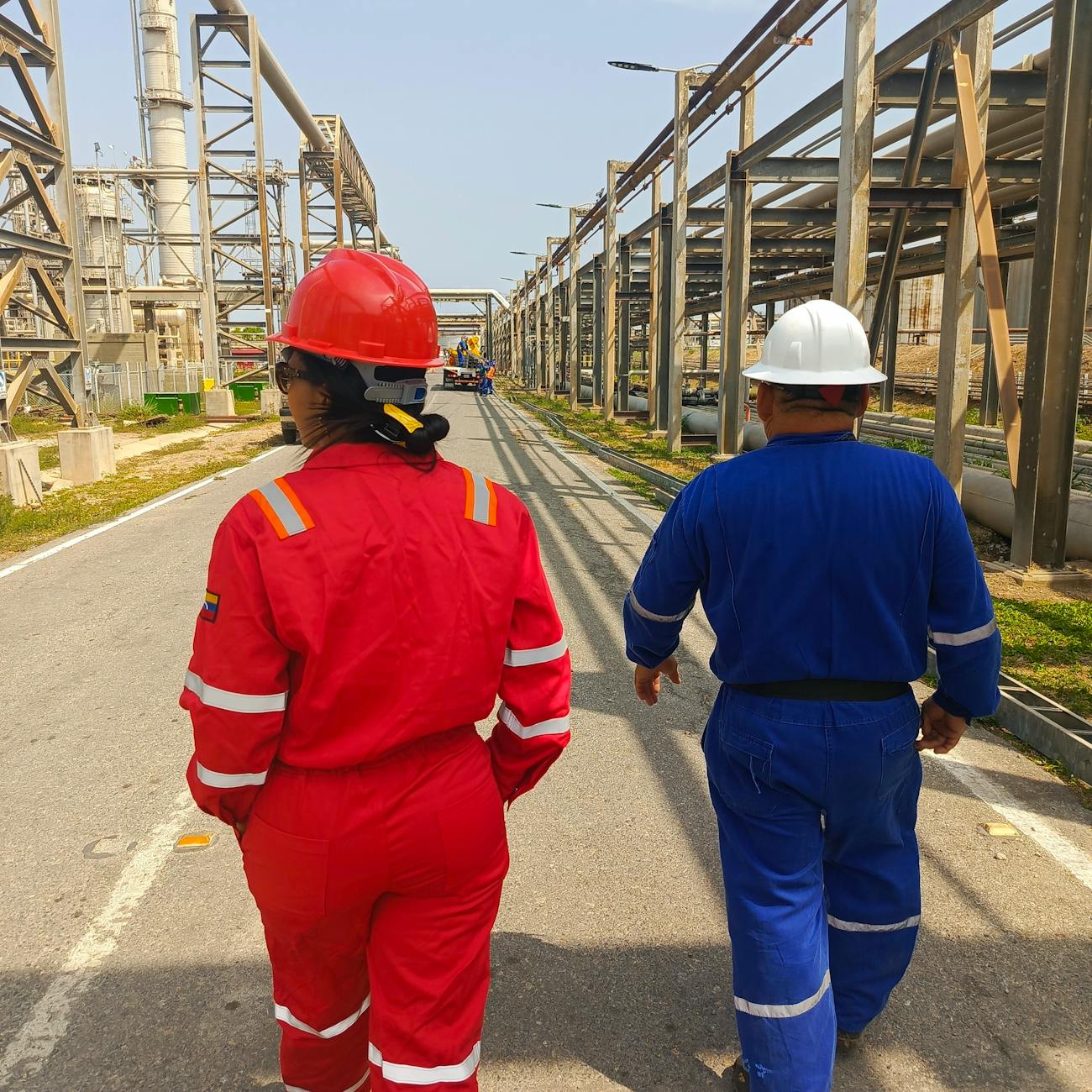
Waste-to-Energy (WtE) is the process of generating energy in the form of electricity and/or heat from the incineration of waste. This unit focuses on the key policies and regulations that govern the WtE industry. Here are some of the key terms and vocabulary you need to know:
1. Waste-to-Energy: The process of generating energy from waste through various technologies such as incineration, anaerobic digestion, and landfill gas recovery. 2. Municipal Solid Waste (MSW): Household and commercial waste generated in a community. MSW is the most common type of waste used in WtE facilities. 3. Incineration: The process of burning waste in a controlled environment to generate heat, which is then converted into electricity. 4. Anaerobic Digestion: A biological process that breaks down organic waste in the absence of oxygen to produce biogas, which can be used to generate electricity and heat. 5. Landfill Gas Recovery: The process of capturing methane gas produced by decomposing waste in a landfill and using it to generate electricity and heat. 6. Emission Standards: Regulations that limit the amount of pollutants that can be released into the air by WtE facilities. 7. Best Available Techniques (BAT): The most effective and efficient waste management technologies and techniques available at a given time. BAT is used to set emission standards and other regulations for WtE facilities. 8. Waste Hierarchy: The priority order for managing waste, which is: prevention, reuse, recycling, recovery, and disposal. 9. Circular Economy: An economic system that aims to eliminate waste and the continual use of resources. WtE is a key component of the circular economy because it recovers energy from waste that cannot be prevented, reused, or recycled. 10. Energy-from-Waste (EfW): Another term for WtE that emphasizes the energy-generating aspect of the process. 11. Combined Heat and Power (CHP): A technology that generates both heat and electricity from a single source, such as a WtE facility. 12. Greenhouse Gases (GHGs): Gases that trap heat in the atmosphere, contributing to climate change. WtE facilities can reduce GHG emissions by generating energy from waste instead of using fossil fuels. 13. Carbon Footprint: The total amount of GHGs emitted by an individual, organization, or activity. WtE facilities can help reduce carbon footprints by generating energy from waste instead of using fossil fuels. 14. Renewable Energy: Energy generated from sources that are replenished naturally, such as wind, solar, and biomass. WtE is considered a renewable energy source because waste is continually generated by society. 15. Resource Efficiency: The efficient use of resources to reduce waste and minimize environmental impact. WtE is a resource-efficient technology because it recovers energy from waste that would otherwise be disposed of in a landfill. 16. Waste Management: The systematic collection, transportation, processing, and disposal of waste. WtE is a type of waste management that focuses on recovering energy from waste. 17. Extended Producer Responsibility (EPR): A policy that requires manufacturers to take responsibility for the waste generated by their products. EPR can encourage the design of products that are easier to recycle and reduce the amount of waste sent to WtE facilities. 18. Integrated Waste Management: A holistic approach to waste management that considers all aspects of the waste stream, from prevention to disposal. WtE is one component of integrated waste management. 19. Life-Cycle Assessment (LCA): A method for evaluating the environmental impact of a product or process, from cradle to grave. LCA can be used to compare the environmental impact of WtE with other waste management options. 20. Sustainability: The ability to meet the needs of the present without compromising the ability of future generations to meet their own needs. WtE can contribute to sustainability by reducing waste, conserving resources, and generating renewable energy.
Challenges:
One of the main challenges of WtE policies and regulations is balancing the need to reduce waste and conserve resources with the need to generate energy. WtE facilities can divert waste from landfills, reduce GHG emissions, and generate renewable energy, but they can also create incentives for waste generation and discourage recycling.
Another challenge is setting emission standards that are strict enough to protect public health and the environment while allowing WtE facilities to operate economically. Emission standards can be costly to implement and can create barriers to entry for new facilities.
Examples:
The European Union has set ambitious targets for WtE, with a goal of recycling 65% of municipal waste by 2035. The EU has also established strict emission standards for WtE facilities and promotes the use of BAT.
In the United States, the Resource Conservation and Recovery Act (RCRA) regulates the disposal of solid waste and encourages the use of WtE facilities. The RCRA sets emission standards for WtE facilities and requires facilities to monitor and report their emissions.
Practical Applications:
Policymakers can use the concepts of waste hierarchy, circular economy, and resource efficiency to develop WtE policies and regulations that prioritize waste prevention, reuse, and recycling. They can also use LCA to compare the environmental impact of WtE with other waste management options.
WtE facility operators can use BAT and emission standards to reduce their environmental impact and ensure compliance with regulations. They can also use CHP technology to increase their energy efficiency and reduce their carbon footprint.
Conclusion:
WtE policies and regulations play a critical role in promoting sustainable waste management and generating renewable energy. Understanding the key terms and vocabulary used in this field is essential for policymakers, operators, and stakeholders to make informed decisions and contribute to a more sustainable future.
Key takeaways
- Waste-to-Energy (WtE) is the process of generating energy in the form of electricity and/or heat from the incineration of waste.
- Anaerobic Digestion: A biological process that breaks down organic waste in the absence of oxygen to produce biogas, which can be used to generate electricity and heat.
- WtE facilities can divert waste from landfills, reduce GHG emissions, and generate renewable energy, but they can also create incentives for waste generation and discourage recycling.
- Another challenge is setting emission standards that are strict enough to protect public health and the environment while allowing WtE facilities to operate economically.
- The European Union has set ambitious targets for WtE, with a goal of recycling 65% of municipal waste by 2035.
- In the United States, the Resource Conservation and Recovery Act (RCRA) regulates the disposal of solid waste and encourages the use of WtE facilities.
- Policymakers can use the concepts of waste hierarchy, circular economy, and resource efficiency to develop WtE policies and regulations that prioritize waste prevention, reuse, and recycling.