
Unit 10: Future of Waste-to-Energy Conversion.
Waste-to-Energy (WtE) Conversion is a set of technologies and processes that convert non-recyclable waste into usable forms of energy, such as electricity, heat, or fuel. Unit 10 of the Professional Certificate in Waste-to-Energy Conversion…
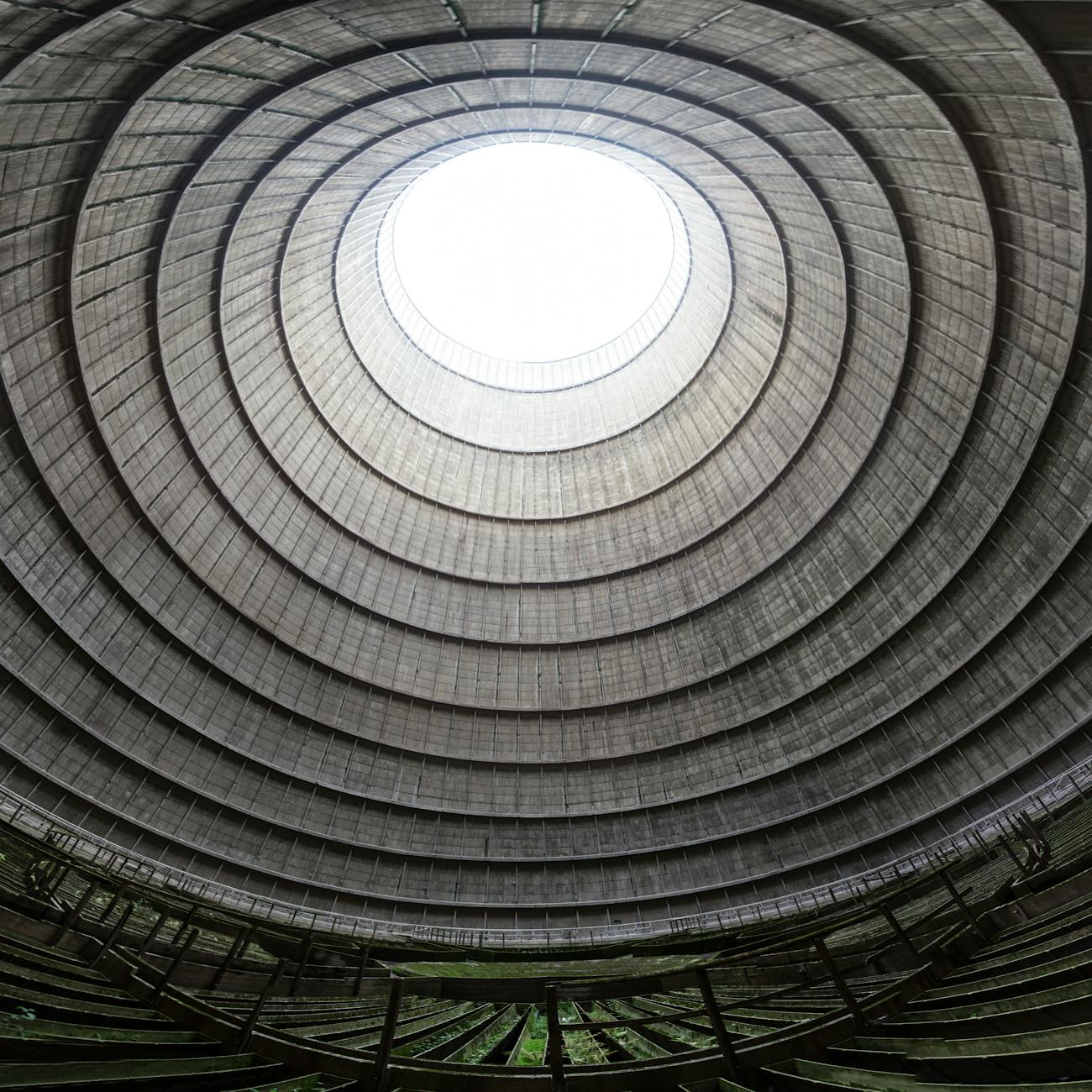
Waste-to-Energy (WtE) Conversion is a set of technologies and processes that convert non-recyclable waste into usable forms of energy, such as electricity, heat, or fuel. Unit 10 of the Professional Certificate in Waste-to-Energy Conversion focuses on the future of WtE conversion, including emerging trends, technologies, and challenges. Here are some key terms and vocabulary related to this unit:
1. Advanced Conversion Technologies (ACTs): ACTs refer to a group of innovative waste-to-energy conversion methods that go beyond traditional mass burn and modular incineration. These methods include gasification, pyrolysis, plasma arc, and anaerobic digestion. 2. Circular Economy: A circular economy is a system that is designed to be restorative and regenerative by design. It aims to keep products and materials in use for as long as possible, reduce waste and pollution, and increase resource productivity. 3. Cogeneration: Cogeneration, also known as combined heat and power (CHP), is a highly efficient process that captures and utilizes the heat that is generated during the electricity production process. 4. Energy-from-Waste (EfW): EfW is a term used to describe the process of generating energy (usually electricity or heat) from the combustion of waste. 5. Gasification: Gasification is a thermochemical process that converts organic or fossil fuel-based carbonaceous materials into a gas mixture consisting primarily of carbon monoxide (CO), hydrogen (H2), and carbon dioxide (CO2). 6. Greenhouse Gases (GHGs): GHGs are gases in Earth's atmosphere that trap heat. They include carbon dioxide (CO2), methane (CH4), nitrous oxide (N2O), and fluorinated gases. 7. Integrated Waste Management (IWM): IWM is a comprehensive approach to managing waste that involves a range of strategies, including reduction, reuse, recycling, and energy recovery. 8. Life-Cycle Assessment (LCA): LCA is a method for evaluating the environmental impacts of a product or service throughout its entire life cycle, from raw material extraction to end-of-life disposal. 9. Material Recovery Facility (MRF): An MRF is a facility that sorts and processes recyclable materials to prepare them for sale to end markets. 10. Negative Emissions Technologies (NETs): NETs are technologies that remove carbon dioxide from the atmosphere and store it permanently, either underground or in products or materials. 11. Plasma Arc Gasification: Plasma arc gasification is a type of gasification that uses a high-temperature plasma arc to break down waste into a gas mixture consisting primarily of syngas (a mixture of hydrogen and carbon monoxide). 12. Pyrolysis: Pyrolysis is a thermochemical process that decomposes organic materials in the absence of oxygen, producing a gas mixture consisting primarily of hydrogen, carbon monoxide, and methane. 13. Resource Efficiency: Resource efficiency refers to the efficient use of resources, including materials, energy, and water, to minimize waste and pollution and maximize economic and social benefits. 14. Sustainable Development Goals (SDGs): The SDGs are a set of 17 interconnected goals adopted by the United Nations in 2015, aimed at ending poverty, protecting the planet, and ensuring peace and prosperity for all. 15. Thermal Treatment: Thermal treatment is a waste treatment method that uses heat to convert waste into energy or inert materials. 16. Waste Hierarchy: The waste hierarchy is a prioritization framework that ranks waste management strategies according to their environmental impact, with prevention and reduction at the top and disposal at the bottom.
Emerging Trends in Waste-to-Energy Conversion ----------------------------------------------
The WtE industry is constantly evolving, with new technologies and trends emerging all the time. Here are some of the most significant trends in the future of WtE conversion:
1. Advanced Conversion Technologies (ACTs): ACTs are becoming increasingly popular as they offer a more efficient and sustainable way to convert waste into energy. These technologies include gasification, pyrolysis, plasma arc, and anaerobic digestion. 2. Circular Economy: The circular economy is a new approach to resource management that emphasizes the need to keep resources in use for as long as possible, reduce waste and pollution, and increase resource productivity. WtE has a critical role to play in the circular economy by recovering energy and materials from waste. 3. Cogeneration: Cogeneration is becoming more widespread as it offers a highly efficient way to generate electricity and heat from waste. This approach can significantly reduce greenhouse gas emissions and improve energy efficiency. 4. Decentralized Energy Systems: Decentralized energy systems, such as small-scale WtE plants, are becoming more popular as they offer a more flexible and resilient way to generate energy. These systems can also help to reduce energy losses associated with long-distance transmission. 5. Digitalization: Digitalization is transforming the WtE industry, with new technologies such as sensors, automation, and data analytics helping to improve efficiency, safety, and sustainability. 6. Integrated Waste Management (IWM): IWM is becoming more important as it offers a holistic approach to waste management that considers the entire lifecycle of waste, from generation to disposal. 7. Life-Cycle Assessment (LCA): LCA is becoming more widely used in the WtE industry to evaluate the environmental impacts of different waste management strategies. This approach can help to identify the most sustainable and cost-effective solutions. 8. Negative Emissions Technologies (NETs): NETs are becoming more important as they offer a way to remove carbon dioxide from the atmosphere and mitigate the effects of climate change. WtE plants can potentially be adapted to function as NETs by capturing and storing carbon dioxide. 9. Resource Efficiency: Resource efficiency is becoming more critical as the world faces increasing pressure to reduce waste and pollution and conserve resources. WtE can play a significant role in resource efficiency by recovering energy and materials from waste.
Challenges in Waste-to-Energy Conversion ----------------------------------------
While WtE has many benefits, there are also several challenges that need to be addressed to ensure its long-term sustainability. Here are some of the most significant challenges in the future of WtE conversion:
1. Emissions and Pollution: WtE plants can produce emissions and pollution, including greenhouse gases, particulates, and heavy metals. These emissions can have significant environmental and health impacts if not properly managed. 2. Public Perception: WtE can be controversial, with some members of the public expressing concerns about emissions, health impacts, and the ethics of burning waste. 3. Regulatory Framework: The regulatory framework for WtE can be complex and vary significantly between countries and regions. This complexity can create barriers to entry and limit the adoption of new technologies. 4. Technology Development: While ACTs offer significant potential, they are still in the early stages of development and require significant investment and research to realize their full potential. 5. Waste Management Infrastructure: WtE requires significant investment in infrastructure, including collection, transportation, and processing. This infrastructure can be costly to develop and maintain, particularly in developing countries.
Examples and Practical Applications ----------------------------------
Here are some examples and practical applications of WtE technologies and trends:
1. Advanced Conversion Technologies (ACTs): ACTs are being used in a range of applications, from small-scale community energy projects to large-scale industrial facilities. For example, a plasma arc gasification plant in Japan is used to convert municipal solid waste into hydrogen and electricity. 2. Circular Economy: WtE has a critical role to play in the circular economy by recovering energy and materials from waste. For example, a waste-to-methanol plant in Sweden recovers methanol from waste and uses it to produce biofuels. 3.
Key takeaways
- Waste-to-Energy (WtE) Conversion is a set of technologies and processes that convert non-recyclable waste into usable forms of energy, such as electricity, heat, or fuel.
- Plasma Arc Gasification: Plasma arc gasification is a type of gasification that uses a high-temperature plasma arc to break down waste into a gas mixture consisting primarily of syngas (a mixture of hydrogen and carbon monoxide).
- The WtE industry is constantly evolving, with new technologies and trends emerging all the time.
- Circular Economy: The circular economy is a new approach to resource management that emphasizes the need to keep resources in use for as long as possible, reduce waste and pollution, and increase resource productivity.
- While WtE has many benefits, there are also several challenges that need to be addressed to ensure its long-term sustainability.
- Technology Development: While ACTs offer significant potential, they are still in the early stages of development and require significant investment and research to realize their full potential.
- Advanced Conversion Technologies (ACTs): ACTs are being used in a range of applications, from small-scale community energy projects to large-scale industrial facilities.