
Wildlife Crime and Enforcement
In the context of wildlife crime and enforcement, it is essential to understand the key terms and vocabulary that are commonly used in the field. One of the primary concerns is the poaching of endangered species, which is the illegal huntin…
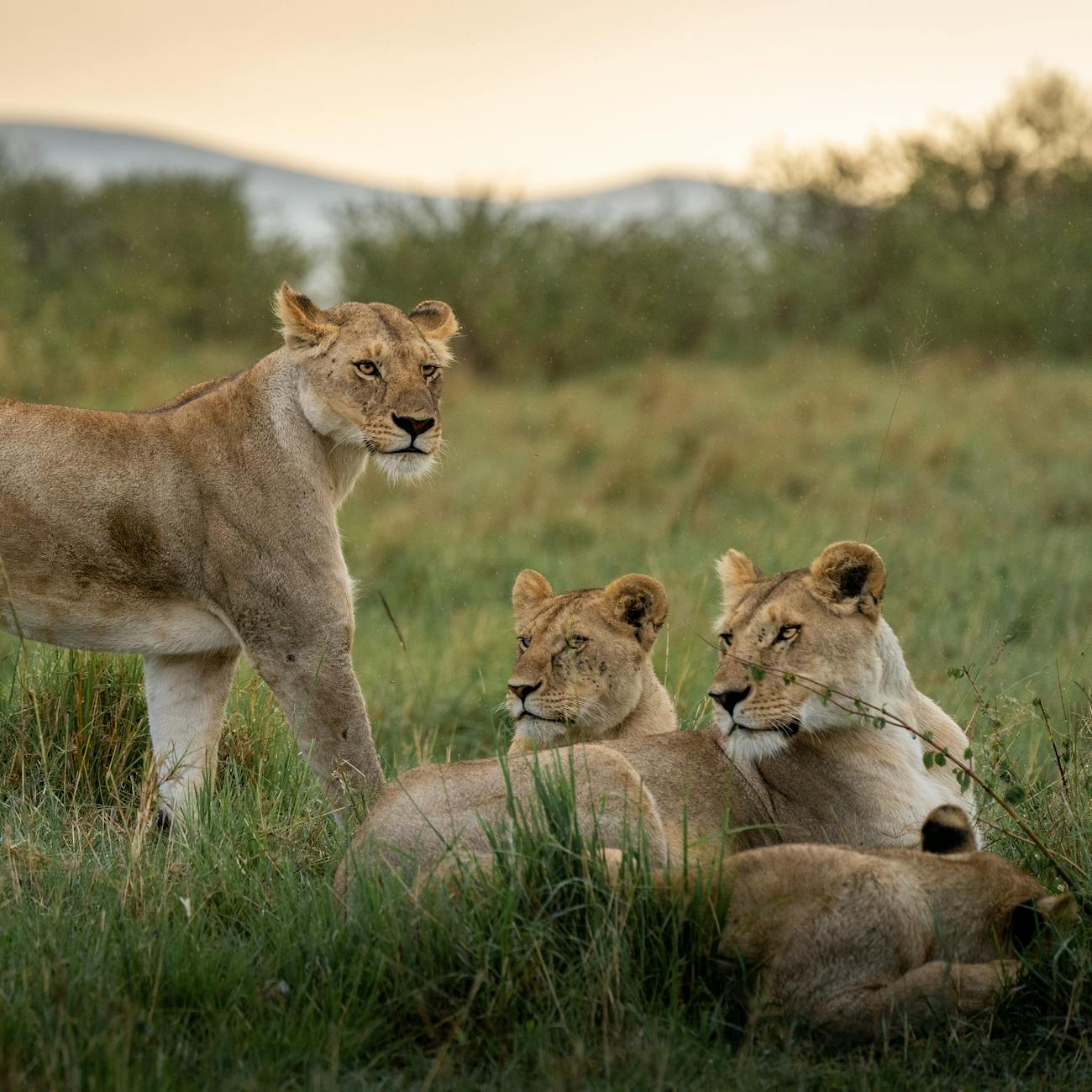
In the context of wildlife crime and enforcement, it is essential to understand the key terms and vocabulary that are commonly used in the field. One of the primary concerns is the poaching of endangered species, which is the illegal hunting or capturing of wild animals. This can have severe consequences for the ecosystem and can lead to the decline or even extinction of certain species. For example, the rhinoceros is a highly sought-after species due to its valuable horn, which is believed to have medicinal properties. As a result, rhino poaching has become a significant problem in many parts of the world, with severe penalties for those caught engaging in this activity.
Another critical term in wildlife crime and enforcement is wildlife trafficking, which refers to the illegal trade of wild animals or their products. This can include the smuggling of animals or animal products across international borders, as well as the sale of these items on the black market. Wildlife trafficking is a significant problem, as it can lead to the exploitation and extinction of many species. For instance, the tiger is a highly valued species, with its parts being used in traditional medicine. As a result, tiger poaching and trafficking have become major concerns, with many organizations working to combat these activities.
The convention on International Trade in Endangered Species of Wild Fauna and Flora (CITES) is an international agreement that aims to regulate the trade of endangered species. CITES lists species in three appendices, depending on their level of threat. Appendix I includes species that are threatened with extinction and are prohibited from international trade, while Appendix II includes species that are not currently threatened with extinction but may become so if their trade is not regulated. Appendix III includes species that are protected by national laws and are subject to international trade regulations. For example, the elephant is listed in Appendix I, due to the threat of poaching for its ivory tusks.
In addition to CITES, there are many other international and national laws and agreements that aim to protect wildlife and prevent wildlife crime. For instance, the Endangered Species Act (ESA) is a federal law in the United States that protects threatened and endangered species. The ESA prohibits the hunting, harassing, or capturing of listed species, as well as the destruction of their habitats. Similarly, the European Union's Wildlife Trade Regulations aim to regulate the trade of wild animals and their products within the EU.
The investigation and prosecution of wildlife crime are critical components of wildlife law enforcement. This can involve the use of forensic science, such as DNA analysis and ballistics, to identify and track wildlife products. For example, the analysis of DNA from rhinoceros horn can help to identify the source of the horn and track its movement through the black market. Additionally, intelligence gathering and surveillance can be used to monitor and disrupt wildlife trafficking networks.
The role of law enforcement agencies in combating wildlife crime is essential. These agencies, such as the US Fish and Wildlife Service, work to investigate and prosecute wildlife crime, as well as to educate the public about the importance of protecting wildlife. They also work with other organizations, such as conservation groups and international agencies, to share intelligence and coordinate efforts to combat wildlife crime.
In recent years, there has been an increasing focus on the linkages between wildlife crime and other forms of organized crime, such as terrorism and money laundering. For example, the poaching of rhinoceros and elephant can be linked to terrorist groups, which use the profits from wildlife trafficking to fund their activities. As a result, there is a growing recognition of the need to address wildlife crime as part of a broader strategy to combat organized crime.
The use of technology, such as camera traps and drone surveillance, is becoming increasingly important in the fight against wildlife crime. These tools can be used to monitor wildlife populations and detect poaching activity, as well as to track and apprehend wildlife traffickers. For example, the deployment of camera traps in national parks can help to detect and prevent poaching activity, while the use of drones can help to track and monitor wildlife populations.
The engagement of local communities is critical in the fight against wildlife crime. Many communities rely on wildlife for their livelihood, and may be involved in poaching or wildlife trafficking due to economic necessity. As a result, it is essential to work with these communities to develop sustainable livelihoods and promote the conservation of wildlife. For example, the development of ecotourism initiatives can provide economic benefits to local communities while promoting the protection of wildlife.
The impact of wildlife crime on human well-being is significant. Wildlife crime can lead to the loss of livelihoods, as well as the degradation of ecosystems and the spread of disease. For example, the poaching of elephant can lead to the destruction of habitats and the displacement of human communities. Additionally, the trade in wildlife products can lead to the transmission of diseases, such as Ebola and SARS.
The challenges in combating wildlife crime are significant. One of the main challenges is the lack of resources, including funding and personnel. Additionally, the corruption and collusion of government officials and law enforcement agencies can hinder efforts to combat wildlife crime. Furthermore, the complexity of wildlife trafficking networks and the use of advanced technology, such as encryption and money laundering, can make it difficult to track and disrupt these networks.
The future of wildlife law enforcement will likely involve the increased use of technology, such as artificial intelligence and machine learning, to track and disrupt wildlife trafficking networks. Additionally, there will be a growing focus on the linkages between wildlife crime and other forms of organized crime, as well as the impact of wildlife crime on human well-being. The engagement of local communities and the development of sustainable livelihoods will also be critical in the fight against wildlife crime.
The importance of international cooperation in combating wildlife crime cannot be overstated. Wildlife crime is a transnational problem, and requires a coordinated response from governments and law enforcement agencies around the world. The sharing of intelligence and the coordination of efforts to combat wildlife crime will be essential in the future. For example, the establishment of international task forces and the development of global strategies to combat wildlife crime will be critical in the fight against wildlife trafficking.
The role of non-governmental organizations (NGOs) in combating wildlife crime is also significant. NGOs, such as the World Wildlife Fund (WWF) and the International Fund for Animal Welfare (IFAW), work to support law enforcement efforts and promote the conservation of wildlife. They also work to raise awareness about the impact of wildlife crime and the importance of protecting wildlife. For example, the launch of public awareness campaigns and the development of educational programs can help to reduce the demand for wildlife products and promote the protection of wildlife.
The protection of wildlife is not only important for conservation efforts, but also for human well-being. Wildlife plays a critical role in maintaining healthy ecosystems, which are essential for human survival. The loss of wildlife can lead to the degradation of ecosystems, which can have severe consequences for human health and livelihoods. For example, the pollination of crops by bees and other pollinators is essential for food security, and the loss of these species can have severe consequences for human well-being.
The impact of climate change on wildlife crime is also significant. Climate change can lead to the disruption of ecosystems and the migration of species, which can increase the vulnerability of wildlife to poaching and wildlife trafficking. Additionally, climate change can lead to the increase of extreme weather events, such as droughts and floods, which can further exacerbate the impact of wildlife crime. For example, the drought in Africa can lead to the migration of wildlife to new areas, which can increase the risk of poaching and wildlife trafficking.
The need for effective laws and enforcement mechanisms to combat wildlife crime is critical. The strengthening of laws and regulations, as well as the improvement of enforcement mechanisms, such as border control and customs inspection, will be essential in the fight against wildlife crime. Additionally, the development of international agreements and cooperation between governments and law enforcement agencies will be critical in combating wildlife crime.
The importance of community engagement and participation in combating wildlife crime cannot be overstated. Local communities play a critical role in protecting wildlife and preventing wildlife crime. The involvement of local communities in conservation efforts and the development of sustainable livelihoods will be essential in the fight against wildlife crime. For example, the establishment of community-based conservation programs and the development of ecotourism initiatives can help to promote the protection of wildlife and provide economic benefits to local communities.
The challenges in combating wildlife crime are significant, but there are also many opportunities for innovation and progress. The use of new technologies, such as artificial intelligence and machine learning, can help to track and disrupt wildlife trafficking networks. Additionally, the development of new strategies and approaches to combating wildlife crime, such as the use of community-based conservation and the development of sustainable livelihoods, can help to promote the protection of wildlife and prevent wildlife crime.
In summary, the fight against wildlife crime requires a comprehensive and coordinated approach that involves governments, law enforcement agencies, NGOs, and local communities. The use of new technologies and the development of new strategies and approaches will be essential in combating wildlife crime. The protection of wildlife is not only important for conservation efforts, but also for human well-being, and it is critical that we take action to prevent wildlife crime and promote the conservation of wildlife. The future of wildlife law enforcement will likely involve the increased use of technology and the development of new strategies and approaches to combating wildlife crime, and it is essential that we work together to promote the protection of wildlife and prevent wildlife crime.
Key takeaways
- As a result, rhino poaching has become a significant problem in many parts of the world, with severe penalties for those caught engaging in this activity.
- This can include the smuggling of animals or animal products across international borders, as well as the sale of these items on the black market.
- The convention on International Trade in Endangered Species of Wild Fauna and Flora (CITES) is an international agreement that aims to regulate the trade of endangered species.
- In addition to CITES, there are many other international and national laws and agreements that aim to protect wildlife and prevent wildlife crime.
- For example, the analysis of DNA from rhinoceros horn can help to identify the source of the horn and track its movement through the black market.
- These agencies, such as the US Fish and Wildlife Service, work to investigate and prosecute wildlife crime, as well as to educate the public about the importance of protecting wildlife.
- In recent years, there has been an increasing focus on the linkages between wildlife crime and other forms of organized crime, such as terrorism and money laundering.