
Marine Wildlife Law
Marine wildlife law is a complex and multidisciplinary field that encompasses various aspects of law, biology, ecology, and conservation. It is essential to understand the key terms and vocabulary used in this field to navigate the intricac…
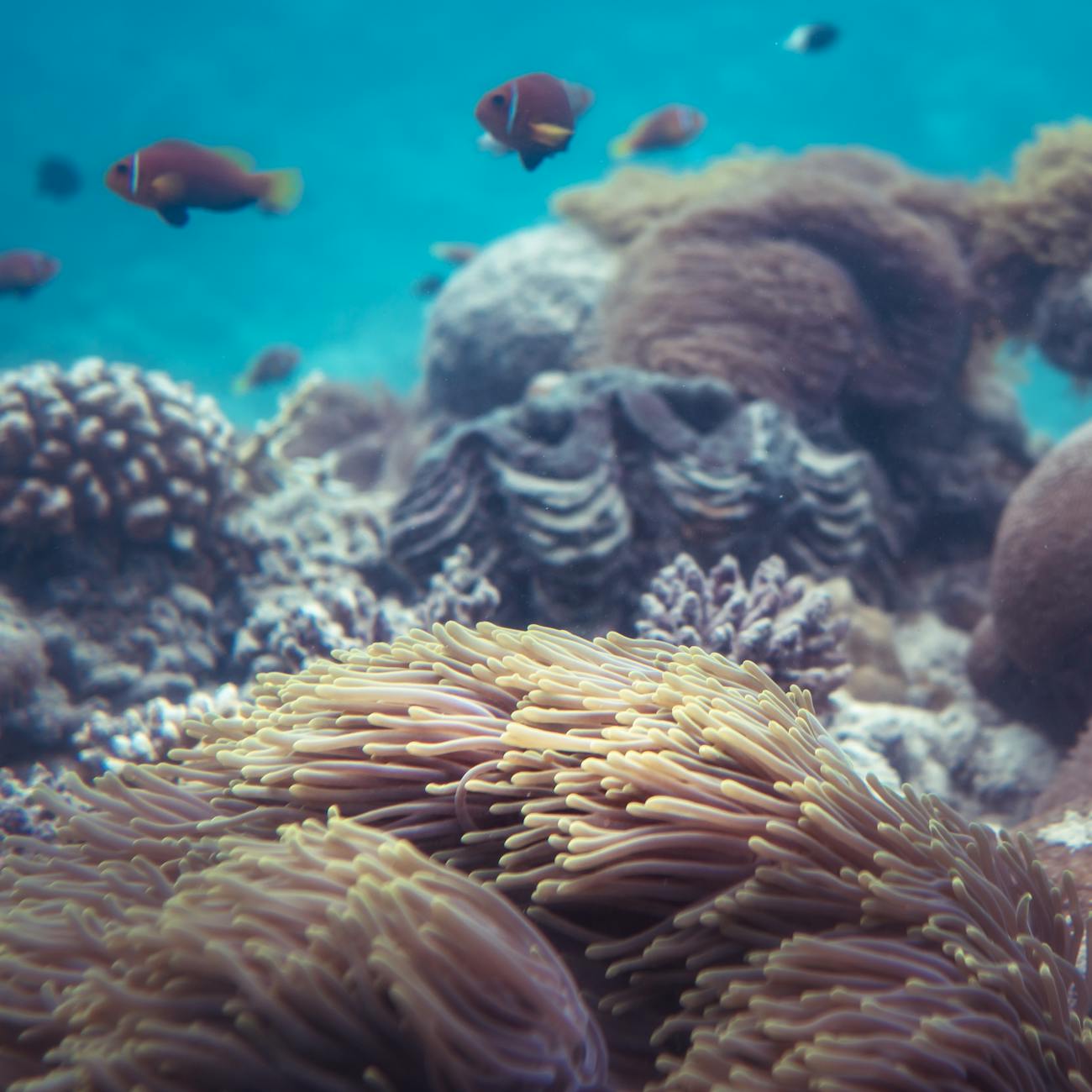
Marine wildlife law is a complex and multidisciplinary field that encompasses various aspects of law, biology, ecology, and conservation. It is essential to understand the key terms and vocabulary used in this field to navigate the intricacies of marine wildlife law effectively. One of the fundamental concepts in marine wildlife law is the notion of species protection. This refers to the legal measures and regulations put in place to conserve and manage species of marine animals, such as whales, dolphins, and sea turtles. These measures can include habitat protection, hunting regulations, and trade restrictions.
The International Whaling Commission (IWC) is an example of an organization that plays a crucial role in regulating whaling activities worldwide. The IWC sets catch limits, monitors whale populations, and provides guidelines for sustainable whaling practices. However, the effectiveness of the IWC has been questioned, and some countries have expressed concerns about the organization's ability to balance the needs of whaling nations with the need to protect whale populations.
Another critical concept in marine wildlife law is the idea of habitat protection. This involves the preservation and conservation of marine ecosystems, such as coral reefs, estuaries, and coastal wetlands. Habitat protection is essential for maintaining biodiversity and ensuring the long-term survival of marine species. The United States, for example, has established a network of marine protected areas, including national marine sanctuaries and national parks, to conserve and manage its marine resources.
The Endangered Species Act (ESA) is a significant piece of legislation in the United States that provides a framework for protecting and conserving threatened and endangered species. The ESA prohibits activities that harm or harass listed species, such as the sea otter, and requires federal agencies to consult with the National Oceanic and Atmospheric Administration (NOAA) before undertaking actions that may affect listed species.
Marine wildlife law also involves the regulation of fishing activities. Overfishing is a significant threat to marine ecosystems, and laws and regulations are necessary to ensure that fishing practices are sustainable. The Food and Agriculture Organization (FAO) of the United Nations has developed a code of conduct for responsible fisheries, which provides guidelines for sustainable fishing practices and the management of fisheries resources.
The precautionary principle is a fundamental concept in marine wildlife law that requires decision-makers to take a cautious approach when dealing with activities that may harm the environment or human health. This principle is often applied in the context of environmental impact assessments, which are used to evaluate the potential effects of proposed projects or activities on the marine environment.
Marine wildlife law also involves the regulation of trade in marine species. The Convention on International Trade in Endangered Species of Wild Fauna and Flora (CITES) is an international agreement that regulates the trade in species that are threatened with extinction. CITES lists species in three appendices, depending on the level of protection required, and requires countries to implement measures to control trade in listed species.
The enforcement of marine wildlife laws is a significant challenge. Many countries lack the resources and capacity to effectively enforce laws and regulations, and illegal activities, such as poaching and smuggling, are common. The use of technology, such as satellite tracking and monitoring systems, can help to improve enforcement efforts and detect illegal activities.
Marine wildlife law also involves the protection of marine mammals, such as whales, dolphins, and seals. The Marine Mammal Protection Act (MMPA) in the United States, for example, prohibits the taking of marine mammals, except in certain circumstances, such as for scientific research or to protect human life or property.
The conservation of marine species and ecosystems requires a coordinated approach that involves governments, international organizations, and civil society. The United Nations has developed a number of initiatives and programs to promote the conservation of marine biodiversity, including the Convention on the Law of the Sea (UNCLOS) and the Convention on Biological Diversity (CBD).
Marine wildlife law also involves the regulation of pollution from land-based activities, such as agricultural runoff and industrial waste. The pollution of the marine environment can have significant impacts on marine ecosystems and species, and laws and regulations are necessary to prevent and mitigate these effects. The prevention of pollution from ships is also an important aspect of marine wildlife law, and international agreements, such as the International Convention for the Prevention of Pollution from Ships (MARPOL), provide a framework for regulating ship-based pollution.
The management of marine protected areas is another critical aspect of marine wildlife law. Marine protected areas can provide a safe haven for marine species and ecosystems, and laws and regulations are necessary to ensure that these areas are effectively managed and protected. The International Union for Conservation of Nature (IUCN) has developed a number of guidelines and standards for the management of marine protected areas, including the establishment of management plans and the involvement of local communities.
Marine wildlife law also involves the regulation of aquaculture, which is the farming of aquatic organisms, such as fish and shellfish. Aquaculture can have significant impacts on the marine environment, and laws and regulations are necessary to ensure that aquaculture practices are sustainable and do not harm the environment. The Food and Agriculture Organization (FAO) of the United Nations has developed a number of guidelines and codes of conduct for responsible aquaculture practices.
The protection of marine wildlife from climate change is a significant challenge. Climate change can have significant impacts on marine ecosystems and species, and laws and regulations are necessary to mitigate and adapt to these effects. The United Nations has developed a number of initiatives and programs to address the impacts of climate change on the marine environment, including the development of climate-resilient marine protected areas.
Marine wildlife law also involves the regulation of research activities, such as scientific research and exploration. Research activities can have significant impacts on the marine environment, and laws and regulations are necessary to ensure that these activities are conducted in a responsible and sustainable manner. The International Maritime Organization (IMO) has developed a number of guidelines and regulations for the conduct of research activities at sea, including the use of research vessels and the deployment of research equipment.
The education and awareness of marine wildlife law is essential for promoting the conservation of marine species and ecosystems. Education and awareness programs can help to raise public awareness of the importance of marine conservation and the impacts of human activities on the marine environment. The United Nations has developed a number of initiatives and programs to promote education and awareness of marine conservation, including the development of educational materials and the organization of international events and conferences.
Marine wildlife law also involves the participation of local communities in the conservation of marine species and ecosystems. Local communities can play a critical role in the conservation of marine resources, and laws and regulations are necessary to ensure that these communities are involved in the decision-making process. The International Union for Conservation of Nature (IUCN) has developed a number of guidelines and standards for the involvement of local communities in marine conservation, including the establishment of community-based management plans and the provision of benefits to local communities.
The enforcement of marine wildlife laws is a significant challenge, particularly in developing countries.
Marine wildlife law also involves the regulation of tourism activities, such as whale watching and scuba diving. Tourism activities can have significant impacts on the marine environment, and laws and regulations are necessary to ensure that these activities are conducted in a responsible and sustainable manner. The International Ecotourism Society has developed a number of guidelines and standards for responsible tourism practices, including the use of environmentally friendly tour operators and the respect of local communities and the marine environment.
The protection of marine wildlife from pollution is a significant challenge. Pollution from land-based activities, such as agricultural runoff and industrial waste, can have significant impacts on the marine environment, and laws and regulations are necessary to prevent and mitigate these effects. The United Nations has developed a number of initiatives and programs to address the problem of pollution, including the development of pollution reduction targets and the implementation of pollution control measures.
Marine wildlife law also involves the regulation of shipping activities, such as the transportation of goods and the disposal of waste. Shipping activities can have significant impacts on the marine environment, and laws and regulations are necessary to ensure that these activities are conducted in a responsible and sustainable manner. The International Maritime Organization (IMO) has developed a number of guidelines and regulations for the conduct of shipping activities, including the use of environmentally friendly shipping practices and the implementation of waste management plans.
The United Nations has developed a number of initiatives and programs to promote the conservation of marine biodiversity, including the development of conservation plans and the implementation of conservation measures.
Marine wildlife law also involves the regulation of coastal development activities, such as the construction of coastal infrastructure and the reclamation of land. Coastal development activities can have significant impacts on the marine environment, and laws and regulations are necessary to ensure that these activities are conducted in a responsible and sustainable manner. The International Union for Conservation of Nature (IUCN) has developed a number of guidelines and standards for the management of coastal development, including the establishment of coastal management plans and the involvement of local communities.
The United Nations has developed a number of initiatives and programs to address the impacts of climate change on the marine environment, including the development of climate-resilient marine protected areas and the implementation of climate change adaptation measures.
Marine wildlife law also involves the regulation of offshore oil and gas activities, such as the exploration and production of oil and gas. Offshore oil and gas activities can have significant impacts on the marine environment, and laws and regulations are necessary to ensure that these activities are conducted in a responsible and sustainable manner. The International Maritime Organization (IMO) has developed a number of guidelines and regulations for the conduct of offshore oil and gas activities, including the use of environmentally friendly practices and the implementation of safety measures.
Marine wildlife law also involves the regulation of aquatic invasive species, which are non-native species that can cause significant harm to the marine environment. Laws and regulations are necessary to prevent the introduction and spread of aquatic invasive species, and to mitigate their impacts on the marine environment. The International Maritime Organization (IMO) has developed a number of guidelines and regulations for the prevention and control of aquatic invasive species, including the use of ballast water management systems and the implementation of species control measures.
Marine wildlife law also involves the regulation of maritime activities, such as shipping and offshore oil and gas development. Maritime activities can have significant impacts on the marine environment, and laws and regulations are necessary to ensure that these activities are conducted in a responsible and sustainable manner. The International Maritime Organization (IMO) has developed a number of guidelines and regulations for the conduct of maritime activities, including the use of environmentally friendly practices and the implementation of safety measures.
Marine wildlife law also involves the regulation of coastal erosion and sedimentation, which can have significant impacts on the marine environment. Laws and regulations are necessary to prevent and mitigate the effects of coastal erosion and sedimentation, and to protect the marine environment from the impacts of human activities. The International Union for Conservation of Nature (IUCN) has developed a number of guidelines and standards for the management of coastal erosion and sedimentation, including the establishment of coastal management plans and the involvement of local communities.
Marine wildlife law also involves the regulation of offshore renewable energy activities, such as wind and wave energy development. Offshore renewable energy activities can have significant impacts on the marine environment, and laws and regulations are necessary to ensure that these activities are conducted in a responsible and sustainable manner. The International Maritime Organization (IMO) has developed a number of guidelines and regulations for the conduct of offshore renewable energy activities, including the use of environmentally friendly practices and the implementation of safety measures.
Marine wildlife law also involves the regulation of maritime security activities, such as the protection of ships and ports from piracy and terrorism. Maritime security activities can have significant impacts on the marine environment, and laws and regulations are necessary to ensure that these activities are conducted in a responsible and sustainable manner. The International Maritime Organization (IMO) has developed a number of guidelines and regulations for the conduct of maritime security activities, including the use of environmentally friendly practices and the implementation of safety measures.
Marine wildlife law also involves the regulation of coastal tourism activities, such as the development of coastal resorts and the recreation of coastal areas. Coastal tourism activities can have significant impacts on the marine environment, and laws and regulations are necessary to ensure that these activities are conducted in a responsible and sustainable manner.
Marine wildlife law also involves the regulation of offshore mining activities, such as the extraction of minerals and hydrocarbons from the seabed. Offshore mining activities can have significant impacts on the marine environment, and laws and regulations are necessary to ensure that these activities are conducted in a responsible and sustainable manner. The International Seabed Authority has developed a number of guidelines and regulations for the conduct of offshore mining activities, including the use of environmentally friendly practices and the implementation of safety measures.
Marine wildlife law also involves the regulation of coastal management activities, such as the planning and management of coastal areas. Coastal management activities can have significant impacts on the marine environment, and laws and regulations are necessary to ensure that these activities are conducted in a responsible and sustainable manner. The International Union for Conservation of Nature (IUCN) has developed a number of guidelines and standards for the management of coastal areas, including the establishment of coastal management plans and the involvement of local communities.
Key takeaways
- This refers to the legal measures and regulations put in place to conserve and manage species of marine animals, such as whales, dolphins, and sea turtles.
- However, the effectiveness of the IWC has been questioned, and some countries have expressed concerns about the organization's ability to balance the needs of whaling nations with the need to protect whale populations.
- The United States, for example, has established a network of marine protected areas, including national marine sanctuaries and national parks, to conserve and manage its marine resources.
- The Endangered Species Act (ESA) is a significant piece of legislation in the United States that provides a framework for protecting and conserving threatened and endangered species.
- The Food and Agriculture Organization (FAO) of the United Nations has developed a code of conduct for responsible fisheries, which provides guidelines for sustainable fishing practices and the management of fisheries resources.
- The precautionary principle is a fundamental concept in marine wildlife law that requires decision-makers to take a cautious approach when dealing with activities that may harm the environment or human health.
- The Convention on International Trade in Endangered Species of Wild Fauna and Flora (CITES) is an international agreement that regulates the trade in species that are threatened with extinction.